

How Long Is Orange Juice Good? Uncover The Truth
Freshly squeezed orange juice is a vibrant, healthy drink. But once opened, how long is orange juice good? Generally, opened store-bought juice lasts 7-10 days in the fridge, while homemade juice is best consumed within 2-3 days for peak freshness and safety.
Key Takeaways
- Store-bought juice lasts 7-10 days refrigerated after opening.
- Homemade juice is best within 2-3 days.
- Always check for spoilage signs like mold or off smells.
- Proper storage extends juice shelf life.
- Expiration dates are guides, not strict cutoffs for safety.
- Pasteurized juice lasts longer than fresh-squeezed.
Waking up to a glass of bright, zesty orange juice is a morning ritual for many. It’s a fantastic way to get vitamin C and start your day with a burst of sunshine. But if you’ve ever stared at a carton or a bottle of homemade juice and wondered, “How long is orange juice good?” you’re not alone. It’s a common question, and the answer isn’t always straightforward. Sometimes it’s about the date on the package, and other times it’s about how you stored it. We’ll uncover the truth, so you can enjoy your delicious orange juice with confidence and avoid any unwelcome surprises. Let’s dive into the world of orange juice freshness.
Understanding Orange Juice Shelf Life
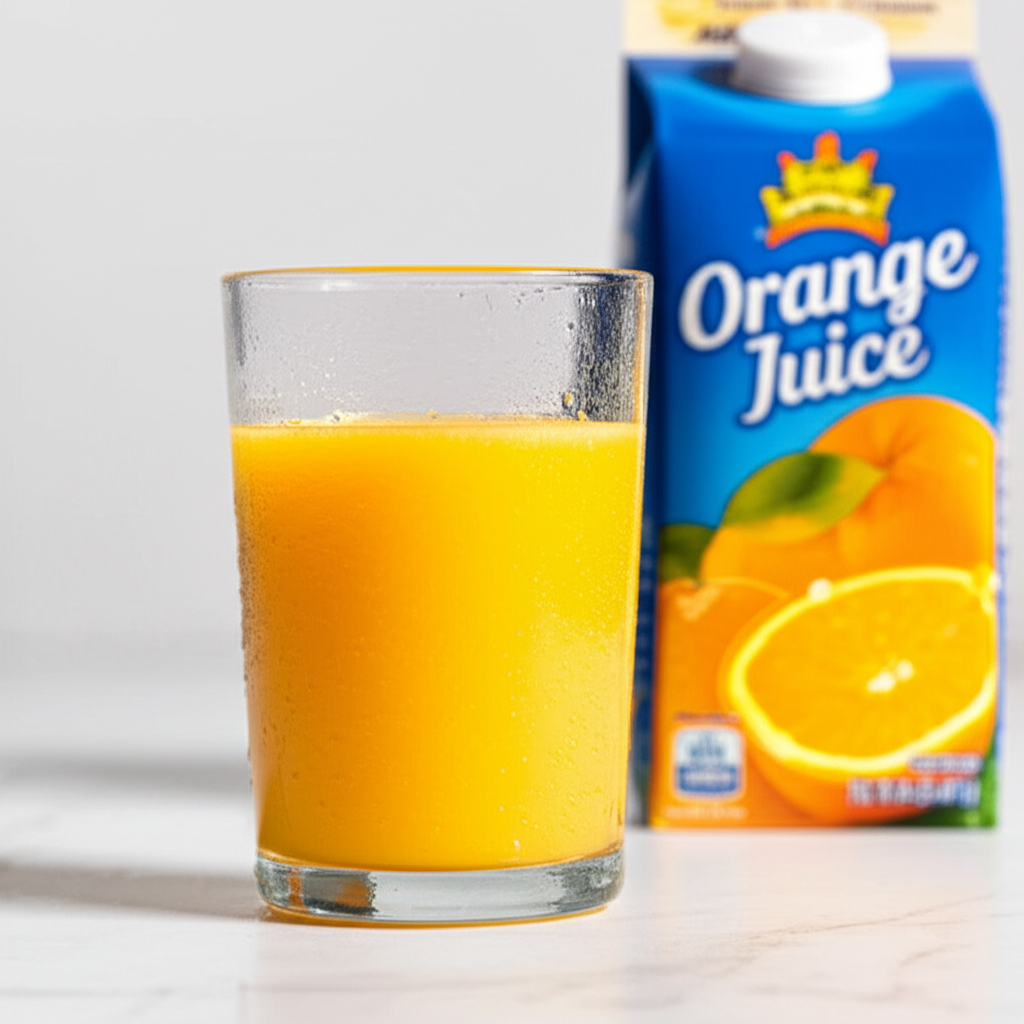
The shelf life of orange juice depends on several factors. The biggest ones are whether it’s store-bought or homemade, and if it’s pasteurized or not. Understanding these differences is key to knowing how long your juice will stay fresh and safe to drink.
Store-Bought Orange Juice: Pasteurization Matters
Most orange juice you buy at the grocery store is pasteurized. Pasteurization is a process that heats the juice to a specific temperature for a set period. This kills harmful bacteria, making the juice safer and extending its shelf life significantly. This is why a sealed carton of pasteurized orange juice can sit in your pantry for weeks or even months before you open it.
Unopened Pasteurized Orange Juice
Before you open it, pasteurized orange juice is quite stable. It’s best to consume it by the “best by” or “expiration” date printed on the carton. This date is a guide for quality, not necessarily safety. While it might still be good for a short period after this date, the flavor and vitamin C content might start to decrease.
Opened Pasteurized Orange Juice
Once you open the carton, the clock starts ticking differently. Exposure to air and potential contaminants means the juice will start to degrade. For opened pasteurized orange juice, refrigeration is crucial. You can typically expect it to be good for about 7 to 10 days after opening, provided it’s stored properly in the refrigerator.
Freshly Squeezed Orange Juice: The Natural Approach
Freshly squeezed orange juice, often called “not from concentrate” or “fresh juice,” is a different story. It’s made by simply juicing fresh oranges. Because it hasn’t undergone pasteurization, it contains more natural enzymes, a brighter flavor, and a higher vitamin C content. However, this also means it’s more perishable.
Homemade Orange Juice
For homemade orange juice, the goal is to drink it as soon as possible. Without pasteurization, any natural bacteria present on the oranges or in the juicing equipment will start to multiply. It’s generally recommended to consume freshly squeezed orange juice within 2 to 3 days of making it. Always store it in an airtight container in the coldest part of your refrigerator.
To learn more about the benefits of fresh juice, you can explore resources on the nutritional value of vitamin C. For instance, the National Institutes of Health (NIH) Office of Dietary Supplements offers comprehensive information.
Factors Affecting Orange Juice Freshness
Beyond pasteurization and whether it’s homemade, several other factors influence how long your orange juice stays good. Paying attention to these can help you maximize its freshness and prevent spoilage.
Storage Temperature
Temperature is arguably the most critical factor. Bacteria that can spoil juice grow much slower at colder temperatures. Keeping your orange juice in the refrigerator, ideally between 35°F and 40°F (1.7°C and 4.4°C), is essential for extending its life. Avoid storing it in the refrigerator door, where temperatures tend to fluctuate more.
Air Exposure
Once opened, orange juice is exposed to oxygen. This oxidation process can degrade the flavor, color, and nutritional content, especially vitamin C. To minimize air exposure:
- Always reseal the container tightly after each use.
- If you have a large container and only use a little at a time, consider transferring it to a smaller, airtight bottle to reduce the headspace (the air above the liquid).
- For homemade juice, using a glass jar with a tight-fitting lid is ideal.
Container Type
The type of container can also play a role. Glass is generally considered a superior material for storing juices because it’s non-porous and doesn’t leach chemicals into the liquid. However, most store-bought juices come in plastic cartons or bottles. Ensure these are food-grade and have a good seal.
Additives and Preservatives
Some commercially produced orange juices contain added preservatives or stabilizers to help maintain freshness and texture. These can sometimes extend the shelf life beyond what you might expect from a purely natural product. Always check the ingredient list if you’re concerned about additives.
How to Tell if Orange Juice Has Gone Bad
Trusting your senses is the best way to determine if orange juice is still good to drink, especially if it’s past its printed date or you’re unsure of how long it’s been open.
Visual Cues
Look for any obvious signs of spoilage:
- Mold: Any visible fuzzy patches of mold, whether on the surface or around the rim of the container, are a clear sign the juice is bad.
- Discoloration: While some variation is normal, a significant change in color, like turning brown or cloudy when it shouldn’t be, can indicate spoilage.
- Fermentation Bubbles: If you see small bubbles forming, especially when you open the container, it might be fermenting.
Smell Test
Your nose knows! Fresh orange juice has a bright, citrusy aroma. If the juice smells sour, fermented, yeasty, or just plain “off,” it’s time to discard it. A spoiled smell is usually quite distinct.
Taste Test (Use Caution!)
If the visual and smell tests don’t reveal any issues, you can take a tiny sip to check the taste. However, if you have any doubts at all, it’s best to skip this step. Spoiled juice can taste sour, bitter, or unpleasantly fermented. If it tastes different than you expect, or noticeably off, don’t drink any more.
Important Note: If you suspect the juice is bad, especially if you see mold, do not taste it. Throw it out immediately.
Expiration Dates vs. Best By Dates
It’s important to understand the difference between “expiration dates” and “best by” dates on food products, including orange juice.
- Expiration Date: This date indicates the last day the manufacturer guarantees the product’s quality. After this date, the product may not be at its peak quality. For some products, it can also be a safety indicator, though this is less common for shelf-stable items like juice.
- Best By Date: This is a much more common marking for orange juice. It suggests the date until which the product will be at its best quality. The flavor, texture, and nutritional value are expected to be optimal until this date. The product is often still safe to consume after this date, but its quality might decline.
For orange juice, especially pasteurized varieties, the “best by” date is more of a guideline for optimal flavor and vitamin content. If stored properly, it can often remain safe to drink for a period after this date. The key is to assess its actual condition using the visual, smell, and taste tests.
How Long Is Orange Juice Good? A Quick Reference Table
To make it easy to remember, here’s a quick guide to the typical shelf life of orange juice. Remember these are general guidelines, and your actual experience may vary based on storage and handling.
| Type of Orange Juice | Storage Condition | Estimated Shelf Life | Notes |
|---|---|---|---|
| Unopened Pasteurized | Pantry (cool, dark place) | Months (until “Best By” date) | Quality may decline after “Best By” date. |
| Opened Pasteurized | Refrigerator (35-40°F / 1.7-4.4°C) | 7-10 days | Keep tightly sealed. |
| Unopened Fresh-Squeezed (if available) | Refrigerator (35-40°F / 1.7-4.4°C) | 1-2 days | No pasteurization, highly perishable. |
| Opened Fresh-Squeezed (Homemade) | Refrigerator (35-40°F / 1.7-4.4°C) | 2-3 days | Best consumed immediately. |
| Frozen Orange Juice Concentrate | Freezer (unopened) | 12-18 months | Follow package directions for thawing and mixing. |
| Thawed Frozen Concentrate (prepared) | Refrigerator (35-40°F / 1.7-4.4°C) | 2-3 days | Once mixed with water. |
Pro Tips for Maximizing Orange Juice Freshness
Want to keep your orange juice tasting great for as long as possible? Here are some insider tips:
Pro Tip: For the freshest flavor, always store your orange juice in the coldest part of your refrigerator, which is usually the back of a lower shelf. Avoid the door, as temperature fluctuations can speed up spoilage.
How to Make Fresh Orange Juice Safely
Making your own orange juice is incredibly rewarding! Here’s how to do it while keeping safety in mind:
Essential Tools
- Fresh Oranges: Choose ripe, firm oranges. Valencia or Navel oranges are great for juicing.
- Juicer: You can use a manual citrus press, an electric citrus juicer, or a centrifugal juicer. A masticating juicer is also an option, though less common for just oranges.
- Knife and Cutting Board: For slicing the oranges.
- Airtight Container: A glass jar or bottle with a tight-fitting lid is best for storage.
Step-by-Step Guide
- Wash Oranges: Thoroughly wash the oranges under cool running water. Even though you’re peeling them, washing removes surface contaminants.
- Prepare Oranges: Cut the oranges in half crosswise.
- Juice the Oranges: Use your chosen juicer to extract the juice. For manual presses, press down and twist. For electric juicers, place the half orange on the reamer and apply gentle pressure.
- Strain (Optional): If you prefer pulp-free juice, strain it through a fine-mesh sieve.
- Store Immediately: Pour the fresh juice into your clean, airtight container.
- Refrigerate: Store the container in the coldest part of your refrigerator.
Remember, the key to safe homemade juice is cleanliness and quick refrigeration. For more on food safety, the FoodSafety.gov website provides excellent guidelines on safe food handling temperatures.
Orange Juice and Vitamin C Degradation
One of the primary reasons people drink orange juice is for its vitamin C content. Vitamin C, also known as ascorbic acid, is a powerful antioxidant. However, it’s also quite sensitive to its environment. Several factors can cause vitamin C to degrade in orange juice:
- Oxygen: Exposure to air causes oxidation, which breaks down vitamin C. This is why sealing your juice tightly is so important.
- Heat: High temperatures accelerate the degradation of vitamin C. This is why pasteurization, while good for killing bacteria, can reduce vitamin C levels, and why refrigeration is crucial for opened juice.
- Light: Prolonged exposure to light, especially UV light, can also degrade vitamin C. Storing juice in opaque containers or in a dark place helps preserve it.
- Time: Even under ideal conditions, vitamin C levels will naturally decrease over time. This is why fresher juice generally contains more vitamin C.
For this reason, while your opened pasteurized orange juice might be safe to drink for up to 10 days, its vitamin C content will be highest in the first few days and will gradually decrease. Freshly squeezed juice, consumed within 2-3 days, will likely retain more of its original vitamin C.
What About Frozen Orange Juice Concentrate?
Frozen orange juice concentrate is a popular and convenient option. It’s made by removing most of the water from orange juice, concentrating the flavor and nutrients. This process also helps preserve it.
Unopened Frozen Concentrate
When kept frozen, unopened orange juice concentrate has a very long shelf life, often 12 to 18 months. The freezing process significantly slows down any enzymatic or microbial activity that could cause spoilage.
Thawed and Prepared Concentrate
Once you thaw the concentrate and mix it with water according to the package instructions to make juice, its shelf life changes dramatically. You should treat prepared juice from concentrate much like other refrigerated juices. It’s typically good for about 2 to 3 days in the refrigerator.
Always ensure you store it in a clean, airtight container after mixing and keep it cold. The quality and vitamin C content will be best when consumed within this short window.
FAQs About Orange Juice Freshness
Q1: Can I drink orange juice past its expiration date?
A1: Often, yes, especially for pasteurized juice. The “best by” date is about quality. Use your senses: check for mold, off smells, or strange tastes. If it seems okay, it’s likely safe to drink for a few extra days, but the flavor and vitamin C might be reduced.
Q2: How do I store homemade orange juice to keep it fresh longer?
A2: Store homemade orange juice in a clean, airtight container (preferably glass) in the coldest part of your refrigerator. Consume it within 2-3 days for the best flavor and safety.
Q3: What does it mean if my orange juice has bubbles?
A3: Bubbles in orange juice, especially after it’s been opened, often indicate fermentation. This means natural yeasts or bacteria have begun to break down the sugars, producing carbon dioxide gas. This juice is likely spoiled and should not be consumed.
Q4: Is cloudy orange juice bad?
A4: Not necessarily. Some orange juices are intentionally sold with pulp or are naturally cloudy. However, if your juice becomes unexpectedly cloudy, or if the cloudiness is accompanied by an off smell or taste, it may have spoiled.
Q5: Does freezing orange juice extend its shelf life indefinitely?
A5: Freezing significantly extends the shelf life of orange juice, especially for concentrate. However, even frozen juice will eventually degrade in quality over very long periods. For prepared juice (not concentrate), freezing can alter its texture upon thawing, making it watery.
Q6: What’s the difference between “not from concentrate” and “from concentrate” juice regarding shelf life?
A6: “Not from concentrate” juice is typically pasteurized fresh. “From concentrate” juice has had water removed and then added back. Both, once opened and refrigerated, generally follow the same 7-10 day guideline for pasteurized varieties. The primary difference is in flavor and processing, not drastically in opened shelf life.
Q7: Should I worry about vitamin C loss in my juice?
A7: While vitamin C does degrade over time, especially when exposed to air, heat, or light, you’ll still get some benefits even from juice a few days old. For maximum vitamin C, drink freshly squeezed juice within 2-3 days or consume store-bought juice within the first few days of opening.
Conclusion
Navigating the freshness of orange juice is simpler when you know the key factors. Whether it’s the pasteurization process in store-bought varieties or the immediate consumption needed for homemade batches, understanding these differences empowers you to make informed choices. Always rely on your senses—look, smell, and cautiously taste—to determine if your juice is still good. By following proper storage techniques and being mindful of those printed dates, you can confidently enjoy the bright, refreshing taste of orange juice, knowing you’re making the best choice for both flavor and safety. So go ahead, pour yourself a glass and savor that delicious citrus goodness!
smartblander.com is a participant in the Amazon Services LLC Associates Program, an affiliate advertising program. As an Amazon Associate, we earn from qualifying purchases made through our links.
