

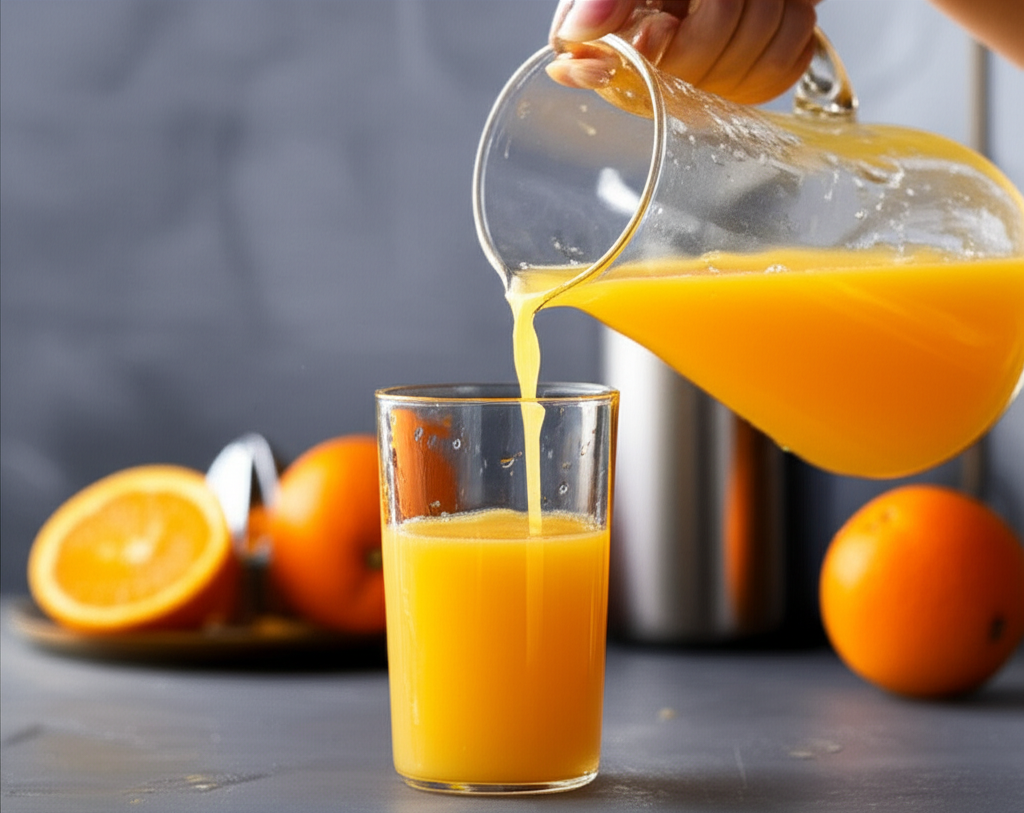
Fresh orange juice is best enjoyed immediately, but when stored properly, it can last for a few days. The key to maximizing its freshness lies in understanding how to store it and recognizing the signs of spoilage.
Key Takeaways
- Store freshly squeezed juice promptly.
- Refrigerate juice in an airtight container.
- Expect 2-4 days of optimal freshness.
- Watch for signs of spoilage like mold or off-smells.
- Freezing extends shelf life significantly.
How Long Fresh Orange Juice Lasts? The Shocking Truth!
You’ve just squeezed a pitcher of vibrant, sun-kissed orange juice. The aroma is intoxicating, and the taste is pure sunshine. But before you gulp it all down, a question might pop into your mind: how long can this delicious, freshly made elixir actually last? It’s a common question, and the answer might surprise you. Many people think fresh juice is only good for a day, but with the right knowledge, you can enjoy its bright flavor for longer. This guide will reveal the secrets to keeping your homemade orange juice tasting its best, so you can sip with confidence.
Understanding the Shelf Life of Fresh Orange Juice
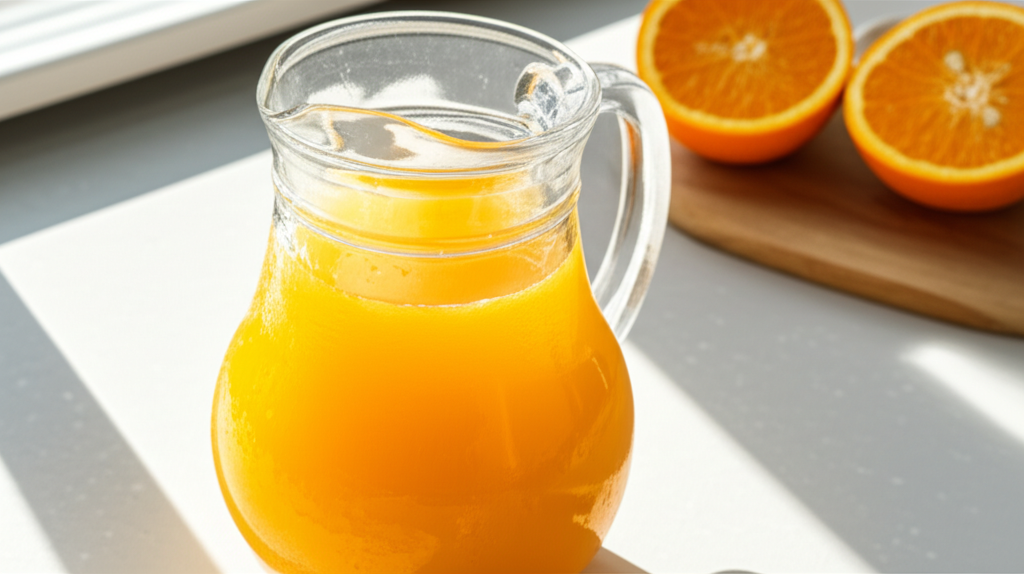
The “shocking truth” about fresh orange juice isn’t that it spoils quickly, but rather how quickly its nutritional value and flavor can degrade if not handled with care. Unlike store-bought juices that often contain preservatives or undergo pasteurization to extend their shelf life significantly, fresh, unpasteurized juice is a living product. It’s teeming with natural enzymes and vitamins, which are fantastic for your health but also make it more susceptible to changes over time. Think of it like a freshly cut flower; it’s beautiful and vibrant, but its peak beauty is fleeting.
When we talk about “how long fresh orange juice lasts,” we’re really discussing two main factors: safety and quality. While it might remain safe to drink for a few days, its optimal taste and maximum vitamin content will diminish much faster. This is why understanding the nuances of storage is crucial for any home juicing enthusiast.
Factors Affecting Fresh Orange Juice Longevity
Several elements play a role in determining how long your freshly squeezed orange juice will remain at its peak. Understanding these factors will empower you to make informed decisions about your juice.
Orange Quality and Ripeness
The journey to long-lasting juice begins with the oranges themselves. Oranges that are perfectly ripe, free from bruises, and have a bright, firm peel will yield juice that is naturally more robust. Overripe or damaged oranges can introduce bacteria and enzymes that accelerate spoilage. Always select firm, heavy oranges with smooth, shiny skin.
Juicing Method
The way you extract the juice also impacts its shelf life.:
- Centrifugal Juicers: These machines can introduce more air into the juice, which can lead to faster oxidation. Oxidation breaks down vitamins and changes the flavor.
- Masticating (Slow) Juicers: These tend to produce juice with less air and can preserve nutrients and flavor for slightly longer periods compared to centrifugal juicers.
- Hand Squeezing: This method introduces minimal air but can be more labor-intensive. The resulting juice is very pure.
The key takeaway here is that minimizing air exposure during the juicing process is beneficial for longevity.
Presence of Pulp
Do you love your orange juice with a lot of pulp, or do you prefer it smooth? The amount of pulp can affect how long the juice lasts. Pulp contains fiber and other organic material that can, over time, contribute to a faster breakdown of the juice. Straining the juice to remove most of the pulp can slightly extend its freshness, though it also removes some beneficial fiber.
Storage Container
This is a critical factor! How you store your juice makes a significant difference. The best containers are those that are non-reactive (like glass or high-quality BPA-free plastic) and, most importantly, airtight. Airtight containers prevent oxygen from entering, which is a primary culprit in the degradation of fresh juice. They also prevent contaminants from the refrigerator from affecting the juice’s flavor and safety.
Storage Temperature
Cold temperatures slow down the activity of enzymes and the growth of any microorganisms that might be present. Therefore, storing your fresh orange juice in the coldest part of your refrigerator is essential. Avoid storing it in the door, where temperatures fluctuate the most.
How Long is Fresh Orange Juice Good For? The Practical Guide
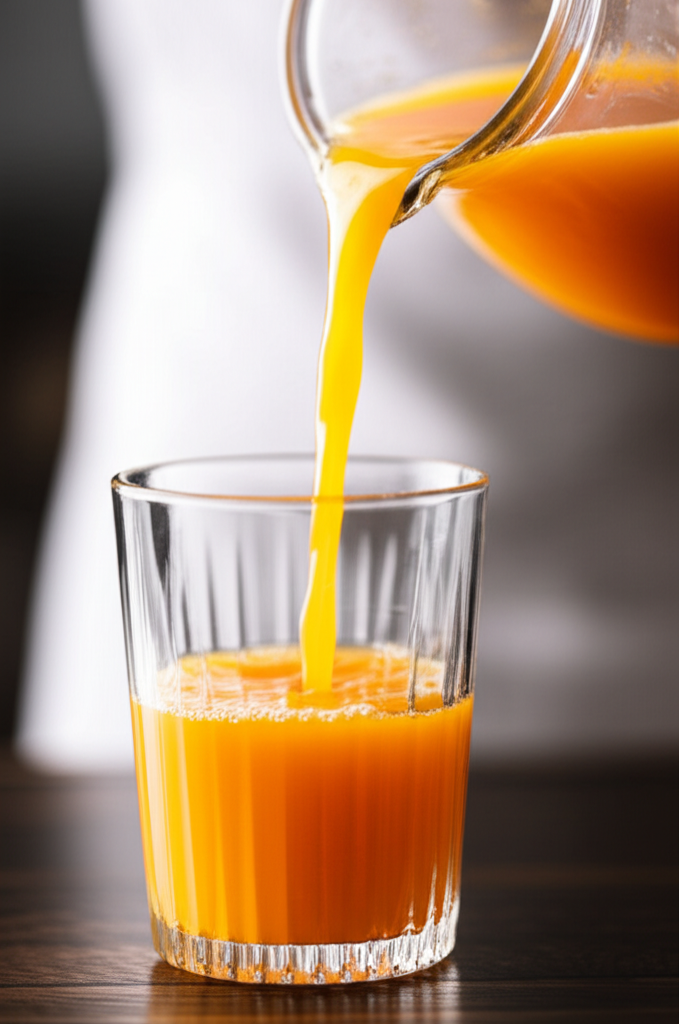
Now, let’s get to the heart of the matter: the actual timeline. When we talk about “how long is fresh orange juice good for,” we need to consider both optimal quality and general safety.
Optimal Quality: For the best taste, vibrant color, and maximum vitamin content (especially Vitamin C, which is sensitive to light and air), freshly squeezed orange juice is best consumed within 24 to 48 hours of juicing.
General Safety: If stored correctly in an airtight container in the refrigerator, it can remain safe to drink for up to 3 to 4 days. However, you will likely notice a decline in flavor and a change in texture during this time.
It’s important to note that these are general guidelines. Factors like the initial freshness of the oranges and the cleanliness of your juicing equipment can influence these timelines.
Storing Fresh Orange Juice for Maximum Freshness
Proper storage is your best friend when it comes to extending the life of your homemade orange juice. Follow these steps to keep it as fresh as possible:
- Juice and Cool Quickly: As soon as you finish juicing, let the juice settle for a few minutes to allow foam to dissipate.
- Choose the Right Container: Opt for a glass jar or a BPA-free plastic container with a tight-fitting lid. Avoid metal containers, as they can react with the acidity of the juice.
- Fill to the Brim: To minimize air exposure, fill your container all the way to the top, leaving as little headspace as possible.
- Seal Tightly: Ensure the lid is secured firmly to create an airtight seal.
- Refrigerate Immediately: Place the sealed container in the coldest part of your refrigerator, usually the back of a lower shelf.
- Consume Promptly: Aim to drink your juice within 2-4 days for the best experience.
Pro Tip: If you know you won’t drink all your juice within a few days, consider freezing it. Pour the juice into ice cube trays or freezer-safe bags, leaving some room for expansion. Frozen orange juice can last for several months, though the flavor and texture may change slightly upon thawing.
Signs Your Fresh Orange Juice Has Gone Bad
Even with the best storage practices, orange juice won’t last forever. It’s crucial to be able to identify when it’s no longer safe or pleasant to drink. Trust your senses!
- Smell: The most obvious sign is a change in aroma. Fresh orange juice has a bright, citrusy smell. If it smells sour, fermented, or just “off,” discard it.
- Taste: If the smell is questionable, take a tiny sip. A sour, bitter, or unusually metallic taste is a clear indicator that the juice has spoiled.
- Appearance: Look for any changes in color. While some natural separation is normal, a cloudy or murky appearance that wasn’t there initially, or the presence of mold (which might look like fuzzy spots, often white, green, or black), means it’s time to pour it down the drain.
- Texture: If the juice becomes unusually slimy or develops a thick, syrupy consistency that wasn’t there before, it’s a sign of bacterial growth.
When in doubt, throw it out! It’s always better to be safe than sorry when it comes to consuming homemade beverages.
Comparing Fresh vs. Store-Bought Orange Juice Shelf Life
The difference in shelf life between fresh, homemade orange juice and store-bought varieties is stark. Understanding why can help you appreciate the value and limitations of each.
| Type of Orange Juice | Typical Shelf Life (Refrigerated) | Key Differences |
|---|---|---|
| Freshly Squeezed (Homemade) | 2-4 days | No preservatives, minimal processing, high nutrient content, best flavor immediately after juicing. |
| Pasteurized (From Concentrate or Not) | 2-3 weeks (unopened), 7-10 days (opened) | Heat-treated to kill microbes, extends shelf life, some nutrient loss, often added flavor packs. |
| Not From Concentrate (HFC) | 2-3 weeks (unopened), 7-10 days (opened) | Pasteurized, flavor is closer to fresh but still processed, can be high in natural sugars. |
| High-Pressure Processed (HPP) | 30-60 days (unopened), 7-14 days (opened) | Uses pressure instead of heat, preserves more nutrients and flavor than pasteurization, still processed. |
This table highlights why fresh juice is a special treat meant for immediate enjoyment. Its short shelf life is a trade-off for its unparalleled freshness and nutritional profile. For more information on juice processing and its effects, the U.S. Food & Drug Administration (FDA) offers valuable insights into food safety regulations and practices.
Nutritional Benefits and Degradation Over Time
Fresh orange juice is a fantastic source of Vitamin C, potassium, and various antioxidants. However, these beneficial compounds are sensitive to environmental factors. Vitamin C (ascorbic acid), in particular, is known to degrade when exposed to oxygen, light, and heat. This degradation is why your juice tastes best and offers the most nutritional bang for your buck within the first day or two.
According to the USDA’s FoodData Central, a standard serving of fresh orange juice contains a significant amount of Vitamin C. However, studies have shown that Vitamin C levels can decrease by 10-20% within 24 hours of juicing, and further decrease over subsequent days, especially if not stored properly. While the juice may still be safe to drink after 3-4 days, you’re not getting the same potent dose of vitamins and antioxidants as you would from a freshly squeezed glass.
Freezing Fresh Orange Juice: A Longer-Term Solution
If you find yourself with more fresh orange juice than you can consume within a few days, freezing is an excellent option to preserve its goodness for later. Freezing significantly slows down the chemical reactions that cause spoilage and nutrient degradation.
How to Freeze Orange Juice:
- Prepare your juice: It’s often best to remove as much pulp as you prefer before freezing.
- Choose your container: Use airtight, freezer-safe containers. Glass jars can work, but leave ample headspace (about 1-2 inches) as liquids expand when frozen. Specialized freezer bags designed for liquids are also a great option.
- Consider ice cube trays: For smaller, convenient portions, freeze juice in ice cube trays. Once frozen, transfer the cubes to a freezer bag. These are perfect for adding to smoothies or diluting with water.
- Label and date: Always label your frozen juice with the date so you know how long it’s been stored.
- Storage time: Properly frozen orange juice can last for 6 to 12 months.
Thawing: The best way to thaw frozen orange juice is to move it from the freezer to the refrigerator and let it thaw slowly. This helps maintain the best possible texture and flavor. Avoid thawing at room temperature or using heat, as this can degrade quality.
While frozen juice is a fantastic alternative to store-bought for extending shelf life, it’s important to manage expectations. The texture might be slightly different after thawing, and some subtle flavor changes can occur. However, it remains a far healthier and more natural option than many commercially available juices.
Juicing Equipment and Shelf Life
The type of juicer you use can subtly influence how long your juice lasts. Understanding this can help you optimize your juicing process.
- Masticating (Slow) Juicers: These are excellent for preserving nutrients and minimizing oxidation. They extract juice by crushing and pressing fruits and vegetables. The resulting juice typically has less foam and a longer shelf life compared to centrifugal juicers.
- Centrifugal Juicers: These use a fast-spinning blade to extract juice. While quick and efficient, they can introduce more air into the juice, leading to faster oxidation and a shorter optimal shelf life.
- Citrus Juicers (Manual or Electric): These are specifically designed for citrus fruits. They introduce very little air and are great for simple orange juice. The primary factor for longevity here is the sealable container and refrigeration.
For the absolute longest shelf life from freshly squeezed juice, a masticating juicer or a manual citrus press, combined with immediate proper storage, will give you the best results.
FAQs About Fresh Orange Juice Shelf Life
Q1: Can I drink fresh orange juice that’s 5 days old?
While it might still be safe to drink, the quality (taste, color, and nutrient content) will have significantly degraded. It’s generally best to consume it within 2-4 days for the optimal experience.
Q2: Does adding lemon or lime juice to orange juice help it last longer?
The added acidity from lemon or lime juice can act as a mild preservative, potentially slowing down bacterial growth slightly. However, it won’t dramatically extend the shelf life beyond the typical 2-4 days, and the primary factors of air and temperature are still critical.
Q3: Is it safe to drink orange juice that has separated?
Yes, some separation is normal in fresh juice, especially if it contains pulp. The heavier pulp may settle at the bottom. Simply shake or stir the juice before drinking. However, if the separation is accompanied by off-smells or tastes, discard it.
Q4: What’s the difference between “freshly squeezed” and “pasteurized” orange juice shelf life?
Freshly squeezed juice, with no preservatives or heat treatment, typically lasts 2-4 days refrigerated. Pasteurized juice is heated to kill microbes, extending its shelf life to several weeks unopened and about a week opened.
Q5: Can I leave fresh orange juice on the counter overnight?
No, you should never leave fresh orange juice on the counter. Bacteria multiply rapidly at room temperature, making the juice unsafe to drink. Always refrigerate it immediately after juicing.
Q6: How do I know if my homemade orange juice is still good?
Trust your senses! Look for mold, a sour or fermented smell, or a bitter/unpleasant taste. If any of these are present, discard the juice.
Q7: Does the type of orange affect how long the juice lasts?
Yes, juicier, fresher oranges will yield juice that is of higher quality and may last slightly longer than juice made from less-than-perfect fruit. Oranges free from blemishes and spoilage are always best.
Conclusion
The lifespan of your freshly squeezed orange juice is a fascinating intersection of nature, science, and kitchen smarts. While the “shocking truth” isn’t about a rapid, inevitable demise, it is about appreciating the delicate nature of fresh, unadulterated goodness. By understanding the factors that influence its longevity and implementing proper storage techniques—airtight containers, cold refrigeration, and prompt consumption—you can savor the bright, healthful taste of homemade orange juice for up to 2 to 4 days. For even longer enjoyment, freezing offers a viable way to capture that sunshine for months to come. So, go ahead, squeeze those oranges, and enjoy the vibrant, pure taste of nature’s candy, knowing you’re making the most of every delicious drop!
smartblander.com is a participant in the Amazon Services LLC Associates Program, an affiliate advertising program. As an Amazon Associate, we earn from qualifying purchases made through our links.
