

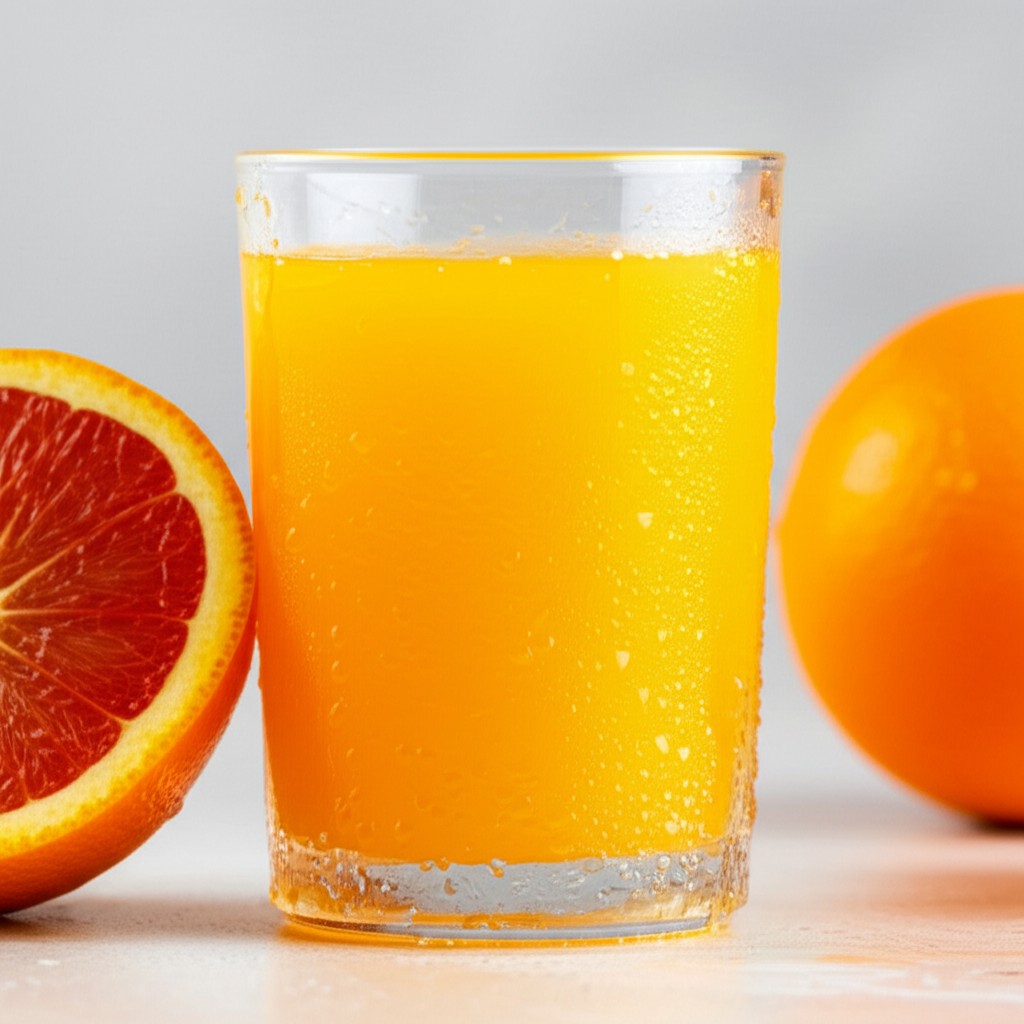
How Long Can Fresh Squeezed Orange Juice Last? Uncover Truths
Freshly squeezed orange juice is a delicious and healthy treat. But how long can it truly last before it loses its vibrant flavor and nutritional punch? Typically, fresh squeezed orange juice lasts for 2 to 3 days when stored properly in the refrigerator.
Key Takeaways
- Refrigerate immediately after squeezing.
- Use airtight containers for best results.
- Consume within 48-72 hours for optimal taste.
- Discard if you notice mold or off-smells.
- Freezing extends shelf life significantly.
- Proper storage preserves vital nutrients.
There’s nothing quite like the bright, zesty flavor of freshly squeezed orange juice. It’s a morning staple for many, a burst of sunshine in a glass. You might be wondering how to enjoy this natural goodness for as long as possible. The question of “how long can fresh squeezed orange juice last?” is common for anyone who loves making their own juice. It’s confusing because we all want to avoid waste and enjoy the freshest, most nutritious juice. Don’t worry! This guide will break down everything you need to know. We’ll explore the science behind it, offer practical tips, and help you become a confident home juicing expert. Get ready to unlock the secrets to keeping your homemade orange juice deliciously fresh.
Understanding the Shelf Life of Fresh Squeezed Orange Juice
Freshly squeezed orange juice is a living beverage. Unlike store-bought juices that often undergo pasteurization or other preservation processes, your homemade juice remains raw. This means it’s packed with natural enzymes, vitamins, and flavor compounds. However, it also means it’s more susceptible to spoilage. Several factors influence how long your juice stays good.
The Science of Spoilage: Why Fresh Juice Doesn’t Last Forever
When you squeeze an orange, you break down its cellular structure. This releases not only the delicious juice but also exposes it to the environment. Air, light, and temperature all play a role in how quickly your juice deteriorates.
- Oxidation: Exposure to air causes oxidation. This process can degrade vitamins like Vitamin C and alter the flavor, making the juice taste stale or metallic.
- Enzyme Activity: Oranges contain natural enzymes. While beneficial in moderation, these enzymes can continue to work, breaking down sugars and other components over time, leading to changes in taste and texture.
- Microbial Growth: Even with clean hands and equipment, tiny microorganisms are present. In the absence of preservatives and at warmer temperatures, these microbes (like bacteria and yeasts) can multiply rapidly. This can lead to fermentation, souring, and potentially harmful spoilage.
The United States Department of Agriculture (USDA) provides extensive information on food safety, highlighting that fresh, unpasteurized products are best consumed quickly to minimize the risk of microbial growth. Their guidelines emphasize proper refrigeration as a critical step in slowing down these natural processes.
Factors Affecting Fresh Orange Juice Longevity
Several key elements determine how long your freshly squeezed orange juice will remain at its best:
- Storage Temperature: This is the most crucial factor. Colder temperatures significantly slow down oxidation and microbial growth.
- Container Type: The container your juice is stored in matters. Opaque, airtight containers are ideal.
- Exposure to Light: Light can accelerate the degradation of certain nutrients, particularly Vitamin C.
- Presence of Pulp: While some prefer pulp, it can sometimes speed up spoilage as it contains more surface area for oxidation and microbial activity.
- Hygiene During Juicing: Cleanliness of your hands, juicer, and all surfaces is paramount in preventing premature contamination.
Optimal Storage Techniques for Fresh Squeezed Orange Juice
Knowing how to store your juice is as important as knowing how to make it. Proper storage techniques can significantly extend the freshness and quality of your homemade orange juice.
Choosing the Right Container
The vessel you use for storing your juice can make a big difference. Here’s what to look for:
- Airtight Seal: This is non-negotiable. A tight-fitting lid prevents air from entering, which is the primary cause of oxidation.
- Opaque Materials: Glass jars or bottles that are dark or opaque help protect the juice from light. If you’re using clear containers, consider storing them in a dark cupboard within your refrigerator.
- Food-Grade Materials: Always opt for containers made from food-grade glass, BPA-free plastic, or stainless steel.
- Size Matters: If you’re juicing a large batch, it’s best to divide it into smaller containers. This minimizes the amount of air in each container once it’s opened.
Refrigeration: Your Best Friend
The refrigerator is where your fresh juice will spend most of its life. Here’s how to maximize its effectiveness:
- Chill Immediately: As soon as you finish juicing, transfer the juice to its storage container and place it in the refrigerator. Do not let it sit at room temperature for extended periods.
- Consistent Cold Temperature: Ensure your refrigerator is set to a consistent temperature between 35°F and 40°F (1.7°C and 4.4°C). This is the ideal range for slowing down spoilage.
- Location in the Fridge: The back of the refrigerator is usually the coldest spot, away from the door which is opened frequently.
Minimizing Air Exposure
Even with an airtight lid, there’s often a small amount of air trapped in the container. Here are a few tricks:
- Fill to the Brim: The less headspace (air) in the container, the better. Try to fill your containers as close to the top as possible.
- Plastic Wrap Trick: For extra protection, you can press a piece of plastic wrap directly onto the surface of the juice before sealing the lid. This creates an additional barrier against air.
How Long Does Fresh Squeezed Orange Juice Really Last? A Timeline
Let’s break down the expected lifespan of your homemade orange juice based on storage conditions.
The 48-Hour Rule: Peak Freshness
For the absolute best flavor and nutritional value, aim to consume your fresh squeezed orange juice within 48 hours of making it. During this time, the Vitamin C content is highest, and the flavor is bright and vibrant. This is when you’ll experience the full, unadulterated taste of fresh oranges.
The 72-Hour Mark: Still Good, But Changing
Up to 72 hours (3 days) in the refrigerator, your juice can still be perfectly enjoyable. However, you might start to notice subtle changes:
- Flavor: The bright, zesty notes may begin to mellow. It might taste slightly less intense.
- Acidity: The acidity can also start to shift, potentially making it taste a little less sharp.
- Nutrient Loss: Vitamin C levels will have naturally decreased slightly due to oxidation.
Beyond 3 Days: Proceed with Caution
While some sources might suggest a slightly longer shelf life, it’s generally recommended to be cautious after the 3-day mark. Beyond this point, the risk of significant nutrient loss and undesirable changes in taste and aroma increases. Microbial growth also becomes a more significant concern.
Signs of Spoilage: What to Look For and Smell
Your senses are your best guide when it comes to determining if your juice is still safe to drink. Never hesitate to trust your instincts. If something seems off, it’s better to be safe than sorry.
- Off Smell: Fresh orange juice should smell clean and citrusy. If it has a sour, fermented, or “off” odor, it’s time to discard it.
- Unusual Taste: A sour or fizzy taste is a clear indicator of spoilage, likely due to fermentation.
- Cloudiness or Sediment: While some pulp is normal, excessive cloudiness or a slimy texture can signal bacterial growth.
- Mold: Any visible signs of mold, no matter how small, mean the entire batch should be thrown away.
Storing Different Types of Homemade Orange Juice
The type of orange and any additions can also influence shelf life. While this article focuses on pure orange juice, it’s worth noting how variations might affect longevity.
Pure Orange Juice vs. Orange Juice with Pulp
As mentioned, pulp provides more surface area for potential spoilage. Pure, strained orange juice might last a day or two longer than juice with a lot of pulp, all other storage conditions being equal. However, the difference is usually minor if proper refrigeration and airtight containers are used.
Adding Other Fruits or Vegetables
If you’re making a mixed juice (e.g., orange and carrot, orange and ginger), the shelf life can be shorter. Other fruits and vegetables introduce different enzymes and microbial populations. Generally, mixed juices are best consumed within 24 hours, even when refrigerated.
Extending Shelf Life: Freezing Fresh Squeezed Orange Juice
If you’ve made a larger batch of juice than you can consume within 3 days, freezing is an excellent option. Freezing significantly halts microbial activity and oxidation, preserving the juice for much longer.
How to Freeze Orange Juice
- Choose Freezer-Safe Containers: Use airtight containers or freezer bags designed for freezing. Leave some headspace (about an inch) as liquids expand when frozen.
- Portion Control: Consider freezing juice in smaller portions, like ice cube trays or muffin tins, for easy thawing of single servings.
- Seal Tightly: Ensure the containers are sealed to prevent freezer burn.
- Label and Date: Always label your frozen juice with the date it was frozen.
How Long Does Frozen Orange Juice Last?
When properly frozen, fresh squeezed orange juice can maintain good quality for about 6 to 12 months. The flavor might start to degrade over longer periods, but it will remain safe to consume.
Thawing Frozen Orange Juice
The best way to thaw frozen orange juice is slowly in the refrigerator. This preserves its quality better than rapid thawing. Once thawed, it’s best to consume it within 24-48 hours. Shake well before drinking, as some separation is normal.
Comparing Fresh Squeezed to Store-Bought Orange Juice
It’s helpful to understand why fresh squeezed juice has a shorter shelf life compared to its store-bought counterparts.
Pasteurization: The Key Difference
Most commercial orange juices are pasteurized. This is a heat treatment process that kills harmful bacteria and other microorganisms, significantly extending the shelf life. However, pasteurization also degrades some heat-sensitive nutrients like Vitamin C and can alter the fresh flavor profile.
According to the U.S. Food and Drug Administration (FDA), pasteurization is a critical food safety measure for many products, including juices, to ensure they are safe for consumers. However, this process inherently changes the nature of the juice.
Nutritional Content
Fresh squeezed juice generally boasts higher levels of Vitamin C and other antioxidants compared to pasteurized juice. The “living” enzymes also remain intact. While store-bought juices are often fortified with calcium and Vitamin D, they lack the same natural vitality.
Flavor Profile
The taste of fresh squeezed orange juice is unparalleled. It’s bright, crisp, and bursting with natural sweetness and acidity. Pasteurized juice, even “from concentrate” or “not from concentrate,” often has a more muted, sometimes slightly cooked flavor.
Table: Fresh Squeezed Orange Juice Shelf Life Guide
Here’s a quick reference guide for understanding the shelf life of your homemade orange juice:
| Condition | Estimated Shelf Life | Notes |
|---|---|---|
| Refrigerated in Airtight Container (Optimal: 2-3 Days) | 2-3 days | Peak flavor and nutrients. Store at 35-40°F (1.7-4.4°C). |
| Refrigerated in Airtight Container (Acceptable: Up to 4 Days) | 4 days | Flavor and nutrient quality may decline slightly. Watch for spoilage signs. |
| Room Temperature | 2-4 hours | Never leave fresh juice out for long. High risk of spoilage. |
| Frozen in Freezer-Safe Container | 6-12 months | Quality may decrease over time. Thaw in refrigerator. |
Pro Tips for Maximizing Freshness
Want to get the absolute most out of your freshly squeezed orange juice? Try these expert tips:
- Use High-Quality Oranges: Start with ripe, juicy oranges. Varieties like Valencia or Navel are excellent for juicing.
- Juice Just Before Drinking: For the ultimate freshness, juice only what you plan to drink immediately.
- Clean Your Juicer Thoroughly: Residue from previous juicing sessions can harbor bacteria.
- Consider a Cold-Pressed Juicer: These juicers operate at lower speeds, producing less heat and oxidation, which can lead to a slightly longer shelf life for the juice.
- Strain Wisely: If you prefer pulp-free juice, strain it immediately after juicing.
Frequently Asked Questions About Fresh Squeezed Orange Juice
Q1: Can I leave fresh squeezed orange juice on the counter overnight?
No, absolutely not. Fresh squeezed orange juice should not be left at room temperature for more than 2-4 hours. Bacteria can multiply rapidly at room temperature, making the juice unsafe to drink.
Q2: Does adding lemon or lime juice to orange juice help it last longer?
Adding a small amount of lemon or lime juice can slightly increase the acidity of your orange juice. This higher acidity can help inhibit the growth of some bacteria, potentially extending its shelf life by an extra day. However, it won’t dramatically increase its longevity, and proper refrigeration is still key.
Q3: What happens if I drink spoiled orange juice?
Drinking spoiled orange juice can lead to foodborne illness, causing symptoms like nausea, vomiting, diarrhea, and stomach cramps. It’s crucial to always check for signs of spoilage before consuming homemade juices.
Q4: Can I can or bottle fresh squeezed orange juice for long-term storage?
Canning (or bottling and heat processing) fresh orange juice at home is not recommended. The high heat required for safe canning can destroy most of the beneficial nutrients and significantly alter the flavor. Additionally, the acidity of orange juice is borderline for safe home canning, making it risky for preventing botulism without specialized equipment and knowledge. Freezing is a much safer and more effective method for long-term storage.
Q5: How can I tell if my frozen orange juice has gone bad?
Frozen orange juice is generally safe to consume for a long time if kept frozen. However, its quality (flavor and aroma) will degrade over time. If, after thawing, it smells off, tastes sour, or has visible mold, discard it. Separation and a slightly different texture are normal after thawing, but these other signs indicate spoilage.
Q6: Is orange juice safe if it has a slightly fizzy taste?
A slightly fizzy taste usually indicates fermentation, meaning yeast or bacteria have started to consume the sugars in the juice. While it might not be harmful in small amounts from mild fermentation, it means the juice is no longer fresh and its quality has deteriorated. It’s best to discard it if you notice a fizzy or effervescent quality.
Conclusion
Enjoying fresh squeezed orange juice is a wonderful way to boost your daily vitamin intake and savor natural flavors. Understanding how long it can last is key to enjoying it at its best. By following proper storage guidelines – immediate refrigeration, airtight, opaque containers, and consuming within 2-3 days – you can maximize its freshness and nutritional value. For longer storage, freezing is an excellent, safe option. Always trust your senses; if your juice smells or tastes off, it’s time to let it go. With these tips, you can confidently make and store your delicious homemade orange juice, ensuring every glass is a vibrant, healthy treat.
smartblander.com is a participant in the Amazon Services LLC Associates Program, an affiliate advertising program. As an Amazon Associate, we earn from qualifying purchases made through our links.
