

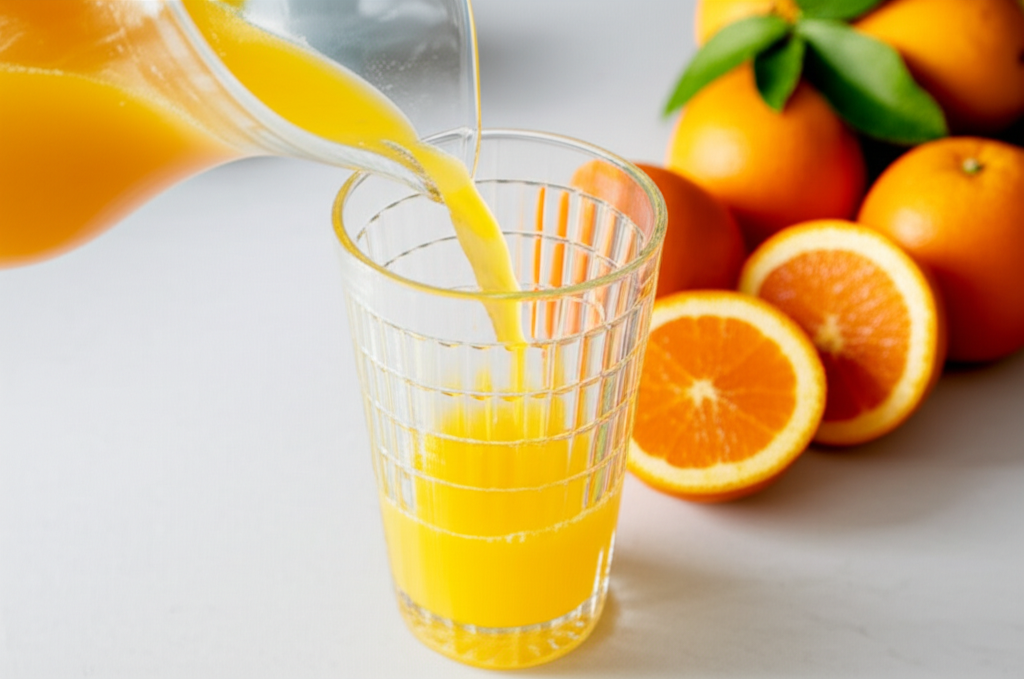
Yes, you can easily juice oranges in a juicer! This guide shows you how to get fresh, vibrant orange juice with simple steps, making it perfect for beginners. Enjoy delicious, healthy citrus goodness at home with minimal effort.
Key Takeaways
- Wash oranges thoroughly before juicing.
- Cut oranges in half for most juicer types.
- Use the right juicer for optimal results.
- Enjoy fresh juice immediately for best flavor.
- Explore different orange varieties for unique tastes.
How Do You Juice Oranges in a Juicer: A Quick Guide for Beginners
Making fresh orange juice at home might seem tricky, but it’s surprisingly simple, especially with the right tools. You might wonder, “How do you juice oranges in a juicer?” It’s a common question for anyone new to juicing. This guide will walk you through every step. We’ll cover the best juicers for oranges, how to prepare them, and the actual juicing process. Get ready to transform simple oranges into a glass of pure, delicious sunshine. Let’s unlock the secret to perfect homemade orange juice.
Choosing the Right Juicer for Oranges

The type of juicer you use significantly impacts your orange juicing experience. For oranges, several types work well, each with its own advantages. Understanding these differences will help you choose the best fit for your needs and budget.
Centrifugal Juicers
Centrifugal juicers are very popular due to their speed and affordability. They work by spinning a basket at high speed, forcing the juice out through a mesh filter. Oranges are typically cut into smaller pieces and fed into the chute. The pulp is collected in a separate bin. They are great for citrus but can sometimes aerate the juice more, potentially reducing shelf life.
Masticating (Slow) Juicers
Masticating juicers, also known as slow juicers, use a grinding or chewing action to extract juice. They operate at lower speeds, which helps to preserve nutrients and enzymes. This method often results in a higher juice yield and less oxidation, meaning your juice can last a bit longer. While they are slower, they are excellent for a wide range of fruits and vegetables, including oranges.
Citrus Juicers (Electric and Manual)
These are specifically designed for citrus fruits. Electric citrus juicers have a reamer that spins when you press the halved orange onto it. They are fast and efficient for oranges and other citrus. Manual citrus juicers require more physical effort but are very simple and easy to clean. They are the most basic and often the most affordable option.
Triturating (Three-Gear) Juicers
These are less common for home use but are highly efficient. They use a two-roller system that crushes the fruit before pressing it. They offer excellent juice extraction but are generally more expensive and bulkier.
For beginners focusing on orange juice, an electric citrus juicer or a centrifugal juicer are excellent starting points. They offer a good balance of ease of use, speed, and affordability. Masticating juicers are a step up if you plan to juice a wider variety of produce or prioritize maximum nutrient retention.
What You’ll Need: Essential Tools and Ingredients
Before you start juicing, gathering your supplies is key. Having everything ready makes the process smooth and enjoyable. Here’s what you’ll need to make delicious orange juice.
Ingredients
- Fresh Oranges: Choose ripe, juicy oranges. Navel oranges, Valencia oranges, or even blood oranges work wonderfully. Aim for about 2-4 oranges per glass of juice, depending on their size and juiciness.
Equipment
- Juicer: As discussed above, select the type that best suits your needs.
- Sharp Knife: For cutting the oranges.
- Cutting Board: A stable surface for cutting.
- Glass or Pitcher: To collect the fresh juice.
- Optional: Fine-mesh Sieve: If you prefer pulp-free juice.
Having these items at hand ensures you’re well-prepared to juice your oranges efficiently. Now, let’s get to the actual juicing steps.
How Do You Juice Oranges in a Juicer: Step-by-Step Guide
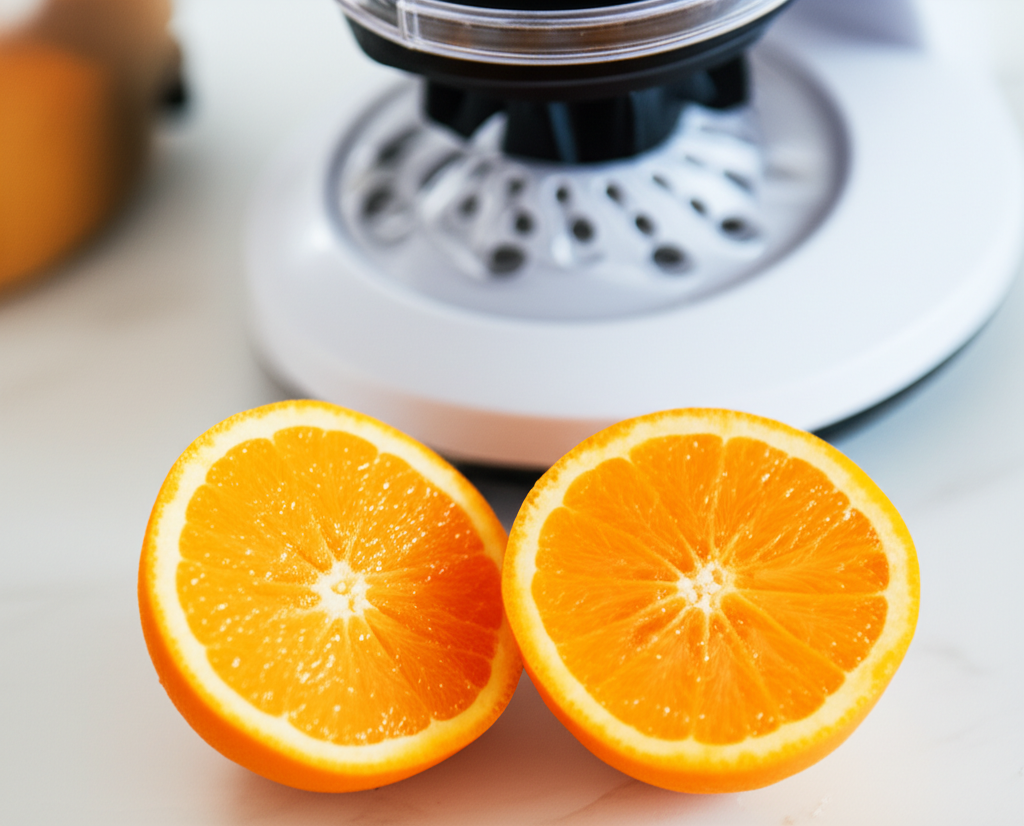
Juicing oranges is a straightforward process. Follow these simple steps to get the freshest juice possible. We’ll cover preparation and the juicing action itself.
Step 1: Select and Wash Your Oranges
Choose firm, heavy oranges. These usually indicate they are full of juice. Wash the oranges thoroughly under cool running water. You can use a produce brush to gently scrub away any dirt or residue from the peel. Even though you’re not eating the peel, washing is important to prevent transferring any contaminants to the juice.
Step 2: Prepare the Oranges for Juicing
This step varies slightly depending on your juicer type:
- For Citrus Juicers (Electric or Manual): Cut the oranges in half crosswise (around the equator).
- For Centrifugal or Masticating Juicers: You can cut the oranges in half, or if they are large, you might cut them into quarters. Remove any seeds, as they can add a bitter taste. You don’t need to peel them for most juicers, as the pith and peel contain beneficial compounds, though some people prefer to peel them for a milder flavor. If you’re concerned about the bitterness of the peel, you can remove it, but it will reduce your yield.
Step 3: Juice the Oranges
- Citrus Juicers: Place a halved orange onto the reamer and press down. The juicer will spin, extracting the juice. Collect the juice in a glass or pitcher placed beneath the spout.
- Centrifugal Juicers: Turn the juicer on. Feed the orange pieces into the chute one by one. The juicer will spin and extract the juice, separating pulp and sending it to the pulp bin.
- Masticating Juicers: Turn the juicer on. Feed the orange pieces into the chute. The slow-moving auger will grind the oranges and press out the juice.
Step 4: Strain (Optional)
If you prefer your orange juice without any pulp, pour the freshly squeezed juice through a fine-mesh sieve into your serving glass or pitcher. Gently stir or press the pulp with a spoon to extract any remaining juice.
Step 5: Serve and Enjoy
Freshly squeezed orange juice is best enjoyed immediately. It’s packed with vitamin C and natural sugars. Serve chilled, perhaps with a sprig of mint or a slice of orange as a garnish. You can also add ice cubes.
This simple process ensures you get a delicious and healthy glass of orange juice every time. Now you know exactly how do you juice oranges in a juicer!
Juicing Oranges: A Comparison of Juicer Yields
When juicing oranges, the amount of juice you get can vary based on the type of juicer and the variety of orange. Here’s a general idea of what you can expect. Higher yield means more juice from the same amount of fruit, which is cost-effective.
| Juicer Type | Typical Yield (per lb of oranges) | Notes on Yield |
|---|---|---|
| Citrus Juicer (Electric) | 12-16 oz | Excellent for citrus; good yield. |
| Centrifugal Juicer | 10-14 oz | Can be slightly less efficient for soft fruits like oranges compared to masticating types. |
| Masticating Juicer | 14-18 oz | High yield due to slow, powerful extraction; preserves nutrients well. |
| Manual Citrus Press | 10-14 oz | Yield depends on the force applied. |
As you can see, masticating juicers often provide the highest yield for oranges. However, electric citrus juicers are also very efficient and specifically designed for this purpose, offering a great balance of yield and ease of use.
Nutritional Benefits of Fresh Orange Juice
Drinking fresh orange juice is not just tasty; it’s a fantastic way to boost your health. Oranges are powerhouses of nutrients, and juicing makes these benefits readily available. The National Institutes of Health (NIH) highlights the importance of fruits and vegetables in a healthy diet, and fresh juice is a concentrated source of their goodness.
- Vitamin C: This is the star nutrient in oranges. Vitamin C is a powerful antioxidant that supports your immune system and helps protect cells from damage. Just one 8-ounce glass of 100% orange juice can provide more than 100% of your daily recommended intake of Vitamin C. For more information on vitamin C, you can refer to the NIH Vitamin C Fact Sheet.
- Potassium: Oranges contain potassium, an essential mineral that helps regulate blood pressure and fluid balance in the body.
- Folate (Vitamin B9): Folate is crucial for cell growth and metabolism.
- Flavonoids: These are plant compounds found in oranges that have antioxidant and anti-inflammatory properties. They may contribute to heart health.
- Hydration: Orange juice is mostly water, making it a refreshing way to stay hydrated.
While fresh orange juice is incredibly healthy, it’s important to consume it in moderation. It naturally contains sugars, so be mindful of portion sizes, especially if you are monitoring your sugar intake. Pairing it with a meal can also help manage blood sugar levels.
Pro Tips for the Best Orange Juice
Want to elevate your homemade orange juice game? Here are some expert tips to ensure you get the most flavor and enjoyment from your juicing sessions.
Pro Tip: For an extra burst of flavor and aroma, lightly warm your oranges before juicing. You can do this by soaking them in warm water for a few minutes. This helps to loosen the membranes and can increase juice yield, making the juicing process even more efficient.
Common Mistakes to Avoid When Juicing Oranges
Even with a simple process, a few common missteps can affect the quality of your orange juice. Being aware of these can help you achieve perfect results every time.
- Not Washing Oranges: As mentioned, even if you don’t eat the peel, washing is crucial to avoid transferring pesticides or dirt into your juice.
- Using Overripe or Underripe Oranges: Overripe oranges can be mushy and less flavorful, while underripe ones are tart and may yield less juice. Stick to ripe, firm oranges for the best taste and yield.
- Not Cleaning Your Juicer Promptly: Pulp and juice residue can dry and harden, making cleanup difficult. Clean your juicer immediately after each use for longevity and hygiene.
- Juicing Peel-on for Some Juicers: While some juicers can handle peels, the bitter pith can make the juice unpleasant. If you’re unsure, it’s often safer to peel or at least remove the thicker parts of the rind.
- Storing Juice Improperly: Freshly squeezed orange juice is best consumed immediately. If you must store it, use an airtight container and keep it in the refrigerator. It’s best within 24-48 hours.
Avoiding these common errors will ensure you always get the best tasting and most nutritious orange juice from your juicer.
Exploring Different Orange Varieties for Juicing
Not all oranges are created equal when it comes to juicing. Different varieties offer unique flavor profiles, sweetness levels, and juice content. Experimenting with them can lead to delightful discoveries.
Navel Oranges
These are the classic, easy-to-peel oranges. They are seedless and have a sweet, mild flavor. They are a go-to for many home juicers due to their abundance of juice and pleasant taste. They work exceptionally well in citrus juicers.
Valencia Oranges
Often considered the “juicing orange,” Valencias are known for their high juice content and balanced sweet-tart flavor. They have a slightly thinner peel and can contain seeds. Their juice is vibrant and refreshing, making them a popular choice.
Blood Oranges
These striking oranges have a deep red, raspberry-like flesh and a unique, slightly berry-like flavor. They are less tart than regular oranges and can add a beautiful color to your juice. Blood oranges are great for a special treat.
Cara Cara Oranges
A type of navel orange, Cara Caras have pinkish-red flesh and a flavor reminiscent of berries and cherries, with a hint of sweetness. They are seedless and produce a lovely, fragrant juice.
When selecting oranges, look for ones that feel heavy for their size, as this indicates high juice content. The best way to find your favorite is to try a few different types and see which one you prefer!
Frequently Asked Questions About Juicing Oranges
Here are some common questions beginners have about juicing oranges.
Q1: Do I need to peel oranges before juicing?
A1: For citrus juicers, you typically don’t need to peel them. The reamer is designed to handle the flesh. For centrifugal or masticating juicers, it’s often recommended to peel them, or at least remove the thicker rind and white pith, as these can impart a bitter flavor and affect the juicer’s performance. However, many juicer manufacturers state you can leave the peel on for oranges, so always check your juicer’s manual.
Q2: How many oranges do I need for a glass of juice?
A2: It depends on the size and juiciness of the oranges. Generally, you’ll need about 2 to 4 medium-sized oranges to make an 8-ounce glass of juice.
Q3: Can I juice other citrus fruits with my orange juicer?
A3: Yes! Most citrus juicers are designed to work with lemons, limes, grapefruits, and tangerines as well. You might find slight variations in how much juice you get from each, and the flavor profiles will differ.
Q4: How long does fresh orange juice last?
A4: Freshly squeezed orange juice is best consumed immediately. If stored in an airtight container in the refrigerator, it should be consumed within 24 to 48 hours. The vitamin C content and flavor will degrade over time.
Q5: Is it okay to juice oranges with seeds?
A5: While most juicers can handle seeds, they can sometimes add a bitter taste to your juice. It’s a good practice to remove large seeds before juicing to ensure the best flavor. Small seeds are usually not a problem for most juicers.
Q6: What’s the difference between juice from a centrifugal juicer and a masticating juicer?
A6: Centrifugal juicers extract juice quickly using speed, which can lead to more oxidation and a slightly less nutrient-dense juice. Masticating juicers extract juice slowly using a grinding action, preserving more nutrients and enzymes, resulting in a richer, often higher-quality juice with less foam.
Q7: Can I add other fruits or vegetables to my orange juice?
A7: Absolutely! Orange juice makes a great base for many other juices and smoothies. Consider adding carrots, apples, ginger, or a handful of spinach for added nutrients and flavor complexity. Just ensure your juicer can handle the other ingredients.
Conclusion
You’ve now learned exactly how to juice oranges in a juicer, from selecting the best fruits to enjoying a refreshing glass of homemade goodness. The process is simple, rewarding, and opens up a world of fresh, healthy beverages. Whether you use a dedicated citrus juicer or a more versatile centrifugal or masticating model, the steps remain manageable for any beginner. Embrace the vibrant flavor and health benefits that fresh orange juice brings to your table. So go ahead, grab those oranges, and start juicing!
smartblander.com is a participant in the Amazon Services LLC Associates Program, an affiliate advertising program. As an Amazon Associate, we earn from qualifying purchases made through our links.
