

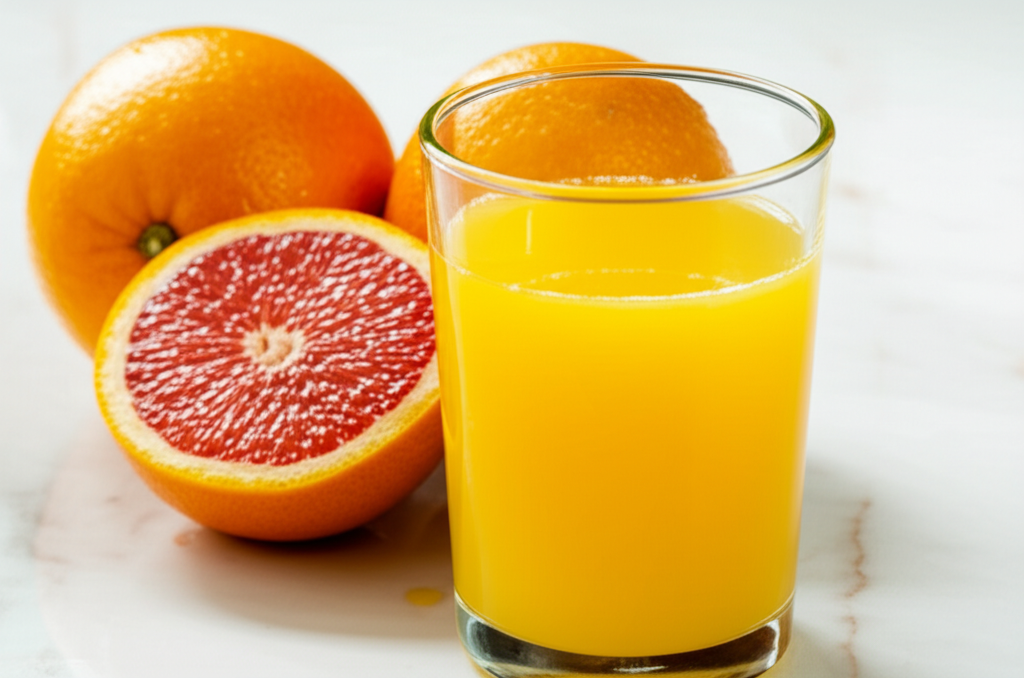
Does orange juice have gluten? The shocking truth is that pure, 100% orange juice is naturally gluten-free. If you’re avoiding gluten, you can usually enjoy it without worry. However, always check labels for any additives.
Key Takeaways
- Pure orange juice is naturally gluten-free.
- Avoid flavored or enhanced juices with added ingredients.
- Cross-contamination is a rare but possible risk.
- Look for “gluten-free” certification on labels.
- Store-bought juices are generally safe.
- Homemade fresh orange juice is always gluten-free.
Does Orange Juice Have Gluten? The Shocking Truth Revealed!
Are you wondering if your favorite morning beverage, orange juice, contains gluten? It’s a common question, especially if you’re following a gluten-free diet. Many people believe that because wheat, barley, and rye are common sources of gluten, other foods might sneak it in. You might be surprised to learn the simple answer. Pure orange juice is naturally gluten-free. This means that the juice squeezed directly from oranges contains no gluten at all. You can often enjoy a refreshing glass without any concern. But what about those varieties with added flavors or nutrients? Let’s explore the world of orange juice and gluten to clear up any confusion.
Understanding Gluten and Your Diet
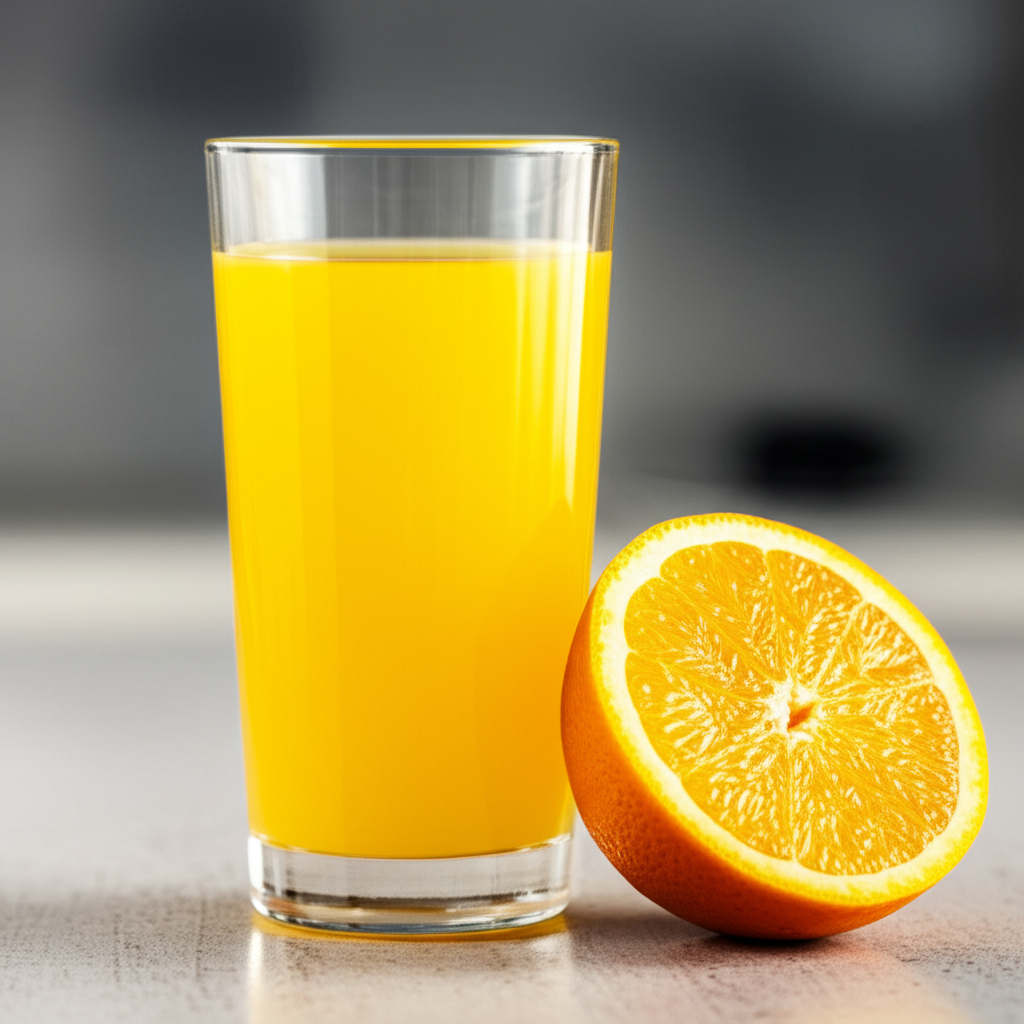
Before we dive into orange juice specifically, let’s quickly touch upon what gluten is. Gluten is a protein found in grains like wheat, barley, and rye. For people with celiac disease or non-celiac gluten sensitivity, consuming gluten can cause a range of uncomfortable and sometimes serious health issues. Symptoms can include digestive problems, fatigue, headaches, and skin rashes. This is why many people actively seek out gluten-free foods and beverages. They need to be vigilant about reading labels and understanding ingredients. Even foods that seem naturally gluten-free can sometimes be processed in ways that introduce gluten. This makes knowing what to look for on a product’s packaging crucial for a safe and healthy diet.
The Natural State of Orange Juice
Oranges themselves are fruits. Fruits do not contain gluten. When you squeeze an orange, you are extracting the liquid from the fruit’s pulp and membranes. This liquid is packed with vitamin C, potassium, and natural sugars. It’s a pure, unadulterated source of delicious flavor and nutrients. Therefore, freshly squeezed orange juice, made right in your kitchen, is inherently gluten-free. There are no grains involved in the process. It’s as natural as it gets. This makes it a fantastic choice for anyone needing to avoid gluten. You can feel confident about the purity of your homemade juice.
What About Store-Bought Orange Juice?
Most commercially produced orange juices are also gluten-free. The primary ingredients are typically orange juice concentrate and water. These are safe for gluten-free diets. However, the world of processed foods can sometimes be tricky. The main areas where gluten might become a concern in orange juice are:
- Added Ingredients: Some orange juice products are enhanced with vitamins, minerals, or flavors. Occasionally, these additives might be derived from gluten-containing sources or processed on shared equipment.
- Cross-Contamination: This is a rare but possible risk in food processing plants. If a facility processes both gluten-containing products and orange juice, there’s a small chance of gluten particles transferring to the juice.
This is why reading the ingredient list and looking for specific certifications is important when buying orange juice from the store. It’s always better to be safe than sorry when managing a gluten-free lifestyle.
Checking the Label: Your Gluten-Free Guide
The best way to ensure your orange juice is gluten-free is to check the product label. Here’s what to look for:
- Ingredient List: Scan the ingredient list for any obvious sources of gluten, such as wheat, barley, malt, or rye. While these are uncommon in plain orange juice, they might appear in flavored varieties.
- “Gluten-Free” Certification: Many products will proudly display a “Gluten-Free” logo or statement. This certification means the product has met strict standards for gluten content, usually less than 20 parts per million (ppm) of gluten. Organizations like the Gluten Intolerance Group provide standards for this certification.
- Allergen Statements: Manufacturers are required to clearly label common allergens. Look for statements like “Contains: Wheat, Soy, Milk, etc.” If gluten-containing grains are present, they should be listed here.
If you can’t find a clear “gluten-free” label and are concerned about ingredients or processing, it’s best to choose a different product or stick to freshly squeezed juice. When in doubt, a quick call to the manufacturer’s customer service line can often provide the answers you need.
Types of Orange Juice and Their Gluten Status
Let’s break down different types of orange juice you might encounter and their likely gluten status. This will give you a clearer picture of what to choose.
100% Pure Orange Juice
This is the gold standard. It means the juice is made entirely from oranges. It contains no added sugars, flavors, or preservatives.
- Gluten Status: Naturally Gluten-Free.
- Why: Made solely from fruit.
- What to Look For: Labels stating “100% Juice” or “Not from Concentrate.”
This is your safest bet for a gluten-free experience.
Orange Juice from Concentrate
This is the most common type found in supermarkets. It’s made by removing water from fresh juice to make it lighter for shipping, and then water is added back before packaging.
- Gluten Status: Generally Gluten-Free.
- Why: Basic ingredients are orange concentrate and water.
- What to Look For: Check the ingredient list for any unusual additives. Most major brands are safe.
It’s still a very safe option for most people on a gluten-free diet.
Flavored or Vitamin-Enhanced Orange Juice
These juices often have added ingredients to boost vitamin content (like Vitamin D or Calcium) or add complementary flavors (like mango or pineapple).
- Gluten Status: Potentially Contains Gluten (Check Label Carefully).
- Why: Added ingredients or flavorings could be derived from gluten sources or processed on shared lines.
- What to Look For: Scrutinize the ingredient list. Look for “gluten-free” certification. If unsure, avoid or contact the manufacturer.
This category requires the most caution.
Smoothies and Juice Blends
These often contain orange juice as a base but include other fruits, vegetables, and sometimes dairy or protein powders.
- Gluten Status: Varies Greatly (Check Label).
- Why: The presence of other ingredients, especially processed ones, increases the risk of gluten contamination.
- What to Look For: Always read the full ingredient list. Look for specific gluten-free claims.
Homemade smoothies using only fresh ingredients are the safest way to control gluten content.
Cross-Contamination: A Rare but Real Concern
While it’s uncommon for plain orange juice to be contaminated with gluten, it’s a possibility in large-scale food production. Cross-contamination can occur if equipment used to process gluten-containing ingredients is not thoroughly cleaned before being used for orange juice. For example, if a factory also makes malt beverages or baked goods using wheat, and the cleaning protocols aren’t perfect, tiny amounts of gluten could end up in the juice.
However, regulatory bodies and manufacturers take this seriously. For certified gluten-free products, rigorous testing and cleaning procedures are in place to minimize this risk. Reputable brands often go to great lengths to ensure product purity. If you have severe celiac disease or a high sensitivity, always err on the side of caution and choose products with explicit gluten-free certifications.
Homemade vs. Store-Bought: Which is Safer?
When it comes to gluten, homemade orange juice is the absolute safest option. You control everything from the oranges you pick to the juicer you use. There are no other ingredients, no processing lines, and no chance of external contamination.
Store-bought orange juice is generally very safe, especially 100% pure varieties. Major brands invest heavily in quality control. However, if you are extremely sensitive or have celiac disease, the peace of mind that comes with making your own juice can be invaluable. It also allows you to enjoy the freshest, most vibrant flavor possible!
Pro Tips for Gluten-Free Juicing
Pro Tip: When buying oranges for juicing, choose ripe, heavy oranges. They will yield more juice. Wash them thoroughly before cutting to remove any surface contaminants. If you are particularly concerned about gluten, dedicate a juicer solely for gluten-free use, or ensure it is meticulously cleaned if used for other purposes.
Nutritional Benefits of Orange Juice
Beyond its gluten-free status, orange juice offers significant nutritional benefits. It’s most famous for its high vitamin C content, which is crucial for immune function, skin health, and acting as an antioxidant. A single serving can provide more than your daily recommended intake of this essential vitamin.
Orange juice also contains potassium, important for blood pressure regulation, and folate, which is vital for cell growth. While it does contain natural sugars, enjoying it in moderation as part of a balanced diet can be a healthy choice. For those managing a gluten-free diet, it’s a delicious and nutrient-dense beverage that fits perfectly.
Juicing Oranges: A Simple Step-by-Step Guide
Making your own gluten-free orange juice is incredibly easy. Here’s how you can do it:
Tools You’ll Need:
- A sharp knife
- A cutting board
- A citrus juicer (manual or electric)
- A glass or pitcher to collect the juice
Steps to Juicing Oranges:
- Select Your Oranges: Choose ripe, firm oranges. Navel oranges are great for eating and juicing, while Valencia oranges are often preferred for their high juice content.
- Wash the Oranges: Rinse the oranges under cool running water. Gently scrub them if needed to remove any dirt or residue.
- Cut the Oranges: Slice each orange in half horizontally across the middle.
- Juice the Oranges:
- With a manual juicer: Press one half of the orange onto the reamer and twist firmly to extract the juice. Repeat with all halves.
- With an electric citrus juicer: Place one half of the orange onto the rotating reamer and press down gently. The machine will do the work.
- Strain (Optional): If you prefer pulp-free juice, pour the collected juice through a fine-mesh sieve into your glass or pitcher.
- Serve and Enjoy: Pour into a glass, add ice if desired, and drink immediately for the freshest taste and maximum nutrients.
Making juice at home ensures it’s 100% gluten-free and free from any additives. It’s a rewarding and healthy practice.
Common Mistakes to Avoid
Even with something as simple as juicing oranges, a few common mistakes can affect your outcome. Being aware of these can help you make the best juice possible.
Mistake 1: Not Washing Oranges
This is important for all produce, but especially for citrus that you’ll be juicing. Pesticides or dirt can be on the peel. Washing removes these. It also helps prevent any potential transfer of contaminants to the juice. Always give your oranges a good rinse.
Mistake 2: Using Underripe or Overripe Oranges
Underripe oranges can be sour and produce less juice. Overripe oranges might have a fermented taste or be prone to mold. Choose oranges that feel heavy for their size, indicating juiciness, and have a bright, firm peel.
Mistake 3: Not Cleaning Juicing Equipment Properly
If you are strictly gluten-free, ensure your juicer is thoroughly cleaned. If the juicer is ever used for other ingredients that might contain gluten (though unlikely for typical juicers), it’s crucial to wash it well. Use hot, soapy water and rinse thoroughly.
Mistake 4: Believing All “Orange Drinks” Are Pure Juice
Many beverages are labeled as “orange drink,” “orange punch,” or “orange soda.” These are not 100% orange juice and often contain added sugars, colors, and flavorings, some of which could potentially introduce gluten. Stick to labels that clearly say “100% Orange Juice” or make your own.
Gluten-Free Orange Juice: A Comparison Table
Here’s a quick look at different orange juice types and their gluten considerations:
| Type of Orange Juice | Primary Ingredients | Likelihood of Being Gluten-Free | Recommendation for Gluten-Free Diet |
|---|---|---|---|
| Freshly Squeezed (Homemade) | 100% Oranges | Always | Excellent Choice |
| 100% Pure Orange Juice (Store-Bought) | Orange Juice, Water | Very High | Excellent Choice |
| Orange Juice from Concentrate (Store-Bought) | Orange Concentrate, Water | High | Good Choice (Check Labels) |
| Flavored/Vitamin-Enhanced Orange Juice | Orange Juice, Added Vitamins/Flavors | Moderate (Depends on Additives) | Caution Required (Check Labels/Certifications) |
| Orange Drinks/Punches | Water, Sugar, Flavorings, Colorings, Small Amount of Juice | Low (Potential for Additives) | Avoid unless specifically labeled Gluten-Free |
FAQs About Orange Juice and Gluten
Q1: Is all orange juice gluten-free?
Pure orange juice, whether fresh or store-bought, is naturally gluten-free. However, flavored or enhanced varieties might contain additives that could introduce gluten. Always check the label.
Q2: Can I drink orange juice if I have celiac disease?
Yes, people with celiac disease can safely drink 100% pure orange juice. It is naturally gluten-free. If you are concerned about cross-contamination in store-bought juices, opt for brands with a clear “gluten-free” certification.
Q3: What should I do if I’m unsure about a specific orange juice product?
If you are unsure about the gluten content of a particular orange juice product, the best course of action is to contact the manufacturer directly. Their customer service department can provide specific information about their ingredients and processing.
Q4: Are there any hidden gluten ingredients in orange juice?
Hidden gluten ingredients are very rare in plain orange juice. They are more likely to be found in flavorings or fortification ingredients in enhanced or flavored juices. It’s always wise to read the ingredient list thoroughly.
Q5: Does pulp in orange juice affect its gluten content?
No, the pulp in orange juice comes from the orange itself and does not contain gluten. Whether your juice has pulp or is strained makes no difference to its gluten status.
Q6: Are orange juice-based smoothies safe for a gluten-free diet?
Orange juice itself is safe, but the safety of a smoothie depends on all the ingredients used. If other ingredients like protein powders, flavorings, or pre-made mixes are added, they could introduce gluten. Always check all ingredients in a smoothie.
Q7: Is it safe to buy generic brand orange juice if I need it to be gluten-free?
Generic brands can be just as safe as name brands, provided they meet the same standards. Always check the label for a “gluten-free” certification or carefully review the ingredient list. Don’t assume based on price or brand name alone.
Conclusion: Your Gluten-Free Glass of Sunshine
So, to answer the burning question: does orange juice have gluten? The simple and reassuring answer is no, pure orange juice is naturally gluten-free. It’s a wonderful, vitamin-rich beverage that can be enjoyed by almost everyone, including those on a strict gluten-free diet. Whether you’re squeezing oranges fresh in your kitchen or picking up a carton from the store, you can usually do so with confidence. Remember to always read labels, especially for flavored or enhanced varieties, and look for that trusted “gluten-free” certification when you want extra assurance. Enjoy your delicious, healthy, and gluten-free glass of sunshine!
smartblander.com is a participant in the Amazon Services LLC Associates Program, an affiliate advertising program. As an Amazon Associate, we earn from qualifying purchases made through our links.
