

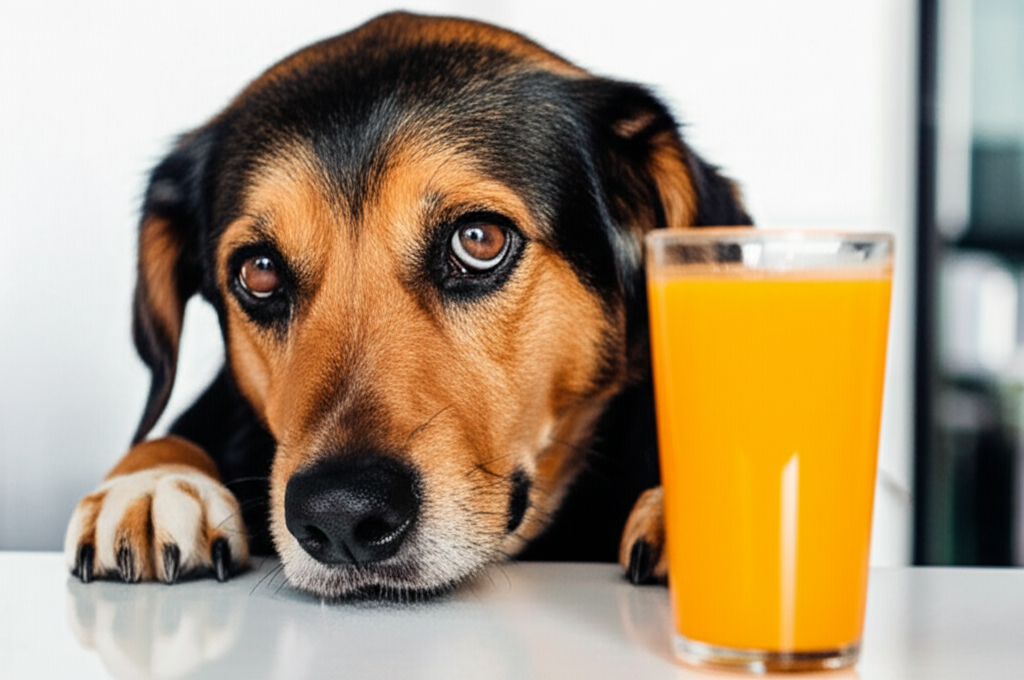
Yes, dogs can technically have a small amount of orange juice, but it’s generally not recommended due to its high sugar and acidity content. A tiny sip might be harmless for some, but it’s far from an ideal treat for your canine companion.
Key Takeaways
- Offer small, infrequent sips only.
- Avoid pure orange juice for dogs.
- Dilute with water to reduce sugar.
- Watch for digestive upset signs.
- Prioritize water as the best drink.
- Consult your vet for dietary advice.
Can Dogs Have Orange Juice? The Astonishing Truth Revealed!
As dog parents, we love to share our favorite treats with our furry friends. That’s why many of you might wonder: can dogs have orange juice? It’s a common question, especially when you’re enjoying a glass of this vibrant, vitamin-C packed beverage. The truth might surprise you, and it’s important to understand the nuances before you offer your pup a taste. We’ll break down everything you need to know, from the potential risks to safe alternatives. Get ready to become an expert on citrus and canine health!
Why the Confusion About Dogs and Orange Juice?
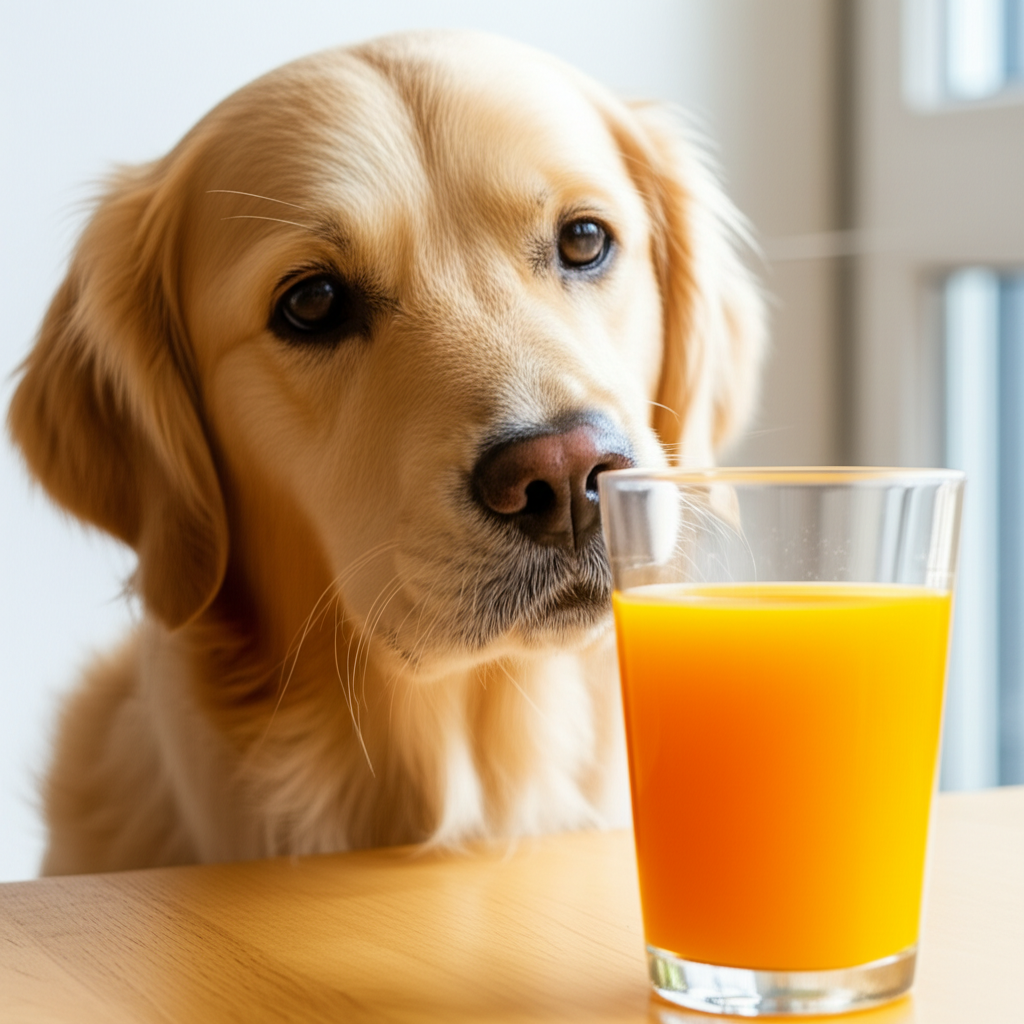
Orange juice is a staple in many human diets, celebrated for its refreshing taste and vitamin C. This makes it natural to assume it might be a good treat for our dogs too. However, a dog’s digestive system is quite different from ours. What’s healthy for us might not be suitable for them. Understanding these differences is key to keeping your dog happy and healthy.
Many owners are simply curious. They see their dogs eyeing their drinks and want to know if sharing is okay. Some might even have heard anecdotal stories of dogs enjoying orange juice. This leads to confusion because the internet offers a mixed bag of advice. We’re here to provide clear, science-backed information so you can make informed decisions for your pet’s well-being.
This article will guide you through the pros and cons, explain the potential dangers, and offer safer, healthier alternatives. You’ll learn how to interpret your dog’s needs and make smart choices about their diet. Let’s dive into the world of canine nutrition and citrus!
Understanding a Dog’s Digestive System
Dogs are omnivores with a digestive system adapted for processing a variety of foods, but it’s not designed for high concentrations of sugar or acidity found in many human beverages. Their bodies work differently than ours when it comes to breaking down and absorbing nutrients. This fundamental difference is why we can’t just give them human food and drinks without careful consideration.
Their digestive tract is shorter than ours, meaning food passes through more quickly. This can make it harder for them to process certain types of sugars and acids effectively. Unlike humans, dogs do not have the same enzymes to efficiently break down large amounts of fructose, the primary sugar in fruit juice. This can lead to digestive upset. Also, their stomach pH is more acidic than ours, but this doesn’t mean they can handle a highly acidic drink like orange juice without issues.
Furthermore, dogs produce their own vitamin C in their liver. While vitamin C is an essential nutrient, dogs typically don’t need supplemental sources unless they have a specific medical condition. This means the main benefit of orange juice for humans isn’t a significant benefit for dogs.
The Nutritional Breakdown of Orange Juice
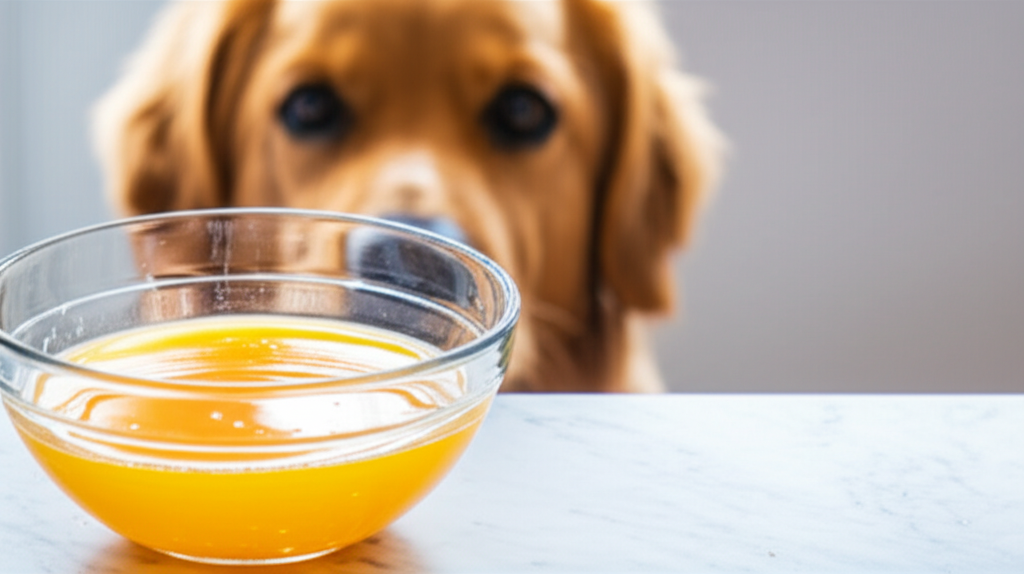
Let’s look at what’s actually in a typical glass of orange juice. Understanding these components will help us see why it might not be ideal for dogs.
Sugar Content
Orange juice, even 100% pure juice, is packed with natural sugars, primarily fructose. A standard 8-ounce serving can contain around 20-25 grams of sugar. For a small dog, this is a significant amount. High sugar intake can lead to several health problems in dogs, including weight gain, dental issues, and an increased risk of developing diabetes.
Acidity Levels
Oranges are acidic fruits. Orange juice has a pH level typically between 3.3 and 4.2. While not as acidic as some other substances, this can still be problematic for a dog’s sensitive stomach. High acidity can irritate the stomach lining, leading to symptoms like vomiting, diarrhea, and abdominal discomfort. For dogs with existing digestive sensitivities or conditions like acid reflux, orange juice can exacerbate these issues.
Vitamins and Minerals
Orange juice is famous for its vitamin C content. However, as mentioned earlier, dogs synthesize their own vitamin C. While vitamin C is an antioxidant, dogs rarely suffer from deficiency. The amount of vitamin C in a small sip of orange juice is unlikely to provide any significant health benefit to a healthy dog. Other vitamins and minerals present in orange juice, like potassium, are generally found in their regular dog food in appropriate amounts.
Can Dogs Have Orange Juice? The Risks Explained
Given the nutritional profile, offering orange juice to dogs comes with several potential risks. It’s crucial to be aware of these before even considering it as a treat.
Digestive Upset
The high sugar and acid content are the primary culprits here. Even a small amount can trigger vomiting or diarrhea in sensitive dogs. This is because their digestive systems aren’t equipped to handle such concentrated ingredients. Imagine a small child drinking a large cup of strong coffee – their system would likely react negatively, and it’s similar for dogs with undiluted orange juice.
Weight Gain and Obesity
Calories from sugary drinks add up quickly. For dogs, excess calorie intake without corresponding exercise leads directly to weight gain. Obesity in dogs is a serious health concern, contributing to joint problems, heart disease, and a shorter lifespan. A few sips here and there might seem insignificant, but they contribute to the overall caloric load your dog consumes.
Dental Health Issues
The sugar in orange juice can contribute to the growth of harmful bacteria in a dog’s mouth. This can lead to plaque buildup, tartar formation, and eventually, painful dental diseases like gingivitis and periodontitis. Regular dental care is essential for dogs, and adding sugary drinks to their diet only makes this battle harder.
Diabetes Risk
For dogs predisposed to diabetes or those already diagnosed, feeding them sugary substances like orange juice is a definite no-go. It can cause dangerous spikes in blood sugar levels, leading to serious health complications. Always discuss any dietary changes with your veterinarian, especially if your dog has pre-existing health conditions.
Potential for Allergic Reactions (Rare)
While uncommon, some dogs can have sensitivities or allergies to citrus fruits. Symptoms might include itching, skin rashes, or digestive distress. It’s always best to introduce any new food item in very small quantities and monitor your dog for adverse reactions.
What About Orange Pulp or Orange Slices?
Sometimes, people think that maybe the pulp or a small piece of the fruit itself might be better. Let’s clarify that too.
Orange Pulp
Orange pulp contains fiber, which can be beneficial in moderation. However, it still comes with the sugar and acidity of the orange. For dogs, the amount of fiber in a small amount of pulp is unlikely to cause harm but also offers minimal benefit compared to risks. It’s still best to avoid it in significant quantities.
Orange Slices
A tiny piece of fresh orange flesh, free of seeds and rind, is generally considered safe for most dogs in very small amounts. The fiber content is higher, and the sugar is less concentrated than in juice. However, the acidity remains a concern. Think of it as a rare, tiny treat. Some dogs might enjoy the texture and mild sweetness, but it should never be a regular part of their diet. Always remove seeds and rind, as these can be choking hazards or difficult to digest.
Safe Alternatives to Orange Juice for Dogs
If you want to offer your dog a refreshing drink or a healthy treat, there are much better options available. These alternatives cater to their dietary needs and provide hydration and enjoyment without the risks associated with orange juice.
Water, Water, Water!
This is the undisputed champion. Fresh, clean water should always be available to your dog. It’s essential for their overall health, regulating body temperature, lubricating joints, and transporting nutrients. If your dog seems bored with plain water, you can add a few ice cubes to their bowl or use a pet water fountain to make it more appealing.
Diluted Fruit Juices (Very Sparingly)
If you absolutely want to give a tiny taste of something fruity, dilute a very small amount of 100% fruit juice (not just orange) with a lot of water. For example, one part juice to ten parts water. Even then, stick to juices with lower acidity like apple or cranberry (unsweetened, of course). This is more of a “special occasion” diluted treat and should be given with extreme caution.
Bone Broth for Dogs
A low-sodium, specially formulated bone broth for dogs can be a wonderful, hydrating treat. It’s packed with nutrients and can be very appealing to dogs. Ensure it’s made without onions, garlic, or excessive salt, as these are toxic to dogs. Many pet stores offer safe, commercially prepared options.
Hydrating Fruits and Vegetables (Whole)
Instead of juice, offer small pieces of safe fruits and vegetables. These provide hydration, fiber, and nutrients without the concentrated sugar and acid. Good options include:
- Watermelon (seeds and rind removed)
- Cantaloupe (seeds removed)
- Apples (seeds and core removed)
- Blueberries
- Carrots
- Cucumber
These can be offered as occasional treats or added to your dog’s meals for a nutritional boost. Remember to introduce new foods gradually and in moderation.
How to Safely Offer a Tiny Sip of Orange Juice (If You Must)
While we strongly advise against regular consumption, if you find yourself in a situation where you feel compelled to let your dog have a tiny taste, follow these strict guidelines:
- Dilute Heavily: Mix one part orange juice with at least ten parts fresh water. This significantly reduces the sugar and acidity.
- Tiny Portion: Offer only a teaspoon or two for small dogs, and a tablespoon for larger breeds. Think of it as a lick, not a drink.
- Monitor Closely: Watch your dog for at least 24 hours for any signs of digestive upset (vomiting, diarrhea, lethargy) or allergic reactions.
- Frequency: This should be an extremely rare occurrence, perhaps once in a blue moon, not a regular treat.
- Consult Your Vet: If your dog has any health issues, particularly diabetes, kidney problems, or a sensitive stomach, do not offer them orange juice at all. Always consult your veterinarian before introducing any new food or drink to your dog’s diet.
Pro Tip: Understanding Your Dog’s “Why”
Dogs often beg for what we’re eating or drinking out of curiosity, habit, or because they’ve learned it gets them attention. If your dog seems interested in your orange juice, it’s usually because they want to be included or are attracted by the smell. Redirecting this behavior with a safe, dog-specific treat or a game is a much healthier and more rewarding approach for both of you.
Juicing for Your Dog: What’s Safe?
As a juicing expert, I get excited about the potential of fresh ingredients. However, when it comes to our canine friends, the rules change. While I champion fresh juice for humans, the concentration of nutrients and natural sugars in juice can be too much for dogs. This is why I always recommend offering whole fruits and vegetables to dogs instead of their juiced counterparts.
When you juice an orange, you remove the beneficial fiber. The sugars and acids become more concentrated and readily absorbed, which can be overwhelming for a dog’s system. For instance, a study by the American Society for Nutrition highlights how dietary fiber plays a crucial role in digestive health for mammals. Removing this fiber through juicing means you’re missing out on a key digestive benefit.
If you enjoy juicing and want to incorporate some of that freshness into your dog’s life, focus on safe, dog-friendly vegetables. Carrot juice, for example, can be given in very small, diluted amounts, but even then, whole carrots are a better option. Always consult with your veterinarian about appropriate fresh ingredients for your dog’s diet.
Nutritional Comparison: Orange Juice vs. Safe Dog Treats
To put things into perspective, let’s compare the typical nutritional impact of a small amount of orange juice versus a safe, dog-appropriate treat.
| Item | Approximate Serving Size | Sugar Content | Acidity Concern | Digestive Fiber | Other Benefits |
|---|---|---|---|---|---|
| 100% Orange Juice | 2 ounces (approx. 60ml) | ~20g | High | Very Low | Vitamin C (dogs produce their own) |
| Watermelon Chunks | 1/2 cup (seeds/rind removed) | ~5g | Low | Good | Hydration, Vitamin A, Lycopene |
| Apple Slices | 1/4 cup (seeds/core removed) | ~6g | Moderate | Good | Fiber, Vitamins C & K |
| Low-Sodium Bone Broth (Dog Specific) | 2 ounces (approx. 60ml) | ~0g | N/A | None | Hydration, electrolytes, joint support (glucosamine/chondroitin) |
This table clearly shows that even a small serving of orange juice contains significantly more sugar and acidity than comparable safe treats for dogs, with fewer benefits. The whole fruits and bone broth offer hydration and nutrients without the drawbacks.
What About Orange Flavored Dog Treats?
Many commercial dog treats are flavored to mimic popular human foods, including orange. These are generally formulated with dog safety in mind. The “orange flavor” is usually an artificial or natural flavoring derived from safe sources, and the sugar content is managed. If your dog enjoys the taste of orange, look for reputable brands of dog treats that use orange flavorings. Always check the ingredient list and opt for treats with minimal artificial additives and a good nutritional profile. Remember, treats should only make up a small percentage of your dog’s overall diet.
Signs Your Dog Has Had Too Much Orange Juice
If your dog accidentally ingests a significant amount of orange juice, or even a small amount if they are sensitive, watch for these signs:
- Vomiting
- Diarrhea
- Lethargy or unusual tiredness
- Abdominal pain (whining, hunching over)
- Increased thirst
- Restlessness
- Loss of appetite
If you notice any of these symptoms, contact your veterinarian immediately. They can advise you on the best course of action, which might include monitoring at home or bringing your dog in for an examination.
Frequently Asked Questions About Dogs and Orange Juice
Q1: Can my dog have a small sip of my orange juice?
While a single, tiny sip might not cause immediate harm to a healthy dog, it’s not recommended. The high sugar and acidity can still cause upset. It’s best to avoid it altogether to prevent any potential issues.
Q2: Is orange juice bad for all dogs?
Orange juice is particularly bad for dogs with diabetes, sensitive stomachs, or dental problems. For healthy dogs, a very small, diluted amount might be tolerated, but the risks generally outweigh any potential benefits.
Q3: Can puppies have orange juice?
Puppies have even more sensitive digestive systems than adult dogs. It is strongly advised not to give puppies any orange juice. Stick to puppy-specific food and water.
Q4: What if my dog licked my orange juice glass?
If your dog licked a glass with a small residue of orange juice, monitor them for any signs of digestive upset. For most healthy dogs, this minor exposure is unlikely to cause significant problems.
Q5: Are there any health benefits of orange juice for dogs?
The primary benefit for humans is vitamin C, but dogs produce their own vitamin C. Therefore, the vitamin C in orange juice offers no significant advantage for your dog. The sugar and acidity are detrimental.
Q6: Can I give my dog a whole orange?
A small piece of fresh orange flesh, without seeds or rind, can be given as an occasional treat to some dogs in moderation. However, the acidity can still be an issue for sensitive dogs. Always remove seeds and rind, and introduce slowly.
Q7: What is the best drink for my dog?
The absolute best drink for your dog is always fresh, clean water. It is essential for their health and hydration. Occasionally, a diluted, low-sodium bone broth made specifically for dogs can be a good alternative.
Conclusion: Prioritize Your Dog’s Health with Safe Hydration
So, can dogs have orange juice? The short answer is: it’s best if they don’t. While a tiny, diluted sip might not be life-threatening for a healthy dog, the risks associated with its high sugar and acidity levels far outweigh any minimal, if any, benefits. As a culinary juicing expert, I advocate for fresh, natural ingredients, but always with the understanding of who the recipient is. Our canine companions have unique dietary needs that are best met with dog-specific foods and plenty of fresh water.
By understanding your dog’s digestive system and nutritional requirements, you can make informed choices that keep them healthy and happy. Instead of reaching for the orange juice, opt for safe, hydrating alternatives like fresh water, diluted bone broth, or small portions of dog-safe fruits and vegetables. Your furry friend will thank you for it with wagging tails and vibrant health!
smartblander.com is a participant in the Amazon Services LLC Associates Program, an affiliate advertising program. As an Amazon Associate, we earn from qualifying purchases made through our links.
