

How Long Does Fresh Orange Juice Last? Uncover the Truth
Freshly squeezed orange juice is best enjoyed within 24 to 72 hours when stored properly in the refrigerator. Beyond this, its flavor, nutritional value, and safety can decline.
Key Takeaways
- Store fresh juice cold immediately.
- Airtight containers extend shelf life.
- Expect flavor changes within days.
- Discard if mold or off-smells appear.
- Pasteurization greatly increases longevity.
- Freeze for longer storage solutions.
There’s nothing quite like the vibrant taste of freshly squeezed orange juice. It’s a burst of sunshine in a glass, packed with Vitamin C and natural goodness. But once you’ve squeezed those juicy oranges, a common question pops up: how long can you actually keep this delightful nectar before it loses its magic? Many home juicing enthusiasts find themselves wondering about the shelf life of their homemade concoctions. It’s a simple question with surprisingly nuanced answers, and understanding them can help you get the most flavor and nutrition from your efforts. Let’s uncover the truth about how long fresh orange juice lasts and how to keep it tasting its best.
Understanding the Freshness Factor: Why It Matters
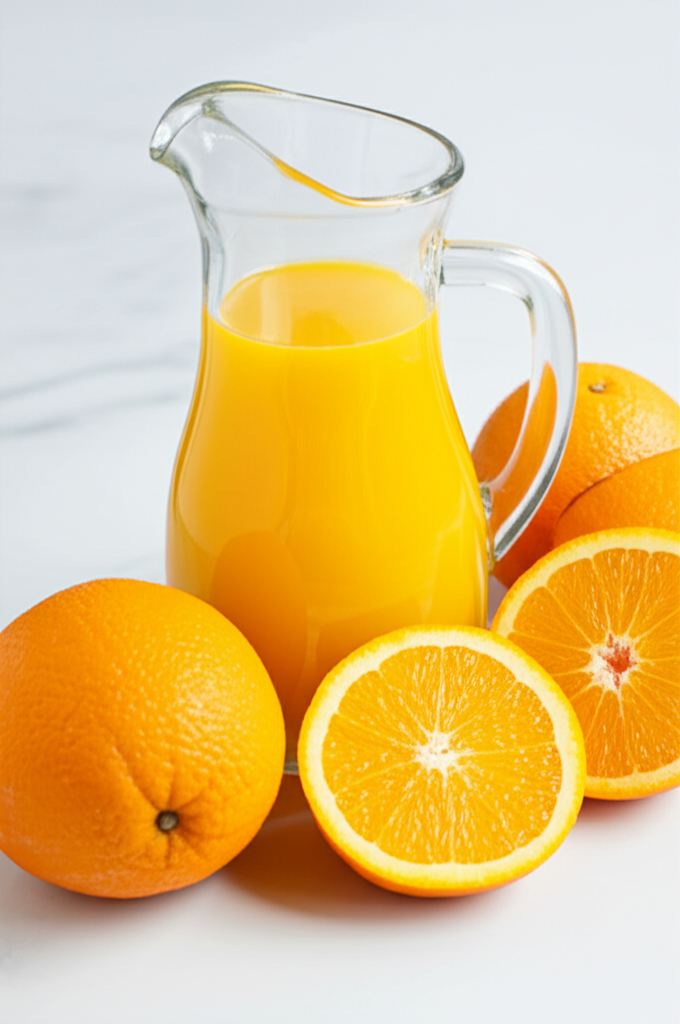
When you juice an orange, you break open its protective peel, exposing the delicate pulp and juice to the air. This exposure is where the clock starts ticking on freshness. Unlike store-bought juices, which often undergo pasteurization or other preservation methods, fresh, unpasteurized juice is a living product. It contains natural enzymes and nutrients that are highly susceptible to degradation.
Think of it like a cut apple: it starts off crisp and bright, but left out, it quickly browns and softens. Fresh orange juice is similar, though the changes are more subtle at first. Factors like oxidation, enzyme activity, and the potential for microbial growth all play a role in how long your juice remains at its peak. This is why understanding storage and handling is crucial for enjoying that pure, vibrant orange flavor.
The Shelf Life Spectrum: From Fridge to Freezer
The lifespan of your fresh orange juice depends on several key factors. We’ll break down the general timelines you can expect and the conditions that influence them.
Refrigerated Fresh Orange Juice: The Short Game
This is where most home-squeezed juice lands. The refrigerator is your primary tool for slowing down the natural processes that degrade juice.
Optimal Flavor and Nutrition: For the absolute best taste and maximum Vitamin C content, aim to consume your fresh orange juice within 24 to 48 hours. During this window, the juice is vibrant, the aroma is bright, and the nutritional benefits are at their peak.
Acceptable Consumption: You can typically extend this to 3 days (72 hours) without significant loss of quality. The flavor might mellow slightly, and you may notice a very subtle change in texture, but it’s still perfectly enjoyable for most people.
Approaching the Limit: By day 4 or 5, you’ll likely start noticing more pronounced changes. The sweetness may diminish, a slightly bitter or “off” taste might emerge, and the color could become less vibrant. While it might not be unsafe yet, the sensory experience will be less satisfying.
Factors Affecting Refrigerated Shelf Life
Several elements influence how long your refrigerated juice stays good:
Type of Orange: Different orange varieties have slightly different juice compositions, which can subtly affect shelf life. Valencia and Navel oranges are common choices, and their juices generally follow the guidelines above.
Juicing Method:
Citrus Juicers (Manual or Electric): These tend to incorporate less air into the juice, which can help preserve freshness slightly longer.
Centrifugal Juicers: These can introduce more air, potentially speeding up oxidation.
Masticating (Slow) Juicers: These are often considered best for preserving nutrients and freshness as they minimize heat and oxidation.
Preparation and Storage: This is HUGE!
Cleanliness: Ensuring your juicer, containers, and hands are impeccably clean is paramount. Any lingering bacteria can accelerate spoilage.
Container Type: Use glass or BPA-free plastic containers. Always opt for those with airtight lids.
Filling the Container: Fill your storage container as close to the brim as possible. This minimizes the amount of air (headspace) in the container, reducing oxidation.
Immediate Refrigeration: Juice should be refrigerated immediately after squeezing. Don’t let it sit on the counter, even for a short time.
Pro Tip: If you’re juicing a large batch, consider using smaller containers to store portions. This way, you only open one container at a time, minimizing air exposure for the remaining juice.
Frozen Fresh Orange Juice: The Long Game
If you want to preserve your fresh orange juice for longer periods, freezing is an excellent option. Freezing effectively halts most microbial activity and significantly slows down enzymatic and oxidative processes.
Storage Time: Properly frozen fresh orange juice can last for 6 to 12 months.
Quality Considerations: While safe to consume for up to a year, the quality might begin to decline after about 6 months. The flavor can become less bright, and the texture might change slightly upon thawing.
Thawing: Thaw frozen juice in the refrigerator. This allows it to gradually return to a drinkable temperature without shocking the cells and potentially affecting texture. Avoid thawing at room temperature, as this can lead to bacterial growth.
Tips for Freezing Orange Juice:
Leave Headspace: When filling containers for freezing, leave about an inch of headspace at the top. Liquid expands when frozen, and this prevents your containers from cracking or lids popping off.
Airtight Containers: Use freezer-safe, airtight containers or heavy-duty freezer bags.
Portioning: Freeze juice in smaller portions (e.g., ice cube trays, small jars) so you can thaw only what you need at a time.
When to Say Goodbye: Signs of Spoilage
Even with proper storage, fresh orange juice won’t last forever. It’s essential to know the warning signs that indicate it’s time to discard it. Trust your senses!
Visual Cues:
Mold: Any visible fuzzy growth, especially on the surface or along the rim of the container, is a clear sign of spoilage. Do not attempt to scoop it out; discard the entire batch.
Cloudiness: While some natural pulp can make juice appear cloudy, a sudden or extreme increase in cloudiness, or sediment that looks unusual, can be a warning.
Color Change: A significant darkening or dulling of the vibrant orange color can indicate oxidation and degradation.
Olfactory Clues (Smell):
Off Odors: Fresh orange juice should smell bright and citrusy. If it smells sour, fermented, alcoholic, or generally unpleasant, it’s time to toss it.
Gustatory Clues (Taste):
Sourness or Bitterness: A distinctly sour or unpleasantly bitter taste, beyond the natural tartness of oranges, is a sign of spoilage.
Fizziness: A slight fizziness can sometimes indicate early fermentation.
Important Note: If you have any doubt about the safety of your fresh orange juice, it’s always best to err on the side of caution and discard it. Foodborne illnesses are not worth the risk.
The Science Behind the Shelf Life: Oxidation and Microbes
To truly understand how long fresh orange juice lasts, it helps to touch upon the science involved.
Oxidation: The Air’s Effect
When oxygen comes into contact with the juice, it initiates a process called oxidation. This is similar to how a cut apple turns brown. In orange juice, oxidation leads to:
Nutrient Loss: Vitamin C (ascorbic acid) is particularly vulnerable to oxidation. This is one of the primary reasons why fresh juice loses some of its nutritional punch over time.
Flavor Changes: Oxidation can break down volatile aromatic compounds, leading to a duller, less vibrant flavor. It can also produce compounds that contribute to off-flavors.
Color Degradation: The bright orange hue can fade as oxidation occurs.
This is why minimizing air exposure by using airtight containers and filling them to the brim is so critical.
Microbial Growth: The Unseen Invaders
Oranges, even when washed, can carry small amounts of naturally occurring bacteria, yeasts, and molds. When you juice them, you create a liquid environment rich in sugars and nutrients – a perfect breeding ground for these microorganisms.
Yeast: Can lead to fermentation, producing alcohol and a sour taste.
Mold: Visibly spoils the juice and can produce harmful toxins.
Bacteria: Can cause a range of spoilage and, in some cases, lead to foodborne illness.
Refrigeration significantly slows down the growth of most microbes, but it doesn’t stop it entirely. This is why even properly stored juice has a limited shelf life. Pasteurization, a heat treatment process used in commercial juices, kills most of these microorganisms, extending shelf life dramatically. However, this process also reduces the natural enzymes and can slightly alter the flavor and nutrient profile.
Comparing Fresh vs. Store-Bought Orange Juice
It’s helpful to see how your homemade juice stacks up against its commercially produced counterparts.
| Feature | Freshly Squeezed Orange Juice | Store-Bought Pasteurized Orange Juice |
| :—————- | :———————————————————– | :————————————————————— |
| Shelf Life | 1-3 days refrigerated; 6-12 months frozen | Weeks to months unopened; several days after opening (refrigerated) |
| Nutrient Content | Highest in Vitamin C and natural enzymes; degrades quickly | Lower Vitamin C (often fortified); enzymes largely deactivated |
| Flavor Profile| Vibrant, fresh, pure orange taste | Can be less intense; sometimes slightly cooked or altered |
| Texture | Can contain natural pulp; smooth or slightly fibrous | Often filtered smooth; can be slightly watery |
| Preservatives | None | None typically, but pasteurization is a preservation method |
| Cost | Can be higher depending on orange prices | Generally more economical |
| Preparation | Requires juicing equipment and immediate storage | Ready to drink |
This comparison highlights the trade-offs. Fresh juice offers superior flavor and peak nutrition but demands more attention to storage and consumption timing. Store-bought juice offers convenience and a much longer shelf life due to processing.
Maximizing Freshness: Your Actionable Guide
Ready to make the most of your fresh orange juice? Follow these simple steps:
1. Choose Wisely: Select ripe, firm oranges. Wash them thoroughly before juicing.
2. Juice Efficiently: Use a juicer that suits your needs. Clean it thoroughly after each use.
3. Minimize Air: Fill your storage container to the very top, leaving minimal headspace.
4. Seal Tightly: Use an airtight lid on a glass or BPA-free plastic container.
5. Chill Immediately: Refrigerate the juice as soon as it’s squeezed and bottled.
6. Store Cold: Keep the refrigerator temperature consistently cold (below 40°F or 4°C).
7. Consume Promptly: Aim to drink within 1-3 days for the best experience.
8. Consider Freezing: For longer storage, freeze in appropriate containers, leaving headspace.
Exploring Orange Juice Variations and Their Shelf Life
While plain orange juice is a classic, you might experiment with other citrus blends or add-ins. How do these affect shelf life?
Orange and Lemon/Lime Juice: Adding acidic citrus like lemon or lime can slightly increase the overall acidity of the juice, which may offer a very minor boost to shelf life by making the environment slightly less hospitable to some microbes. However, the general 1-3 day rule still applies.
Orange Juice with Pulp: The presence of pulp doesn’t significantly alter the shelf life compared to strained juice. The main factors remain oxidation and microbial growth.
Orange Juice with Other Fruits/Vegetables: If you’re blending oranges with other produce (like apples, carrots, or greens), the shelf life can be shorter. Other fruits and vegetables may contain more enzymes or microorganisms that can speed up spoilage. It’s best to consume these mixed juices within 24 hours.
Orange Juice with Added Sweeteners or Spices: Adding sugar or spices typically doesn’t extend the shelf life of fresh juice. In fact, added sugars could potentially feed any present microbes faster.
Frequently Asked Questions About Fresh Orange Juice Shelf Life
Here are some common questions beginners have about keeping their fresh orange juice tasty and safe.
Q1: Can I drink fresh orange juice if it’s been in the fridge for 4 days?
It’s generally best to consume fresh orange juice within 3 days. By day 4, the flavor may have started to decline, and the risk of microbial activity increases. Always check for signs of spoilage (mold, off-smells, or sour taste) before deciding. If in doubt, it’s safer to discard it.
Q2: Does freezing fresh orange juice affect its Vitamin C content?
Freezing significantly slows down the degradation of Vitamin C, much more so than refrigeration. While some minimal loss might occur over very long periods, frozen orange juice retains a good portion of its Vitamin C content. It’s a great way to preserve this important nutrient.
Q3: Is it safe to drink orange juice if I see a little bit of foam on top?
A small amount of foam right after juicing might be due to aeration. However, if foam develops after it’s been stored, especially if it looks cloudy or has an unusual smell, it could indicate early fermentation or spoilage. It’s best to be cautious and discard it if you’re unsure.
Q4: How can I tell if my fresh orange juice has gone bad?
Look for visual signs like mold or significant cloudiness. Smell for any sour, fermented, or unpleasant odors. Taste a tiny amount; if it’s unusually sour, bitter, or has an “off” flavor, it has gone bad. Trust your senses!
Q5: Should I strain my fresh orange juice before storing it?
Straining isn’t strictly necessary for shelf life. However, if you prefer a smoother texture, you can strain it. The main factor for longevity is minimizing air exposure and keeping it cold. Whether you strain or not, store it in an airtight container filled to the brim.
Q6: Does adding a splash of lemon juice help preserve fresh orange juice?
Adding a small amount of lemon juice (which is more acidic) might slightly increase the overall acidity of the juice, making it a tiny bit less hospitable to some bacteria. However, this effect is minimal and doesn’t significantly extend the shelf life beyond the typical 1-3 days. Proper cold storage and airtight containers are far more critical.
Conclusion: Enjoying Your Freshly Squeezed Sunshine
So, how long does fresh orange juice last? The truth is, it’s a fleeting pleasure, meant to be savored relatively soon after it’s made. For that peak flavor and maximum nutritional benefit, aim to drink your homemade orange juice within 1 to 3 days, always storing it in a tightly sealed container in the coldest part of your refrigerator. If you want to preserve it for longer, freezing is an excellent, nutrient-preserving method that can keep your juice delicious for up to a year.
By understanding the simple science of oxidation and microbial growth, and by following best practices for storage, you can confidently enjoy the vibrant taste and healthy benefits of your freshly squeezed creations. Don’t let that beautiful juice go to waste – drink it, share it, or freeze it, and keep that sunshine in a glass flowing!
smartblander.com is a participant in the Amazon Services LLC Associates Program, an affiliate advertising program. As an Amazon Associate, we earn from qualifying purchases made through our links.
