

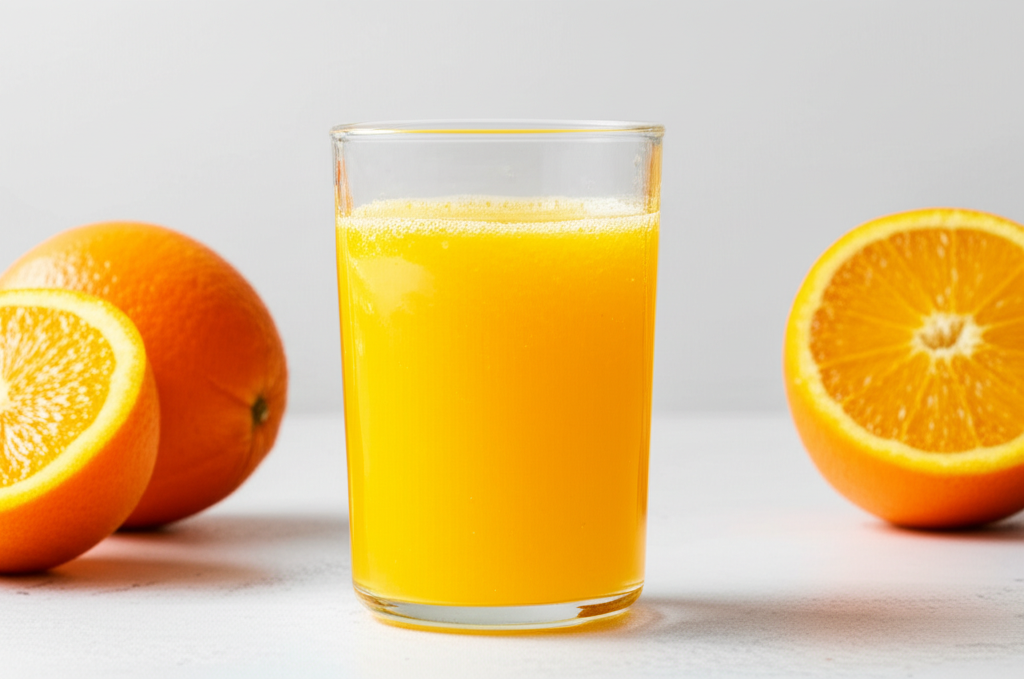
Fresh orange juice is best enjoyed within a very short window to savor its vibrant flavor and maximum nutritional benefits. Generally, freshly squeezed orange juice can last for 24 to 72 hours when properly stored in the refrigerator.
Key Takeaways
- Squeeze juice just before drinking for peak freshness.
- Refrigerate promptly in an airtight container.
- Consume within 24-72 hours for best taste and nutrients.
- Discard if it smells off or looks separated.
- Freezing extends shelf life for months.
How Long Can Fresh Orange Juice Last? Uncover Truths!
There’s nothing quite like the taste of freshly squeezed orange juice. It’s bright, tangy, and bursting with sunshine. But once you’ve squeezed those juicy oranges, a common question pops up: how long can this delicious nectar actually last? It’s a question many home juicing beginners ponder. You want to enjoy your hard work, but you also want to be safe and savor the best flavor. This guide will help you understand the lifespan of your homemade orange juice, from the moment it leaves the fruit to how to store it best. Let’s uncover the truths so you can sip with confidence!
The Science Behind Fresh Orange Juice’s Shelf Life
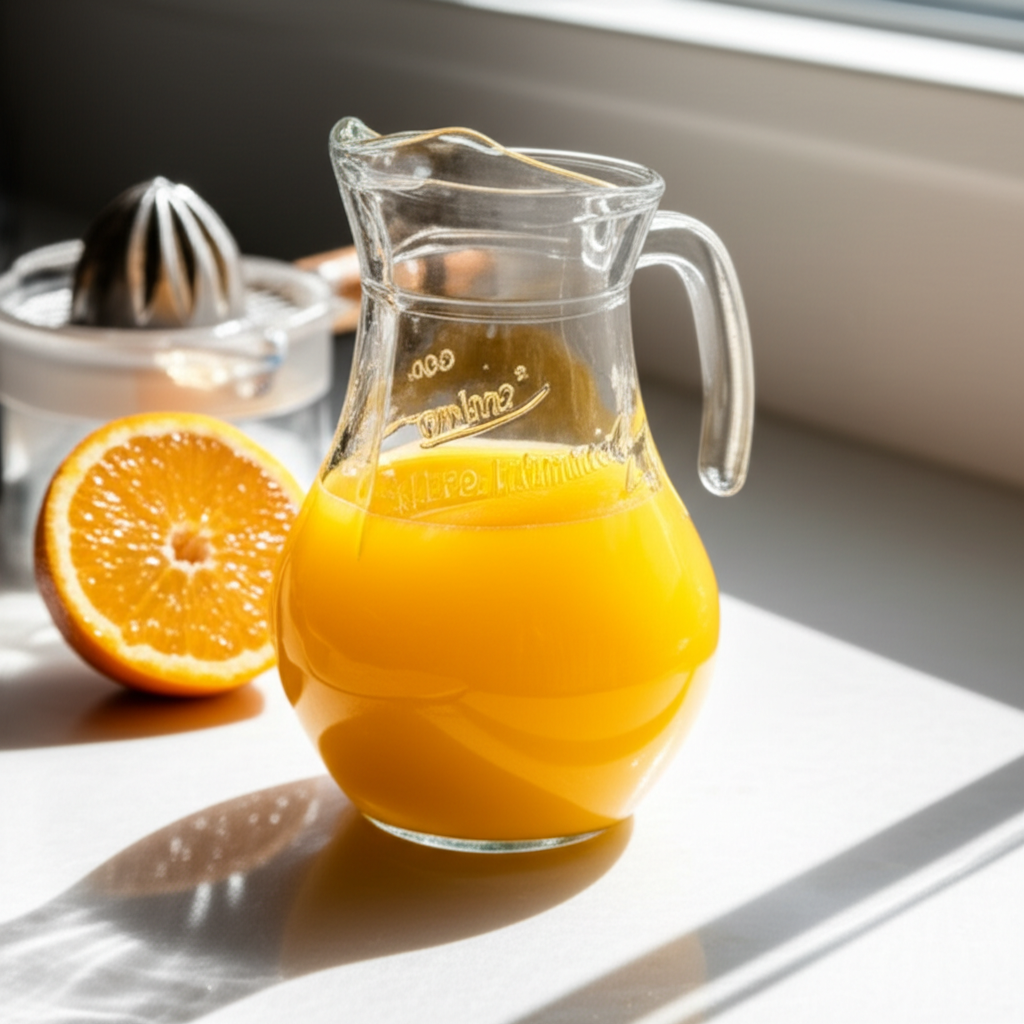
Understanding why fresh orange juice doesn’t last forever is key to enjoying it safely. Unlike store-bought juice, which often undergoes pasteurization to kill bacteria and extend shelf life, fresh juice is a raw, living product. This means it contains natural enzymes and beneficial microbes, but also has the potential for spoilage.
Several factors influence how long your fresh orange juice remains good:
- Enzymatic Activity: Oranges contain enzymes that, once exposed to air and light, can start to break down nutrients and alter the flavor over time.
- Oxidation: Exposure to air causes oxidation, similar to how an apple turns brown when cut. This process degrades vitamin C and can lead to a stale taste.
- Microbial Growth: Even in a refrigerator, tiny amounts of bacteria or yeast can be present. Over time, these can multiply, leading to fermentation or spoilage.
- Fruit Quality: The initial freshness and ripeness of the oranges you use play a significant role. Overripe or bruised fruit can introduce more spoilage organisms.
The U.S. Department of Agriculture (USDA) provides extensive resources on food safety, emphasizing that perishable foods, including fresh juices, require careful handling and prompt consumption. They highlight that improper storage can lead to rapid bacterial growth, even at refrigerated temperatures. For more detailed food safety guidelines, you can refer to the USDA Food Safety and Inspection Service.
How Long Can Fresh Orange Juice Last? The Golden Rule
The most straightforward answer to “how long can fresh orange juice last?” is: as short as possible for the best experience.
For optimal flavor and nutritional value, freshly squeezed orange juice is best consumed within 24 hours of preparation. This is when the vitamin C content is at its highest, and the flavor is the most vibrant and refreshing. Think of it like a freshly picked flower – it’s most beautiful right after being cut.
However, if you store it correctly, you can extend this window. Here’s a breakdown of expected timelines:
Optimal Consumption Window (24-48 Hours)
If you squeeze your juice and immediately store it in a clean, airtight container in the coldest part of your refrigerator, it will generally remain good for up to 48 hours. The flavor will still be excellent, and you’ll retain most of the vitamin C. This is the sweet spot for enjoying homemade orange juice.
Acceptable but Diminished Quality (48-72 Hours)
You might still be able to drink your orange juice on the third day, but you’ll likely notice some changes. The bright citrus aroma might be less pronounced, and the taste might be slightly less zesty. Vitamin C levels will have dropped further. It’s still safe to drink if it smells and tastes okay, but it’s past its prime.
Beyond 72 Hours: Proceed with Caution
After three days, the risk of spoilage increases significantly. While it might not always be visibly or noticeably spoiled, the nutritional quality will be compromised, and the flavor may be off. It’s generally best to discard juice that is older than 72 hours, especially if you are concerned about food safety.
Factors Affecting Your Orange Juice’s Lifespan
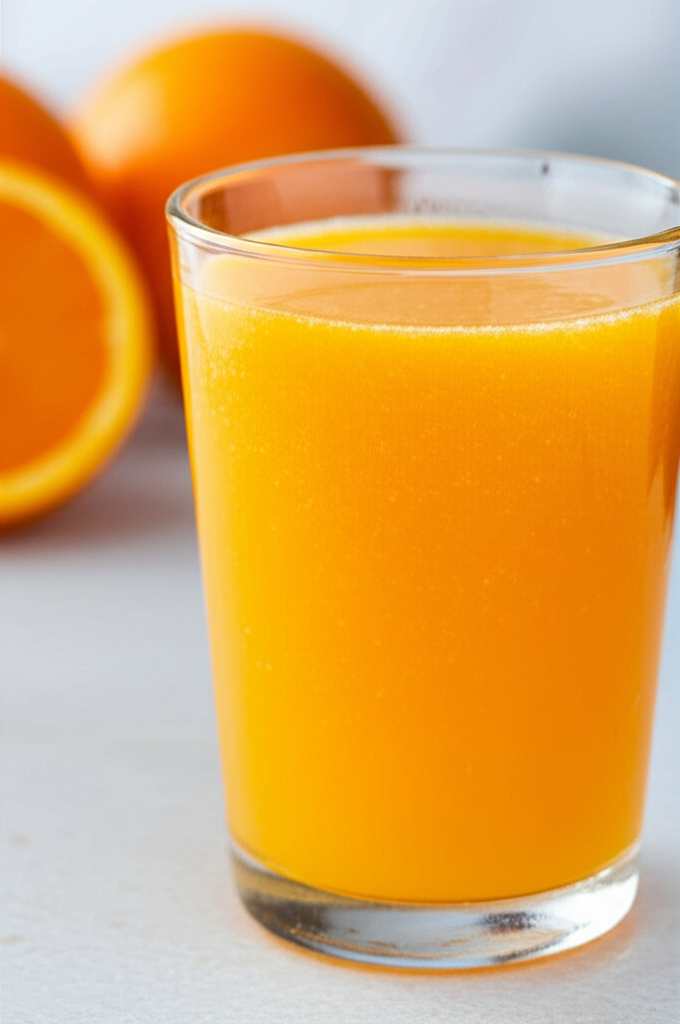
Beyond the general guidelines, several specific factors can influence how long your fresh orange juice will truly last:
1. Storage Container
The type of container you use is crucial. For maximum freshness, you need a container that:
- Is Airtight: This minimizes exposure to oxygen, which causes oxidation and spoilage. Glass jars with tight-fitting lids or high-quality BPA-free plastic containers are excellent choices.
- Is Opaque or Stored in Darkness: Light can degrade vitamin C. While not as critical as an airtight seal, minimizing light exposure helps.
- Is Clean: Any residue from previous use can introduce bacteria. Always wash your containers thoroughly before filling them with juice.
Filling the container to the brim is also a good practice. This leaves minimal air space, further reducing oxidation.
2. Refrigeration Temperature
A consistently cold refrigerator temperature is vital. The ideal temperature for storing perishable foods, including fresh juice, is below 40°F (4°C). Temperatures above this can accelerate bacterial growth and spoilage. If your refrigerator has a dedicated “cold zone,” that’s the best place for your juice.
3. Juicing Method
The way you extract the juice can also have a minor impact:
- Centrifugal Juicers: These can introduce more air into the juice, potentially speeding up oxidation.
- Masticating (Slow) Juicers: These tend to produce juice with less air exposure, which might last slightly longer.
- Hand Squeezing: This method introduces minimal air and is excellent for short-term preservation.
Regardless of the method, the key is to minimize air contact once juicing is complete.
4. Presence of Pulp
Juice with pulp might have a slightly shorter shelf life than strained juice. The pulp contains more organic material that can potentially harbor bacteria or speed up degradation. However, many prefer pulp for its texture and added fiber.
How to Tell if Your Fresh Orange Juice Has Gone Bad
Trust your senses! These are the most reliable indicators that your fresh orange juice is no longer good to drink:
- Smell: Fresh orange juice has a bright, citrusy aroma. If it smells sour, fermented, vinegary, or “off” in any way, it’s time to discard it.
- Appearance: Look for changes in color (dullness, browning), or if there’s any mold growth. You might also see excessive separation or a cloudy, murky appearance that wasn’t there initially.
- Taste: This is the final check. If the smell and appearance seem okay, take a small sip. If it tastes sour, fizzy (when it shouldn’t be), or unpleasant, don’t risk it.
It’s always better to err on the side of caution when it comes to food safety. If in doubt, throw it out.
Storing Fresh Orange Juice for Longer: Freezing
Want to enjoy your fresh orange juice for weeks or even months? Freezing is an excellent option! While freezing will alter the texture slightly (it will become more watery upon thawing), the flavor and nutritional content are preserved remarkably well.
Best Practices for Freezing Orange Juice:
- Juice and Strain (Optional): Juice your oranges. You can choose to strain out the pulp or leave it in, depending on your preference.
- Use Freezer-Safe Containers: Opt for airtight, freezer-safe containers or bags. Leave about an inch of headspace at the top of containers, as the liquid will expand when frozen.
- Portion Control: Consider freezing juice in smaller batches or individual servings using ice cube trays or small containers. This makes thawing only what you need much easier.
- Label and Date: Always label your frozen juice with the date it was frozen.
Frozen fresh orange juice can last for 6 to 12 months. For the best quality, aim to consume it within the first 6 months.
How to Thaw Frozen Orange Juice:
- Refrigerator Thawing: The safest and best method is to transfer the frozen juice to the refrigerator and let it thaw slowly. This can take 24-48 hours depending on the size of the container.
- Avoid Room Temperature Thawing: Do not leave frozen juice out at room temperature to thaw, as this can allow bacteria to grow quickly.
Once thawed, give the juice a good shake or stir to recombine any separated liquid. It’s ready to drink!
Pro Tips for Maximum Freshness
Want to squeeze every drop of goodness and longevity from your fresh orange juice? Here are some expert tips:
Pro Tip: To minimize oxidation, fill your airtight storage container all the way to the top, leaving no air gap. You can also place a piece of plastic wrap directly onto the surface of the juice before sealing the lid for an extra barrier against air.
Comparing Fresh vs. Store-Bought Orange Juice Lifespans
It’s helpful to understand how fresh, homemade orange juice stacks up against its store-bought counterparts in terms of shelf life.
| Type of Orange Juice | Typical Storage Method | Expected Shelf Life (Unopened) | Expected Shelf Life (Opened) | Key Differences |
|---|---|---|---|---|
| Freshly Squeezed (Homemade) | Refrigerated | N/A (made fresh) | 24-72 hours (refrigerated) | Raw, unpasteurized, highest nutrient content, shortest shelf life. |
| Pasteurized (Chilled, Not from Concentrate) | Refrigerated | 10-21 days | 5-10 days (refrigerated) | Heat-treated to kill microbes, longer shelf life, slightly reduced nutrients. |
| Pasteurized (From Concentrate) | Refrigerated | 30-45 days | 7-14 days (refrigerated) | Water removed, then added back; heat-treated. Longest refrigerated shelf life. |
| Not From Concentrate (Shelf-Stable) | Room Temperature (before opening) | 6-12 months | 5-7 days (refrigerated after opening) | Flash-heated for long-term storage. Requires refrigeration once opened. |
As you can see, the convenience of extended shelf life in store-bought juices comes from processing methods like pasteurization or aseptic packaging. Freshly squeezed juice offers the purest form but demands quicker consumption.
Nutritional Considerations: Vitamin C and Beyond
Fresh orange juice is renowned for its high vitamin C content. Vitamin C is a powerful antioxidant that supports the immune system, aids in collagen production, and helps the body absorb iron. However, vitamin C is notoriously unstable.
Studies have shown that vitamin C content in fresh juice can degrade relatively quickly:
- Within the first 24 hours, a small percentage might be lost.
- After 48 hours, the loss can be more noticeable.
- After 72 hours, a significant portion of the initial vitamin C may be gone.
This degradation is accelerated by exposure to air, light, and heat. This is why juicing just before you plan to drink it is the best way to maximize your intake of this essential nutrient.
While vitamin C is the most prominent nutrient, fresh orange juice also contains other vitamins (like folate and potassium) and beneficial plant compounds. These also degrade over time, though generally at a slower rate than vitamin C.
Common Mistakes to Avoid When Storing Fresh Orange Juice
Beginners often make a few common mistakes that can shorten the life of their fresh orange juice or even make it unsafe:
- Leaving it at Room Temperature: Never leave freshly squeezed juice out on the counter for extended periods. Bacteria can multiply rapidly at room temperature.
- Using Unclean Containers: Even a tiny amount of residue can introduce spoilage organisms.
- Not Sealing Tightly: A loosely covered container lets in air, leading to oxidation and faster spoilage.
- Storing in the Fridge Door: The fridge door experiences temperature fluctuations every time it’s opened. The main shelves in the back are colder and more stable.
- Assuming it’s Fine if it Looks Okay: Sometimes, spoilage can occur without obvious visual cues. Always rely on smell and taste, too.
Frequently Asked Questions (FAQ)
Q1: Can I drink fresh orange juice that’s been in the fridge for 4 days?
It’s generally not recommended. While it might not be harmful, the quality will be significantly diminished, and the risk of spoilage is higher. It’s best to consume it within 2-3 days.
Q2: Does adding a little lemon juice to my orange juice help preserve it?
Yes, the acidity from lemon juice can act as a mild preservative and inhibit some bacterial growth, potentially extending the shelf life by a few hours to a day. However, it won’t drastically change the overall lifespan.
Q3: My fresh orange juice looks separated. Is it still good?
Some separation is normal, especially if pulp is present. Give it a good shake or stir. However, if the separation is accompanied by an off smell or taste, it’s likely spoiled.
Q4: Can I leave fresh orange juice out overnight?
No, this is not safe. Bacteria can multiply rapidly in the “danger zone” (40°F to 140°F or 4°C to 60°C). Always refrigerate fresh juice promptly.
Q5: Does adding sugar affect how long fresh orange juice lasts?
Adding sugar can actually provide food for bacteria and yeast, potentially shortening the shelf life of fresh juice. It’s best to keep it pure for maximum freshness and nutritional benefit.
Q6: How long does fresh orange juice last in a thermos?
A thermos is designed to keep liquids hot or cold for several hours. If you put cold, freshly squeezed juice in a thermos, it should remain safely cold for about 4-6 hours. However, the quality will still degrade during this time due to oxidation. It’s not ideal for long-term storage, but fine for taking to work or a picnic.
Q7: Is fresh orange juice from a store that says “raw” safe to drink for longer than homemade?
“Raw” or “unpasteurized” juice from a store is still fresh juice. It will have a similar, or sometimes even shorter, shelf life once opened as your homemade juice because it hasn’t undergone any preservation processes. Always check the “best by” date and consume quickly after opening.
Conclusion
Understanding how long fresh orange juice can last is crucial for enjoying its peak flavor and nutritional benefits while staying safe. The golden rule remains: the sooner, the better. Aim to consume your homemade juice within 24-48 hours, stored properly in an airtight container in a cold refrigerator. While you might stretch it to 72 hours, be mindful of diminishing quality and increasing spoilage risks. Freezing offers a fantastic way to preserve your juice for months. By avoiding common mistakes and trusting your senses, you can confidently make and enjoy delicious, healthy fresh orange juice at home. So go ahead, squeeze those oranges, and savor that sunshine in a glass!
smartblander.com is a participant in the Amazon Services LLC Associates Program, an affiliate advertising program. As an Amazon Associate, we earn from qualifying purchases made through our links.
