

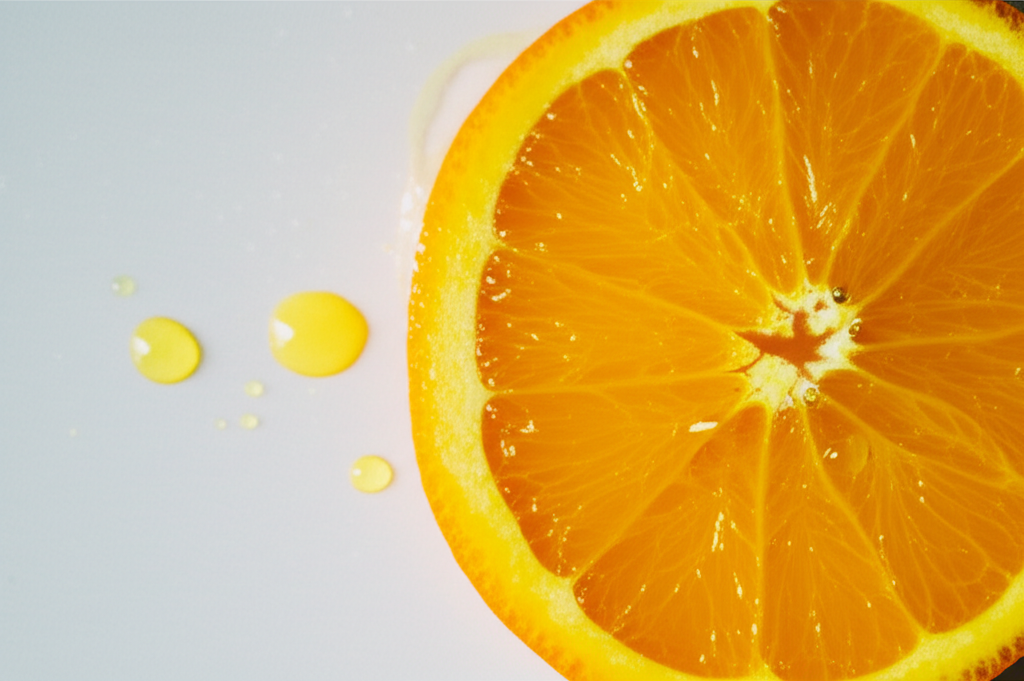
Yes, juice from an orange can stain, especially fabrics and porous surfaces. While not as aggressive as some other fruit juices, the natural pigments and acidity in orange juice can leave noticeable marks if not treated promptly. Understanding how to prevent and remove these stains is key for anyone enjoying fresh orange juice at home.
Key Takeaways
- Orange juice contains natural pigments that can stain.
- Act quickly to treat fresh orange juice stains.
- Rinse stains with cold water first.
- Pre-treat with a stain remover or detergent.
- Avoid hot water, which can set stains.
- Test cleaning solutions on an inconspicuous area.
Does Juice From An Orange Stain? Shocking Truth!
Freshly squeezed orange juice is a morning delight for many. Its bright color and zesty flavor are invigorating. But have you ever wondered if that delicious nectar could leave a lasting mark on your favorite shirt or countertop? The truth is, juice from an orange can stain. While it might not be as notorious as red wine or blueberry juice, the natural compounds in oranges can cause discoloration. Don’t let this worry you! With a little knowledge and some simple steps, you can easily prevent and tackle any accidental orange juice stains. We’ll walk you through everything you need to know, from why it happens to how to clean it up like a pro. Get ready to enjoy your citrus without the stress!
Understanding Orange Juice Stains: The Science Behind the Color
The vibrant color of orange juice comes from natural pigments called carotenoids. These are fat-soluble compounds that give many fruits and vegetables their yellow, orange, and red hues. While beautiful, these pigments can bind to fibers in fabrics and pores in surfaces, leading to stains. The acidity of orange juice also plays a role. Acidity can sometimes help break down materials, making it easier for the pigments to penetrate and adhere. This is why prompt action is so important when an orange juice spill occurs.
Think of it like this: the natural sugars and acids in the juice can slightly alter the surface they land on, and the color molecules are eager to join them. This is a natural process, not a sign of poor quality juice! The concentration of these pigments can vary depending on the type of orange and how ripe it is. Navel oranges, for example, might have a slightly different staining potential than Valencia oranges.
Factors Influencing Staining Potential
Several factors can influence how likely orange juice is to stain:
- Concentration of Juice: Pure, undiluted orange juice is more likely to stain than a watered-down version.
- Surface Type: Porous surfaces like unfinished wood, unsealed grout, or certain fabrics are more susceptible to stains than non-porous materials like glass or sealed countertops.
- Time: The longer the juice sits on a surface, the deeper it can penetrate and set, making it harder to remove.
- Heat: Heat can sometimes “cook” the stain into the material, making it permanent.
Understanding these elements helps us be proactive. For instance, if you’re juicing over a delicate tablecloth, you might want to place a protective mat underneath. If you spill on your favorite cotton t-shirt, you know to treat it immediately.
The “Shocking Truth”: Orange Juice Stains Are Real
Let’s be clear: while not as intense as some other fruit juices, orange juice definitely has the potential to stain. Many people might assume citrus is mild, but the combination of its natural color and acidity means it can leave a mark. This is especially true for light-colored clothing, carpets, or furniture. The “shocking truth” is simply that this common, healthy beverage can cause a common household problem if you’re not careful.
Imagine you’re enjoying a refreshing glass of freshly squeezed OJ after a workout. You might accidentally drip a bit onto your white gym shorts. If you don’t rinse it out right away, you could find a faint yellow or orange mark later. Similarly, if you’re preparing orange slices for a fruit salad and some juice splashes onto your granite countertop, it might leave a temporary discoloration if not wiped up quickly.
Common Scenarios Where Stains Occur
- Clothing: Spills during breakfast, accidental drips while drinking, or even juice residue on hands transferred to fabric.
- Tablecloths and Napkins: Especially noticeable on white or light-colored linens.
- Carpets and Upholstery: A dropped glass or a spill during a meal can lead to stubborn carpet stains.
- Countertops and Kitchen Surfaces: While many modern countertops are stain-resistant, prolonged exposure can still cause issues.
- Cutting Boards: Wooden or plastic cutting boards can absorb the juice over time.
It’s helpful to be aware of these common situations so you can take preventative measures. Keeping a clean cloth handy in the kitchen is always a good idea!
Preventing Orange Juice Stains: Your First Line of Defense
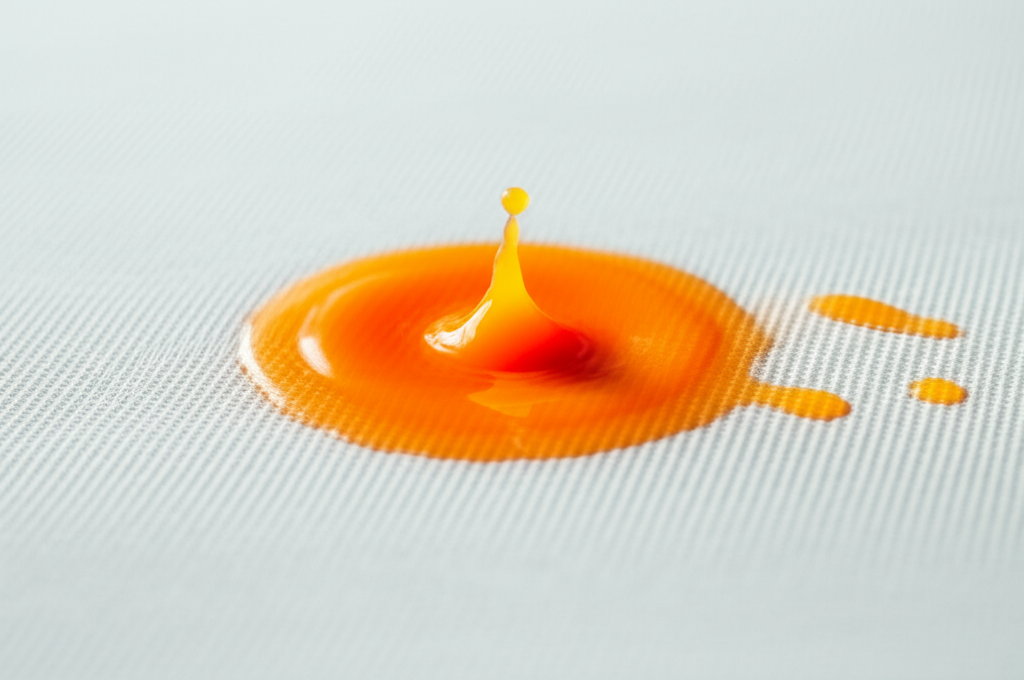
The best way to deal with stains is to prevent them from happening in the first place! Simple habits can make a big difference when you’re working with fresh juice.
Tips for Prevention
- Use a Mat: When juicing or preparing oranges, place a tray, mat, or old towel underneath to catch any drips or splashes.
- Pour Carefully: Pour juice slowly and directly into glasses, avoiding overfilling.
- Clean Up Spills Immediately: This is the golden rule. Don’t let juice sit. A quick wipe-down can save you a lot of trouble.
- Rinse Tools Promptly: Wash juicers, knives, and cutting boards soon after use to prevent dried-on juice residue.
- Wear an Apron: Especially when dealing with larger quantities or if you’re prone to spills.
These preventative measures are easy to incorporate into your routine. Think of them as part of the enjoyable process of making and consuming fresh juice.
How to Remove Orange Juice Stains: A Step-by-Step Guide
Accidents happen, and that’s okay! If you do find an orange juice stain, don’t panic. Here’s how to tackle it effectively.
For Fabrics (Clothing, Linens, Upholstery)
- Rinse with Cold Water: As soon as possible, flush the stained area with cold water from the back of the fabric. This helps push the juice out rather than deeper into the fibers. Avoid hot water, as it can set the stain.
- Pre-treat the Stain: Apply a liquid laundry detergent or a stain remover directly to the stained area. Gently rub the fabric together or use a soft brush to work the cleaner in. Let it sit for about 5–10 minutes.
- Wash as Usual: Launder the item in cold water with your regular detergent.
- Check Before Drying: Before putting the item in the dryer, check if the stain is completely gone. Heat from the dryer can make a lingering stain permanent. If the stain persists, repeat the pre-treatment and washing steps. You can also try soaking the item in a solution of oxygen bleach and water if the fabric allows.
For upholstery and carpets, blot the stain with a clean cloth dampened with cold water, then follow with a mild detergent solution. Always test cleaning solutions on an inconspicuous area first.
For Hard Surfaces (Countertops, Tables)
- Wipe Immediately: Use a damp cloth to wipe up any fresh spills.
- Mild Soap and Water: For dried-on residue, use a soft cloth with warm water and a mild dish soap.
- For Stubborn Stains: On non-porous surfaces, a paste of baking soda and water can be gently rubbed onto the stain. Let it sit for a few minutes, then wipe clean. For tougher stains on granite or quartz, a diluted solution of hydrogen peroxide might be effective, but always test in a hidden spot first.
- Rinse and Dry: Ensure all cleaning residue is rinsed away, and dry the surface thoroughly.
For porous surfaces like unfinished wood or grout, you might need a specialized cleaner. Be cautious with abrasive cleaners, as they can scratch surfaces.
Choosing the Right Tools and Supplies
Having the right supplies on hand makes stain removal much easier. Here’s a quick list:
| Item | Purpose | Notes |
|---|---|---|
| Clean Cloths/Paper Towels | Immediate spill cleanup | Absorbent and disposable or reusable |
| Cold Water | Initial rinse for fabric stains | Crucial to prevent setting |
| Liquid Laundry Detergent | Pre-treatment for fabrics | Use a color-safe formula |
| Stain Remover Spray/Gel | Pre-treatment for tougher stains | Follow product instructions |
| Mild Dish Soap | General cleaning for hard surfaces | Effective and gentle |
| Baking Soda | Mild abrasive for surfaces | Make a paste with water |
| Hydrogen Peroxide (3%) | For stubborn stains on certain surfaces | Dilute and test first |
Always refer to the care instructions for your specific fabrics and surfaces. If you’re unsure about a particular cleaning product, it’s better to start with the mildest option.
External Resources for Stain Removal
For more in-depth information on fabric care and stain removal, you can consult reliable sources. The American Cleaning Institute offers a wealth of knowledge on tackling various household stains, including those from fruits. They provide scientifically backed advice that can help you understand the best practices for keeping your belongings looking their best.
When dealing with delicate fabrics or antique rugs, professional cleaning might be the safest option. However, for most everyday situations, the methods described above will be highly effective.
Pro Tips for Dealing with Orange Juice Stains
As a culinary juicing expert, I’ve seen my share of spills! Here are a few extra tips to keep in your arsenal:
- The Power of Salt: For fresh liquid spills on carpets, quickly sprinkle a generous amount of salt over the wet spot. Salt can help absorb the liquid. Let it sit for a few minutes, then vacuum it up. Follow with a damp cloth cleaning.
- Vinegar for Brightening: A weak solution of white vinegar and water can sometimes help lift stains and brighten fabrics. Always rinse thoroughly afterward.
- Sunlight as a Natural Bleach: For white fabrics, sometimes laying them in direct sunlight after washing can help fade any remaining faint stains. This works because sunlight has natural bleaching properties.
- Know Your Fabrics: Silk and wool require special care. If you spill juice on these delicate materials, it’s often best to take them to a professional dry cleaner immediately.
These little tricks can make a big difference when you’re in a pinch. Remember, the key is always to act fast and use the right method for the material.
Frequently Asked Questions (FAQ)
Q1: Is orange juice a difficult stain to remove?
A1: Orange juice stains are generally not considered difficult, especially if treated promptly. They are less stubborn than some other fruit or dye stains. The key is quick action and avoiding heat.
Q2: Can I use hot water to wash an orange juice stain out of clothes?
A2: No, never use hot water on an orange juice stain. Hot water can set the stain, making it much harder, if not impossible, to remove completely. Always start with cold water.
Q3: What is the best way to remove an old orange juice stain?
A3: For old stains, you may need to repeat the pre-treatment and washing process. Soaking the item in an oxygen bleach solution (for washable fabrics) or using a commercial stain remover designed for set-in stains can also be effective. Persistence is key.
Q4: Will orange juice stain my teeth?
A4: While acidic and colored, orange juice is unlikely to cause significant, permanent staining on teeth with occasional consumption. However, the acidity can temporarily erode enamel, making teeth more susceptible to staining from other sources. Rinsing your mouth with water after drinking juice can help mitigate this effect. For concerns about dental health, consult your dentist.
Q5: Can orange juice stain granite countertops?
A5: Yes, prolonged exposure can cause temporary staining or etching on granite, especially if the sealant has worn off. It’s always best to wipe up spills immediately. Mild soap and water, or a baking soda paste, are usually effective for cleaning. Always test any cleaner in an inconspicuous spot.
Q6: Is it safe to use bleach on orange juice stains?
A6: Chlorine bleach can be effective on white, bleach-safe fabrics. However, it can damage colored fabrics and some synthetic materials. Oxygen bleach is a safer alternative for most washable items, including colors, as it’s gentler and more environmentally friendly. Always check the garment’s care label.
Q7: What if the stain is on a delicate fabric like silk or wool?
A7: For delicate fabrics, it’s best to avoid harsh treatments. Blot the stain gently with a cloth dampened with cold water. Then, use a specialized cleaner for delicate fabrics or take the item to a professional dry cleaner as soon as possible. Avoid rubbing vigorously, which can damage the fibers.
Conclusion
So, does juice from an orange stain? The answer is a definitive yes, but with proper knowledge and quick action, it’s a problem you can easily manage. From understanding the natural pigments at play to employing simple preventative measures and effective cleaning techniques, you can confidently enjoy your fresh orange juice without the fear of lasting marks. Remember the golden rules: act fast, use cold water first, and always test cleaning solutions. With these tips, you’re well-equipped to handle any accidental drips or spills, keeping your clothes, home, and surfaces looking their best. Happy juicing!
smartblander.com is a participant in the Amazon Services LLC Associates Program, an affiliate advertising program. As an Amazon Associate, we earn from qualifying purchases made through our links.
