

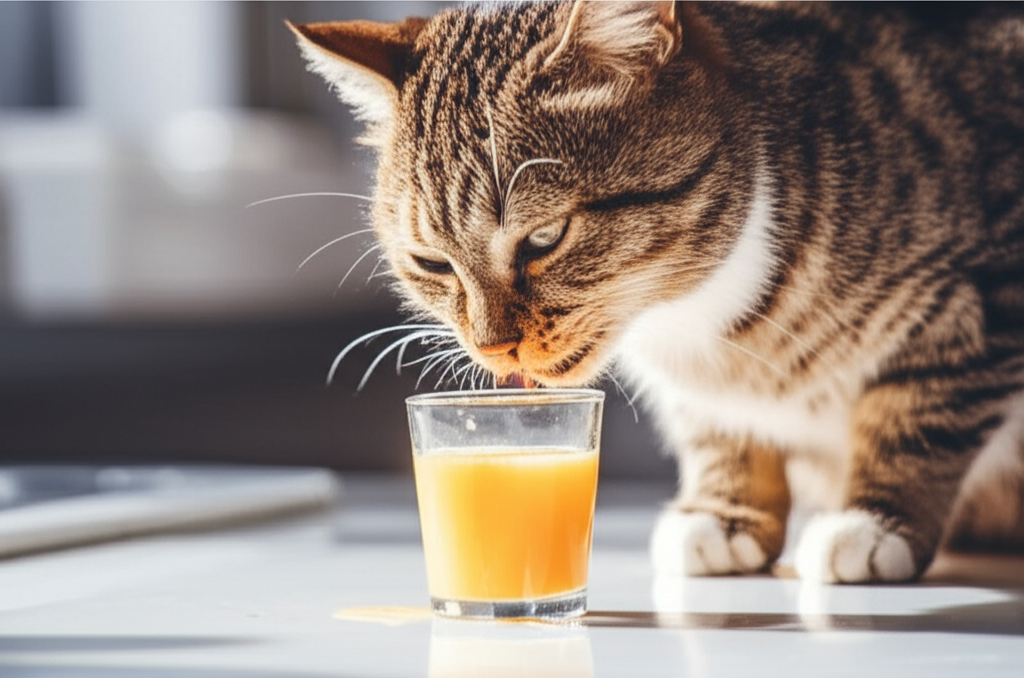
Can Cats Drink Orange Juice? The Shocking Truth Unveiled
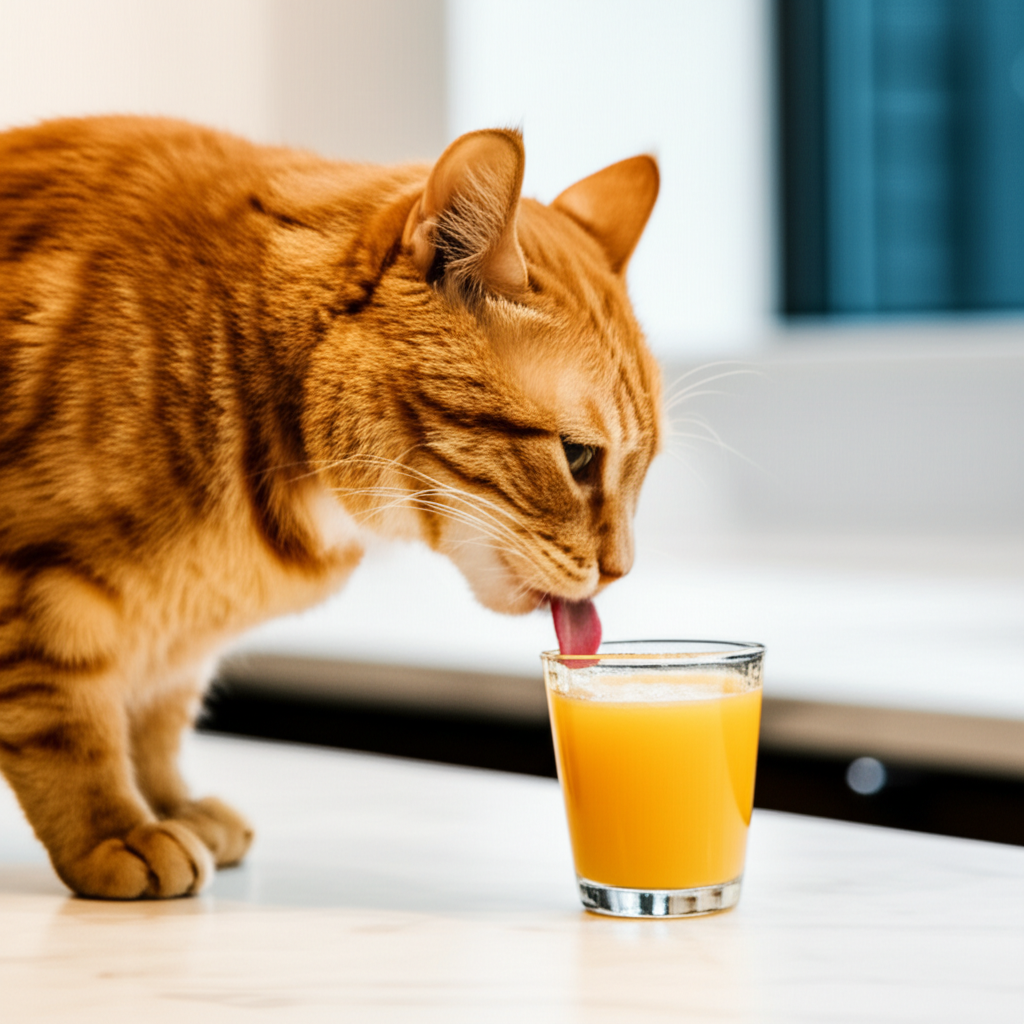
No, cats should not drink orange juice. While a small lick might seem harmless, orange juice is not suitable for feline consumption due to its high sugar content, acidity, and potential to cause digestive upset.
Key Takeaways
- Cats are obligate carnivores; their diet needs meat.
- Orange juice contains too much sugar for cats.
- Acidity in orange juice can harm a cat’s stomach.
- Water is the only safe drink for your feline friend.
- Always consult your vet for dietary advice.
Have you ever found yourself enjoying a refreshing glass of freshly squeezed orange juice and wondered if your feline companion might like a taste? It’s a common curiosity among pet parents. Many of us want to share the good things in life with our furry family members. But when it comes to what cats can and cannot consume, it’s crucial to know the facts. The truth about whether cats can drink orange juice might surprise you. This article will guide you through why citrus drinks are a no-go for your cat and what they should be drinking instead.
Understanding Your Cat’s Dietary Needs
Cats are obligate carnivores. This means their bodies are designed to thrive on a diet primarily consisting of meat. Unlike dogs or humans, cats have specific nutritional requirements that are best met by animal-based proteins and fats. Their digestive systems are short and efficient at processing meat. They lack the enzymes to properly break down and utilize many plant-based nutrients. This fundamental difference in biology is key to understanding why certain human foods, like orange juice, are problematic for them.
Their evolutionary history as desert dwellers also means cats have a naturally low thirst drive. They often get most of their hydration from the moisture content in their food. This is why a diet rich in wet food is often recommended for cats to help maintain proper hydration levels. Dry kibble, while convenient, has very little moisture, making it even more important for cats to have constant access to fresh water.
The Truth About Orange Juice and Felines
So, can cats drink orange juice? The short answer is a definitive no. While it’s tempting to think of orange juice as a healthy drink for humans, it is far from ideal for cats. Let’s break down the reasons why this vibrant beverage is not a good choice for your kitty.
High Sugar Content
Orange juice, even 100% pure juice, is packed with natural sugars. While your cat might find the sweet taste appealing, their bodies are not equipped to handle such a sugar load. Cats lack the necessary enzymes to metabolize sugars efficiently. Consuming sugary drinks can lead to several health issues for them. These include:
- Weight Gain and Obesity: Excess sugar contributes to calorie intake, which can quickly lead to weight gain. Obesity in cats is a serious health concern, increasing the risk of diabetes, arthritis, and heart disease.
- Dental Problems: Sugars feed bacteria in the mouth, leading to tooth decay and gum disease.
- Digestive Upset: A sudden influx of sugar can disrupt a cat’s sensitive digestive system, potentially causing vomiting or diarrhea.
According to the Cornell Feline Health Center, a balanced diet is crucial for feline health, and this includes carefully managing sugar intake. They emphasize that cats do not require carbohydrates or sugars for their nutritional needs.
Acidity and Digestive Issues
Oranges are citrus fruits, and citrus fruits are acidic. Orange juice has a low pH level, meaning it is acidic. A cat’s stomach is designed for a meat-based diet, which is naturally more alkaline. Introducing a highly acidic substance like orange juice can upset their delicate digestive balance.
This acidity can:
- Irritate the stomach lining.
- Lead to nausea and vomiting.
- Potentially contribute to more severe gastrointestinal problems over time.
Even a small amount of acidic liquid can cause discomfort. While a cat might not drink enough to cause a major crisis, it’s best to avoid any potential for digestive distress.
Lack of Nutritional Benefit for Cats
While orange juice is a good source of Vitamin C for humans, cats do not need supplemental Vitamin C in their diet. Cats can synthesize their own Vitamin C internally. Therefore, they do not benefit from the Vitamin C found in orange juice, and the potential downsides far outweigh any perceived benefit.
Furthermore, orange juice lacks the essential nutrients that cats do need, such as taurine and certain fatty acids, which are abundant in meat-based diets. Offering orange juice instead of water or their appropriate food means they are missing out on vital nutrients.
What Should Cats Drink? The Safest Choice
The absolute best and safest beverage for your cat is always fresh, clean water. Water is essential for all bodily functions, including digestion, nutrient transport, temperature regulation, and waste removal. Ensuring your cat has constant access to water is one of the most important aspects of their care.
Encouraging Water Intake
Some cats can be picky drinkers, or they may not drink enough. Here are some tips to encourage your cat to stay hydrated:
- Freshness is Key: Change their water daily, or even more often if possible.
- Clean Bowls: Wash water bowls regularly to prevent bacteria buildup.
- Location, Location, Location: Place water bowls away from their food bowls and litter boxes. Cats often prefer to drink from a separate area.
- Multiple Water Sources: Offer water in several locations around your home.
- Try Different Bowls: Some cats prefer ceramic, stainless steel, or glass bowls over plastic. Others may dislike the taste of water from a metal bowl.
- Consider a Cat Water Fountain: Many cats are attracted to the movement of running water and may drink more from a fountain. These can be found at most pet supply stores.
- Add Moisture to Food: If your cat eats dry food, consider adding a small amount of water to it, or transitioning to wet food, which has a high moisture content.
A study published in the PLOS ONE journal highlighted how water fountain use can increase water intake in cats, contributing to better urinary health.
What About Other Juices?
If orange juice is a no, what about other fruit juices? The general rule of thumb is that other fruit juices are also not suitable for cats. They share similar problems:
- High Sugar Content: Apple juice, grape juice, and berry juices are all high in sugar.
- Acidity: Many fruit juices are acidic, which can be hard on a cat’s stomach.
- Potential Toxins: Some fruits, like grapes and raisins, are toxic to cats and dogs. Even if the juice doesn’t contain whole fruit, it’s best to err on the side of caution.
Vegetable juices can also be problematic. While some might be lower in sugar, they can still contain ingredients that are difficult for cats to digest or may have high sodium content, especially if they are store-bought and seasoned.
Accidental Licks and Small Amounts
What if your cat sneaks a tiny lick of your orange juice? For most healthy cats, a very small, accidental lick is unlikely to cause severe harm. They might experience mild stomach upset, like vomiting or diarrhea, but it’s usually not a medical emergency.
However, it’s still best to prevent it. If your cat has any underlying health conditions, such as diabetes or kidney issues, even a small amount of sugar or acid could be more detrimental. Always supervise your cat and keep human foods and drinks out of their reach.
When to Seek Veterinary Advice
If you are ever concerned about your cat’s diet or hydration, or if they have ingested something you are unsure about, it is always best to contact your veterinarian. They can provide personalized advice based on your cat’s specific health needs and breed.
Here are some scenarios where consulting a vet is essential:
- Your cat has ingested a significant amount of orange juice or another human beverage.
- Your cat is showing signs of illness, such as vomiting, diarrhea, lethargy, or loss of appetite.
- You are considering adding any new food or drink to your cat’s diet.
- Your cat has pre-existing health conditions like diabetes, kidney disease, or a sensitive stomach.
Your vet is your most reliable resource for ensuring your cat receives the best possible nutrition and care.
DIY Cat-Safe “Treats” and Hydration Boosters
If you enjoy making fresh drinks and want to offer your cat a special treat, there are safer alternatives to human juices. These should always be given in moderation and as a supplement to their regular diet and water intake.
Simple Hydration Broth
You can make a simple, safe broth for your cat. This involves boiling plain, unseasoned chicken or turkey meat (no bones or skin) in water. Once cooked, remove the meat, and let the broth cool completely. You can offer a small amount of this plain, unsalted broth to your cat as a hydration booster. Ensure there are no added spices, onions, or garlic, as these can be harmful to cats.
Diluted Fruit Water (Use with Extreme Caution!)
Some sources suggest offering very small amounts of water that has been infused with a tiny piece of cat-safe fruit, like a slice of apple or a few blueberries. The idea is to get a hint of flavor without the sugar or acidity. However, this is still risky and not recommended for most cats, especially those with dietary sensitivities or health issues. If you choose to try this, ensure the fruit is safe, remove it entirely before offering the water, and only offer a tiny amount. Always prioritize plain water.
It’s crucial to remember that these are occasional treats and should never replace their main diet or water. The bulk of their fluid intake should always come from plain water.
Understanding Feline Digestion: A Quick Comparison
To better understand why orange juice is unsuitable, let’s look at a simplified comparison of feline and human digestion:
| Feature | Cats (Obligate Carnivores) | Humans (Omnivores) |
|---|---|---|
| Primary Diet | Meat-based proteins and fats | Varied (plants and animals) |
| Sugar Metabolism | Poor; can lead to health issues | Efficient; necessary for energy |
| Acidity Tolerance | Low; sensitive stomachs | High; can process acidic foods |
| Vitamin C Source | Synthesized internally | Dietary intake required |
| Digestive Tract Length | Short | Longer |
This table highlights the significant biological differences that make human foods like orange juice inappropriate for cats.
Common Misconceptions About Cats and Human Food
One of the biggest misconceptions is that if a cat wants to eat something, it must be safe for them. Cats are curious creatures and may try to sample a wide variety of foods. Their curiosity, however, doesn’t equate to dietary suitability.
Another misconception is that “a little bit won’t hurt.” While this might be true for some human foods in very small quantities, for foods high in sugar or acid, the cumulative effect can be damaging, especially if it becomes a habit or if the cat has underlying health issues.
Always rely on scientific understanding and veterinary recommendations rather than your cat’s immediate desires when it comes to their diet. Remember, their nutritional needs are very different from ours.
Pro Tips for Keeping Your Cat Hydrated and Healthy
As a culinary juicing expert who loves natural wellness, I often think about how to bring healthy practices into our lives. For our pets, this means understanding their unique needs. Here are my top tips for ensuring your cat gets the hydration they need:
- Embrace Wet Food: If you feed dry kibble, try mixing in a tablespoon or two of high-quality wet cat food. This is an easy way to boost their water intake significantly.
- The Fountain Factor: Invest in a pet water fountain. The sound and movement of running water are incredibly appealing to many cats and can dramatically increase their drinking.
- Location, Location, Location: Cats are particular about where they eat and drink. Ensure water bowls are placed in quiet, accessible areas, far from their food and litter boxes.
- Variety of Bowls: Experiment with different bowl materials (ceramic, stainless steel) and shapes. Some cats dislike the taste of plastic or the feel of their whiskers touching the sides.
- Ice Cubes as a Treat: For some cats, a few ice cubes in their water bowl can be an interesting novelty that encourages them to interact with and drink more water.
Frequently Asked Questions About Cats and Orange Juice
Q1: Can my cat get sick from drinking orange juice?
A1: A small, accidental lick is unlikely to cause serious illness in a healthy cat, but it can lead to digestive upset like vomiting or diarrhea. Larger amounts or regular consumption can contribute to more significant health problems due to sugar and acidity.
Q2: Is orange juice toxic to cats?
A2: Orange juice itself is not considered toxic in the way that grapes or chocolate are. However, it is not digestible or beneficial for cats and can cause health issues if consumed regularly.
Q3: My cat loves the smell of oranges. Can I give them a tiny piece of orange?
A3: While small amounts of the flesh of some fruits might be okay for some cats, it’s generally not recommended due to sugar and acidity. Stick to their cat food and water. If you want to offer a fruit-based treat, consult your vet for safe options.
Q4: What are the signs that my cat has had too much sugar?
A4: Signs of excess sugar intake can include increased thirst, frequent urination, lethargy, vomiting, diarrhea, and weight gain. If you notice these symptoms, consult your veterinarian.
Q5: If I want to give my cat a treat, what’s a safe alternative to juice?
A5: Safe treats include small pieces of cooked, unseasoned meat (like chicken or turkey), commercially made cat treats, or a tiny amount of plain, unsalted chicken broth. Always offer treats in moderation.
Q6: Do cats need Vitamin C?
A6: Cats can produce their own Vitamin C internally. They do not need to get it from their diet, unlike humans. Therefore, the Vitamin C in orange juice offers no benefit to them.
Q7: How much water should my cat drink per day?
A7: A general guideline is about 3.5 to 4.5 ounces of water per 5 pounds of body weight per day. However, this can vary based on diet (wet food provides more moisture), activity level, and health status.
Conclusion
The answer to “Can cats drink orange juice?” is a clear and resounding no. While the vibrant color and sweet scent might be appealing, orange juice is not a safe or healthy beverage for our feline friends. Their unique biology as obligate carnivores means they have specific dietary needs that are best met by a balanced, meat-based diet and, most importantly, fresh water. By understanding these needs and avoiding tempting but unsuitable human foods, you can ensure your cat remains happy, healthy, and well-hydrated for years to come. Always prioritize their well-being and consult your veterinarian for any dietary concerns.
smartblander.com is a participant in the Amazon Services LLC Associates Program, an affiliate advertising program. As an Amazon Associate, we earn from qualifying purchases made through our links.
