

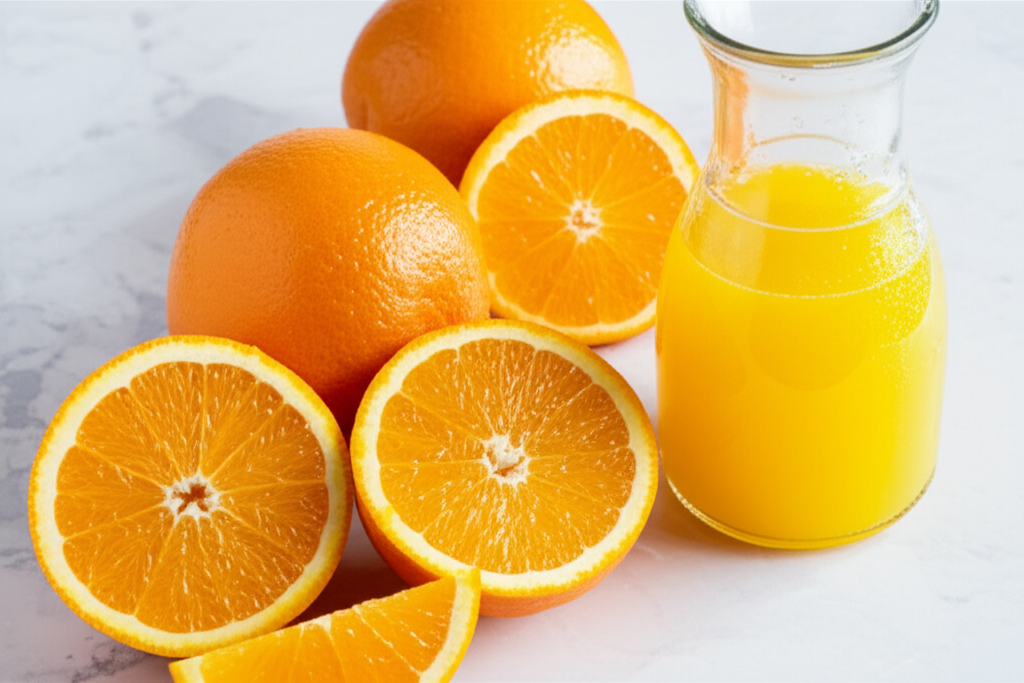
Cold pressed orange juice is freshly squeezed juice made using a hydraulic press that pulverizes and presses fruit, extracting maximum liquid without heat. This gentle method preserves more nutrients and enzymes compared to centrifugal juicing, resulting in a vibrant, flavorful, and healthier beverage.
Key Takeaways
- Understand cold pressing versus other juicing methods.
- Discover the health benefits of cold pressed orange juice.
- Learn how to make it at home with simple steps.
- Identify the best oranges for juicing.
- Explore tips for storing and enjoying your juice.
- Compare cold pressed juice to store-bought options.
What Is Cold Pressed Orange Juice: Your Ultimate Guide
Have you ever wondered about the difference between the juice you buy at the store and the incredibly fresh juice you might have tasted at a juice bar? The term “cold pressed” often comes up, and it can sound a bit technical. But understanding it is key to unlocking some of the freshest, most nutrient-packed orange juice possible. Many people think all orange juice is the same, but the way it’s made dramatically impacts its taste and health benefits. This guide will walk you through everything you need to know about cold pressed orange juice, making it simple for you to enjoy this delicious and healthy drink.
You’re about to discover what makes cold pressed orange juice so special, why it’s better for you, and how you can easily make it yourself. Let’s dive into the world of cold pressed goodness!
The Science Behind Cold Pressed Orange Juice
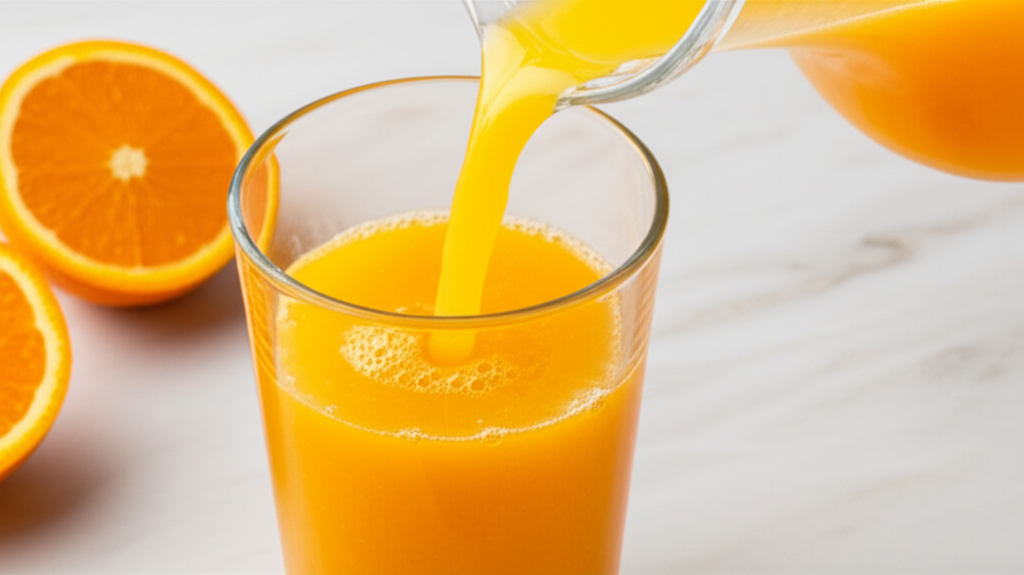
Cold pressing is a juicing technique that uses immense pressure to extract juice. Unlike traditional juicers that use heat or high-speed blades, cold pressing works gently. This method is crucial for preserving the natural goodness of the oranges.
How Cold Pressing Works
The process involves two main stages:
- Grinding: The oranges are first ground into a pulp. This breaks down the cell walls, making the juice easier to release.
- Pressing: The pulp is then placed in a hydraulic press. This press applies thousands of pounds of pressure, squeezing out every last drop of juice. Because no heat is generated during this process, the juice remains “cold.”
This lack of heat is the defining characteristic of cold pressed juice. High temperatures can degrade sensitive vitamins, minerals, and enzymes. By avoiding heat, cold pressing ensures that you get the most nutritional value from the oranges.
Cold Pressed vs. Centrifugal Juicing
Centrifugal juicers are common in many homes. They use a fast-spinning blade to shred fruits and vegetables. Centrifugal force then separates the juice from the pulp. While efficient, this method generates heat due to friction from the spinning blade. This heat can diminish some of the juice’s nutritional content and affect its flavor.
Here’s a quick comparison:
| Feature | Cold Pressed Juicing | Centrifugal Juicing |
|---|---|---|
| Extraction Method | Hydraulic press (slow, high pressure) | High-speed spinning blade |
| Heat Generation | Minimal to none | Moderate heat generated |
| Nutrient Retention | Higher (vitamins, enzymes, antioxidants) | Lower (some nutrients can be degraded) |
| Juice Yield | Very high | Good |
| Taste | Richer, more vibrant, less oxidized | Can be slightly duller, may oxidize faster |
| Oxidation | Lower | Higher |
For those serious about maximizing nutrient intake and flavor, cold pressing is the superior method. It truly captures the essence of the fruit.
Cold Pressed vs. Traditional Juicing (Masticating)
Masticating juicers, also known as slow juicers, use a single auger (screw) to crush and press the produce. They are much slower than centrifugal juicers and generate less heat. Masticating juicers are often considered a good middle ground between centrifugal and cold press machines. They offer better nutrient retention than centrifugal juicers but typically don’t achieve the same juice yield or the same level of nutrient preservation as a true hydraulic cold press.
The Incredible Benefits of Cold Pressed Orange Juice
Drinking cold pressed orange juice is more than just a tasty treat; it’s a powerful way to boost your health. Because the cold pressing method preserves nutrients so well, you’re getting a concentrated dose of goodness with every sip.
Rich in Vitamin C
Oranges are famous for their Vitamin C content. This essential nutrient is a powerful antioxidant. It helps protect your cells from damage and supports a healthy immune system. Cold pressing helps retain this vital vitamin, ensuring you get a full dose.
According to the National Institutes of Health (NIH), Vitamin C is crucial for growth and repair of tissues in all parts of your body.
Packed with Antioxidants
Beyond Vitamin C, oranges contain other beneficial antioxidants like flavonoids and carotenoids. These compounds help fight inflammation and reduce the risk of chronic diseases. Cold pressing preserves these delicate plant compounds, allowing you to benefit from their full potential.
Hydration and Electrolytes
Orange juice is naturally hydrating. It contains water and electrolytes like potassium, which are important for maintaining fluid balance in your body. This makes it a great drink after exercise or on a warm day.
Improved Digestion
The natural enzymes and fiber (if pulp is included) in fresh orange juice can support healthy digestion. Unlike processed juices, cold pressed juice retains more of the natural compounds that can aid your gut.
Natural Energy Boost
The natural sugars in oranges provide a quick source of energy. This makes cold pressed orange juice a healthier alternative to sugary sodas or energy drinks when you need a pick-me-up.
Choosing the Best Oranges for Juicing
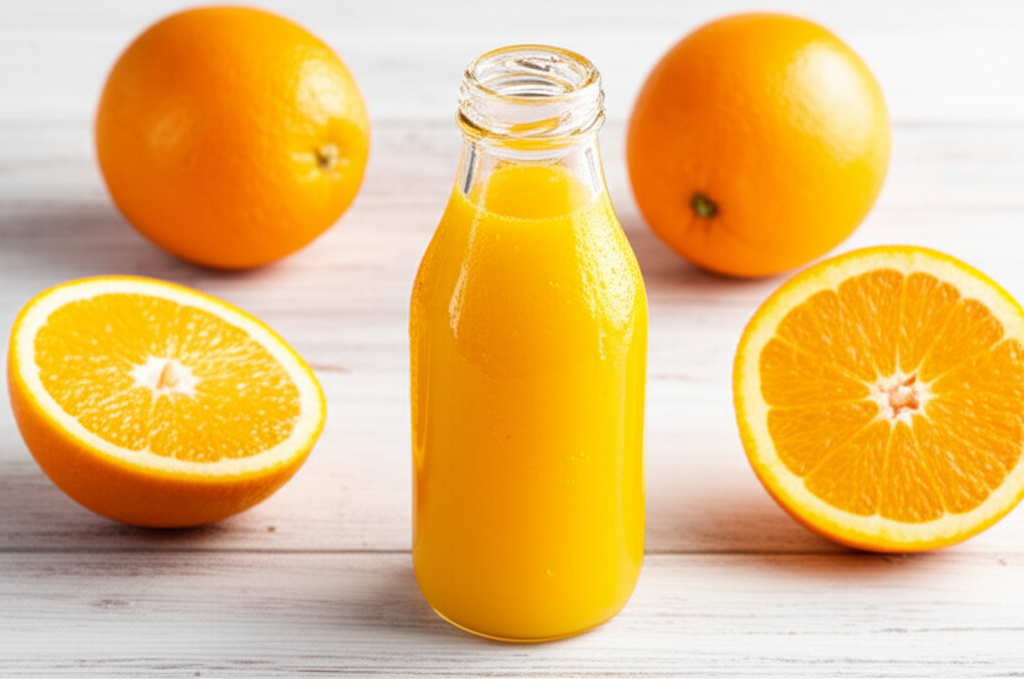
Not all oranges are created equal when it comes to juicing. For the best flavor and yield, select the right type of orange.
Best Orange Varieties for Juicing
- Valencia Oranges: These are considered the king of juicing oranges. They are sweet, have a good amount of juice, and a pleasant tartness. They are also seedless or have very few seeds.
- Navel Oranges: While delicious for eating, Navel oranges can sometimes be less juicy than Valencias. However, they are readily available, sweet, and easy to peel.
- Blood Oranges: For a beautiful color and a unique berry-like flavor, blood oranges are a fantastic choice. They are typically juicy and have a slightly more complex taste.
- Hamlin Oranges: These are another popular choice, known for their high juice content and mild, sweet flavor. They are often used commercially for juice.
What to Look For When Buying Oranges
- Weight: Pick up the oranges. A good, juicy orange will feel heavy for its size. This indicates a high water content.
- Firmness: The skin should be smooth and firm, not soft or wrinkled.
- Color: Look for bright, vibrant colors. While some green on the skin is okay (especially in warmer climates), avoid oranges with significant bruising or mold.
- Aroma: A ripe orange will have a pleasant, citrusy scent.
Always opt for organic oranges if possible. This ensures you’re not consuming pesticide residues, especially when you’re juicing the whole fruit (including the peel, if your method allows).
How to Make Cold Pressed Orange Juice at Home
Making cold pressed orange juice at home might seem daunting, but it’s quite achievable with the right tools and a little guidance. The key is to use a cold press juicer.
Essential Tools for Home Juicing
To make true cold pressed juice at home, you’ll need a dedicated cold press juicer. There are two main types:
- Hydraulic Press Juicers: These are the most professional and yield the highest quality juice. They are also the most expensive. They work by first grinding the fruit and then pressing the pulp with a hydraulic ram. Brands like Green Star and Champion (though older models) are known for this.
- Single-Auger or Twin-Gear Juicers: These are more common for home use and are often referred to as “slow juicers” or “masticating juicers.” They use a screw-like mechanism to crush and squeeze the juice. While not true hydraulic presses, they operate slowly and with minimal heat, offering excellent nutrient retention and high yields. Popular brands include Omega, Hurom, and Breville.
While you can get some juice from a regular blender and a nut milk bag, this process is much more labor-intensive and doesn’t achieve the same efficiency or quality as a dedicated cold press juicer.
Step-by-Step Guide to Making Cold Pressed Orange Juice
Here’s how to make delicious cold pressed orange juice at home:
- Select and Wash Your Oranges: Choose ripe, heavy oranges. Wash them thoroughly under running water to remove any dirt or residues. If you are using organic oranges and your juicer is designed to handle peels (some high-end models can), you might choose to leave the peel on. However, most home juicers work best with peeled oranges, as the peel can contain bitter oils and clog the machine.
- Peel the Oranges: If you’re not juicing the peel, cut off the top and bottom of each orange. Then, slice off the peel and the white pith, following the natural curve of the fruit. Try to remove as much of the white pith as possible, as it can add bitterness to the juice.
- Prepare for Juicing: Cut the peeled oranges into pieces that fit your juicer’s chute. Remove any large seeds, as they can sometimes interfere with the juicer’s mechanism.
- Juice the Oranges: Turn on your cold press juicer. Feed the orange pieces into the chute, one by one, allowing the machine to do its work. Collect the fresh juice in a container placed below the spout. The juicer will separate the pulp, which will be ejected into a separate container.
- Strain (Optional): If you prefer your juice pulp-free, you can pour the collected juice through a fine-mesh sieve or a cheesecloth. However, many people enjoy the extra fiber and nutrients from a little pulp.
- Serve and Enjoy: Pour your freshly made cold pressed orange juice into a glass. It’s best enjoyed immediately to get the most nutrients and the freshest flavor.
Common Mistakes to Avoid
- Not washing oranges: Always wash your fruit, even if you plan to peel it.
- Leaving on too much pith: The white pith can make your juice bitter.
- Overfilling the chute: Feed oranges one at a time for best results.
- Not cleaning the juicer immediately: Dried pulp is much harder to remove. Clean your juicer right after use.
- Storing juice improperly: Fresh juice degrades quickly. Keep it cold and consume within a day or two.
Pro Tip: For an extra nutrient boost, try adding a small piece of ginger or a few mint leaves to your oranges before juicing. These additions can complement the orange flavor and add their own health benefits!
Storing Your Cold Pressed Orange Juice
Freshly squeezed juice is best enjoyed immediately. However, if you make a larger batch, proper storage is key to maintaining its quality and nutritional value.
Best Practices for Storage
- Airtight Containers: Use glass bottles or jars with tight-fitting lids. Glass is preferred as it doesn’t react with the juice and is easier to clean.
- Fill to the Top: Minimize air exposure by filling your containers all the way to the brim. Less air means slower oxidation.
- Refrigerate Immediately: Store the juice in the coldest part of your refrigerator.
- Consume Quickly: Cold pressed orange juice is at its peak for the first 24 hours. It’s generally recommended to consume it within 48-72 hours at most. After this, the nutrient content and flavor begin to decline significantly.
The vibrant color may also start to fade, and the taste can become less bright due to oxidation. Shaking the bottle before drinking can help re-incorporate any separated pulp or sediment.
Why Freshness Matters
When juice is exposed to air and light, oxidation occurs. This process breaks down beneficial compounds like Vitamin C and antioxidants. Heat also accelerates this degradation. Cold pressing minimizes heat and, when stored correctly, preserves the juice’s vitality for a short period. Store-bought juices often have preservatives or are pasteurized (heated) to extend shelf life, which unfortunately reduces their nutritional punch.
Cold Pressed vs. Store-Bought Orange Juice
The difference between cold pressed juice and the orange juice you find on supermarket shelves is significant, primarily due to processing and ingredients.
Processing Differences
Most store-bought orange juice undergoes pasteurization, a heat treatment designed to kill harmful bacteria and extend shelf life. While this makes the juice safe and long-lasting, it also destroys some of the heat-sensitive vitamins and enzymes. Some juices also have flavor packs added back in to compensate for flavor loss during processing. Cold pressed juice, by contrast, is unpasteurized and made fresh, retaining more of its natural state.
Nutritional Content Comparison
While both can be sources of Vitamin C, cold pressed juice generally offers a wider spectrum of nutrients and enzymes that are damaged or destroyed by heat. It’s also free from added sugars, preservatives, and artificial flavorings often found in commercially produced juices.
Cost and Accessibility
Cold pressed juice is typically more expensive than regular store-bought juice, especially when purchased from juice bars. This is due to the specialized equipment required, the labor involved, and the shorter shelf life. Making it at home can be more cost-effective in the long run if you plan to juice regularly.
Incorporating Cold Pressed Orange Juice into Your Diet
Adding this vibrant juice to your daily routine is simple and delicious. It’s a fantastic way to start your day or enjoy a healthy mid-day boost.
Morning Elixir
Drink a glass of pure cold pressed orange juice first thing in the morning on an empty stomach. This allows for optimal absorption of nutrients and can help kickstart your metabolism.
Juice Blends and Smoothies
Don’t limit yourself to plain orange juice! You can blend it with other fruits and vegetables for a more complex flavor and nutrient profile. Try combining orange juice with:
- Carrots and ginger
- Spinach and apple
- Pineapple and turmeric
- Berries and a touch of mint
You can also add a splash of cold pressed orange juice to your smoothies for a liquid base and a citrusy kick.
Hydration Alternative
When you’re craving something other than water, reach for cold pressed orange juice. It’s a much healthier choice than sugary sodas or sweetened beverages.
Frequently Asked Questions (FAQ)
Q1: Is cold pressed orange juice really that much healthier?
Yes, cold pressed orange juice is generally considered healthier because the cold pressing method preserves more heat-sensitive nutrients like Vitamin C and antioxidants compared to methods that use heat or high-speed friction.
Q2: How long does cold pressed orange juice last?
When stored properly in an airtight container in the refrigerator, cold pressed orange juice typically lasts for 48 to 72 hours. It’s best consumed within the first 24 hours for optimal freshness and nutrient content.
Q3: Can I use any type of orange to make cold pressed juice?
While you can juice most oranges, Valencia, Hamlin, and Blood oranges are particularly well-suited for juicing due to their high juice content and balanced flavor. Navel oranges can also be used.
Q4: What is the difference between a cold press juicer and a regular juicer?
A cold press juicer uses a hydraulic press or a slow-moving auger to extract juice with minimal heat, preserving nutrients. Regular centrifugal juicers use high-speed blades that generate heat and can degrade some nutrients.
Q5: Is it okay to drink the pulp from cold pressed orange juice?
Yes, it is perfectly fine, and even beneficial, to drink the pulp. Pulp contains dietary fiber, which aids digestion and helps you feel fuller for longer. If you prefer pulp-free juice, you can strain it.
Q6: Can I add other fruits or vegetables to my cold pressed orange juice?
Absolutely! Cold pressed orange juice is a great base for juice blends. You can add ingredients like carrots, apples, ginger, turmeric, or leafy greens for a nutrient-packed beverage.
Q7: Why is cold pressed juice more expensive?
The cost is higher due to the specialized machinery (hydraulic presses or slow auger juicers), the labor-intensive process, the higher juice yield, and the shorter shelf life, which requires faster distribution or immediate consumption.
Conclusion
Cold pressed orange juice is a simple yet powerful way to nourish your body with nature’s goodness. By understanding the gentle extraction method, you can appreciate why it stands out for its vibrant flavor and superior nutrient retention. Whether you choose to invest in a home juicer, visit a local juice bar, or simply appreciate the quality when you see it, embracing cold pressed orange juice is a step towards a healthier, more vibrant lifestyle. It’s a pure, unadulterated taste of sunshine, packed with vitamins, antioxidants, and refreshing hydration. Enjoy the pure delight of truly fresh juice!
smartblander.com is a participant in the Amazon Services LLC Associates Program, an affiliate advertising program. As an Amazon Associate, we earn from qualifying purchases made through our links.
