

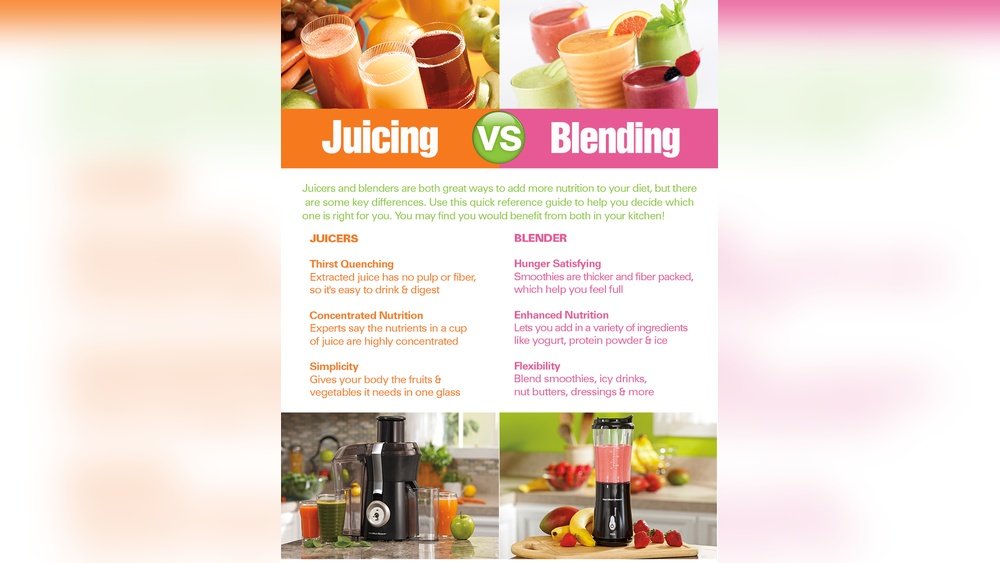
Are you wondering whether a blender or a juicer is the right choice for your kitchen? Both appliances seem similar, but they work very differently and give you very different results.
Choosing the wrong one could mean missing out on the nutrients and flavors you want. You’ll discover exactly what sets a blender apart from a juicer. By the end, you’ll know which one fits your lifestyle and health goals perfectly.
Keep reading to make a smart choice that benefits your body and your taste buds!
Blender Basics
Understanding blender basics helps you see how it differs from a juicer. Blenders and juicers both handle fruits and vegetables but do it in unique ways. A blender mixes all parts of the food, while a juicer extracts only the juice. Knowing how blenders work and their common uses guides you to choose the right kitchen tool.
How Blenders Work
Blenders have sharp blades at the bottom of a jar. When powered on, these blades spin fast. They chop and crush fruits, vegetables, and ice. The result is a thick, smooth blend that keeps all fiber and pulp. This process keeps the nutrients and texture intact.
Common Uses
Blenders make smoothies, soups, sauces, and purees. They can crush ice for cold drinks. They also mix ingredients for batters or dressings. A blender handles both soft and hard foods well. It is perfect for recipes needing full texture and fiber.
Types Of Blenders
There are several blender types for different needs. Countertop blenders are the most common, with a large jar and strong motor. Personal blenders are small and portable, great for single servings. Immersion blenders are handheld and good for blending in pots or bowls. Each type fits specific kitchen tasks.
Credit: www.nutribullet.com
Juicer Basics
Juicers are popular kitchen tools. They help extract juice from fruits and vegetables. Understanding how juicers work can help you choose the right one. They differ from blenders by focusing on juice extraction only. Juicers separate liquid from pulp, giving you smooth juice without chunks.
How Juicers Work
Juicers use pressure or blades to separate juice from solids. Some crush fruits and vegetables to release juice. Others use slow squeezing to keep more nutrients. The juice flows out, leaving behind dry pulp. This process makes fresh juice easy to drink.
Common Uses
Juicers are great for making fresh fruit and vegetable juice. People use them to get vitamins quickly. Juice can be a good way to enjoy healthy drinks. Some use juicers to prepare ingredients for recipes. They are also helpful for making detox drinks.
Types Of Juicers
There are two main types of juicers: centrifugal and masticating. Centrifugal juicers spin fast to extract juice quickly. Masticating juicers crush and press slowly for more juice. Each type works best with different fruits and vegetables. Choose based on your needs and budget.
Key Differences
Blenders and juicers both help make healthy drinks. They work in different ways. Knowing their key differences helps you pick the right one. These differences affect the texture, nutrients, and speed of your drink.
Texture And Consistency
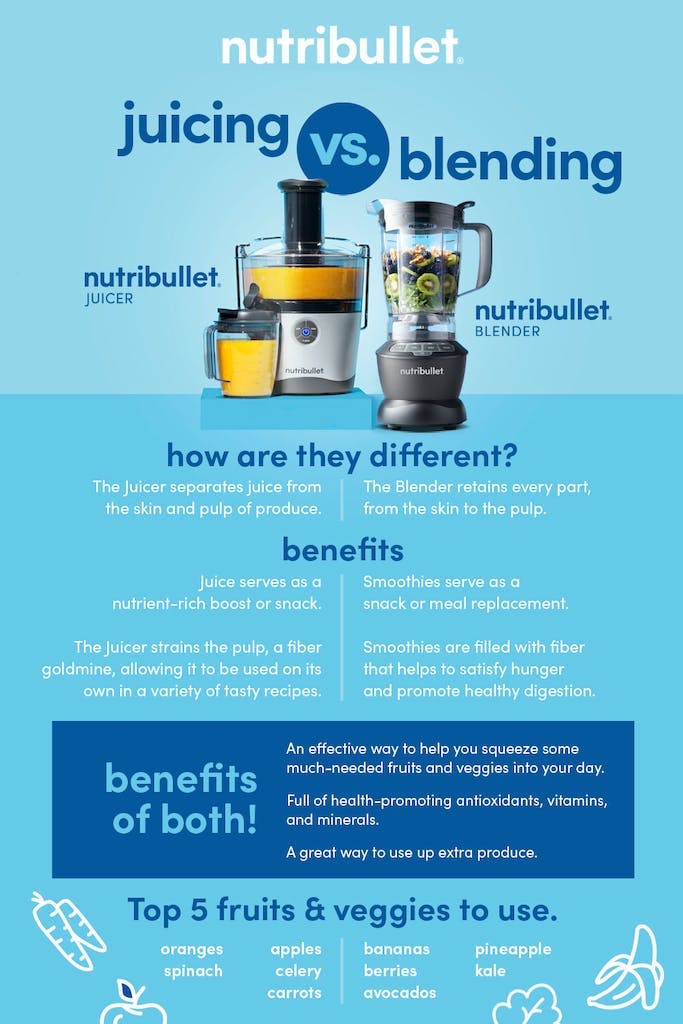
Blenders keep all parts of fruits and vegetables. They create thick, smooth drinks with pulp and fiber. Juicers separate juice from pulp. This makes a clear, thin liquid without any pulp.
Blender drinks feel fuller and heavier. Juicer drinks are lighter and easier to drink fast.
Nutrient Retention
Blenders keep all the fiber and nutrients in the drink. Fiber helps with digestion and keeps you full longer. Juicers remove most fiber but keep vitamins and minerals in the juice.
Some juicers use heat and speed that can reduce nutrient quality. Blenders use less heat and keep more nutrients intact.
Speed And Efficiency
Juicers often work faster to make juice. They quickly separate liquid from solids. Blenders take more time to blend everything smoothly.
Juicers need extra cleaning due to many parts. Blenders have fewer parts and clean faster.

Credit: www.youtube.com
Choosing The Right Appliance
Choosing the right appliance for your kitchen depends on several key factors. Both blenders and juicers serve different purposes. Knowing your needs helps make a smart choice. Consider what fits your lifestyle and kitchen best.
Think about your health goals, space in your kitchen, and budget. These points guide you to the perfect appliance for your daily routine.
Dietary Goals
Blenders keep all parts of fruits and vegetables. This means you get fiber and nutrients. Juicers remove pulp and fiber, giving smooth juice. Choose a blender for smoothies and thick drinks. Pick a juicer for clear, fresh juice. Your diet type shapes which one fits better.
Kitchen Space
Blenders usually take less space. They are simpler to clean too. Juicers can be bigger and have more parts. Think about how much room you have. A small kitchen may favor a compact blender. A larger space can hold a juicer easily.
Budget Considerations
Blenders often cost less than juicers. Basic models suit simple blending tasks. Juicers tend to be pricier due to complex parts. Factor in cleaning tools and accessories too. Decide how much you want to spend before buying.
Maintenance And Cleaning
Maintaining and cleaning blenders and juicers is important for their performance and safety. Both appliances need regular care to avoid damage and keep them working well. Proper cleaning also stops old food from building up and causing bad smells or bacteria.
Understanding the cleaning needs of each device helps save time and effort. It also extends the life of your blender or juicer. Here are simple cleaning tips for each and advice on how to keep them durable.
Cleaning Tips For Blenders
Rinse the blender jar immediately after use to stop food from drying. Add warm water and a drop of dish soap inside. Run the blender for 30 seconds, then rinse thoroughly. Use a soft brush to clean around the blades carefully. Avoid putting the base in water; wipe it with a damp cloth. Dry all parts before storing to prevent mold and odors.
Cleaning Tips For Juicers
Disassemble the juicer right after use to avoid pulp drying. Rinse all removable parts under running water. Use a small brush to clean the mesh filter and hard-to-reach areas. Soak parts in warm, soapy water if pulp sticks too much. Wipe the motor base with a dry or slightly damp cloth only. Let all parts dry completely before reassembling.
Longevity And Durability
Regular cleaning prevents damage and keeps appliances working longer. Avoid harsh chemicals that can wear down parts. Handle blades and filters gently to stop bending or breaking. Store blenders and juicers in a dry place to avoid rust. Consistent care reduces repair costs and extends the life of your kitchen tools.
Credit: www.youtube.com
Frequently Asked Questions
What Is The Main Difference Between A Blender And Juicer?
A blender blends whole fruits and vegetables, keeping fiber. A juicer extracts juice, separating pulp and fiber. Blenders create thicker drinks; juicers produce clear juice.
Which Is Better For Retaining Nutrients, Blender Or Juicer?
Blenders retain all fiber and nutrients since they use the whole produce. Juicers may lose some fiber but extract more liquid nutrients.
Can A Blender Replace A Juicer For Making Juice?
Yes, a blender can make juice-like drinks but with more pulp and thickness. Juicers create smoother, pulp-free juice.
Which Appliance Is Easier To Clean, Blender Or Juicer?
Blenders are generally easier and quicker to clean with fewer parts. Juicers have multiple components requiring thorough cleaning.
Conclusion
Blenders and juicers serve different purposes in the kitchen. Blenders keep the fiber, making thick smoothies and soups. Juicers remove fiber, offering clear, fresh juice. Your choice depends on what you want to drink. Both tools can help you eat more fruits and vegetables.
Understanding their differences makes your choice easier. Choose the one that fits your lifestyle and taste. Enjoy healthy drinks made your way. Simple tools for better nutrition.
smartblander.com is a participant in the Amazon Services LLC Associates Program, an affiliate advertising program. As an Amazon Associate, we earn from qualifying purchases made through our links.
