

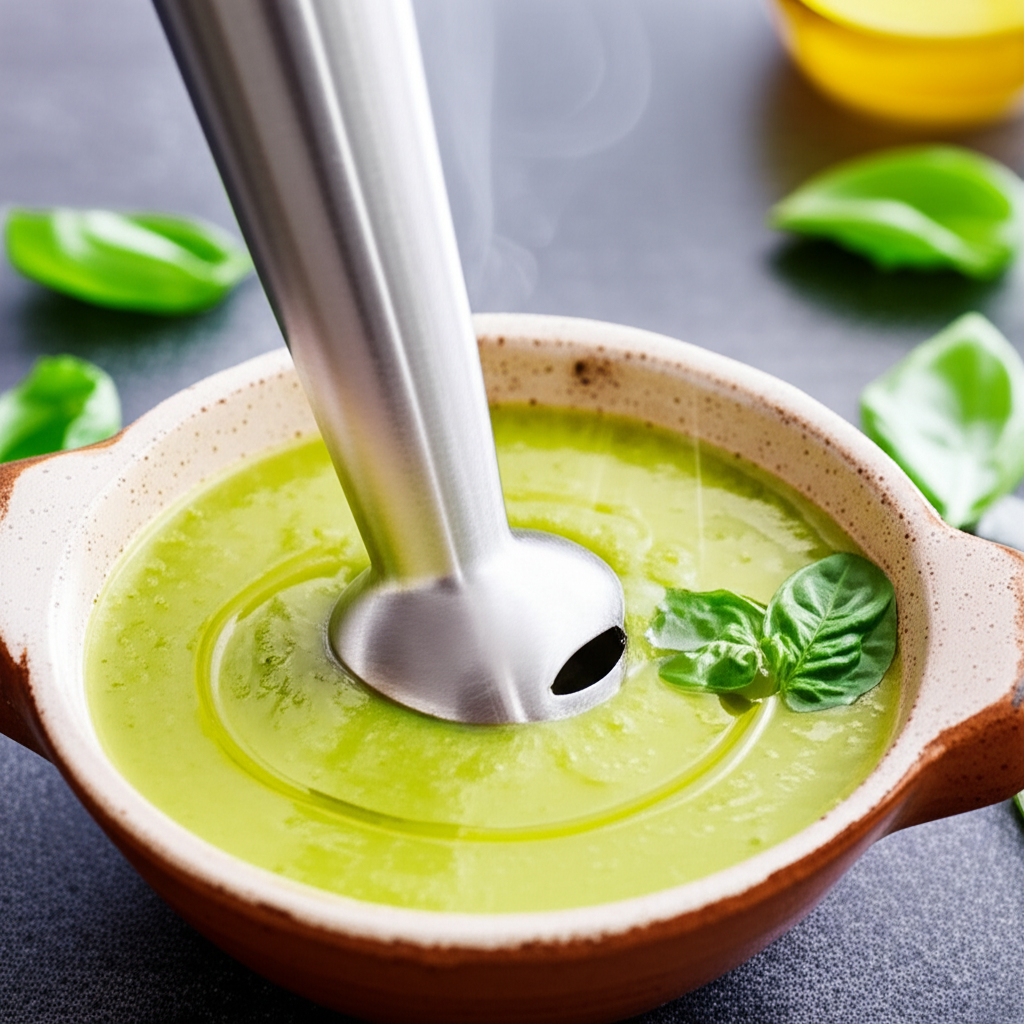
An immersion blender is your secret weapon for effortless kitchen creations! This versatile tool is perfect for blending soups directly in the pot, whipping up smooth sauces, making quick smoothies, and so much more, simplifying your cooking and healthy eating journey.
Key Takeaways
- Blend soups and sauces directly in their pots.
- Create silky-smooth purees and dips with ease.
- Whip up quick and healthy single-serving smoothies.
- Emulsify dressings and mayonnaise in seconds.
- Mash potatoes and other cooked vegetables quickly.
- Achieve lump-free batters for pancakes and crepes.
What To Use An Immersion Blender For: Essential Kitchen Hacks
Are you looking for a kitchen tool that can simplify your cooking and boost your healthy eating habits? An immersion blender, also known as a stick blender or hand blender, might be just what you need. It often gets overlooked, but this compact gadget can transform how you prepare meals and drinks. If you’ve ever wondered about its full potential, you’re in the right place. We’ll explore all the fantastic things you can use an immersion blender for, making your time in the kitchen more efficient and enjoyable.
This guide will break down its most useful applications, from creamy soups to vibrant smoothies. Get ready to discover why this tool deserves a permanent spot on your kitchen counter.
Understanding Your Immersion Blender
Before diving into what to use an immersion blender for, let’s briefly understand what it is and how it works. An immersion blender is a handheld motor unit with a detachable blending shaft. At the end of the shaft is a blade assembly that spins at high speeds. You simply place the blending shaft into your ingredients and press the power button. The portability and direct-blending capability are its biggest advantages over a traditional jug blender.
Many immersion blenders come with a set of accessories, such as whisk attachments, mini choppers, and measuring cups. These additions further expand their versatility. For those who love fresh juices and vibrant, citrus-forward recipes, an immersion blender is a game-changer for creating smooth, consistent textures quickly.
The Magic of Blending Soups and Sauces Directly in the Pot
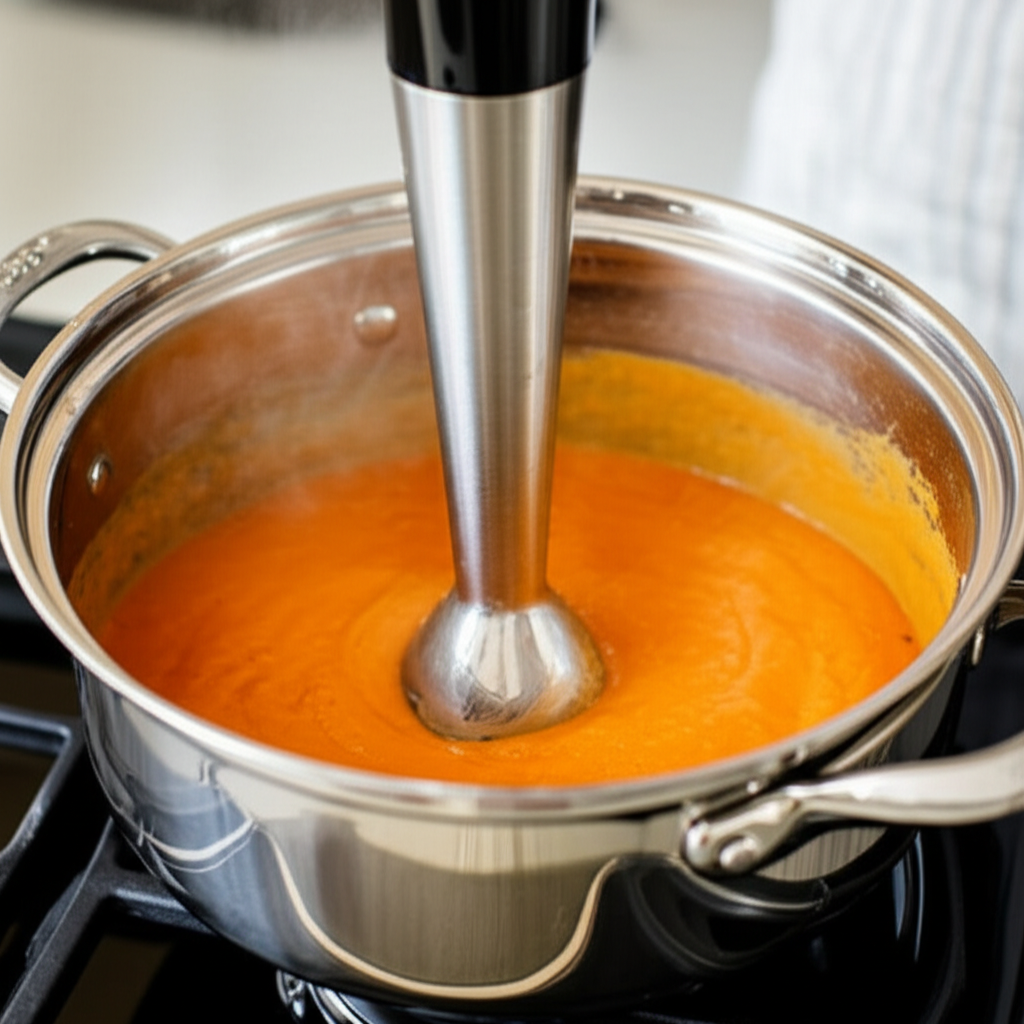
This is arguably the most popular and practical use for an immersion blender. Forget transferring hot soup to a regular blender, which can be dangerous and messy. With an immersion blender, you can achieve a perfectly smooth or chunky texture right in the pot you cooked it in.
Creamy Soups, Smooth as Silk
Imagine making a hearty vegetable soup or a rich tomato bisque. Once your vegetables are tender, you can plunge your immersion blender directly into the pot. Move the blender up and down, and around the pot, to break down the ingredients. In just a few minutes, you’ll have a velvety smooth soup without any extra dishes.
Example: Creamy Tomato Soup Hack
- Cook your favorite tomato soup recipe until all vegetables are tender.
- Carefully place the immersion blender head into the soup, ensuring it’s fully submerged.
- Turn the blender on and move it gently through the soup, from bottom to top, until it reaches your desired consistency.
- For an extra smooth texture, blend for 1-2 minutes. For a slightly chunkier soup, blend for less time.
Effortless Sauces and Gravies
Whether it’s a béchamel sauce for mac and cheese, a hollandaise for your eggs benedict, or a simple gravy for Sunday roast, an immersion blender makes them incredibly easy. You can blend ingredients directly in the saucepan, ensuring a lump-free, consistent result every time. This is especially helpful for sauces that require emulsification or smooth incorporation of ingredients.
Whipping Up Delicious Smoothies and Shakes
For smoothie lovers, an immersion blender offers a quick and convenient way to create single-serving delights. If you enjoy a refreshing citrus smoothie or a protein shake after a workout, this tool is ideal. It’s perfect for those mornings when you need a nutritious breakfast on the go.
Single-Serving Smoothie Powerhouse
Instead of pulling out a large blender and washing multiple parts, you can blend your smoothie directly in a tall glass or a measuring cup. This saves time on preparation and cleanup. You can add your fruits, vegetables, yogurt, milk, or juice, and blend until smooth.
Citrus Sunrise Smoothie Hack
- Combine in a tall glass: 1 peeled orange, 1/2 cup Greek yogurt, 1/4 cup orange juice, a handful of ice cubes, and a touch of honey if desired.
- Insert the immersion blender shaft into the glass, ensuring the blades are submerged.
- Blend for 30-60 seconds until smooth and creamy.
- Enjoy immediately!
Healthy Shakes for Post-Workout Recovery
If you’re into fitness, an immersion blender is fantastic for quickly mixing protein powders, fruits, and liquids into a smooth shake. It breaks down ingredients efficiently, ensuring no powdery clumps are left behind. This makes healthy choices more accessible and enjoyable.
Creating Silky-Smooth Purees and Dips
Beyond soups, immersion blenders excel at creating smooth purees for various culinary applications, from baby food to elegant appetizers.
Baby Food Preparation
Making your own baby food is a rewarding way to ensure your little one gets the freshest ingredients. An immersion blender can easily puree steamed vegetables or fruits into a smooth consistency suitable for infants. You can control the texture perfectly, making it ideal for different stages of your baby’s development.
Homemade Dips and Spreads
Want to make a quick hummus, pesto, or guacamole? An immersion blender can help. While a food processor might be ideal for larger batches, an immersion blender is perfect for smaller portions or when you want to blend ingredients directly in a bowl.
Quick Hummus Hack
- In a bowl, combine 1 can (15 oz) of drained and rinsed chickpeas, 1/4 cup tahini, 2 tablespoons lemon juice, 1 clove garlic, and 2 tablespoons olive oil.
- Add a pinch of salt and a tablespoon of water.
- Insert the immersion blender and blend until smooth and creamy. Add more water if needed to reach desired consistency.
Emulsifying Dressings and Mayonnaise
Achieving a stable emulsion for salad dressings or homemade mayonnaise can sometimes be tricky. An immersion blender makes this process remarkably simple and quick.
Perfect Salad Dressings
Forget whisking endlessly! You can add all your dressing ingredients—oil, vinegar, herbs, spices, and emulsifiers like mustard—into a tall, narrow container or even a mason jar. Insert your immersion blender and blend for about 30 seconds. The high-speed blades create a stable emulsion that won’t easily separate.
Homemade Mayonnaise in a Flash
Making mayonnaise from scratch is surprisingly easy with an immersion blender. The key is to combine the oil, egg yolk, lemon juice (or vinegar), and seasonings in a jar that’s just slightly wider than the blender’s shaft. When you blend, the ingredients are forced together rapidly, creating a thick, creamy mayonnaise in under a minute. For a deeper dive into the science behind emulsification, check out resources from reputable culinary institutions like The Culinary Institute of America.
Mashing Potatoes and Other Cooked Vegetables
When you need fluffy mashed potatoes or a smooth vegetable mash, an immersion blender can be a surprising time-saver. While a potato masher is traditional, an immersion blender offers a quicker, smoother alternative.
Lump-Free Mashed Potatoes
After boiling your potatoes, drain them well. You can add butter, milk, and seasonings directly to the pot. Then, use your immersion blender to mash the potatoes. Move it around to ensure you break down all the lumps. Be careful not to over-blend, as this can make them gummy. A few pulses are usually enough to achieve a creamy texture.
Other Vegetable Mashes
This technique works wonderfully for other cooked vegetables too, such as sweet potatoes, carrots, or cauliflower. You can create smooth side dishes or purees for vegetarian dishes with minimal effort.
Achieving Lump-Free Batters
For delicate batters like those for pancakes, crepes, or even Yorkshire puddings, getting a smooth consistency is crucial. An immersion blender can help you achieve this without overmixing.
Perfect Pancake and Crepe Batters
Combine your dry and wet ingredients for pancakes or crepes in a bowl or a large measuring cup. Use your immersion blender to briefly blend the mixture until just combined and smooth. This ensures there are no lumps of flour, resulting in lighter, fluffier pancakes and delicate crepes. Remember not to overmix, as this can develop the gluten too much and make your baked goods tough.
Quick Cake and Muffin Batters
For smaller batches of cake or muffin batter, an immersion blender can be a handy tool. It’s perfect for mixing ingredients for a few muffins or a small cake, especially if you don’t want to bring out a large stand mixer.
Other Clever Kitchen Uses
The versatility of an immersion blender extends to many other tasks in the kitchen, making it a true multi-tasker.
Whipping Cream and Egg Whites
Some immersion blenders come with a whisk attachment, which can be surprisingly effective for whipping cream or egg whites. While it might not achieve the stiff peaks of a stand mixer, it’s perfect for small amounts or when you need a quick whip for a recipe.
Making Nut Butters
If you have a powerful immersion blender, you can even make your own nut butter. Roast your nuts (almonds, peanuts, cashews), then process them in a food processor or a sturdy bowl with the immersion blender until they break down into a creamy paste. This can take some time and patience, but the result is fresh, homemade nut butter.
Chopping Small Ingredients
Some immersion blender models include a mini-chopper attachment. This is great for quickly chopping small amounts of herbs, garlic, onions, or nuts without needing a full-sized food processor. It’s ideal for preparing small garnishes or ingredients for sauces and dressings.
Choosing the Right Immersion Blender and Accessories
When selecting an immersion blender, consider its power (wattage), the types of attachments included, and the material of the blending shaft (stainless steel is durable). Most basic models will handle soups, smoothies, and sauces well. For more demanding tasks like nut butters or tougher vegetables, a higher wattage blender with a robust shaft is recommended.
The accessories can significantly enhance what you can do. A whisk attachment is great for dairy and eggs, while a mini-chopper is useful for herbs and nuts. Many come with a beaker or cup, which is perfect for making smoothies and dressings directly.
Immersion Blender vs. Traditional Blender: When to Use Which?
It’s helpful to understand where each appliance shines. Here’s a quick comparison:
| Feature | Immersion Blender | Traditional Blender |
|---|---|---|
| Portability | High – handheld, blends in any container | Low – stationary, blends in its own jug |
| Batch Size | Best for small to medium batches | Best for medium to large batches |
| Cleanup | Very easy – rinse the shaft | More involved – disassemble and wash jug and blades |
| Versatility | Soups, sauces, smoothies, purees, dressings, mashing | Smoothies, frozen drinks, purees, batters, ice crushing |
| Safety (Hot Liquids) | Safer – blends directly in the pot | Risky – requires careful transfer or specific vented lids |
For quick, single servings, blending hot liquids directly, or when counter space is limited, the immersion blender is often the superior choice. For large batches of smoothies, frozen cocktails, or tasks requiring extreme smoothness, a traditional blender might be more efficient. For more information on kitchen appliance choices, government consumer guides can offer objective advice, such as resources from the USA.gov website.
Pro Tips for Immersion Blender Success
Pro Tip: Always ensure the blade assembly of your immersion blender is fully submerged in the liquid before turning it on. This prevents splashing and ensures efficient blending. Also, avoid overfilling the container you’re blending in to prevent spills.
Maintaining Your Immersion Blender
Proper care ensures your immersion blender lasts for years. After each use:
- Unplug the appliance. This is the most important safety step.
- Rinse the blending shaft immediately. Food particles are much easier to remove when fresh.
- Wash the shaft thoroughly with warm, soapy water. Some shafts are dishwasher safe (check your manual).
- Dry all parts completely before storing.
- Store attachments in a safe place to avoid damage.
Never immerse the motor unit in water. Wipe it clean with a damp cloth.
Frequently Asked Questions About Immersion Blenders
Q1: Can I use an immersion blender to crush ice?
A: Most immersion blenders are not designed to crush ice effectively. Their blades are meant for softer ingredients. Attempting to crush ice can damage the blender or not yield good results. For crushed ice, a traditional blender with an ice-crushing feature or a dedicated ice crusher is recommended.
Q2: Is an immersion blender good for making baby food?
A: Absolutely! An immersion blender is excellent for making smooth purees for babies. You can steam vegetables or fruits and then blend them directly in a small pot or bowl to the perfect consistency for your little one. It’s much easier to clean than a large blender for small batches.
Q3: How do I prevent my immersion blender from splashing?
A: Ensure the blade assembly is fully submerged in the liquid before you turn it on. Keep the blender moving gently up and down and in a circular motion within the container. Also, avoid overfilling the container, as this leaves less room for the liquid to move and can cause splashing.
Q4: Can I use an immersion blender for thick mixtures like dough?
A: No, immersion blenders are generally not suitable for thick mixtures like dough. They are designed for liquids, semi-liquids, and softer solids. Trying to blend thick dough can strain the motor and potentially damage the blender.
Q5: What is the difference between an immersion blender and a regular blender?
A: An immersion blender is a handheld wand that you immerse directly into food to blend. A regular blender has a jug or container that sits on a base. Immersion blenders are great for small batches, hot liquids, and blending directly in pots, while regular blenders are better for larger volumes and tasks like making frozen drinks.
Q6: How long does it take to make mayonnaise with an immersion blender?
A: It’s incredibly fast! Homemade mayonnaise can typically be made in under a minute using an immersion blender, provided you use a jar that is just slightly wider than the blender shaft and follow the correct technique. It’s one of the quickest ways to make this staple condiment.
Q7: Are all immersion blender attachments interchangeable?
A: No, immersion blender attachments are generally brand-specific and often model-specific. While a whisk or chopper might look similar across brands, they usually won’t fit or function correctly on a different brand’s motor unit. Always check compatibility before purchasing accessories.
Conclusion
An immersion blender is a small appliance with a mighty impact on your kitchen routine. From crafting velvety soups and sauces directly in their cooking pots to whipping up quick, healthy smoothies and emulsifying delicate dressings, its uses are surprisingly diverse. It simplifies cooking, speeds up preparation, and makes cleanup a breeze. By understanding its capabilities and embracing these kitchen hacks, you can unlock new levels of culinary creativity and efficiency. So, don’t let this handy tool gather dust; let it become your go-to gadget for everyday cooking and healthy living.
smartblander.com is a participant in the Amazon Services LLC Associates Program, an affiliate advertising program. As an Amazon Associate, we earn from qualifying purchases made through our links.
