

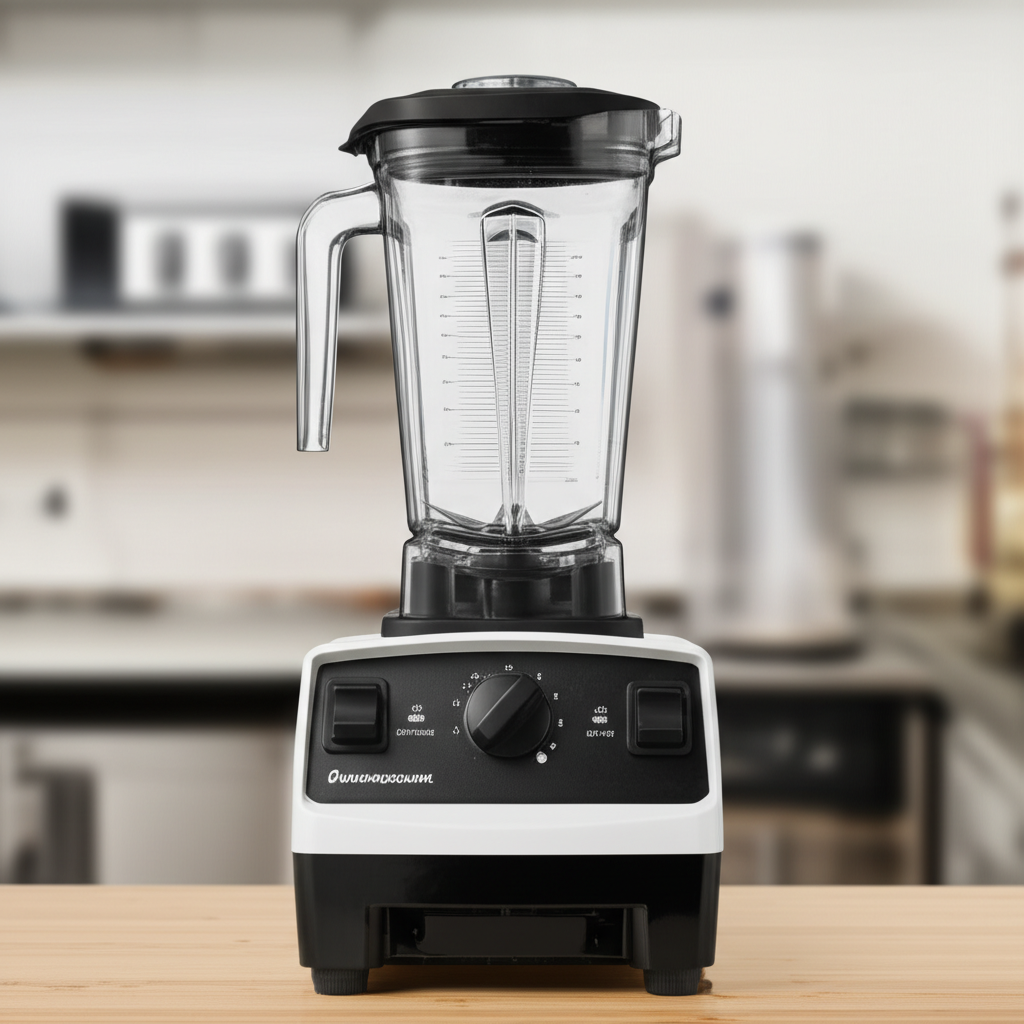
Tropical Smoothie Cafe famously uses a high-powered blender, but the exact model might surprise you! For home smoothie enthusiasts, understanding their choice can inspire your own kitchen adventures.
Key Takeaways
- Discover the blender brand Tropical Smoothie Cafe relies on.
- Learn why their blender choice is perfect for commercial use.
- Find budget-friendly alternatives for home blending.
- Get tips for achieving cafe-quality smoothies at home.
- Understand essential blender features for smooth results.
What Blender Does Tropical Smoothie Cafe Use? Shocking Choice!
Ever wondered about the magic behind those perfectly smooth, vibrant smoothies at Tropical Smoothie Cafe? You know the ones – creamy, never chunky, and bursting with fresh flavor. If you’ve tried to replicate that silky texture at home and ended up with a less-than-perfect result, you’re not alone. Many home cooks dream of achieving that cafe-quality consistency. The secret often lies in the equipment. So, what blender does Tropical Smoothie Cafe use? It’s a question that pops up for many smoothie lovers. Let’s dive in and uncover the surprisingly simple, yet powerful, answer that can help you up your smoothie game!
Unveiling the Tropical Smoothie Cafe Blender Secret
The world of commercial kitchens often involves specialized equipment built for speed, power, and durability. Tropical Smoothie Cafe is no exception. While they don’t exclusively endorse one single model for all their franchise locations (as ownership and specific equipment choices can vary slightly), there’s a clear industry standard they lean towards. The overwhelming consensus and visual evidence point to a brand that’s synonymous with professional-grade blending: Vitamix. Specifically, you’ll often find the Vitamix Commercial Blenders gracing the counters of Tropical Smoothie Cafe.
Why Vitamix? It boils down to a few key factors that are crucial for a high-volume establishment like Tropical Smoothie Cafe:
- Unmatched Power: Vitamix blenders are known for their incredibly powerful motors. This allows them to pulverize tough ingredients like ice, frozen fruits, and leafy greens into a consistently smooth texture. For a cafe serving hundreds of smoothies a day, this efficiency is paramount.
- Durability and Longevity: Commercial kitchens demand equipment that can withstand constant use. Vitamix machines are built with robust materials and engineering designed for heavy-duty operation, meaning they can handle the daily grind without breaking down.
- Consistency: Achieving the same perfect smoothie consistency every single time is vital for brand reputation. Vitamix blenders deliver repeatable results, ensuring that a Strawberry Delight tastes the same whether you order it at a cafe in Florida or California.
- Versatility: While primarily used for smoothies, these powerful blenders can also handle other tasks like making sauces, soups, or even nut butters, adding to their value in a busy kitchen.
Understanding Commercial-Grade Blenders
Commercial blenders, like the Vitamix models often used by Tropical Smoothie Cafe, differ significantly from your average home blender. They are designed with performance and high-volume output as their primary goals. This often translates to:
- Higher Wattage Motors: Commercial blenders typically boast much higher horsepower and wattage compared to their home counterparts. This raw power is what allows them to blend ingredients more thoroughly and quickly.
- Advanced Blade Design: The blade assemblies in commercial blenders are engineered for maximum efficiency, able to create a vortex that pulls ingredients down into the blades for a smoother blend.
- Sturdier Construction: From the pitcher material (often hardened polycarbonate) to the motor housing, everything is built to last under intense use.
- Specialized Features: Some commercial blenders come with pre-programmed settings for specific tasks or variable speed controls that allow for finer adjustments.
The Vitamix Advantage: Why It’s a Top Choice
Vitamix has carved out a reputation for excellence in the blending world. Their machines are often considered the gold standard for both home chefs and professional kitchens. When you see a Vitamix in action, you understand why. The way it effortlessly transforms whole fruits, ice, and even tough vegetables into a creamy, drinkable consistency is impressive. For Tropical Smoothie Cafe, this means:
- Speed: Faster blending cycles mean quicker service for customers.
- Texture: The signature smooth texture that customers expect and love.
- Ingredient Breakdown: Ensuring that even fibrous ingredients like kale or ginger are fully incorporated, leaving no unpleasant bits.
While specific models might vary, you’re likely to see units such as the Vitamix Vita-Prep series or other robust commercial models that are built for consistent, high-performance blending day in and day out.
Can You Get Cafe-Quality Smoothies at Home?
Absolutely! While a commercial Vitamix might be an investment, understanding what makes them so effective can guide you in choosing the right blender for your home kitchen. You don’t need to spend thousands to achieve great results. The key is to look for blenders that offer sufficient power and good blade design.
Here’s a breakdown of what to consider when looking for a home blender that can rival your favorite cafe:
Essential Features for Home Smoothie Blending
- Motor Power (Wattage): Aim for a blender with at least 600 watts, but ideally 1000 watts or more for tougher ingredients and smoother results. Higher wattage means more power to break down frozen fruits and ice.
- Blade Design: Look for sharp, durable blades that can create a vortex to effectively pull ingredients into the blending path.
- Variable Speed Control: This allows you to start slow and gradually increase speed, which helps prevent the motor from straining and ensures a smoother blend.
- Durability of Pitcher: While glass is aesthetically pleasing, sturdy, BPA-free plastic (like Tritan) is often more durable for smoothie making, especially with frequent ice use.
- Ease of Cleaning: A blender that’s easy to rinse or has a self-cleaning function is a lifesaver for daily use.
Top Home Blender Alternatives to Vitamix
If a commercial Vitamix is outside your budget, don’t despair! Many excellent home blenders can deliver fantastic smoothie results. Here are a few highly-rated options that offer great performance for their price point:
| Brand & Model | Key Features | Approximate Price Range | Best For |
|---|---|---|---|
| Ninja Professional Blender (e.g., BL610) | Powerful motor (often 1000W+), stacked blade assembly for total crushing, ice crushing capabilities. | $70 – $150 | Budget-conscious users needing powerful ice crushing and smooth results. |
| NutriBullet Blender Combo | Versatile system with a full-size blender and a personal-sized cup. Powerful motor, good for smoothies and more. | $130 – $200 | Those who want both a large-capacity blender and a personal smoothie maker. |
| Blendtec Classic 575 | Strong motor, durable design, multiple speed settings and presets, excellent for smooth blends. Often considered a direct competitor to Vitamix. | $350 – $500 | Serious home cooks wanting high performance and durability, willing to invest more. |
| KitchenAid K400 Blender | Robust motor, unique asymmetric blade, five-speed dial, and presets for specific tasks. Known for its sleek design. | $250 – $350 | Aesthetically driven users who also demand powerful and consistent blending. |
When choosing, think about how often you’ll be making smoothies and what other tasks you might use your blender for. For most beginners focused on smoothies, a powerful Ninja or NutriBullet can be an excellent starting point.
Pro Tips for Achieving Tropical Smoothie Cafe Consistency at Home
Beyond just having a good blender, a few techniques can elevate your homemade smoothies to that coveted cafe-smooth level.
Pro Tip: Use a combination of fresh and frozen ingredients. Frozen fruit is key for that thick, cold texture without watering down your smoothie with too much ice. Start with a good base of frozen berries, mango, or pineapple.
Here are more tips:
- Layer Your Ingredients: For optimal blending, add liquids first (like milk, juice, or water), followed by softer ingredients (like spinach or yogurt), then harder ingredients (like fresh fruit or oats), and finally, frozen ingredients and ice. This helps the blender blades catch the liquid and start processing efficiently.
- Don’t Overfill: Overfilling the blender pitcher can strain the motor and lead to uneven blending. Fill it only to the maximum fill line.
- Start Slow, Then Go Fast: Begin blending on a low speed to incorporate ingredients, then gradually increase to high speed. This vortex action is what creates that super smooth texture.
- Use the Tamper (if applicable): If your blender comes with a tamper, use it to push ingredients down towards the blades, especially when blending thick mixtures. This prevents air pockets and ensures everything gets blended.
- Blend Until Smooth: Don’t rush the process. Let the blender run on high for at least 30-60 seconds, or until all ingredients are completely pulverized and the mixture is silky smooth.
- Chill Your Liquids: Using cold milk, juice, or water will help achieve a colder, thicker smoothie without needing excessive ice, which can dilute flavor.
Common Smoothie Ingredients and Their Blending Needs
Tropical Smoothie Cafe uses a wide variety of ingredients. Understanding how different ingredients behave can help you tailor your home blending:
- Frozen Fruits (Berries, Mango, Pineapple): These are essential for thickness and coldness. Powerful blenders handle them with ease.
- Leafy Greens (Spinach, Kale): For a smooth result, these need to be thoroughly pulverized. High-speed blenders are best for breaking down tough fibers in kale. Spinach blends more easily.
- Yogurt and Milk (Dairy/Non-Dairy): These provide creaminess and liquid base. They help the blades move ingredients efficiently.
- Ice: Crucial for texture and temperature. High-powered blenders can crush ice into a fine snow-like consistency.
- Protein Powders and Seeds (Chia, Flax): These can thicken smoothies. Ensure they are fully incorporated to avoid grittiness.
- Nut Butters: Add richness and healthy fats. They blend in well with sufficient liquid.
For a truly comprehensive guide on smoothie ingredients and their nutritional benefits, the USDA’s FoodData Central is an excellent resource for understanding the composition of various fruits and vegetables.
When Is a High-Powered Blender Worth It?
A high-powered blender, like the commercial Vitamix units, is a significant investment. However, it can be worth it if:
- You are passionate about making smoothies regularly.
- You plan to make other blended items like soups, nut milks, or purees.
- You prioritize a perfectly smooth texture and are frustrated with current results.
- Durability and longevity are important to you.
For many home users, a robust mid-range blender offers a fantastic balance of performance and price. The key is to match the blender’s capabilities to your intended use.
Frequently Asked Questions About Tropical Smoothie Cafe Blenders
Q1: Does Tropical Smoothie Cafe use Vitamix blenders?
Yes, Tropical Smoothie Cafe predominantly uses high-performance commercial Vitamix blenders in their locations to achieve their signature smooth texture quickly and consistently.
Q2: Are Vitamix blenders too expensive for home use?
Vitamix blenders are an investment, with prices often starting around $300 and going up. While they are expensive, many users find they are worth the cost due to their power, durability, and longevity. There are also excellent, more affordable home blender options available.
Q3: What’s the difference between a commercial and a home blender?
Commercial blenders are built for higher power, greater durability, and faster blending speeds to handle high-volume use. Home blenders are typically designed for less frequent use and may have lower wattage motors and less robust construction.
Q4: Can I make my smoothies as smooth as Tropical Smoothie Cafe’s with a less powerful blender?
You can get very close! Using frozen ingredients, the right ingredient layering, and blending for a sufficient amount of time on high speed will significantly improve the smoothness of your homemade smoothies, even with a mid-range blender.
Q5: What’s the best way to clean a high-powered blender?
Most high-powered blenders, including Vitamix, have a simple self-cleaning method. Fill the pitcher halfway with warm water, add a drop of dish soap, secure the lid, and blend on high speed for 30-60 seconds. Rinse thoroughly afterward.
Q6: Why do my smoothies sometimes have chunks?
Chunks usually result from insufficient blending time, not enough liquid, or a blender that lacks the power to break down ingredients like ice or frozen fruit completely. Ensure you’re using the tamper if needed and letting the blender run on high until smooth.
Conclusion
So, what blender does Tropical Smoothie Cafe use? The answer, in most cases, is a powerful commercial Vitamix. This choice ensures they can consistently deliver the smooth, delicious smoothies their customers love, day in and day out. For you, as a home smoothie enthusiast, knowing this secret empowers you to make better choices for your own kitchen. Whether you decide to invest in a high-powered blender or master techniques with your current equipment, the goal is always that perfect, creamy texture. With the right blender and a few insider tips, you can absolutely recreate that cafe-quality magic right in your own home. Happy blending!
smartblander.com is a participant in the Amazon Services LLC Associates Program, an affiliate advertising program. As an Amazon Associate, we earn from qualifying purchases made through our links.
