


Yes, white cranberry juice can be good for you, offering a gentler flavor profile while still packing a punch of antioxidants and other beneficial nutrients. It’s a refreshing alternative for those who find traditional cranberry juice too tart, providing similar health perks without the intense sourness.
Drinking juice can sometimes feel like a treat, but what if that treat is also good for you? Many people are familiar with red cranberry juice, known for its tart taste and health benefits. But have you ever wondered about its paler cousin, white cranberry juice? It looks different and tastes milder, leading many to ask: “Is white cranberry juice good for you?” You might be surprised by the refreshing answer!
White cranberry juice comes from cranberries harvested earlier in the season or from different varieties. This results in a less tart, sweeter flavor. But does this milder taste mean fewer health benefits? Not at all! This juice can be a delicious way to support your well-being.
In this guide, we’ll explore the amazing benefits of white cranberry juice. We’ll break down what makes it healthy, how it compares to its red counterpart, and how you can easily add it to your diet. Get ready to discover a simple, tasty way to boost your health!
What is White Cranberry Juice?
White cranberry juice is made from cranberries, just like the red variety. The difference comes from when and how the cranberries are picked. Early in the harvest season, cranberries are naturally lighter in color. Some varieties also tend to stay lighter. These lighter-colored cranberries are then processed to create white cranberry juice.
The key difference you’ll notice is the taste. Red cranberry juice is famously tart and often requires added sugar or other juices to make it palatable. White cranberry juice, on the other hand, has a much milder, sweeter, and less acidic flavor. This makes it a more enjoyable option for many people who are sensitive to tartness.
Nutritional Profile of White Cranberry Juice
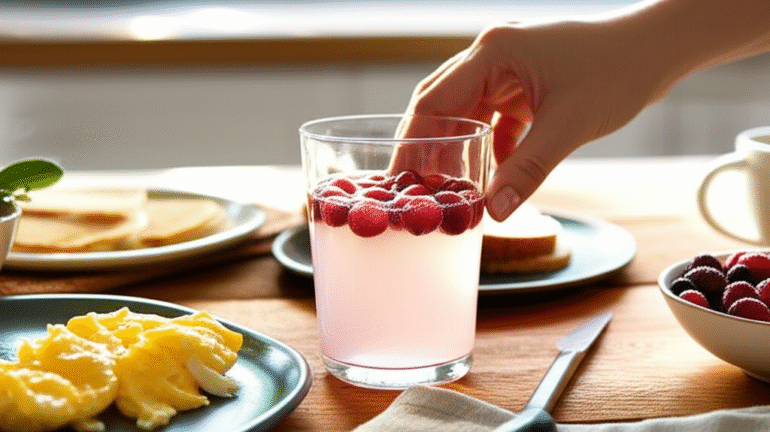
While the color may be different, white cranberry juice retains many of the beneficial nutrients found in cranberries. It’s a good source of vitamins and antioxidants, though the specific amounts can vary depending on processing and any added ingredients.
Here’s a look at what you might find in a typical serving of 100% white cranberry juice:
| Nutrient | Approximate Amount (per 8 oz serving) |
|---|---|
| Calories | ~110-130 |
| Carbohydrates | ~25-30g |
| Sugars | ~25-30g (natural sugars) |
| Vitamin C | Moderate amount (less than red cranberry juice, but still present) |
| Antioxidants (Flavonoids, Polyphenols) | Present, though potentially in slightly lower concentrations than red cranberry juice |
| Potassium | Small amount |
It’s important to check the nutrition label of any white cranberry juice you buy. Many commercial versions have added sugars or are blended with other juices, which can increase the calorie and sugar content. Opting for 100% white cranberry juice is the best way to maximize the health benefits.
Is White Cranberry Juice Good For You? Amazing Benefits
So, is white cranberry juice truly good for you? The answer is a resounding yes, thanks to its rich antioxidant content and other beneficial compounds. Let’s dive into the amazing benefits:
1. Rich in Antioxidants
Like its red counterpart, white cranberry juice is a good source of antioxidants. These powerful compounds help protect your body’s cells from damage caused by free radicals. Free radicals are unstable molecules that can contribute to aging and various chronic diseases, including heart disease and certain cancers.
Antioxidants found in white cranberries include flavonoids and polyphenols. These compounds work by neutralizing free radicals, thereby reducing oxidative stress in the body. While red cranberries might have a slightly higher concentration of certain antioxidants due to their deeper pigment, white cranberries still offer significant protective benefits.
2. May Support Urinary Tract Health
This is perhaps the most well-known benefit associated with cranberry products. Cranberries contain compounds called proanthocyanidins (PACs). These PACs are believed to prevent certain bacteria, particularly E. coli, from adhering to the walls of the urinary tract.
By preventing bacterial adhesion, PACs can help reduce the risk of urinary tract infections (UTIs). While research on white cranberry juice specifically is less extensive than on red cranberry juice, the underlying compounds are present. Therefore, it’s reasonable to believe that white cranberry juice can offer similar protective effects for urinary tract health. For more information on cranberry’s role in UTI prevention, you can refer to research from institutions like the National Center for Complementary and Integrative Health (NCCIH).
3. Supports Heart Health
The antioxidants in white cranberry juice can also play a role in promoting a healthy heart. Studies suggest that the polyphenols found in cranberries may help improve several markers of cardiovascular health.
These benefits can include:
- Helping to lower blood pressure.
- Improving cholesterol levels by reducing LDL (“bad”) cholesterol and increasing HDL (“good”) cholesterol.
- Reducing inflammation, which is a key factor in heart disease.
- Improving blood vessel function.
Regular consumption of antioxidant-rich foods and beverages like white cranberry juice can contribute to a more robust cardiovascular system.
4. Boosts Immune Function
Vitamin C is a vital nutrient for a healthy immune system, and white cranberry juice provides a decent amount. Vitamin C is an antioxidant itself and plays a crucial role in the production and function of white blood cells, which are essential for fighting off infections.
While not as high in Vitamin C as some other fruits, the contribution from white cranberry juice can still be beneficial, especially when consumed as part of a balanced diet. A strong immune system is your body’s best defense against common illnesses.
5. May Improve Digestive Health
The fiber content in whole cranberries is excellent for digestion. While juicing removes most of the fiber, white cranberry juice can still contain some beneficial compounds that support gut health.
Certain compounds in cranberries may act as prebiotics, feeding the beneficial bacteria in your gut. A healthy gut microbiome is linked to better digestion, improved nutrient absorption, and even enhanced mood and immune function.
6. Potential Anti-Cancer Properties
Research is ongoing, but some studies suggest that compounds found in cranberries may have anti-cancer properties. The antioxidants and phytochemicals in cranberries are being studied for their ability to inhibit the growth of cancer cells and prevent tumor formation.
While more research is needed, incorporating antioxidant-rich beverages like white cranberry juice into your diet could be a proactive step towards reducing your risk of certain cancers.
7. Good for Skin Health
The antioxidants in white cranberry juice can also benefit your skin. By combating free radical damage, these compounds can help protect skin cells from premature aging, such as wrinkles and loss of elasticity.
Additionally, the anti-inflammatory properties might help reduce redness and irritation in the skin. Staying hydrated by drinking juice also contributes to overall skin health by keeping it plump and moisturized.
White Cranberry Juice vs. Red Cranberry Juice: What’s the Difference?
It’s natural to wonder how white cranberry juice stacks up against the more common red variety. Here’s a simple comparison:
| Feature | White Cranberry Juice | Red Cranberry Juice |
|---|---|---|
| Color | Pale yellow to light pink | Deep red to reddish-pink |
| Taste | Milder, sweeter, less tart, less acidic | Very tart, sour, often requires sweeteners |
| Harvest Time | Typically from cranberries picked earlier in the season or specific varieties | From cranberries picked later in the season |
| Antioxidant Levels | Good source, but may be slightly lower in certain types compared to red | Excellent source, particularly rich in anthocyanins (giving the red color) |
| Vitamin C Content | Moderate | Moderate to good |
| Proanthocyanidins (PACs) | Present, beneficial for UTI prevention | Present, well-researched for UTI prevention |
| Acidity | Lower | Higher |
In essence, white cranberry juice offers a gentler taste experience while still providing many of the same core health benefits as red cranberry juice, particularly related to antioxidants and urinary tract health. The primary differences lie in flavor intensity and slight variations in antioxidant profiles.
How to Incorporate White Cranberry Juice into Your Diet
Adding white cranberry juice to your daily routine is easy and can be quite enjoyable. Here are some simple ways to do it:
1. Drink it Pure
The simplest way is to drink 100% white cranberry juice on its own. Start with a small glass (4-6 ounces) to see how you like it. Since it’s less tart, many people find it more palatable this way than red cranberry juice.
2. Mix it with Water or Sparkling Water
If you find even the 100% juice a bit too concentrated, dilute it with plain water or sparkling water. This creates a refreshing, low-calorie beverage that’s perfect for staying hydrated.
3. Create Smoothies
White cranberry juice can be a fantastic base for smoothies. Its mild flavor won’t overpower other ingredients. Try blending it with:
- Berries (strawberries, blueberries)
- Spinach or kale
- Banana
- Yogurt or protein powder
4. Use in Cocktails and Mocktails
The slightly sweet and tart profile of white cranberry juice makes it a versatile mixer. It can add a unique flavor to both alcoholic and non-alcoholic drinks.
5. Make Healthy Popsicles
Freeze white cranberry juice (perhaps mixed with a little water or other fruit juice) in popsicle molds for a healthy frozen treat.
6. As a Marinade or Glaze
The subtle acidity can help tenderize meats, and the natural sweetness can create a lovely glaze. Use it in marinades for chicken or pork, or reduce it down to a syrup to glaze vegetables.
Choosing the Right White Cranberry Juice
When you head to the store, keep these tips in mind to pick the healthiest option:
- Look for 100% Juice: This is the most important factor. Avoid juices that are “cocktails” or “blends” unless you check the ingredients and nutrition facts carefully. Added sugars and other juices can dilute the benefits.
- Check the Sugar Content: Even 100% juice contains natural sugars. Be mindful of the total sugar per serving. If you’re watching your sugar intake, consider diluting it or opting for unsweetened versions if available.
- Read the Ingredient List: The shorter, the better. Ideally, the only ingredient should be white cranberry juice concentrate or white cranberry juice.
- Consider Organic: If possible, choose organic options to reduce exposure to pesticides.
A reputable source for nutritional information on juices and their health impacts is the USDA FoodData Central, where you can find detailed breakdowns of various food products.
Potential Downsides and Considerations
While white cranberry juice offers many benefits, there are a few things to keep in mind:
- Sugar Content: As mentioned, even 100% juice contains natural sugars. Excessive consumption could contribute to higher sugar intake. Moderation is key.
- Acidity: Although less acidic than red cranberry juice, it can still affect tooth enamel. It’s a good idea to rinse your mouth with water after drinking juice.
- Interactions with Medications: Like red cranberry products, white cranberry juice might interact with certain medications, such as blood thinners (e.g., warfarin). If you are on medication, it’s always best to consult your doctor before making significant changes to your diet.
- Digestive Upset: For some individuals, consuming large amounts of juice, even white cranberry, might cause mild digestive discomfort.
It’s also worth noting that while cranberry products are associated with UTI prevention, they are not a cure. If you suspect you have a UTI, it’s crucial to seek medical advice and treatment from a healthcare professional.
Frequently Asked Questions (FAQ)
Q1: Is white cranberry juice as healthy as red cranberry juice?
White cranberry juice offers many similar health benefits, particularly from its antioxidant content and compounds that may support urinary tract health. Red cranberry juice may have slightly higher levels of certain antioxidants due to its deeper color. However, white cranberry juice is a great healthy option, especially for those who prefer its milder taste.
Q2: Can white cranberry juice help prevent UTIs?
Yes, white cranberry juice contains proanthocyanidins (PACs) that may help prevent bacteria from sticking to the urinary tract walls, potentially reducing the risk of UTIs. However, it’s not a guaranteed prevention method and should not replace medical advice or treatment.
Q3: Is white cranberry juice good for weight loss?
White cranberry juice can be a good addition to a weight loss plan if consumed in moderation and if it’s 100% juice with no added sugars. It’s a lower-calorie alternative to sugary sodas. However, it’s not a magic bullet for weight loss; a balanced diet and regular exercise are essential.
Q4: How much white cranberry juice should I drink per day?
A moderate amount, such as 4 to 8 ounces of 100% juice per day, is generally considered safe and beneficial. Listen to your body and consider your overall diet and sugar intake.
Q5: Can I drink white cranberry juice if I have diabetes?
If you have diabetes, it’s important to be mindful of the natural sugar content in white cranberry juice. Opt for 100% juice and consider diluting it with water. Always consult with your doctor or a registered dietitian to determine if it fits into your diabetes management plan.
Q6: Does white cranberry juice contain artificial sweeteners?
Pure 100% white cranberry juice should not contain artificial sweeteners. However, many cranberry juice “cocktails” or blends might. Always check the ingredient list to ensure you are consuming a natural product without added artificial ingredients.
Q7: What is the difference in taste between white and red cranberry juice?
White cranberry juice has a much milder, sweeter, and less tart flavor compared to red cranberry juice, which is very sour and acidic. This makes white cranberry juice more palatable for many people who find the taste of red cranberry juice too intense.
Conclusion
So, is white cranberry juice good for you? Absolutely! It’s a delicious and accessible way to harness the power of cranberries. Offering a milder taste that appeals to a wider range of palates, it still delivers a valuable dose of antioxidants, supports urinary tract health, and contributes to overall well-being.
Whether you drink it straight, mix it with sparkling water, or add it to your favorite smoothie, incorporating white cranberry juice into your diet is a simple step towards a healthier lifestyle. Remember to choose 100% juice to maximize the benefits and enjoy this refreshing beverage as part of a balanced and varied diet. Your body will thank you for it!
smartblander.com is a participant in the Amazon Services LLC Associates Program, an affiliate advertising program. As an Amazon Associate, we earn from qualifying purchases made through our links.
