

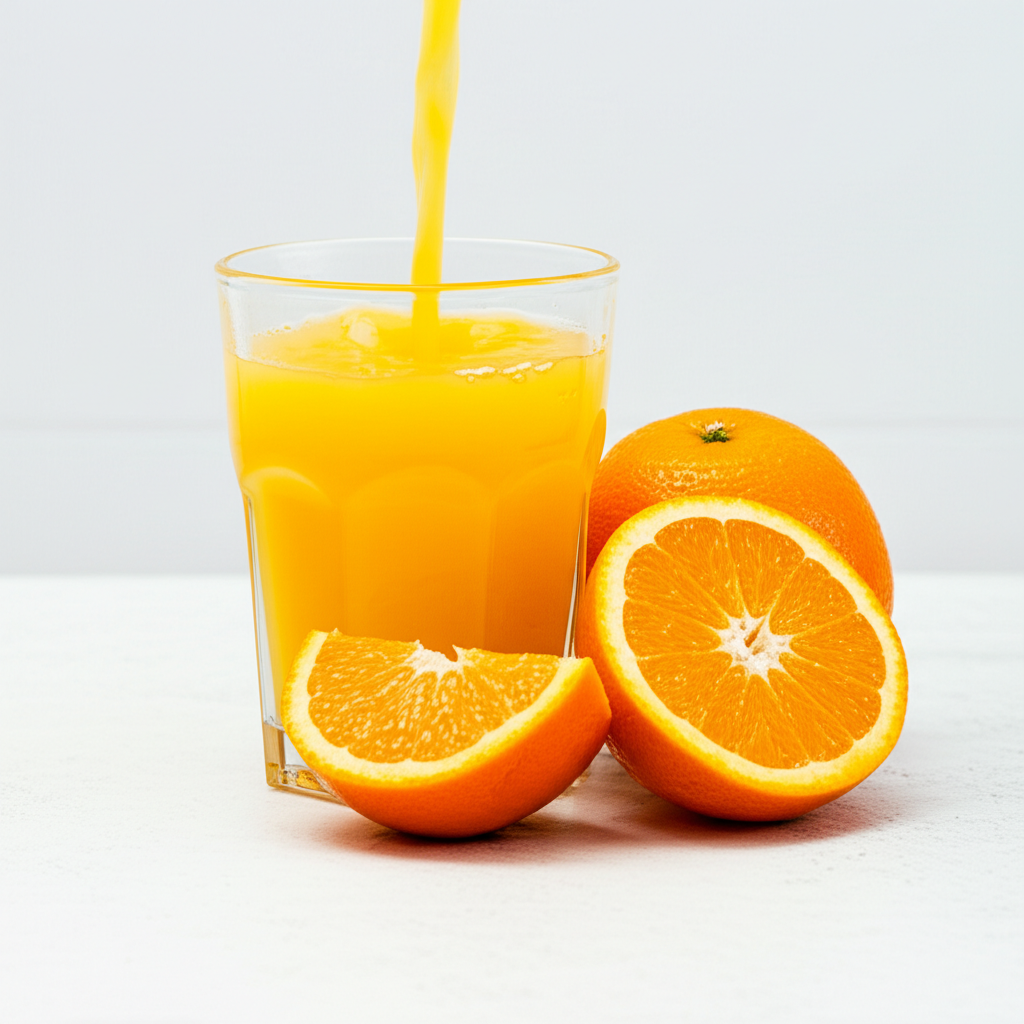
Yes, orange juice can help with mild dehydration due to its water content and electrolytes, but it’s not a complete solution. For moderate to severe dehydration, water and electrolyte solutions are best.
Key Takeaways
- Hydrate with fresh orange juice for mild thirst.
- Enjoy its natural sugars and vitamin C.
- Balance juice with plain water for optimal hydration.
- Consider electrolyte content for more intense needs.
- Freshly squeezed offers the most benefits.
- Listen to your body’s hydration signals.
Is Orange Juice Good For Dehydration? Quench Your Thirst
Feeling a bit parched? You might be wondering if that glass of orange juice you love can actually help quench your thirst and rehydrate you. It’s a common question, especially when you’re looking for a delicious way to feel better. Many people reach for sweet drinks when they feel dehydrated, but it’s important to know what works best for your body. This guide will explore how orange juice fits into your hydration strategy, offering clear, simple advice so you can confidently choose the best drinks to stay refreshed.
We’ll dive into the science behind hydration and orange juice, discuss the benefits and potential drawbacks, and even show you how to make your own revitalizing orange juice at home. Get ready to discover how to truly quench your thirst!
Understanding Dehydration: What Happens to Your Body

Dehydration occurs when your body loses more fluid than it takes in. This imbalance can affect your body’s normal functions. Even mild dehydration can make you feel tired, dizzy, and irritable. Your body needs water for almost everything it does, from regulating temperature to carrying nutrients and flushing out waste.
When you’re dehydrated, your body signals that it needs more fluids. You might feel thirsty, have a dry mouth, or notice you’re urinating less often and that the urine is darker than usual. More severe dehydration can lead to confusion, rapid heartbeat, and even be a medical emergency.
Understanding these signs is the first step to taking care of yourself. Knowing what to drink is just as important as knowing when you need to drink.
The Science of Hydration: Water, Electrolytes, and More
Hydration isn’t just about drinking water. It’s about maintaining the right balance of fluids and electrolytes in your body. Electrolytes are minerals like sodium, potassium, and chloride. They help carry electrical signals in your cells, which is crucial for muscle and nerve function, as well as keeping your body properly hydrated.
When you sweat, you lose both water and electrolytes. Replenishing both is key to effective rehydration. Plain water is excellent for replacing lost fluids. However, for significant fluid loss, especially through intense exercise or illness, you might need to replace lost electrolytes too.
The Centers for Disease Control and Prevention (CDC) emphasizes that water is essential for life. They provide resources on how much water you should aim to drink daily, which can vary based on activity level, climate, and individual health.
Orange Juice and Dehydration: A Closer Look
So, can orange juice help with dehydration? The answer is a bit nuanced. Orange juice is mostly water, which is the primary component needed for rehydration. It also contains natural sugars and some electrolytes, like potassium.
Potassium is an important electrolyte that helps your body maintain fluid balance. However, orange juice typically has a lower concentration of sodium and chloride compared to what is lost during heavy sweating or illness. These are also key electrolytes for rehydration. Therefore, while orange juice can contribute to fluid intake, it might not be the most efficient way to replace all lost electrolytes.
The natural sugars in orange juice can also be a consideration. While they provide energy, too much sugar can sometimes slow down fluid absorption. For mild dehydration, the water content and potassium can be beneficial, offering a tasty alternative to plain water.
Benefits of Orange Juice for Hydration
Here are some ways orange juice can support your hydration efforts:
- Water Content: The primary ingredient in orange juice is water, making it effective for replenishing lost fluids.
- Potassium Source: Oranges contain potassium, an important electrolyte that helps regulate fluid balance.
- Vitamin C Boost: Orange juice is famous for its high vitamin C content, which supports immune function.
- Palatability: For many, the sweet and tangy taste makes it more enjoyable to drink than plain water, encouraging increased fluid intake.
- Energy Source: The natural sugars provide a quick energy boost, which can be helpful when feeling sluggish due to dehydration.
Potential Drawbacks of Orange Juice for Dehydration
While beneficial, orange juice isn’t always the perfect hydration solution. Here’s why:
- Sugar Content: Commercially produced orange juice can be high in added sugars, which might not be ideal for rehydration. Even 100% juice contains natural sugars that can be concentrated.
- Lower Electrolyte Balance: It lacks sufficient amounts of sodium and chloride, crucial for rapid rehydration after significant fluid loss.
- Acidity: The acidity can sometimes irritate an upset stomach, which can be a symptom of dehydration or illness.
- Not a Sole Solution: For severe dehydration, relying solely on orange juice can be insufficient.
When is Orange Juice a Good Choice?
Orange juice is a good choice for hydration in specific situations. Think of it as a complementary drink rather than a primary one for serious rehydration needs.
For Mild Dehydration: If you feel slightly thirsty, have a dry mouth, or haven’t had enough to drink during a normal day, a glass of orange juice can help. It provides fluids and a bit of potassium. It’s a more appealing option than plain water for some people.
As a Part of a Balanced Diet: When you’re just trying to meet your daily fluid goals and want something flavorful, orange juice can be a great addition. It contributes to your overall fluid intake while also offering vitamins.
For Athletes (with caution): For moderate exercise, a diluted orange juice can provide fluids, carbohydrates for energy, and some potassium. However, for prolonged or intense workouts, specialized sports drinks that offer a better electrolyte balance are usually recommended. The American College of Sports Medicine provides guidelines on hydration for athletes.
When to Choose Other Hydration Options
There are times when other drinks are a better choice than orange juice for rehydration.
For Moderate to Severe Dehydration: If you’ve experienced significant fluid loss due to vomiting, diarrhea, high fever, or intense, prolonged exercise, you need more than just water or juice. Oral rehydration solutions (ORS) are specifically designed to replace lost water and electrolytes in the correct proportions. These are often recommended by healthcare professionals for illness-related dehydration.
When Avoiding Sugar: If you are managing your sugar intake due to diabetes or other health reasons, the natural sugars in orange juice might make it less suitable. In such cases, plain water, unsweetened herbal teas, or water infused with fruits are better options.
For Stomach Upset: If you have nausea or an upset stomach, the acidity of orange juice might worsen your symptoms. Clear broths, plain water, or ginger ale (in moderation) might be more soothing.
Making Your Own Fresh Orange Juice: The Best Approach
Making your own orange juice at home is a fantastic way to control what goes into your drink and maximize its benefits. Freshly squeezed juice is vibrant, flavorful, and free from added sugars and preservatives often found in store-bought versions. It’s the closest you can get to nature’s perfect hydration.
What You’ll Need: Your Juicing Toolkit
You don’t need fancy equipment to make delicious orange juice. Here are a few options:
- Citrus Juicer (Manual or Electric): This is the simplest tool. You cut an orange in half and press it down onto the reamer. Manual ones are inexpensive and easy to use. Electric ones make the job quicker and require less effort.
- Blender or Food Processor: You can blend whole peeled oranges (seeds removed) with a little water. You’ll then need to strain the pulp through a fine-mesh sieve or cheesecloth to get a juice-like consistency.
- Masticating Juicer: These high-end juicers extract more juice from fruits and vegetables. They are more expensive but yield the best quality juice with minimal oxidation.
Step-by-Step: How to Make Fresh Orange Juice
Let’s get juicing! It’s easier than you think.
- Choose Your Oranges: Select ripe, juicy oranges. Navel oranges are popular for their sweetness and seedlessness. Valencia oranges are also excellent for juicing.
- Wash the Oranges: Rinse the oranges thoroughly under cool running water.
- Prepare the Oranges:
- For Citrus Juicers: Cut the oranges in half horizontally.
- For Blenders: Peel the oranges and remove any large seeds. You can cut them into segments.
- Juice the Oranges:
- With a Citrus Juicer: Place an orange half, cut-side down, on the reamer and press down while twisting. Collect the juice in a glass or pitcher.
- With a Blender: Place the peeled orange segments in the blender with about 1/4 cup of water per orange. Blend until smooth.
- Strain (if using a blender): Pour the blended mixture through a fine-mesh sieve placed over a bowl or pitcher. Press down on the pulp with a spoon to extract as much liquid as possible. Discard the pulp or save it for other recipes.
- Serve Immediately: Freshly squeezed orange juice is best enjoyed right away to preserve its nutrients and flavor.
Tips for the Perfect Fresh Juice
- Room Temperature is Key: Juicing oranges at room temperature yields more juice than cold ones.
- Roll Your Oranges: Before cutting, firmly roll the oranges on your countertop. This helps break down the internal membranes, making them easier to juice.
- Don’t Over-Strain: If you like a little pulp in your juice, don’t strain it too finely.
- Dilute if Needed: If the taste is too strong or sweet, you can dilute it with a little water.
Nutritional Breakdown: What’s in Your OJ?
Understanding the nutritional content of orange juice helps you make informed choices about your hydration. Here’s a look at what you can expect, using a typical 8-ounce (240ml) serving of 100% orange juice as an example.
| Nutrient | Amount |
|---|---|
| Calories | 110-120 |
| Carbohydrates | 26-29g |
| Sugars (Natural) | 20-23g |
| Fiber | <1g |
| Vitamin C | 90-120% Daily Value (DV) |
| Potassium | 450-500mg |
| Folate | 10-15% DV |
| Thiamin (Vitamin B1) | 8-10% DV |
As you can see, orange juice is a good source of vitamin C and provides some potassium and other B vitamins. However, it’s also calorie-dense and high in natural sugars, with very little fiber if it’s been strained.
For comparison, let’s look at plain water:
| Nutrient | Amount (8 oz) |
|---|---|
| Calories | 0 |
| Carbohydrates | 0g |
| Sugars | 0g |
| Fiber | 0g |
| Vitamin C | 0% DV |
| Potassium | 0mg |
This comparison highlights why plain water is the undisputed champion for pure hydration without added calories or sugar. Orange juice, while nutritious, is more of a beverage that offers hydration along with other benefits.
Pro Tips for Staying Hydrated
Here are some expert tips to ensure you’re always well-hydrated, whether you’re reaching for orange juice or plain water:
- Listen to Your Body: Thirst is your body’s signal that you need fluids. Don’t ignore it!
- Sip Throughout the Day: Don’t wait until you’re very thirsty. Take sips of water regularly.
- Carry a Water Bottle: Keep a reusable water bottle with you at all times.
- Flavor Your Water: If you find plain water boring, add slices of lemon, lime, cucumber, or berries.
- Eat Hydrating Foods: Many fruits and vegetables, like watermelon, cucumber, and strawberries, have high water content.
- Monitor Urine Color: Pale yellow urine usually indicates good hydration. Dark yellow or amber urine suggests you need to drink more.
- Adjust for Activity and Climate: Drink more fluids when it’s hot, humid, or when you’re exercising.
Hydration Beyond Juice: Other Healthy Choices
While orange juice can play a role, a balanced hydration strategy includes a variety of fluid sources.
1. Plain Water
The ultimate hydrator! It’s calorie-free, sugar-free, and essential for all bodily functions. Aim to make it your primary beverage.
2. Herbal Teas
Unsweetened herbal teas (like chamomile, peppermint, or hibiscus) are hydrating and can offer soothing benefits. They are a great way to add variety to your fluid intake.
3. Coconut Water
This natural beverage is a good source of electrolytes, particularly potassium. It can be a good option for replenishing fluids and electrolytes, especially after moderate exercise. However, it also contains natural sugars.
4. Milk
Milk, especially low-fat varieties, is a surprisingly effective rehydrator. It contains water, carbohydrates, protein, and electrolytes like sodium and potassium, making it beneficial after exercise.
5. Oral Rehydration Solutions (ORS)
As mentioned, for significant fluid loss due to illness, ORS are critical. You can buy them at pharmacies or make a simple homemade version with water, sugar, and salt, though commercially prepared ones are precisely balanced. The World Health Organization (WHO) provides guidelines for ORS preparation and use.
6. Smoothies
When made with a base of water, milk, or yogurt, and packed with fruits and vegetables, smoothies can be very hydrating. They also offer fiber and nutrients. Be mindful of added sugars and portion sizes.
Frequently Asked Questions (FAQs)
Q1: Can I drink orange juice if I have diabetes?
If you have diabetes, you should consume orange juice with caution. While it contains natural sugars, the concentrated sugar content can impact blood glucose levels. It’s best to discuss with your doctor or a registered dietitian. Opting for whole oranges (which have fiber) or very diluted juice might be better choices.
Q2: How much orange juice is too much when trying to hydrate?
For hydration, it’s generally recommended to limit juice intake. A standard serving is about 4-6 ounces. Consuming too much can lead to excess sugar and calorie intake. Plain water should always be your primary hydration source. Excessive juice can also lead to digestive discomfort for some.
Q3: Does orange juice help with hangovers?
Orange juice can help somewhat with hangover symptoms due to its fluid and vitamin C content. Vitamin C may help your body metabolize alcohol more efficiently. However, it doesn’t replace the need for electrolytes lost during drinking, and the sugar can sometimes worsen nausea. Water is still crucial.
Q4: Is fresh orange juice better than store-bought for dehydration?
Yes, fresh orange juice is generally better. It contains more natural nutrients and lacks the added sugars and preservatives found in many store-bought versions. It also offers a more vibrant flavor. However, both provide water for hydration.
Q5: Can I use orange juice to rehydrate my child?
For children, especially those experiencing vomiting or diarrhea, plain water is often recommended first for mild dehydration. For more significant fluid loss, pediatric oral rehydration solutions are the safest and most effective choice. Always consult a pediatrician for guidance on rehydrating children.
Q6: What are the signs of severe dehydration that require medical attention?
Signs of severe dehydration include extreme thirst, confusion or irritability, sunken eyes, dry mouth and tongue, lack of sweating, very little or no urination, dizziness, and rapid heartbeat. If you experience any of these, seek immediate medical help.
Conclusion
So, is orange juice good for dehydration? In short, yes, it can be a helpful part of your hydration strategy, especially for mild thirst. Its water content is key, and the potassium offers a small boost of electrolytes. Making your own fresh orange juice at home is the best way to enjoy its benefits without added sugars or preservatives. Remember, it’s a delicious way to add flavor and nutrients to your fluid intake.
However, for significant fluid loss, particularly due to illness or intense physical activity, plain water and specialized oral rehydration solutions remain the gold standard. Orange juice should be seen as a complementary beverage, not a primary replacement for water. By understanding your body’s needs and the properties of different drinks, you can confidently choose the best ways to quench your thirst and stay healthy.
smartblander.com is a participant in the Amazon Services LLC Associates Program, an affiliate advertising program. As an Amazon Associate, we earn from qualifying purchases made through our links.
