


Are you trying to decide between juicing and blending but don’t know which one is better for your health? You’re not alone.
Both methods have their fans, but they offer very different benefits. What if choosing the right one could boost your energy, improve digestion, and help you feel better every day? Keep reading, because understanding the key differences will help you make the best choice for your body and lifestyle.
By the end, you’ll know exactly which option fits your goals—and why it matters to your health right now.
Juicing Basics
Juicing is a popular way to enjoy fruits and vegetables quickly. It extracts the liquid from produce, leaving behind pulp and fiber. This method gives a smooth, drinkable form that many find refreshing and easy to consume. Understanding juicing basics helps you choose the right method for your health goals.
Juices can be packed with vitamins, minerals, and antioxidants. They are an easy way to increase your daily intake of fresh produce. Learning how juicing works and what ingredients to use can improve your experience and benefits.
How Juicing Works
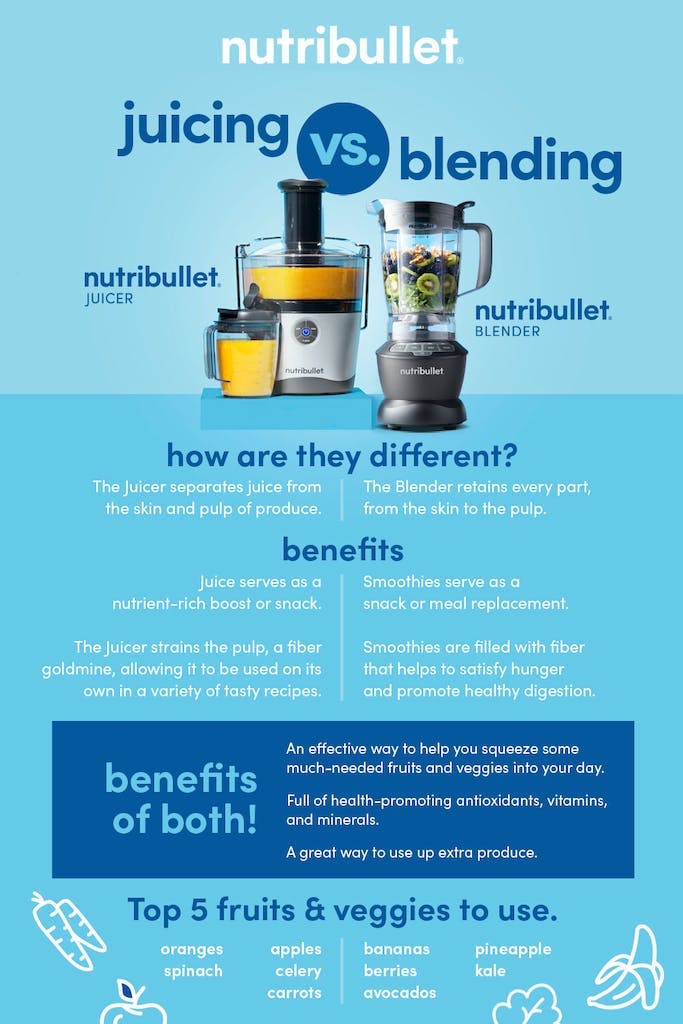
Juicing uses a machine to crush fruits and vegetables. It separates the juice from the pulp. The pulp contains most of the fiber, which is left behind. The juice holds the vitamins, minerals, and water-soluble nutrients. This process creates a smooth liquid that is easy to drink.
Common Juicing Ingredients
Popular juicing ingredients include carrots, apples, and celery. Leafy greens like spinach and kale are also common. Citrus fruits such as oranges and lemons add flavor and vitamin C. Some people add ginger or cucumber for extra taste and health benefits. Choosing fresh and organic produce improves juice quality.
Nutrient Profile In Juices
Juices contain high levels of vitamins and minerals. Vitamin C and potassium are often found in large amounts. Juicing removes most fiber but keeps antioxidants and enzymes. This makes nutrients easier to absorb quickly. Drinking juice can boost energy and support immune health.
Blending Essentials
Blending is a popular method to prepare fruits and vegetables. It keeps all parts of the ingredients. This method creates thick, creamy drinks called smoothies. Smoothies are filling and can replace meals or snacks. Understanding blending essentials helps you make tasty and healthy drinks.
Blending uses the whole fruit or vegetable, including the fiber. The process is quick and easy. You can mix many ingredients at once. Let’s explore how blending works and what ingredients work best.
Blending Process Explained
The blending process uses a machine with sharp blades. These blades chop and crush ingredients into a smooth mix. The motor spins the blades fast to break down foods. This process keeps the fiber and pulp in the drink. You can control the texture by blending longer or shorter. Adding liquids like water or milk helps the blades move smoothly.
Popular Blending Ingredients
Common blending ingredients include fruits like bananas, berries, and mangoes. Vegetables such as spinach, kale, and carrots add nutrients. Yogurt, milk, or plant-based milk make smoothies creamy. Seeds like chia or flax add healthy fats. Protein powders or nut butters boost nutrition and taste. You can mix sweet and savory ingredients for variety.
Nutrient Retention In Smoothies
Smoothies keep most nutrients from the whole food. Fiber stays intact, which helps digestion and fullness. Vitamins and minerals are well preserved. Blending does not remove important parts like juicing does. Some heat may form from blending, but it rarely harms nutrients. Drinking smoothies soon after making them keeps nutrients fresh.
Health Benefits Comparison
Choosing between juicing and blending affects the health benefits you get. Both methods use fruits and vegetables but change their nutrients differently. Knowing these changes helps you pick the best option for your body.
Below is a clear comparison of their effects on vitamins, minerals, fiber, and digestion.
Vitamins And Minerals
Juicing removes most solid parts of fruits and vegetables. This leaves behind a liquid rich in vitamins and minerals. The juice gives a quick dose of nutrients that your body can absorb fast. Some vitamins may reduce if juice sits too long.
Blending keeps all parts of the produce. This means you get the full amount of vitamins and minerals. Blended drinks contain both juice and pulp, offering a wider range of nutrients.
Fiber Content
Juicing removes most fiber, especially insoluble fiber. Fiber is important for feeling full and for healthy digestion. Without fiber, juice may cause blood sugar to rise quickly.
Blending keeps all the fiber from fruits and vegetables. This helps slow down sugar absorption. Fiber also supports heart health and weight control. Blended drinks are more filling and better for digestion.
Impact On Digestion
Juicing gives your stomach a rest by removing fiber. This may help if you have a weak digestive system. Juice is easier to digest but may not keep you full long.
Blended drinks take longer to digest due to fiber content. This supports steady energy and better digestion. Fiber also helps keep your gut healthy and regular.
Credit: www.nutribullet.com
Taste And Texture Differences
Taste and texture are key when choosing between juicing and blending. Both methods change the way fruits and vegetables feel and taste. Understanding these differences helps pick the best option for your palate.
Flavor Profiles
Juicing gives a fresh, clean taste. It removes pulp, so flavors become more direct and intense. You taste the pure juice of fruits or vegetables without extra bits.
Blending keeps all parts of the fruit or vegetable. This keeps flavors mixed and fuller. The taste can be richer and sometimes sweeter because of the fiber and pulp.
Mouthfeel And Consistency
Juices feel smooth and light on the tongue. They are thin and easy to drink fast. The lack of pulp means no chewiness or thickness.
Blended drinks have a thicker, creamier texture. You feel the tiny pieces of pulp and fiber. This makes the drink more filling and gives a slight chew.
Convenience And Equipment
Choosing between juicing and blending often depends on how easy and fast the process is. Convenience and the type of equipment you need play a big role. Both methods need different machines and steps. Knowing about these can help you pick the best option for your daily routine.
Types Of Juicers And Blenders
Juicers come in two main types: centrifugal and masticating. Centrifugal juicers work fast and are usually cheaper. Masticating juicers press fruits and vegetables slowly. This keeps more nutrients but takes longer. Blenders mix whole fruits and veggies. They can be simple or high-powered. High-powered blenders handle tough ingredients better. Both juicers and blenders come in many sizes and prices. Choose one that fits your kitchen space and budget.
Preparation And Cleanup Time
Juicing needs more cutting and peeling. You must remove seeds and tough skins. Juicers also create pulp that needs cleaning. This can take extra time. Blenders need less prep. You can put whole fruits or chopped pieces inside. Cleanup is often easier with blenders. Most blender parts are dishwasher safe. Juicers have more parts to wash by hand. Quick cleanup saves time, especially on busy days.
Credit: dietitiandebbie.com
Potential Drawbacks
Both juicing and blending offer health benefits but also come with some drawbacks. Knowing these downsides helps you choose the best option for your diet and lifestyle. Understanding the potential problems can prevent surprises later.
Sugar Content Concerns
Juicing removes fiber, leaving mostly liquid with natural sugars. This can cause a quick rise in blood sugar levels. Drinking juice too often may increase your risk of weight gain and other health issues. Blended drinks keep the whole fruit, which slows sugar absorption.
Calorie Considerations
Juices can be high in calories without making you feel full. It is easy to drink many calories fast with juice. Blending keeps fiber, so it helps you feel satisfied longer. This can prevent overeating later in the day. Counting calories in juices is important for weight control.
Loss Of Fiber In Juicing
Juicing removes most fiber from fruits and vegetables. Fiber helps digestion and keeps you full. Without fiber, juice may not support healthy digestion as well. Blended drinks keep all the fiber, making them better for gut health. Fiber also helps control blood sugar and cholesterol.
Choosing The Right Option
Choosing between juicing and blending depends on your personal needs. Both methods offer unique benefits. Understanding your goals and daily habits helps you pick the right option. Consider what fits best with your taste and lifestyle.
Goals And Preferences
Juicing removes pulp, giving a smooth, nutrient-packed drink. It suits those who want quick absorption of vitamins. Blending keeps the fiber, helping digestion and fullness. Choose juicing for a light, refreshing drink. Pick blending for a thicker, more filling option.
Lifestyle Factors
Juicing takes more time and cleaning effort. It works well if you have extra time for prep. Blending is faster and easier to clean. It fits better with busy schedules. Think about how much time you can spend on making drinks.
Budget And Accessibility
Juicers often cost more and require special machines. Blenders are usually more affordable and common. Juicing needs more fruits and vegetables, which can add up. Blending uses whole produce, saving money and reducing waste. Consider your budget and what tools you already have.

Credit: www.joyoushealth.com
Frequently Asked Questions
What Are The Main Differences Between Juicing And Blending?
Juicing extracts liquid and removes pulp, providing a nutrient-rich drink. Blending uses whole fruits and vegetables, keeping fiber intact for better digestion and fullness.
Is Juicing Or Blending Healthier For Weight Loss?
Blending is generally better for weight loss due to fiber content. Fiber slows digestion, controls hunger, and stabilizes blood sugar, aiding long-term weight management.
Which Method Retains More Nutrients, Juicing Or Blending?
Blending retains more nutrients because it uses the whole produce. Juicing can lose some nutrients, especially fiber and certain antioxidants, during extraction.
Can Juicing Or Blending Improve Digestion Better?
Blending improves digestion better by preserving fiber that supports gut health. Juicing lacks fiber, which may not promote digestive regularity as effectively.
Conclusion
Both juicing and blending offer unique health benefits. Juicing extracts liquid, leaving fiber behind. This helps your body absorb nutrients quickly. Blending keeps all parts of the fruit or vegetable. It provides more fiber, which aids digestion. Choose juicing for a light, nutrient-rich drink.
Pick blending for a filling, fiber-packed smoothie. Both support a healthy lifestyle in different ways. Try both to see which suits you best. Your body will thank you either way. Simple choices lead to better health every day.
smartblander.com is a participant in the Amazon Services LLC Associates Program, an affiliate advertising program. As an Amazon Associate, we earn from qualifying purchases made through our links.
