

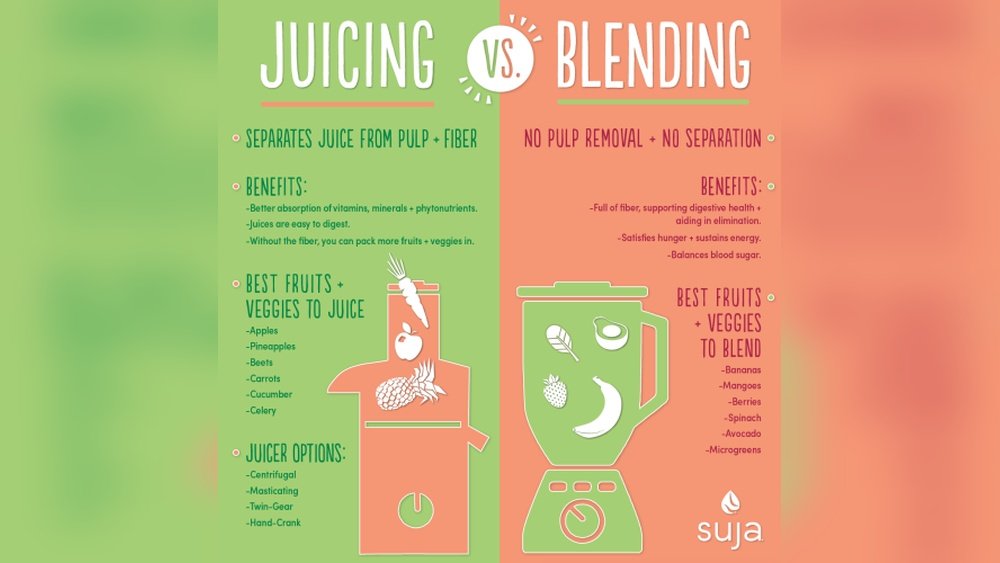
Are you trying to decide if juicing or blending is the better choice for your health? Both methods promise fresh, nutritious drinks, but which one truly gives you more benefits?
Understanding the difference can change the way you fuel your body every day. Keep reading to discover how each method affects your nutrients, energy, and overall well-being. This simple insight could make a big difference in your daily routine.

Credit: www.joyoushealth.com
Juicing Basics
Juicing is a popular way to enjoy fruits and vegetables. It extracts the liquid and nutrients, leaving behind the pulp. This process provides a smooth, nutrient-rich drink. Understanding the basics of juicing helps in choosing the right method and tools.
How Juicing Works
Juicing separates juice from the solid parts of fruits and vegetables. The machine crushes or grinds the produce. Then, it squeezes the juice out. The remaining pulp contains fiber, which is left behind. The juice contains vitamins, minerals, and natural sugars. It offers a quick way to consume many nutrients.
Types Of Juicers
Centrifugal juicers use fast spinning blades to shred produce. They work quickly but may add air to the juice. Masticating juicers crush and press fruits slowly. This method keeps more nutrients and makes less foam. Twin-gear juicers use two gears to crush produce thoroughly. They create thick, smooth juice with high nutrient content. Each type suits different needs and budgets.
Credit: www.goodnature.com
Blending Basics
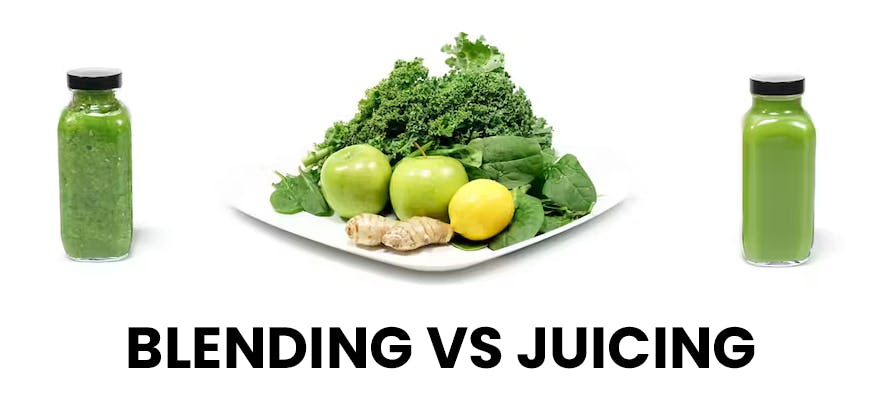
Blending is a popular way to prepare fruits and vegetables. It keeps all parts of the food, including fiber. This helps digestion and keeps you full longer. Blending mixes ingredients into a smooth drink. It is simple and quick to do at home.
Many people enjoy smoothies and shakes made by blending. Blending keeps the natural color and taste of fruits. It also allows you to add different ingredients like yogurt or nuts. This makes your drink more nutritious and tasty.
How Blending Works
A blender uses sharp blades that spin fast. These blades chop and crush fruits and vegetables. The motor powers the blades to break down the food. The result is a thick, smooth mixture called a smoothie. You can control the texture by blending longer or shorter.
Blending keeps all parts of the fruit or vegetable. This includes fiber, vitamins, and minerals. Fiber helps slow sugar absorption and aids digestion. Blending does not remove any juice or pulp. This makes it a healthy way to enjoy whole foods.
Types Of Blenders
There are several types of blenders on the market. Each type serves different needs and budgets. The most common are countertop blenders. These are powerful and good for making large batches.
Personal blenders are smaller and easy to carry. They work well for single servings. High-speed blenders can crush ice and nuts easily. They are more expensive but very efficient. Choose a blender based on what you want to make and how often you will use it.
Nutritional Differences
Nutritional differences between juicing and blending affect your health. Both methods prepare fruits and vegetables but change their nutrients differently. Understanding these changes helps you choose the best option for your diet.
Fiber Content
Blending keeps all the fiber from fruits and vegetables. This fiber helps digestion and keeps you full longer. Juicing removes most fiber, leaving only the juice behind. Without fiber, juices may cause quicker sugar spikes in blood. Blended drinks are thicker and more filling due to fiber.
Vitamin And Mineral Retention
Juicing extracts vitamins and minerals but can lose some during process. Certain vitamins like vitamin C may break down faster in juice. Blending keeps all parts of the fruit or vegetable, preserving more nutrients. However, blending exposes nutrients to air, which may reduce some vitamins. Both methods deliver good vitamins but in different amounts.
Health Benefits
Juicing and blending both offer unique health benefits. Choosing between them depends on what nutrients you want and how you prefer your drinks. Understanding the health benefits helps make a better choice for your diet.
Juicing Benefits
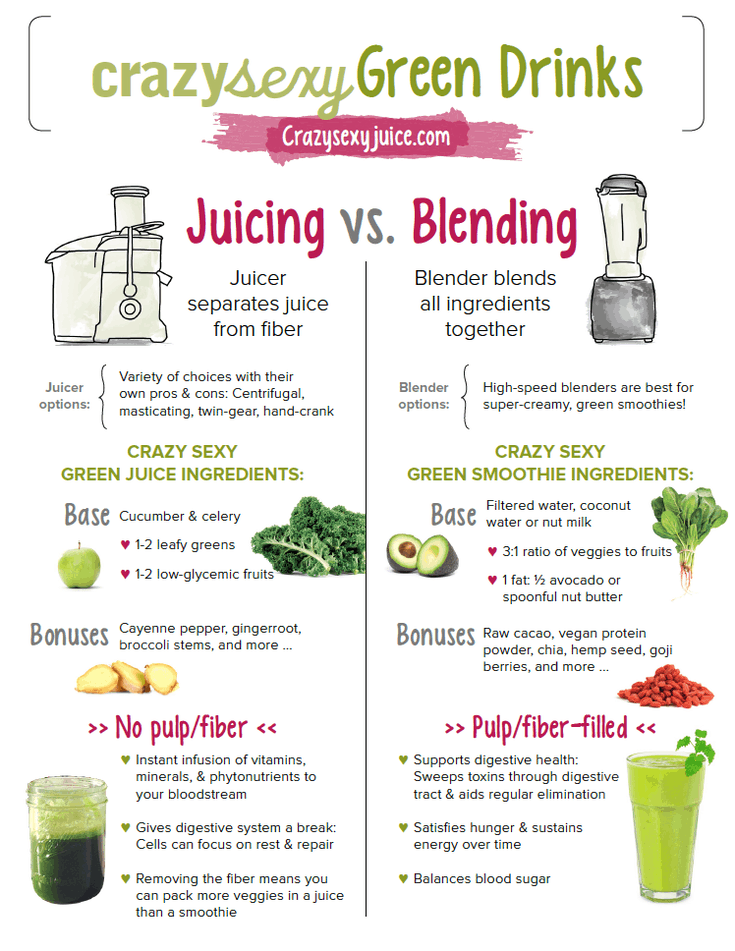
Juicing extracts liquid from fruits and vegetables. It removes pulp and fiber, making the drink smooth. This process provides a quick boost of vitamins and minerals. Juices are easy to digest and absorb rapidly into the body. They help increase hydration and deliver antioxidants efficiently. Juicing can support detoxification and improve skin health. It is ideal for those who want a concentrated nutrient intake.
Blending Benefits
Blending keeps the whole fruit or vegetable, including fiber. This helps digestion and promotes fullness after drinking. Blended drinks contain more fiber, which aids in blood sugar control. They help maintain healthy cholesterol levels and support gut health. Blending preserves all nutrients and adds texture to the drink. It is a good choice for those wanting a balanced meal or snack. Blended drinks can also help with weight management by reducing hunger.
Potential Drawbacks
Choosing between juicing and blending means understanding their downsides. Both methods have limits that might affect your health or convenience. Knowing these can help you pick the best option for your lifestyle and goals.
Juicing Concerns
Juicing removes the fiber from fruits and vegetables. This loss can cause blood sugar to rise quickly. Without fiber, you might feel hungry sooner after drinking juice. Juicing also wastes some nutrients found in the pulp. The high sugar content in juice may not suit those with diabetes. Juicers can be hard to clean and take up space in the kitchen.
Blending Concerns
Blending keeps the fiber but can create thick drinks that some dislike. The fiber can make digestion slower, which might not be ideal before workouts. Blended drinks may spoil faster than juice because of the fiber content. Some people find smoothies too filling or heavy. Blenders can be noisy and require more power than juicers.
Effect On Digestion
Digestive health plays a key role in how our bodies use nutrients. Juicing and blending both affect digestion differently. Understanding these effects helps choose the right method for your needs.
Juicing And Digestion
Juicing removes the fiber from fruits and vegetables. This means the juice is mostly liquid and nutrients. The body absorbs these nutrients quickly. Juicing can give your digestive system a break. It is easier to digest for those with sensitive stomachs. However, lack of fiber may reduce feelings of fullness. Juices can cause blood sugar to rise faster. Juicing supports fast nutrient delivery but may lack fiber benefits.
Blending And Digestion
Blending keeps the fiber from fruits and vegetables. This helps slow digestion and nutrient absorption. Fiber supports healthy digestion and bowel movements. Blended drinks are thicker and fill you up more. The body works harder to break down the fiber. This can improve gut health over time. Blending offers a more complete form of nutrition. It supports steady energy and long-term digestive health.
Cost And Convenience
Cost and convenience play a big role in choosing between juicing and blending. Both methods need tools and time. Understanding the costs and ease of use helps pick the best option for daily use.
Equipment And Maintenance
Juicers often cost more than blenders. They have many parts that need cleaning. Some juicers take longer to wash. Blenders are usually simpler with fewer pieces. Cleaning a blender is faster and easier. Juicers also need more space on your counter. Blenders tend to be smaller and lighter. This makes blenders easier to store and move.
Time And Preparation
Juicing needs extra time to prepare fruits and vegetables. You must peel and cut them into small pieces. This helps the juicer work better. After juicing, cleaning the machine takes time too. Blending requires less prep work. You can put whole fruits or vegetables inside. Blenders also clean quickly, saving time. For busy people, blending might be more convenient.
Credit: www.drkarenslee.com
Taste And Texture
Taste and texture play a big role in choosing between juicing and blending. Both methods use fruits and vegetables but create very different drinks. Understanding these differences helps you pick the right option for your needs and preferences.
Flavor Profiles
Juicing extracts liquid and leaves behind pulp. This process creates a bright, pure flavor. Juices often taste sweeter and lighter. The natural sugars shine through without interference from fibers.
Blending keeps the whole fruit or vegetable. This gives a fuller flavor with more variety. The taste can be richer and more complex. Blended drinks might taste earthier because of the skin and pulp.
Mouthfeel Differences
Juices feel thin and smooth in your mouth. They slide down quickly and refresh fast. The lack of pulp makes them light and easy to drink.
Blended drinks are thicker and creamier. The fibers add a bit of texture and bulk. This makes the drink feel heavier and more filling. Some people enjoy chewing a little while sipping.
Which Is Better For Weight Loss?
Choosing between juicing and blending for weight loss depends on several factors. Both methods offer healthy ways to consume fruits and vegetables. Each has unique effects on hunger, calories, and nutrients. Understanding these differences helps make the right choice for your weight loss goals.
Calorie Control And Satiety
Juicing removes fiber, leaving mostly liquid and natural sugars. This can mean fewer calories but less fullness. Blending keeps the fiber, which helps you feel full longer. Fiber slows digestion and controls appetite. For weight loss, feeling full prevents overeating.
Nutrient Absorption
Juices provide vitamins and minerals in a quick, easy-to-digest form. The body absorbs nutrients faster without fiber. Blended drinks take longer to digest but offer steady nutrient release. Both methods support weight loss by delivering essential nutrients.
Impact On Blood Sugar Levels
Juices can cause blood sugar spikes due to high sugar content and lack of fiber. This might increase hunger soon after drinking. Blended drinks release sugar slowly, stabilizing blood sugar. Stable blood sugar helps control cravings and supports weight loss.
Practicality And Portion Control
Juices often require more fruits and vegetables for one serving. This can add calories quickly. Blended drinks need less produce and include fiber, reducing calorie intake. Measuring portions is easier with blended drinks, aiding weight loss efforts.
Choosing Based On Lifestyle
Choosing between juicing and blending depends on your daily habits and needs. Each method suits different lifestyles and goals. Knowing your routine helps pick the best option.
Consider how much time you have and the way you like to eat fruits and vegetables. Both juicing and blending offer health benefits but fit differently into daily life.
Juicing is ideal for quick absorption of nutrients. It removes fiber, making drinks light and fast to digest. Perfect for busy mornings or quick snacks.
People who want fast energy without feeling full often prefer juicing. It’s a simple way to get many vitamins in one glass.
Blending keeps all the fiber, making drinks thicker and more filling. It works well as a meal replacement or a healthy snack.
This suits those who need longer-lasting energy and want to feel full. Blended drinks help with hunger and can reduce overeating.
Juicing machines often require more cleaning due to pulp waste. Some users find this time-consuming and less convenient.
Blenders are easier to clean and usually need less prep. This fits well with busy schedules and simple kitchen routines.
Juices have a smooth, watery texture and pure fruit or vegetable flavor. People who dislike pulp often choose juicing.
Blends are thicker and can include seeds, skins, and pulp. This adds texture and fiber, which some enjoy for variety.
Frequently Asked Questions
What Are The Main Differences Between Juicing And Blending?
Juicing extracts liquid, removing fiber for quick nutrient absorption. Blending keeps fiber, promoting digestion and fullness. Juicing offers concentrated vitamins; blending provides whole food benefits, including fiber and antioxidants. Both methods suit different dietary needs and preferences.
Is Juicing Healthier Than Blending Fruits And Vegetables?
Juicing provides concentrated nutrients but lacks fiber. Blending retains fiber, aiding digestion and blood sugar control. Neither is strictly healthier; choice depends on your health goals and digestive tolerance. Both can support a balanced diet when used wisely.
Which Method Helps With Weight Loss Better, Juicing Or Blending?
Blending promotes fullness due to fiber, reducing overall calorie intake. Juicing delivers fewer calories but can spike blood sugar. For weight loss, blending is often more effective by controlling hunger and maintaining stable energy levels.
Can Juicing Or Blending Improve Digestion More Effectively?
Blending improves digestion by preserving fiber, which aids bowel movements and gut health. Juicing removes fiber, offering quick nutrient absorption but less digestive benefit. For better digestion, blending is generally preferred.
Conclusion
Juicing extracts nutrients and removes fiber, offering quick absorption. Blending keeps fiber, giving you more fullness and slower digestion. Both methods deliver vitamins and minerals in tasty ways. Your choice depends on your health goals and taste preferences. Try both to see which suits your lifestyle best.
Enjoy fresh fruits and veggies regularly for better health. Simple, natural, and fresh always wins.
smartblander.com is a participant in the Amazon Services LLC Associates Program, an affiliate advertising program. As an Amazon Associate, we earn from qualifying purchases made through our links.
