

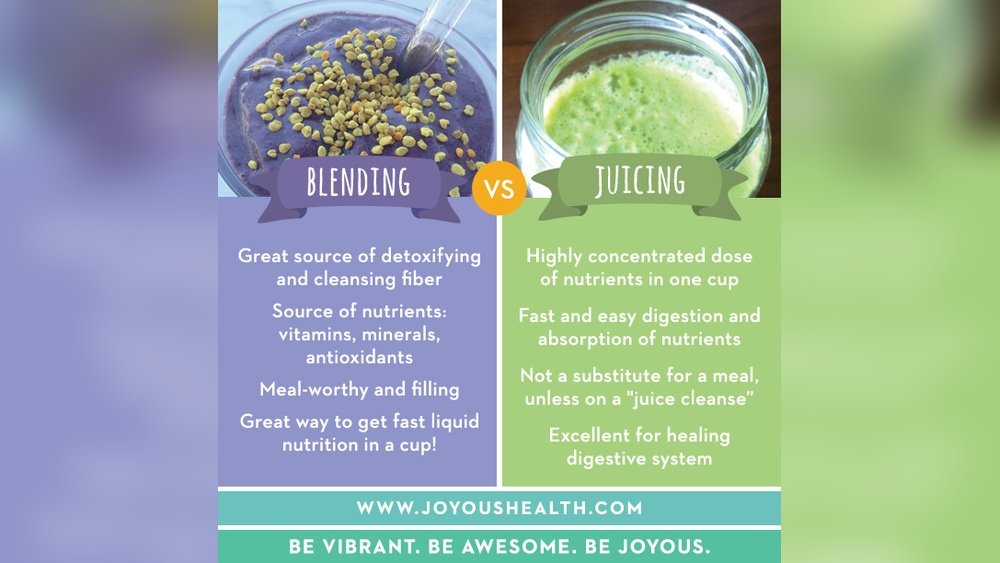
Are you torn between juicing and blending but not sure which is better for your health? You might think they’re similar, but the truth is, each method affects your body in very different ways.
Choosing the right one can boost your energy, improve digestion, and help you get the most nutrients from your fruits and veggies. Keep reading to discover how juicing and blending really stack up—so you can make the best choice for your lifestyle and feel amazing every day.
Credit: www.wrightsfoodcenter.com
Juicing Basics
Juicing is a popular way to enjoy fresh fruits and vegetables. It extracts the liquid and nutrients while leaving behind the pulp. This process creates a smooth, drinkable juice packed with vitamins and minerals. Juicing can be a quick method to get a lot of nutrients in one serving.
Understanding the basics of juicing helps you decide if it fits your lifestyle. You learn how it works, what ingredients to use, and the types of juicers available. This knowledge guides you to make healthy choices.
How Juicing Works
Juicing separates juice from the fruit or vegetable’s fiber. A juicer crushes or grinds the produce, then spins or presses it to extract liquid. The juice contains vitamins, minerals, and antioxidants. The leftover pulp is mostly fiber and solids. Juicing provides a nutrient-rich drink that is easy to digest.
Popular Juicing Ingredients
Common juicing ingredients include carrots, apples, and spinach. Citrus fruits like oranges and lemons add a fresh taste. Celery and cucumber provide hydration and a mild flavor. Ginger and turmeric are popular for their health benefits. Combining these ingredients creates tasty, nutritious juices.
Types Of Juicers
There are three main types of juicers: centrifugal, masticating, and triturating. Centrifugal juicers use fast spinning blades to extract juice quickly. Masticating juicers crush and press produce slowly for higher juice quality. Triturating juicers use two gears to grind and squeeze juice out. Each type has different benefits for taste and nutrient retention.
Blending Basics
Blending is a popular way to make healthy drinks and meals quickly. It keeps all parts of fruits and vegetables, which means you get fiber and nutrients. Understanding how blending works helps you choose the right method for your needs. This section explains blending basics clearly and simply.
How Blending Works
Blending uses a motor to spin sharp blades at high speed. These blades chop and mix ingredients into a smooth texture. Unlike juicing, blending keeps the whole fruit or vegetable. This means you get fiber, vitamins, and minerals together. Blending is fast and easy, making it perfect for busy days.
Common Blending Ingredients
Fruits like bananas, berries, and apples blend well. Vegetables such as spinach, kale, and carrots add nutrition. Liquid bases include water, milk, or juice to help mix. Adding yogurt or nuts can make the blend creamy and filling. You can also add seeds like chia or flax for extra health benefits.
Types Of Blenders
There are several types of blenders to choose from. Countertop blenders are powerful and good for many uses. Personal or single-serve blenders are small and easy to clean. High-speed blenders break down tough ingredients better. Choose one based on your needs and how often you blend.
Nutritional Comparison
Choosing between juicing and blending affects the nutrients you get from fruits and vegetables. Both methods change the food in different ways. This section compares their nutritional value. It helps understand what each method offers.
Vitamins And Minerals
Juicing removes most of the pulp, leaving mostly liquid. This liquid holds many vitamins and minerals. Some nutrients, like vitamin C and certain antioxidants, stay well in juice. Blending keeps the whole fruit or vegetable, so it retains all vitamins and minerals. Blending may keep more nutrients because nothing is discarded. However, some vitamins can break down if blending heats the mixture.
Fiber Content
Juicing removes almost all fiber from fruits and vegetables. Fiber stays mostly in the pulp, which is discarded. Fiber helps digestion and keeps you full longer. Blending keeps all the fiber because the whole food is used. This makes smoothies thicker and more filling. Fiber also helps control blood sugar and cholesterol levels.
Calorie Differences
Juicing often concentrates sugars and calories in a small glass. This can lead to consuming more calories quickly. Blended drinks include fiber, which slows sugar absorption. This can help avoid rapid blood sugar spikes. Blended drinks might feel more satisfying with fewer calories per serving. Portion size matters in both methods for calorie control.
Health Benefits
Choosing between juicing and blending affects your health in different ways. Both methods offer unique benefits. Understanding these can help you decide what fits your lifestyle best.
Health benefits depend on how your body processes the nutrients. Juicing and blending change the food’s fiber content and nutrient absorption.
Impact On Digestion
Juicing removes most of the fiber from fruits and vegetables. This makes juices easier to digest and absorb quickly. Blending keeps all the fiber, which helps your digestion. Fiber moves food through your gut and supports healthy bowel movements. Blended drinks take longer to digest and keep you feeling full longer.
Blood Sugar Effects
Juices can cause blood sugar to rise quickly. Without fiber, sugar enters the bloodstream fast. This might lead to energy spikes and crashes. Blended drinks release sugar more slowly. Fiber slows down sugar absorption, which helps keep blood sugar steady. This is better for long-lasting energy and reduces hunger.
Satiety And Weight Management
Blended drinks help you feel full longer. The fiber adds bulk and slows digestion. This can reduce overall calorie intake and support weight control. Juices may not satisfy hunger as well. They are low in fiber and calories. This might make you eat more soon after drinking.
Taste And Texture
Taste and texture play a big role in choosing between juicing and blending. They affect how much you enjoy your drink. Both methods offer unique experiences. Understanding these differences helps you pick the best option for your needs.
Flavor Profiles
Juicing extracts liquid and leaves fiber behind. This makes flavors sharper and more intense. You taste pure fruit and vegetable juice. Blending mixes whole ingredients. This results in richer, fuller flavors. Blended drinks often taste creamier because of the fiber.
Consistency Differences
Juiced drinks are smooth and thin. They are easy to drink quickly. Blended drinks are thicker and heavier. They feel more like a smoothie. The texture depends on the ingredients and blending time. Fiber in blended drinks adds bulk and fullness.
Customizing Recipes
Juicing lets you combine many fruits and veggies without changing texture. You can try strong flavors without worrying about thickness. Blending allows mixing whole foods, including seeds and nuts. This adds nutrition and changes texture. You can adjust thickness by adding water or ice.

Credit: www.walmart.com
Convenience And Cleanup
Choosing between juicing and blending often depends on how easy the process is. Convenience and cleanup play big roles in daily use. These factors affect how often you make fresh drinks. Let’s explore preparation time, cleaning effort, and storage for both methods.
Preparation Time
Juicing usually takes more time. You must peel and cut fruits and vegetables. Some ingredients need extra work to fit in the juicer. Blending is faster. You can toss whole fruits or vegetables in the blender. No need to peel everything. This saves time before making your drink.
Cleaning Effort
Juicers have many small parts. Cleaning each part takes time and care. Juice can get stuck in tiny holes and filters. Blenders are easier to clean. Most have just a pitcher and a lid. A quick rinse and blend with soap and water works. This makes cleanup quicker and less stressful.
Storage And Shelf Life
Fresh juice separates quickly. It should be drunk soon after making it. Juice loses nutrients fast when exposed to air. Blended drinks last longer. They keep fiber and stay fresh for a few hours. You can store smoothies in the fridge without much loss in quality.
Cost Considerations
Cost is a big part of choosing between juicing and blending. Knowing the expenses helps you decide which method fits your budget. This section breaks down the main costs involved.
Equipment Prices
Juicers usually cost more than blenders. A good juicer can be expensive, especially cold-press models. Blenders come in many prices, from budget to high-end. You can find a decent blender for less money than a quality juicer.
Juicers also need more parts and sometimes extra tools. Blenders are simpler machines with fewer parts to replace.
Ingredient Usage
Juicing uses more fruits and vegetables per serving. This is because juicing removes the pulp and fiber. You might need to buy more produce to get the same amount of juice.
Blending uses whole fruits and vegetables. This means less waste and fewer ingredients needed. You get the fiber and nutrients all in one drink.
Long-term Expenses
Juicers can need frequent cleaning and maintenance. Some parts may wear out and need replacement. This adds to the cost over time.
Blenders usually last longer with less care. Cleaning is easier, and parts are less likely to break. This makes blending cheaper to maintain over the years.

Credit: www.walmart.com
Who Should Choose Juicing
Juicing can be a good choice for certain people. It offers a way to enjoy fruits and vegetables in a clear, easy-to-drink form. This section explains who benefits most from juicing and when it might not be the best option.
Best For Detox
Juicing is great for detoxing the body. It helps remove toxins by providing pure fruit and vegetable juices. These juices are easy to digest and quickly absorbed. People who want a short, gentle cleanse find juicing helpful. It supports liver and kidney functions during detox.
Ideal For Nutrient Boost
Juicing delivers a strong nutrient boost fast. It concentrates vitamins and minerals in one glass. This suits people needing extra nutrients without eating large meals. Athletes and busy individuals often use juicing to improve energy. It also helps those who struggle to eat enough fruits and vegetables daily.
When To Avoid
Juicing is not ideal for everyone. People with blood sugar problems should be careful. Juices can contain high sugar levels without fiber to slow absorption. Those with digestive issues may miss fiber needed for gut health. Also, juicing may not keep you full for long, leading to hunger soon after.
Who Should Choose Blending
Blending keeps all parts of fruits and vegetables. It mixes pulp, skin, and seeds. This makes it a good choice for many people. Blending offers benefits that juicing cannot provide. It suits those who want more than just juice.
Best For Meal Replacement
Blending creates thick drinks. These can replace a meal. They fill you up and provide energy. People who skip meals often use blended drinks. It helps them stay full longer. Blended smoothies can include protein and healthy fats. This makes them a balanced meal option.
Ideal For Fiber Intake
Blending keeps the fiber in fruits and vegetables. Fiber helps digestion and controls blood sugar. It also makes you feel full. Juicing removes fiber, but blending keeps it all. People needing more fiber in their diet should blend. It supports gut health and regular bowel movements.
When To Avoid
Blending is not for everyone. Some may find blended drinks hard to digest. People with certain stomach problems might need to avoid it. Blended drinks can be high in calories. Those watching their calorie intake should be careful. Also, busy people might prefer quick juices over blending.
Frequently Asked Questions
What Are The Main Differences Between Juicing And Blending?
Juicing extracts liquid, leaving pulp behind, while blending uses the whole fruit or vegetable. Juicing provides concentrated nutrients, but blending retains fiber. Both methods offer unique health benefits and suit different dietary needs.
Is Juicing Better For Nutrient Absorption Than Blending?
Juicing removes fiber, making nutrients easier to absorb quickly. Blending retains fiber, which slows digestion but supports gut health. Nutrient absorption depends on individual goals and digestion preferences.
Can Blending Replace Whole Fruit Or Vegetable Consumption?
Blending uses whole produce, preserving fiber and nutrients, mimicking whole food intake. It supports digestion and satiety better than juicing. Blending is a convenient way to consume fruits and vegetables daily.
Does Juicing Or Blending Provide More Antioxidants?
Juicing may yield higher antioxidant levels per serving by concentrating juice. Blending keeps antioxidants in the pulp but dilutes concentration. Both methods offer antioxidants, but juicing can provide a more potent dose.
Conclusion
Juicing and blending both offer healthy ways to enjoy fruits and veggies. Juicing gives you a quick dose of vitamins without fiber. Blending keeps the fiber, helping digestion and fullness. Choose juicing for fast nutrient absorption. Pick blending if you want more texture and fiber.
Both methods can fit well in your daily routine. Think about your health goals and taste preferences. Either way, adding fresh produce boosts your wellness. Try both to see which suits you best. Simple steps toward better health start here.
smartblander.com is a participant in the Amazon Services LLC Associates Program, an affiliate advertising program. As an Amazon Associate, we earn from qualifying purchases made through our links.
