

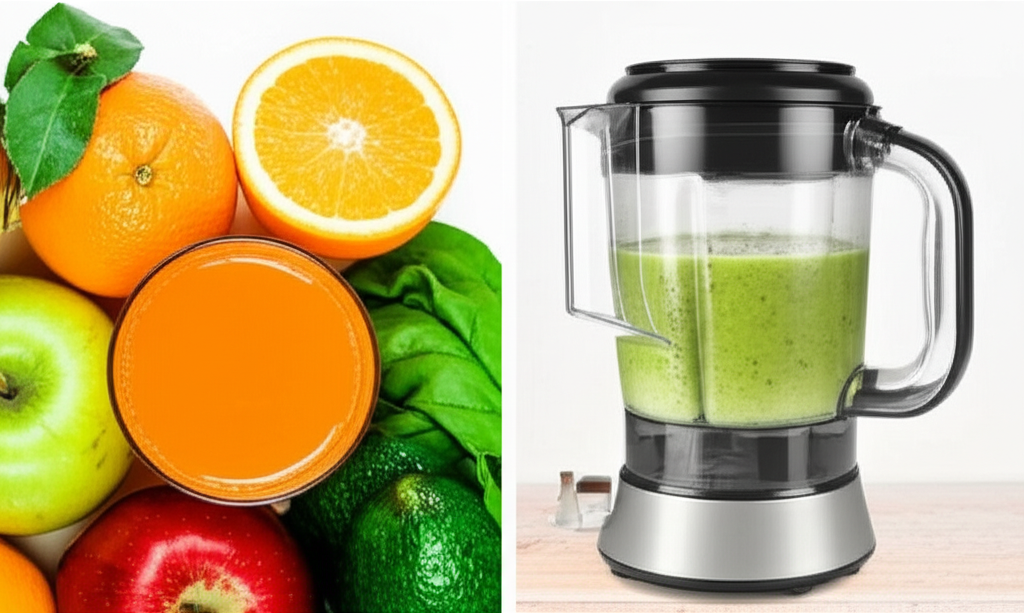
Is a juicer better than a blender? The shocking truth is that neither is definitively “better” – they offer distinct benefits for different health goals. Understanding their core differences helps you choose the right tool for your juicing and smoothie needs.
Key Takeaways
- Juicers extract liquid, removing pulp and fiber.
- Blenders pulverize whole fruits and vegetables, keeping fiber.
- Choose juicers for concentrated nutrient intake.
- Choose blenders for fiber-rich, filling smoothies.
- Both offer delicious ways to boost nutrition.
- Consider your health goals and dietary needs.
Is a Juicer Better Than a Blender? The Shocking Truth for Beginners
You’re excited to boost your health with fresh fruits and vegetables. Maybe you’re thinking about juices or smoothies. But then you see the kitchen appliances: juicers and blenders. They look similar, but they do very different things. It’s easy to get confused about which one you really need. Is a juicer better than a blender? This article will break it down simply. We’ll explore what each machine does, who it’s best for, and how you can use them to feel amazing. Let’s clear up the confusion so you can start your fresh juice journey with confidence.
Understanding the Core Difference: Pulp vs. Juice
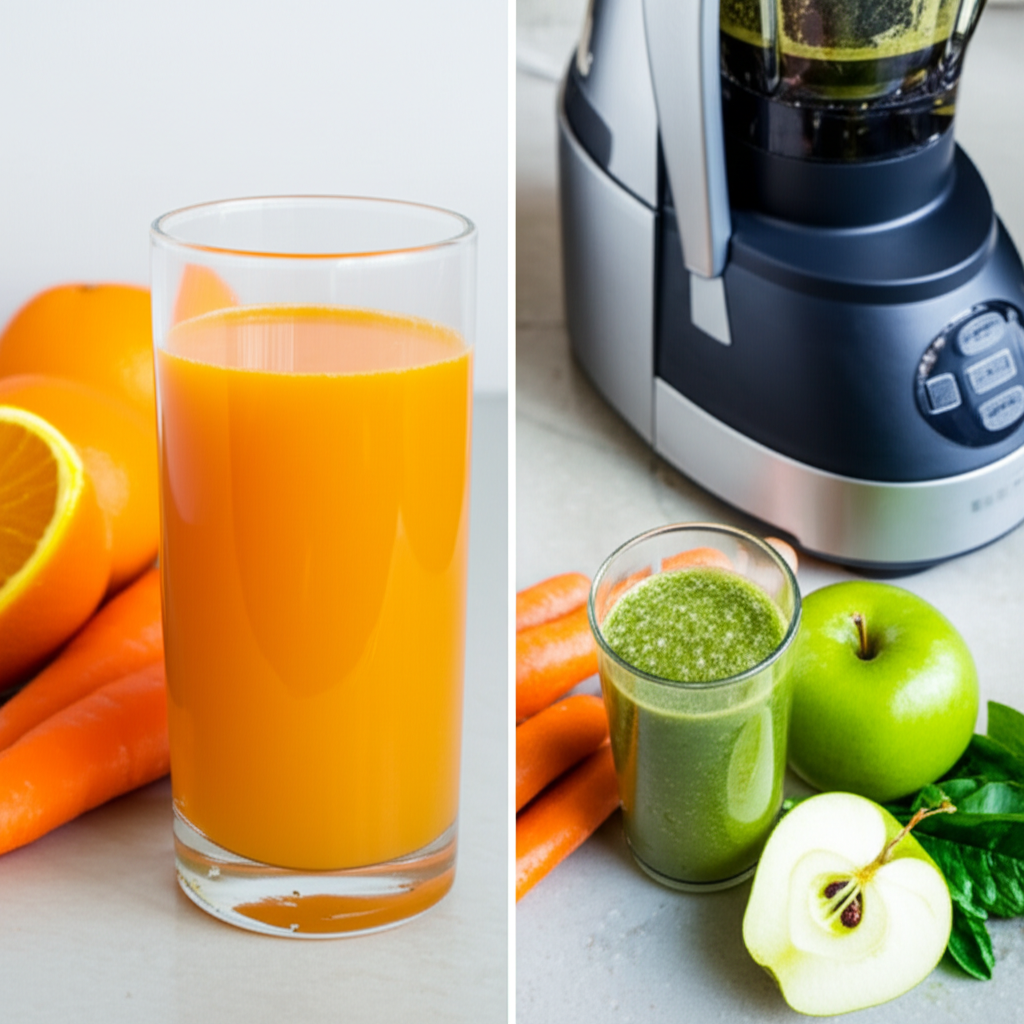
The biggest difference between a juicer and a blender lies in what they do with the produce you put in them. Think of it like this: a juicer is a master extractor, while a blender is a powerful pulverizer.
How Juicers Work: Extracting Pure Liquid Goodness
A juicer’s main job is to separate the liquid from the solid parts of fruits and vegetables. It spins, grinds, or presses the produce to squeeze out all the juice. The pulp, which includes most of the fiber and some nutrients, is then discarded into a separate container. What you get is a concentrated shot of vitamins, minerals, and antioxidants.
There are a few main types of juicers:
- Centrifugal Juicers: These are the most common and often the most affordable. They use a fast-spinning blade to grate produce, then centrifugal force pushes the juice through a sieve. They are quick but can generate heat, potentially affecting nutrient content, and can be noisy.
- Masticating Juicers (or Slow Juicers): These work by chewing or crushing the produce with an auger (a screw-like mechanism) before pressing it through a filter. They operate at low speeds, which generates less heat and oxidation, preserving more nutrients and enzymes. They are excellent for leafy greens but are typically slower and more expensive.
- Twin-Gear Juicers: These are a type of masticating juicer that uses two interlocking gears to crush and press produce. They are highly efficient, especially with fibrous vegetables, and produce very dry pulp, but they are the most expensive option.
The result from a juicer is a pure liquid that’s easy for your body to absorb. Because the fiber is removed, your body doesn’t have to work as hard to digest it. This means you can absorb more of the vitamins and minerals quickly. This is why many people turn to juicing for a quick nutrient boost, especially when they feel unwell or need an energy lift.
How Blenders Work: Embracing the Whole Food
A blender, on the other hand, is designed to break down entire fruits and vegetables into a smooth, drinkable consistency. It uses fast-spinning blades to chop, liquefy, and emulsify everything you put in. This means the fiber, pulp, and all the nutrients stay together in your drink.
Blenders are incredibly versatile. You can make not only smoothies but also soups, sauces, dips, and even nut butters. When you make a smoothie in a blender, you’re consuming the entire fruit or vegetable.
The fiber in whole fruits and vegetables is crucial for digestive health. It helps you feel full longer, regulates blood sugar levels, and feeds the beneficial bacteria in your gut. A smoothie made in a blender provides this fiber, making it a more complete meal replacement or substantial snack.
Juicer vs. Blender: A Side-by-Side Comparison
To truly understand which is better for you, let’s look at their strengths and weaknesses directly. This table highlights the key differences that will help you decide.
| Feature | Juicer | Blender |
|---|---|---|
| Primary Output | Liquid juice (pulp removed) | Smoothie (whole food, including pulp and fiber) |
| Fiber Content | Very low to none | High |
| Nutrient Absorption | Faster and more concentrated | Slower, as digestion of fiber is involved |
| Digestive Ease | Easier for those with digestive issues | Requires a healthy digestive system to process fiber |
| Satiety (Feeling Full) | Less filling | More filling, can be a meal replacement |
| Versatility | Primarily for juices | Smoothies, soups, sauces, dips, nut butters, etc. |
| Ease of Cleaning | Can be more involved, especially with pulp management | Generally easier, often dishwasher-safe parts |
| Cost | Can range from moderate to very expensive | Ranges from affordable to high-end |
| Best For | Quick nutrient absorption, detox, specific dietary needs, easy digestion | Complete nutrition, meal replacements, high fiber intake, versatility |
Who Benefits Most from a Juicer?
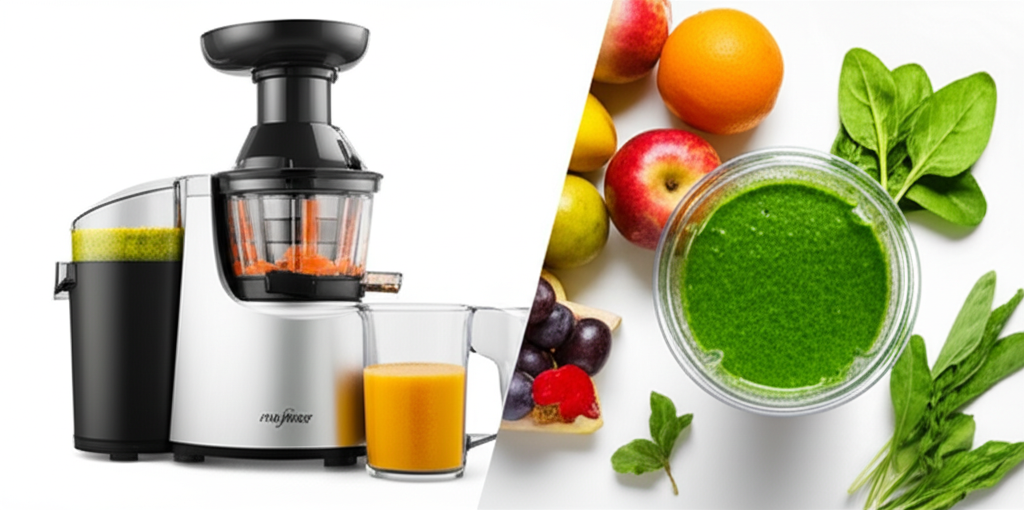
A juicer is an excellent choice for individuals looking for specific health benefits or who have certain dietary considerations. If you fall into any of these categories, a juicer might be your ideal kitchen companion:
1. Those Seeking Rapid Nutrient Absorption
When you juice, you’re essentially drinking a concentrated form of vitamins, minerals, and phytonutrients. Because the fiber is removed, your body can absorb these nutrients more quickly and efficiently. This is why juicing is often recommended for:
- Boosting the immune system during illness.
- Recovering from intense physical activity.
- Providing a quick energy boost.
A study published in the Journal of Agricultural and Food Chemistry highlights that juicing can increase the bioavailability of certain antioxidants found in fruits and vegetables.
2. Individuals with Digestive Issues
For people who struggle with digesting large amounts of fiber, juicing can be a lifesaver. Conditions like Irritable Bowel Syndrome (IBS), Crohn’s disease, or other gastrointestinal sensitivities can make it difficult to tolerate raw fruits and vegetables. Juicing allows these individuals to access the nutritional benefits of produce without the digestive discomfort associated with fiber. It provides nutrients in a form that is easier to process and absorb.
3. People Focused on Detoxification or Cleanses
While the concept of “detox” is often debated, many people use juicing as part of a short-term regimen to consume a high volume of nutrient-dense liquids. The idea is to give the digestive system a break while flooding the body with vitamins and minerals from fruits and vegetables. Juicing can help increase the intake of antioxidants, which play a role in protecting cells from damage.
4. Those Who Dislike the Taste or Texture of Certain Produce
Let’s be honest, some healthy foods aren’t the most appealing on their own. You might love the idea of eating kale but can’t stand its texture or slightly bitter taste. A juicer can extract the goodness from kale, spinach, celery, and other greens, allowing you to consume their nutrients in a palatable juice, often mixed with sweeter fruits like apples or oranges.
Who Benefits Most from a Blender?
Blenders are incredibly popular for a reason. They offer a practical and delicious way to consume a wide variety of healthy foods, especially for those who prioritize fiber and a more complete nutritional profile.
1. Smoothie Enthusiasts and Meal Replacement Seekers
If you’re looking for a drink that can keep you full and satisfied, a blender is your best friend. Smoothies made in a blender contain all the fiber from the fruits and vegetables. This fiber slows down digestion, making you feel fuller for longer. This is why smoothies are often used as:
- Quick breakfast options.
- Post-workout recovery meals.
- Healthy snack replacements for less nutritious choices.
A study in the Journal of Nutrition and Metabolism suggests that dietary fiber intake is associated with improved metabolic health, which is a key benefit of blender-made smoothies.
2. Those Prioritizing Fiber Intake
Fiber is essential for a healthy digestive system. It aids in regular bowel movements, helps control blood sugar levels, and can even contribute to lowering cholesterol. By using a blender, you ensure that all the beneficial fiber from your produce makes it into your drink. This is crucial for anyone aiming to increase their daily fiber intake, which is often recommended by health organizations like the American Heart Association.
3. Budget-Conscious Health Seekers
Generally, blenders are more affordable than high-quality juicers. You can find excellent blenders at various price points, making them accessible for most budgets. Furthermore, since you use the entire fruit or vegetable, there’s less waste, which can save money on your grocery bill in the long run.
4. Versatile Kitchen Users
If you enjoy more than just juices, a blender is a clear winner. Its versatility extends far beyond smoothies. You can whip up:
- Creamy soups (hot or cold).
- Homemade salad dressings and sauces.
- Nut butters from scratch.
- Baby food.
- Even pancake batter!
This makes a blender a multi-purpose tool for a healthy kitchen.
Making the Choice: Juicer or Blender for Your Goals
The decision between a juicer and a blender really comes down to what you want to achieve with your healthy eating habits. There’s no single “better” option; it’s about finding the right fit for you.
When to Choose a Juicer:
- You want to quickly get a high dose of vitamins and minerals.
- You have digestive sensitivities that make it hard to eat fiber.
- You’re looking for a quick, light boost of energy.
- You enjoy the taste of pure fruit and vegetable liquids.
- You want to incorporate more greens that you wouldn’t normally eat.
When to Choose a Blender:
- You want a filling drink that can act as a meal.
- You want to maximize your fiber intake for digestive health.
- You’re on a budget and want a versatile appliance.
- You enjoy smoothies, soups, and other blended creations.
- You want to use the entire fruit or vegetable for zero waste.
Many health enthusiasts find value in having both appliances, as they serve different, complementary purposes. However, if you’re just starting and need to pick one, consider your primary health goals and lifestyle.
Simple Recipes to Get You Started
Ready to dive in? Here are some easy recipes to try with your chosen appliance. Remember, these are just starting points – feel free to experiment!
Beginner Juicer Recipe: The Green Energy Boost
This juice is refreshing and packed with nutrients. It’s a great introduction to green juices because the apple and lemon balance out the earthiness of the greens.
- 1 large green apple, cored and quartered
- 2-3 celery stalks, trimmed
- 1 cup fresh spinach or kale
- 1/2 lemon, peeled
- 1-inch piece of ginger (optional, for a kick)
Instructions:
- Wash all produce thoroughly.
- Feed the ingredients through your juicer according to the manufacturer’s instructions. Start with the softer items, then the harder ones.
- Stir the juice and enjoy immediately for maximum nutrient benefit.
Beginner Blender Recipe: Berry Power Smoothie
This smoothie is a delicious and easy way to start your day or refuel after a workout. It’s naturally sweet and filling.
- 1 cup frozen mixed berries
- 1/2 ripe banana
- 1/2 cup unsweetened almond milk (or your preferred milk)
- 1/4 cup plain Greek yogurt (optional, for extra protein)
- 1 tablespoon chia seeds or flax seeds (optional, for extra fiber and omega-3s)
Instructions:
- Add all ingredients to your blender.
- Blend on high speed until smooth and creamy.
- If it’s too thick, add a little more liquid. If it’s too thin, add a few more frozen berries or some ice.
- Pour into a glass and enjoy!
Pro Tip: For blender smoothies, using at least one frozen ingredient (like berries or banana) will give you a thicker, colder, and creamier result without needing ice, which can dilute the flavor.
Juicing vs. Blending: What About Nutrient Loss?
A common question is whether juicing or blending leads to nutrient loss. Both processes involve some level of nutrient degradation, but the mechanisms and extent differ.
Juicing and Nutrient Loss
The primary concerns with juicing are:
- Oxidation: When juice is exposed to air, vitamins (especially Vitamin C) and antioxidants can degrade. This is why it’s best to drink fresh juice immediately.
- Heat Generation: Centrifugal juicers, in particular, can generate heat through friction. High temperatures can reduce the potency of certain heat-sensitive vitamins. Masticating and twin-gear juicers minimize this issue due to their slower speeds.
- Loss of Fiber-Bound Nutrients: While you get concentrated liquid nutrients, some nutrients are bound to the fiber and are lost in the pulp.
Despite these factors, juicing still provides a highly concentrated dose of many beneficial compounds. The speed of absorption can often outweigh minor losses for certain health goals.
Blending and Nutrient Loss
Blending is generally considered to preserve more nutrients due to:
- No Fiber Loss: You consume the entire fruit or vegetable, including all its fiber and the nutrients attached to it.
- Less Oxidation: While there’s still exposure to air, the process is usually quicker, and the presence of fiber can help protect some nutrients.
- Minimal Heat: Blending generates some heat from the motor and friction, but it’s typically less impactful on nutrients than some juicing methods, especially for shorter blend times.
However, the mechanical action of blending can break down cell walls, which can also lead to some nutrient degradation over time. Again, consuming immediately is always best.
Ultimately, both methods are far superior to not consuming fruits and vegetables at all. The key is to consume your creations fresh.
Juicer vs. Blender: Cleaning and Maintenance
Let’s talk about a practical aspect: cleanup. This can often be a deal-breaker for people looking to incorporate these appliances into their daily routine.
Juicer Cleaning: The Good, the Bad, and the Pulp
Juicers can be more time-consuming to clean. Most have several parts that need to be disassembled and washed:
- The pulp collector.
- The juice pitcher.
- The filter basket or screen.
- The juicing chute and lid.
- The motor base (which usually only needs wiping).
The most tedious part is often cleaning the mesh filter, as dried pulp can get stuck in the tiny holes. Many manufacturers recommend cleaning the juicer immediately after each use to prevent pulp from drying and becoming difficult to remove. Some parts may be dishwasher-safe, but hand-washing is often more efficient.
Blender Cleaning: Usually a Breeze
Blenders are generally much easier to clean:
- Most blender jars are made of glass or durable plastic that can withstand hot water.
- Many blender jars, lids, and blades are top-rack dishwasher safe.
- For quick cleaning, you can often fill the blender jar halfway with warm water, add a drop of dish soap, and blend for 30-60 seconds. Rinse thoroughly afterward.
The motor base typically only needs a quick wipe-down. This ease of cleaning makes blenders more appealing for daily use for many people.
Frequently Asked Questions (FAQ)
Q1: Can I make a smoothie in a juicer, or juice in a blender?
Answer: You cannot make a smoothie in a juicer because it separates the pulp and fiber. You’ll just get liquid. You can’t truly “juice” in a blender either; you can only make a smoothie by blending everything together. High-powered blenders can sometimes create a very smooth, almost juice-like consistency, but it will still contain all the fiber.
Q2: Which is healthier, juice from a juicer or a smoothie from a blender?
Answer: Both are healthy, but in different ways. Juices offer concentrated, easily absorbed nutrients without fiber, which can be beneficial for quick boosts or those with digestive issues. Smoothies provide complete nutrition with fiber, which aids digestion, promotes fullness, and offers sustained energy. Your personal health goals will determine which is “healthier” for you.
Q3: Do I need to peel fruits and vegetables before using a juicer or blender?
Answer: For a juicer, it depends on the peel. Citrus peels are usually removed due to their bitterness and oils, and thick peels like pineapple or mango should also be removed. For blenders, many peels can be left on, especially for items like apples, pears, cucumbers, and even carrots (if your blender is powerful enough), as the blender will break them down. Always wash produce thoroughly, regardless of whether you peel it.
Q4: Are expensive juicers or blenders really worth it?
Answer: It depends on your usage. For a juicer, higher-end models (especially masticating ones) tend to be more efficient, extract more juice, generate less heat, and are often more durable. For blenders, high-powered models can handle tougher ingredients like nuts and seeds more easily, create smoother textures, and last longer. If you plan to use your appliance daily, investing in a quality one can be worthwhile for performance and longevity.
Q5: Can I juice or blend for weight loss?
Answer: Yes, both can support weight loss. Juices can help you consume more nutrient-dense foods with fewer calories, potentially aiding in a calorie deficit. Smoothies, due to their fiber content, can increase satiety, helping you feel full and reducing overall calorie intake. However, be mindful of sugar content, especially in juices made with many fruits, and ensure your blended drinks are balanced and not excessively high in calories.
Q6: How much produce do I need for a glass of juice or a smoothie?
Answer: You’ll need significantly more produce for juice than for a smoothie. For example, to make an 8-ounce glass of juice, you might need 2-3 pounds of fruits and vegetables. For an 8-ounce smoothie, you might only need 1-2 cups of chopped fruits and vegetables, plus liquids.
Q7: Can I juice or blend the same ingredients?
Answer: Many ingredients can be used in both, but the result will be different. For example, apples, carrots, celery, spinach, and berries can all be juiced or blended. However, some ingredients are better suited for one over the other. For instance, bananas are excellent for smoothies but don’t juice well. Leafy greens like kale are fantastic in both, but a masticating juicer excels at extracting juice from them.
Conclusion: Your Health Journey, Your Choice
So, is a juicer better than a blender? The answer, as we’ve discovered, is nuanced. They are different tools designed for different purposes, each offering unique health benefits. A juicer delivers concentrated, easily absorbed liquid nutrients, ideal for a quick boost or sensitive digestion. A blender creates nutrient-rich smoothies that include all the vital fiber, making them filling and excellent for overall digestive health and meal replacement. Neither is inherently superior; the best choice depends entirely on your personal health goals, dietary needs, and lifestyle preferences.
Whether you choose to extract pure liquid goodness or embrace the whole food power of blended creations, incorporating fresh fruits and vegetables into your diet is a fantastic step towards a healthier you. Don’t let the choice paralysis stop you. Start with what feels right for you today, and remember that both juicers and blenders can be powerful allies on your journey to wellness.
smartblander.com is a participant in the Amazon Services LLC Associates Program, an affiliate advertising program. As an Amazon Associate, we earn from qualifying purchases made through our links.
