

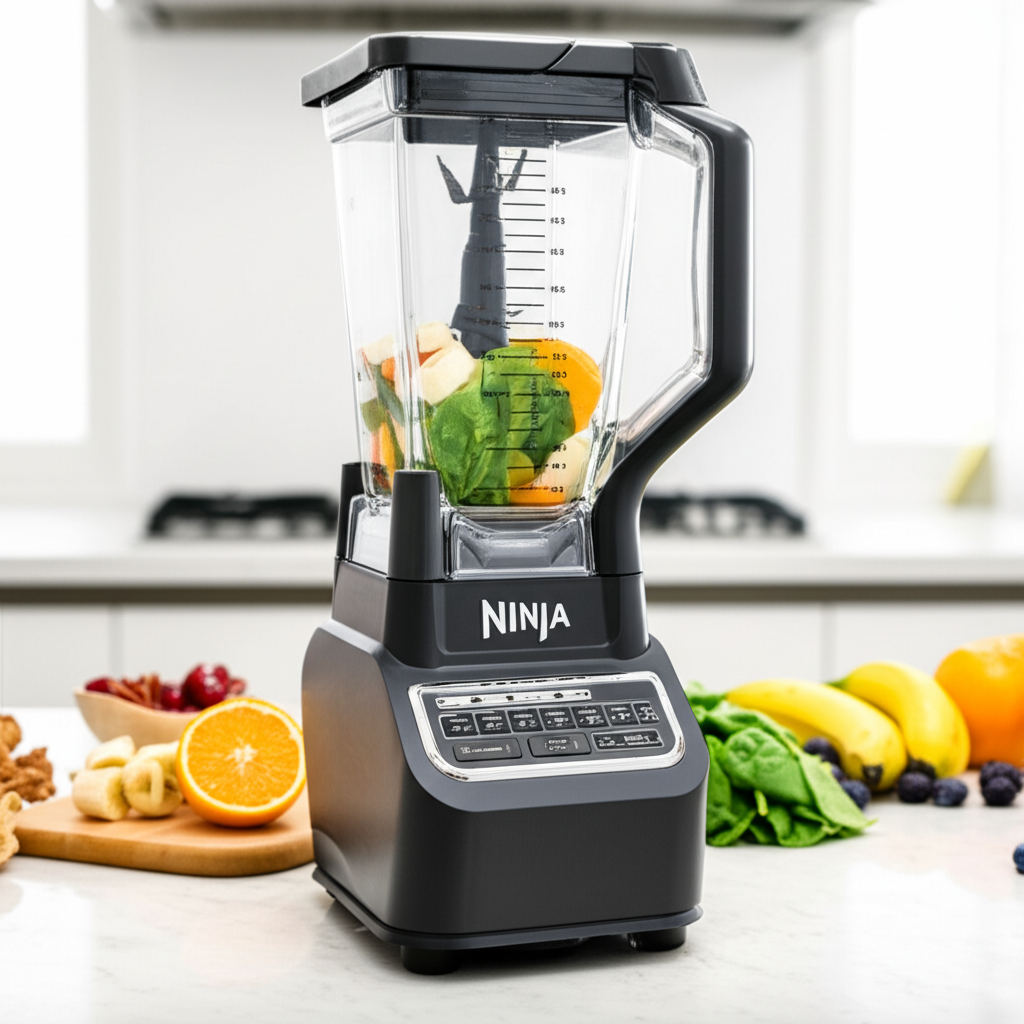
Mastering your Ninja blender is simple! This guide offers the best tips for beginners to create delicious smoothies, sauces, and more, ensuring perfect results every time.
Key Takeaways
- Prep ingredients for optimal blending.
- Layer ingredients correctly in the pitcher.
- Understand your Ninja blender’s settings.
- Clean your Ninja blender promptly.
- Explore various recipes and functions.
How to Use a Ninja Blender: Best Tips for Beginners
Dreaming of silky smooth smoothies or perfectly pureed soups? You’ve got a powerful tool in your kitchen: the Ninja blender. Many people find blenders a bit intimidating at first. They see all the parts and buttons and wonder where to begin. But don’t worry! Using a Ninja blender is much easier than you might think. This guide will walk you through everything you need to know, step by step. Get ready to unlock your Ninja blender’s full potential and whip up amazing creations.
Getting Started: Unboxing and Understanding Your Ninja Blender
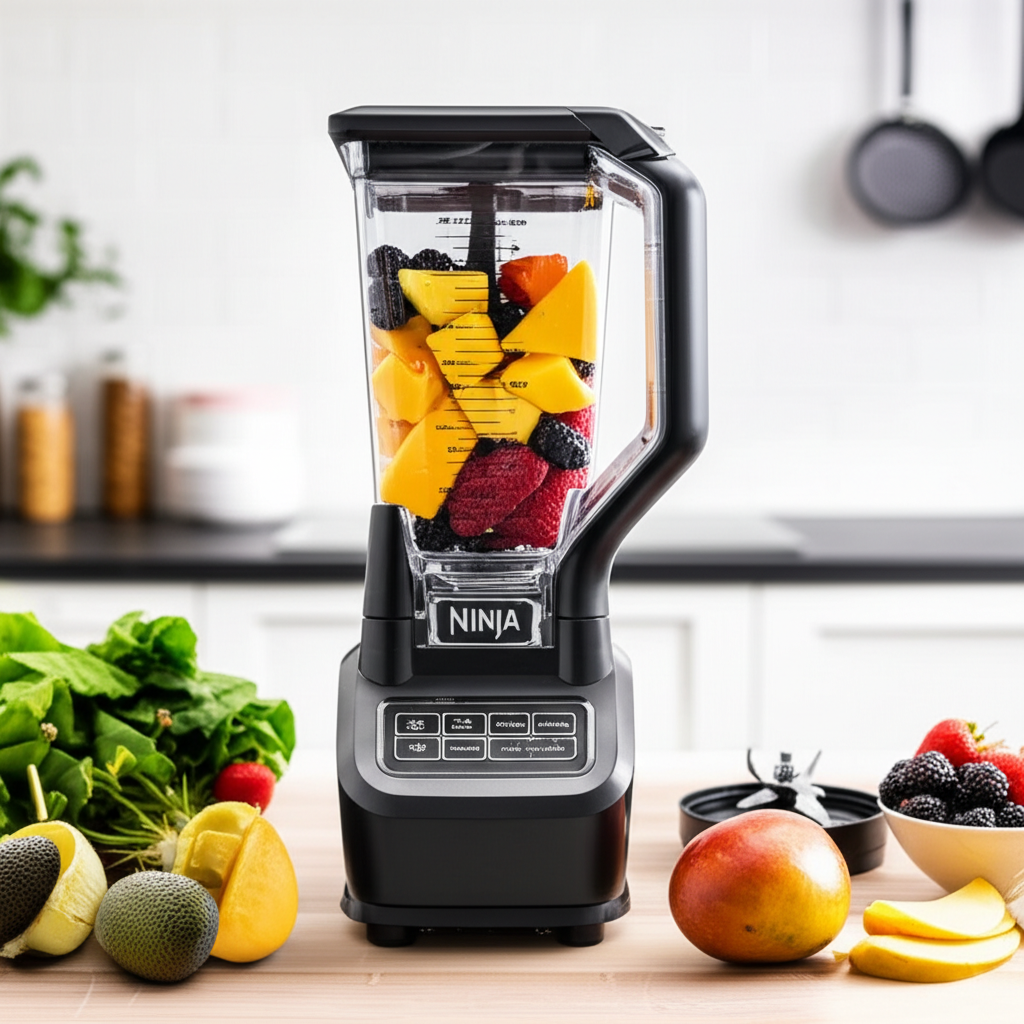
When you first get your Ninja blender, take a moment to familiarize yourself with its components. Most Ninja blenders come with a base unit that houses the motor, a pitcher or cup, and a blade assembly. Some models also include a tamper, extra cups, and different lids. Reading your specific model’s manual is always a good first step, but this general guide will cover the essentials.
Essential Ninja Blender Parts
Understanding each part ensures you use your blender safely and effectively:
- Motor Base: This is the powerhouse. It contains the motor and the controls for blending speed and power.
- Pitcher/Cup: This is where you’ll add your ingredients. Ninja blenders often come with various sizes for different needs.
- Blade Assembly: This is the sharp part that does the blending. It usually screws onto the pitcher or cup. Be very careful when handling these!
- Lid: The lid secures your ingredients in the pitcher and often has a spout for easy pouring.
- Tamper (if included): This tool helps push ingredients down towards the blades, especially useful for thicker mixtures.
- Power Cord: Connects the base to your electrical outlet.
Safety First: Before You Blend
Safety is paramount when using any appliance with sharp blades. Always remember these points:
- Ensure the blender is unplugged before assembling or disassembling.
- Never immerse the motor base in water or any other liquid.
- Handle the blade assembly with extreme care.
- Make sure the lid is securely in place before blending.
- Do not overfill the pitcher or cup beyond the max fill line.
- Never operate the blender without ingredients inside, as this can damage the motor.
Preparing Your Ingredients for the Perfect Blend
The secret to a smooth, delicious blend often starts with how you prepare your ingredients. This is especially true for beginners trying to achieve that perfect smoothie consistency.
Chopping and Cutting for Efficiency
Larger, harder ingredients need to be chopped into smaller, manageable pieces. This helps your Ninja blender process them evenly and prevents strain on the motor. Aim for pieces that are roughly 1-2 inches in size.
- Fruits: Core apples and pears, pit peaches and plums, and cut larger fruits like melons into chunks. Berries can usually go in whole.
- Vegetables: Chop carrots, celery, and cucumbers into smaller pieces. Leafy greens like spinach and kale can be added as whole leaves.
- Frozen Ingredients: Break apart any large frozen fruit clumps.
- Ice: If using ice, add it in moderation, especially if your blender isn’t a high-powered model designed for crushing ice.
The Art of Layering Ingredients
The order in which you add ingredients can significantly impact your blending experience. A good layering strategy helps the blades catch everything efficiently.
Here’s a common and effective layering technique:
- Liquids First: Pour your liquid base (water, milk, juice, yogurt) into the pitcher or cup. This helps the blades move freely at the start.
- Soft Ingredients: Add softer items like leafy greens, protein powder, seeds, or yogurt.
- Fruits and Vegetables: Next, add your fresh or frozen fruits and vegetables.
- Hard or Frozen Items: Finally, add ice, frozen fruit chunks, or hard ingredients like nuts or seeds on top.
This layering ensures that the blades have liquid to work with immediately, pulling the other ingredients down into the blending vortex.
Mastering Your Ninja Blender Controls
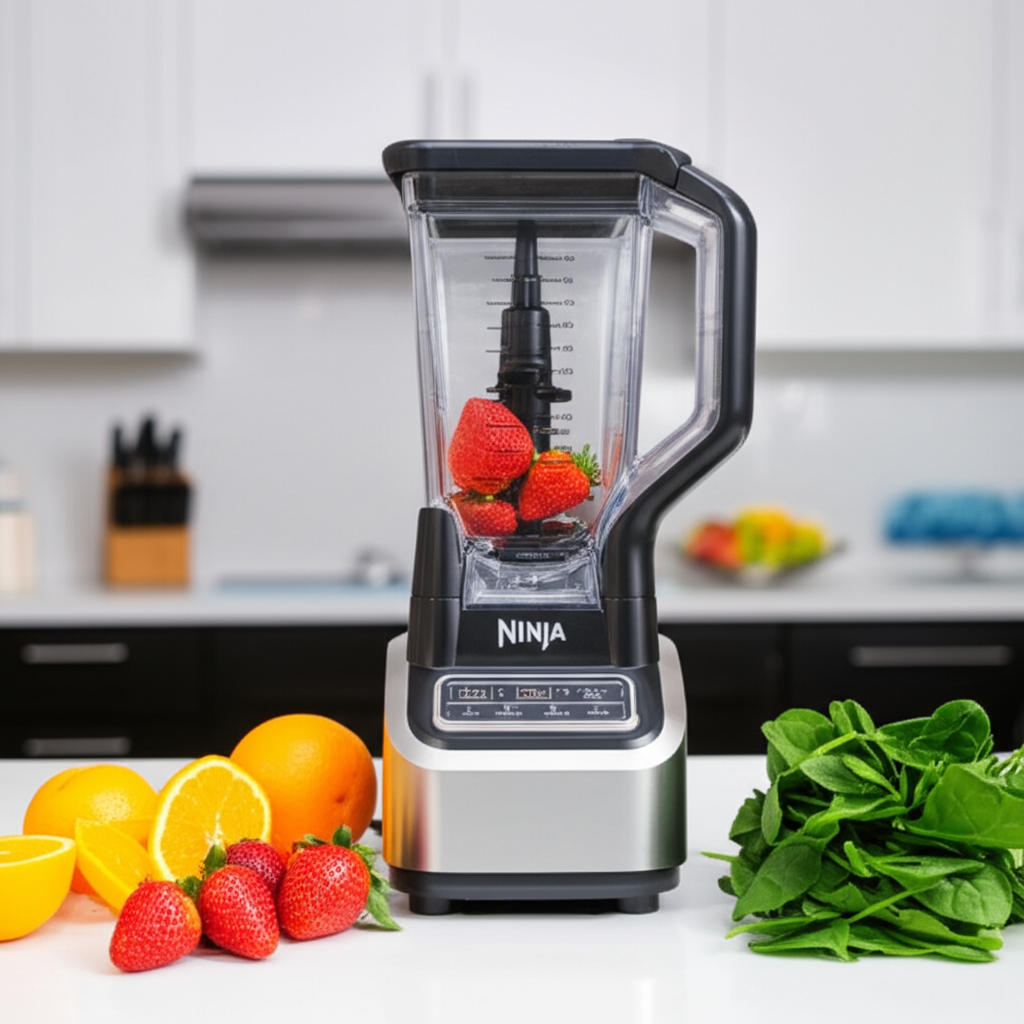
Ninja blenders come with various control panels, from simple buttons to more advanced digital displays. Understanding these settings is key to getting the desired texture and consistency.
Understanding Common Ninja Blender Settings
Most Ninja blenders offer a range of speeds and pulse functions. Here’s what they generally mean:
- Low Speed: Ideal for mixing thicker ingredients or starting to break down solids.
- Medium Speed: Good for general blending, such as making purees or sauces.
- High Speed: Best for achieving very smooth textures, like creamy smoothies or finely pureed soups.
- Pulse Function: This is excellent for achieving a coarse chop or when you want more control over the texture. You press and hold the button for short bursts of power. It’s perfect for salsas or when you don’t want a completely smooth consistency.
- Pre-programmed Settings (on some models): Some advanced Ninja blenders have one-touch programs for specific tasks like “Smoothie,” “Ice Crush,” or “Puree.” These are designed to optimize speed and timing for that particular function.
How to Blend for Different Textures
Achieving the perfect texture is all about technique and knowing when to stop.
- For Smoothies: Start on a low speed to break down ingredients, then gradually increase to high speed. Blend until the mixture is completely smooth and creamy, usually 30-60 seconds.
- For Dips and Sauces: Use the pulse function in short bursts to control the consistency. You can then switch to a low or medium speed to finish.
- For Soups: Blend on high speed until very smooth. Be cautious when blending hot liquids, as steam can build up. Never fill the blender more than halfway with hot ingredients, and hold the lid down firmly with a towel.
- For Crushing Ice: Use the dedicated “Ice Crush” setting if your model has one, or use the pulse function repeatedly.
Pro Tip: If your mixture is too thick and the blades are struggling, stop the blender, remove the pitcher, and add a little more liquid. You can also use the tamper (if provided) to push ingredients down towards the blades while the blender is running on a low speed. Always ensure the lid is on securely when using the tamper.
Cleaning Your Ninja Blender: Quick and Easy Tips
Keeping your Ninja blender clean is essential for hygiene and longevity. The good news is that most Ninja parts are designed for easy cleaning.
Immediate Cleaning is Key
The best time to clean your blender is immediately after use. Food residue is much easier to remove when it’s still wet. Don’t let it sit and dry!
The “Self-Cleaning” Method
Many Ninja blenders can be cleaned using a simple “self-cleaning” method:
- Rinse the pitcher or cup thoroughly with water.
- Fill the pitcher about halfway with warm water.
- Add a drop of dish soap.
- Secure the lid and the blade assembly.
- Place the pitcher on the motor base.
- Run the blender on a low speed for about 30-60 seconds.
- Discard the soapy water and rinse the pitcher and lid thoroughly.
Dishwasher Safe Parts
Check your user manual to confirm which parts of your Ninja blender are dishwasher safe. Most pitchers, cups, lids, and blade assemblies (except for the motor base, of course) can be placed on the top rack of your dishwasher. However, handwashing is often recommended for the blade assembly to maintain its sharpness and longevity.
Deep Cleaning the Blades
For a more thorough clean of the blade assembly, use a brush specifically designed for cleaning blenders or a soft-bristled toothbrush. This helps remove any stubborn bits of food stuck around the blades without risking injury.
Creative Ways to Use Your Ninja Blender Beyond Smoothies
While Ninja blenders are famous for smoothies, they are incredibly versatile. Explore these other delicious uses:
1. Homemade Sauces and Dips
Whip up fresh pesto, salsa, hummus, or creamy salad dressings in seconds. The powerful blades can finely chop herbs, nuts, and vegetables for perfectly smooth or chunky textures, depending on how long you blend.
2. Soups and Purees
Create velvety smooth hot or cold soups. Blend cooked vegetables with broth and seasonings for a quick and healthy meal. Remember the safety precautions for hot liquids!
3. Nut Butters
Making your own nut butter is surprisingly easy. Roast your nuts (like almonds, peanuts, or cashews), let them cool slightly, and then blend them in your Ninja. It will take some time and patience, but the result is a fresh, healthy spread without added oils or sugars.
4. Batters and Doughs
Some Ninja models can even handle thin batters for pancakes or crepes. You can also use it to quickly mix ingredients for muffins or quick breads.
5. Baby Food
Prepare nutritious homemade baby food by blending steamed fruits and vegetables into a fine puree. This gives you control over ingredients and avoids preservatives.
Troubleshooting Common Ninja Blender Issues
Even the best appliances can sometimes act up. Here are solutions to common problems:
Problem: Blender won’t turn on.
- Check Power: Is the blender plugged into a working outlet?
- Secure Assembly: Ensure the pitcher/cup and blade assembly are correctly and securely attached to the motor base. Some models have a safety mechanism that prevents them from operating if not properly assembled.
- Overload Protection: Some blenders have a thermal overload protector. If the motor overheats, it will shut off automatically. Let it cool down for 15-30 minutes before trying again.
Problem: Ingredients aren’t blending smoothly or blades are stuck.
- Layering: Did you add liquids first?
- Ingredient Size: Are your ingredients cut into small enough pieces?
- Overfilling: Is the pitcher/cup too full?
- Not Enough Liquid: Add more liquid gradually.
- Tamper Use: Use the tamper (if included) to push ingredients down.
- Motor Strain: For very thick mixtures, blend in batches or use the pulse function.
Problem: Leaking from the blade assembly.
- Assembly Check: Ensure the blade assembly is screwed on tightly to the pitcher/cup.
- Gasket: Check the rubber gasket on the blade assembly for any damage or if it’s missing. A damaged gasket may need replacement.
- Cracks: Inspect the pitcher or cup for any cracks that might cause leaks.
Ninja Blender Model Comparison (General Overview)
Ninja offers a wide range of blenders, from personal cups to large pitchers and multi-function food processors. While specific features vary, here’s a general idea:
| Model Type | Ideal For | Key Features | Beginner Friendliness |
|---|---|---|---|
| Personal Blender (e.g., Ninja Nutri-Ninja) | Single-serving smoothies, shakes, small batches | Compact, portable cups, simple buttons, powerful for size | Very High |
| Countertop Blender (e.g., Ninja Professional) | Larger batches of smoothies, frozen drinks, sauces, soups | Larger pitcher capacity, multiple speeds, powerful motor | High |
| Kitchen System (e.g., Ninja Foodi Power Blender/Processor) | Versatile tasks: blending, food processing, dough making, heating | Multiple attachments, various blending programs, sometimes heating capabilities | Medium (due to more functions) |
| High-Performance Blender (e.g., Ninja Intelli-Sense) | Extremely smooth textures, breaking down tough ingredients | Smart vessel recognition, auto-iQ programs, advanced touchscreens | Medium (can be complex) |
When choosing a Ninja blender, consider how you plan to use it most often. For simple smoothies, a personal blender is excellent. For family-sized portions or more complex recipes, a countertop model or kitchen system might be better. You can find more detailed specifications on the Ninja Kitchen website.
Frequently Asked Questions About Using a Ninja Blender
Q1: Can I blend hot liquids in my Ninja blender?
A1: Yes, but with extreme caution. Never fill the pitcher more than halfway with hot ingredients. Always start on the lowest speed and use the pulse function initially. Hold the lid down firmly with a towel to prevent burns from steam or splashing. For best results and safety, allow hot ingredients to cool slightly before blending.
Q2: How do I clean the blade assembly safely?
A2: Always handle the blade assembly with extreme care. It’s best to wash it by hand using a soft brush (like a dish brush or old toothbrush) and warm, soapy water. Rinse thoroughly. If your manual states it’s dishwasher safe, place it on the top rack, but handwashing is generally recommended to maintain its sharpness.
Q3: What is the difference between the pulse function and continuous blending?
A3: The pulse function provides short bursts of power, allowing you to control the texture more finely. It’s great for chopping ingredients or achieving chunkier results. Continuous blending uses a steady motor speed for longer periods to create smooth purees and liquids.
Q4: My Ninja blender is making a strange noise. What should I do?
A4: Strange noises can indicate several things. Ensure the blade assembly is properly secured. Check if the ingredients are too large or if the blender is overfilled. If the noise persists or sounds like grinding, the motor or blades might be damaged. Stop using the blender and consult your manual or contact customer support.
Q5: Can I use my Ninja blender to make nut butter?
A5: Yes! It’s a fantastic way to make fresh, healthy nut butter. Roast your nuts, let them cool, and then blend them in batches, scraping down the sides as needed. It may take several minutes, but you’ll get a creamy, homemade spread.
Q6: How do I prevent my smoothies from being too watery or too thick?
A6: The key is the liquid-to-solid ratio. Start with the recommended amount of liquid in your recipe. If it’s too thick, add more liquid a tablespoon at a time. If it’s too watery, add more frozen fruit, ice, or a thickening agent like chia seeds or oats.
Conclusion: Enjoying Your Ninja Blender Creations
You’re now equipped with the knowledge to confidently use your Ninja blender! From understanding its parts and safety features to mastering layering techniques and cleaning, you’re ready to blend your way to deliciousness. Don’t be afraid to experiment with different ingredients and recipes. Your Ninja blender is a versatile kitchen companion that can help you create everything from vibrant morning smoothies to hearty evening soups and delightful dips. Happy blending!
smartblander.com is a participant in the Amazon Services LLC Associates Program, an affiliate advertising program. As an Amazon Associate, we earn from qualifying purchases made through our links.
