

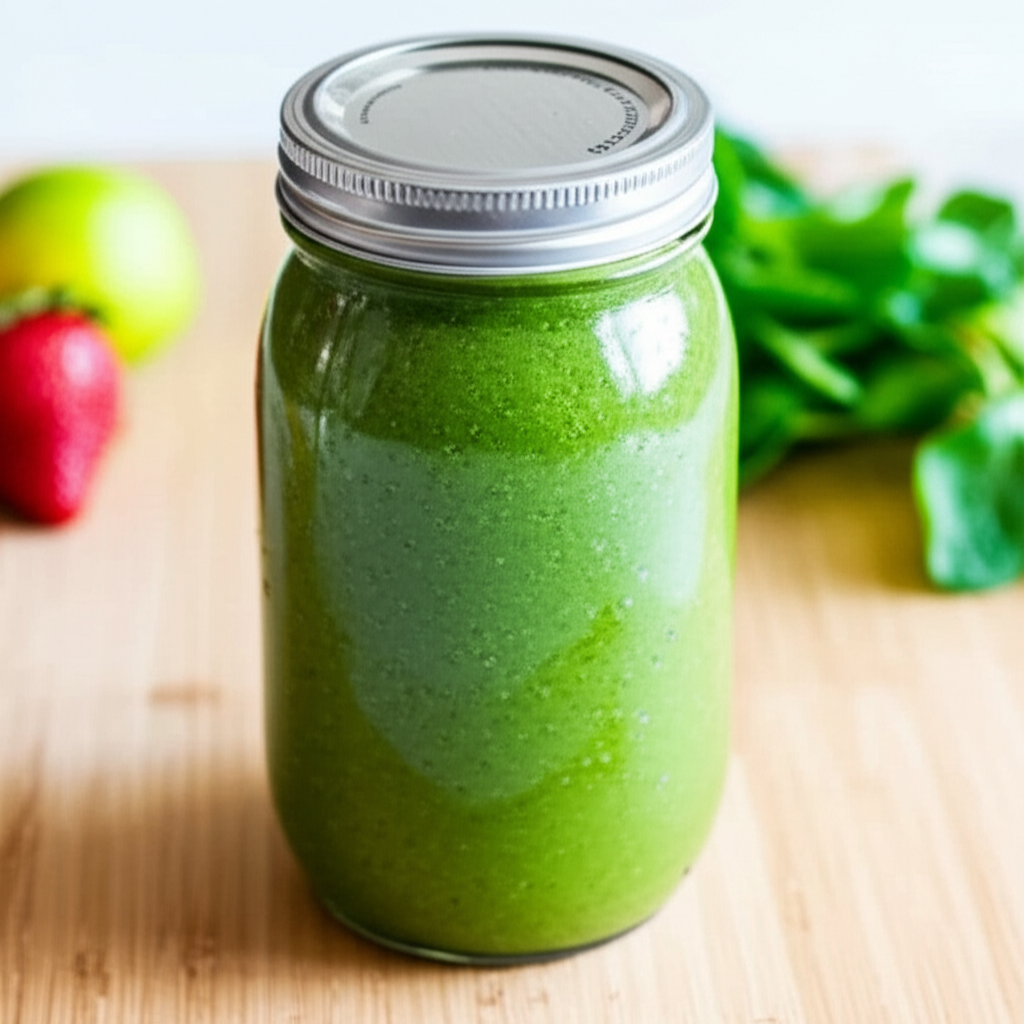
Save your smoothie for later with these simple, freshness-guaranteed methods. Keep your blended creations delicious and nutritious, even when made ahead, ensuring you always have a healthy drink ready.
Key Takeaways
- Store smoothies airtight for optimal freshness.
- Chill smoothies promptly to prevent spoilage.
- Avoid adding certain ingredients too early.
- Use specific containers for best results.
- Shake or stir before drinking for revival.
- Freeze smoothies for longer storage.
How to Save a Smoothie for Later: Freshness Guaranteed
You’ve just perfected a vibrant, nutrient-packed smoothie. Maybe it’s a sunshine-yellow blend bursting with orange and ginger, or a creamy green concoction designed to energize your day. But what happens when you can’t finish it all right away? It’s a common dilemma: how to save a smoothie for later without it turning into a sad, separated mess. Many beginners worry about losing that fresh taste and texture. Don’t let this stop you from enjoying your delicious creations! This guide will walk you through simple, effective ways to store your smoothies, ensuring they stay as delightful as when you first blended them.
Why Storing Smoothies Can Be Tricky
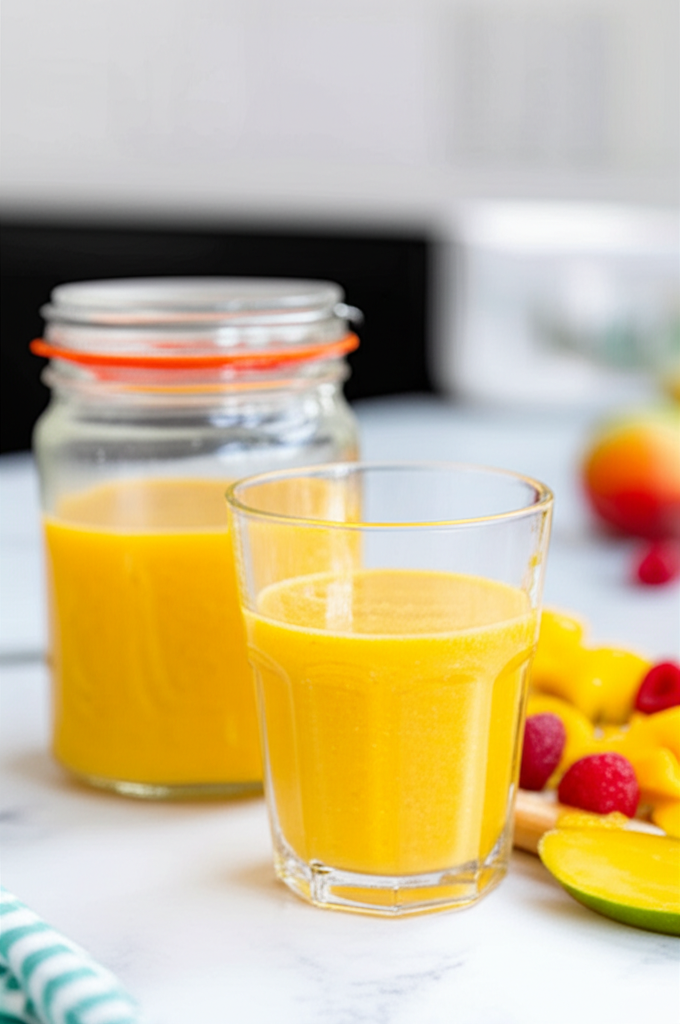
Smoothies are wonderfully fresh because they’re made with raw ingredients. However, this also means they can change quickly once blended. Oxidation, separation, and changes in texture are the main culprits. Air is the enemy of freshness in a smoothie. When air gets into your blended drink, it can cause the nutrients to degrade and the flavors to dull. Think of how an apple turns brown when you cut it – that’s oxidation at work! Liquids and solids also tend to separate, especially with ingredients like yogurt, milk, or even finely blended fruits and vegetables.
Some ingredients are more prone to causing issues than others. For instance, leafy greens can wilt and become bitter if left to sit for too long, and certain fruits can oxidize rapidly. But with the right techniques, you can significantly extend the life and quality of your smoothie. We’ll cover everything from the best containers to use, how to minimize oxidation, and even how to revive a smoothie that’s been sitting for a while.
Best Practices for Storing Smoothies
The key to saving a smoothie for later lies in minimizing exposure to air and keeping it at a consistent, cool temperature. Here are the fundamental principles to follow:
1. Airtight Containers Are Your Best Friend
This is the most crucial step. Any container you choose must have a lid that seals tightly. This prevents air from entering and causing oxidation. Mason jars with tight-fitting lids are excellent for this. You can also use reusable glass or BPA-free plastic containers with snap-on or screw-on lids. If you’re using a travel mug or a shaker bottle, ensure its lid is securely fastened.
Why it works: A good seal dramatically reduces the surface area exposed to air, slowing down the oxidation process that can lead to discoloration and nutrient loss. It also helps maintain the smoothie’s temperature and prevents spills.
2. Chill Promptly
Once you’ve poured your smoothie into its storage container, get it into the refrigerator immediately. Don’t let it sit out at room temperature for more than an hour, especially if it contains dairy or other perishable ingredients. Cold temperatures slow down bacterial growth and chemical reactions that can spoil your drink.
Tip: If you’re making a smoothie for later in the day, consider chilling your ingredients slightly beforehand. This helps the smoothie reach a cold temperature faster.
3. Fill Containers to the Top
To further minimize air exposure, try to fill your storage container as close to the brim as possible. Less empty space means less air trapped inside with your smoothie. If you have a little bit left and your container is almost full, consider using a smaller secondary container to top it off.
Example: If you have a 16-ounce smoothie and a 16-ounce jar, fill it almost completely. If you only have a 20-ounce jar, you might have a bit more air space, but filling it as much as possible is still better than leaving it half-empty.
4. Consider the Ingredients
Some smoothie ingredients hold up better than others. Generally, smoothies with a good base of fruits and vegetables, a touch of healthy fat (like avocado or nut butter), and minimal dairy tend to store better. Ingredients like bananas can become slightly brown and mushy, but the flavor is usually still acceptable. Leafy greens like spinach might lose some vibrancy, but they remain perfectly fine. Avoid adding carbonated liquids or very delicate herbs until just before serving.
5. Shake or Stir Before Drinking
Even with the best storage methods, some separation is natural. Don’t be alarmed if your smoothie looks a little layered when you take it out of the fridge. Give it a good shake if you used a bottle or shaker, or stir it thoroughly with a spoon or whisk in a glass. This will reincorporate the ingredients and restore a more uniform texture.
Pro Tip: If your smoothie has separated significantly, a quick blend in a clean blender for just a few seconds can often bring it back to its original creamy consistency.
Storing Smoothies in the Refrigerator
The refrigerator is the best place for short-term smoothie storage, typically for up to 24-48 hours. Here’s how to do it:
Step-by-Step: Refrigeration
- Prepare Your Smoothie: Blend your ingredients as usual. For better storage, consider adding a squeeze of lemon or lime juice, which acts as a natural antioxidant and can help preserve color and flavor.
- Choose the Right Container: Select an airtight glass jar or BPA-free plastic container. Mason jars are ideal.
- Fill to the Top: Pour your smoothie into the container, filling it as close to the rim as possible to minimize air.
- Seal Tightly: Secure the lid firmly. If using a jar, ensure the rubber seal is intact.
- Chill Immediately: Place the sealed container in the refrigerator right away.
- Store Properly: Keep it in the coldest part of your fridge, usually towards the back.
- Revive Before Drinking: When you’re ready to enjoy, remove from the fridge. Shake vigorously or stir well to recombine any separated ingredients.
What to Expect: Refrigerated Smoothies
After 24 hours, your smoothie will likely still taste good, though the texture might be slightly less vibrant. Ingredients like bananas may darken, and some separation is probable. Smoothies with a higher water content and fewer dairy or creamy components tend to fare better. Orange-based smoothies, with their natural acidity and vitamin C, often hold up well.
For optimal taste and texture, it’s best to consume refrigerated smoothies within 24 hours. While they might be safe to drink for up to 48 hours, the quality will decline significantly.
Storing Smoothies in the Freezer
Freezing is an excellent option for longer-term storage, allowing you to keep smoothies for weeks or even months. You can freeze smoothies in a few different ways.
Method 1: Freezer-Safe Bags or Containers
- Blend and Pour: Blend your smoothie as usual. You can make it slightly thicker than you normally would, as it will thin out when thawed.
- Add Freezing Aid (Optional): A teaspoon of lemon juice can help prevent browning.
- Fill Container: Pour the smoothie into freezer-safe bags (like sturdy zip-top bags) or airtight freezer-safe containers. Again, fill them as full as possible to reduce air exposure.
- Remove Air: If using bags, gently press out as much air as you can before sealing.
- Label and Freeze: Label the bag or container with the date and contents. Place in the freezer.
Method 2: Ice Cube Trays
This method is perfect for making smoothie portions or for adding a frozen flavor boost to future smoothies.
- Blend Smoothly: Blend your smoothie until very smooth.
- Pour into Trays: Carefully pour the mixture into ice cube trays. Silicone trays are easiest for removal.
- Freeze Solid: Place the trays in the freezer until the smoothie is completely frozen (about 2-3 hours).
- Transfer to Bag: Once frozen, pop the smoothie cubes out of the trays and transfer them into a labeled, airtight freezer bag or container.
Thawing and Reviving Frozen Smoothies
To thaw, simply remove the desired amount from the freezer.
- Refrigerator Thawing: Place the container or bag in the refrigerator overnight. This is the gentlest method and helps maintain texture.
- Countertop Thawing: For quicker thawing, leave the container on the counter for a couple of hours.
- Direct Blending (Ice Cubes): For smoothie ice cubes, you can add them directly to your blender with a little liquid (water, milk, or juice) and blend until smooth.
Once thawed, you’ll likely need to shake or stir vigorously. If it seems too thick, add a splash of liquid and stir again. If it’s still not quite right, a brief re-blend can work wonders.
Ingredient Considerations for Storage
Certain ingredients impact how well a smoothie stores. Knowing these can help you plan your pre-made drinks.
Ingredients That Store Well
- Citrus Fruits (Orange, Lemon, Lime): Their acidity acts as a natural preservative and antioxidant.
- Berries (Blueberries, Raspberries, Strawberries): Generally hold their color and flavor well.
- Bananas: While they can brown, the flavor is usually preserved. Using them frozen helps maintain texture.
- Avocado: Adds creaminess and healthy fats that don’t degrade easily.
- Nut Butters: Stabilize the smoothie and add richness.
- Seeds (Chia, Flax, Hemp): Absorb liquid and can help thicken the smoothie, preventing separation.
- Protein Powders: Usually hold up well in storage.
- Yogurt/Kefir (Plain): Can store for a day or two, though texture might change slightly.
- Coconut Milk/Water: Good bases that don’t separate easily.
Ingredients to Add Just Before Drinking
- Leafy Greens (Kale, Spinach): Can become slightly wilted or bitter if stored too long.
- Fresh Herbs (Mint, Parsley): Best added fresh for optimal flavor.
- Apples/Pears: Prone to browning and textural changes.
- Carbonated Beverages: Will lose their fizz.
- Ice: Add ice just before blending or serving to maintain optimal consistency.
For example, an orange and carrot smoothie with ginger and turmeric will likely store better than a smoothie made with fresh apple slices and delicate mint. The vibrant pigments in carrots and oranges, along with the antioxidants in ginger and turmeric, contribute to its longevity.
Tools for Smoothie Storage
Having the right tools makes a big difference. Here are some essentials:
| Tool | Best For | Why It Works |
|---|---|---|
| Airtight Glass Jars (e.g., Mason Jars) | Short-term refrigeration (up to 48 hours) | Non-reactive, easy to see contents, excellent seal, reusable. |
| BPA-Free Plastic Containers with Lids | Short-term refrigeration and freezing | Lightweight, durable, good seal, freezer-safe options available. |
| Heavy-Duty Freezer Bags (Zip-Top) | Freezing (long-term storage) | Space-saving, easy to remove air, flexible for different amounts. |
| Silicone Ice Cube Trays | Portioning and freezing for later blending | Easy release of frozen cubes, perfect for single servings. |
| Travel Mugs/Shaker Bottles | On-the-go storage (short-term) | Convenient for transport, ensure a leak-proof lid. |
Investing in a few good quality airtight containers will save you from wasted smoothies and ensure you always have a healthy option available. You can find excellent reusable containers at most home goods stores or online retailers.
Troubleshooting Common Smoothie Storage Issues
Even with the best intentions, you might run into a few snags. Here’s how to fix them:
- Issue: Smoothie is Separated
Solution: Shake vigorously or stir well. If separation is extreme, a quick re-blend with a little extra liquid can help. - Issue: Smoothie is Brown or Discolored
Solution: This is oxidation. While it’s not ideal, the nutrients are still mostly there. Add a bit more citrus juice and stir. For future smoothies, use more antioxidants (like vitamin C-rich fruits or a splash of lemon juice) and ensure a tighter seal. - Issue: Smoothie is Watery
Solution: If thawed from frozen, it might have lost some texture. Add a few ice cubes and re-blend, or add chia seeds and let it sit for 10-15 minutes to thicken. - Issue: Smoothie Tastes “Off” or Fermented
Solution: This indicates spoilage. Discard it immediately. It’s likely been left out too long or stored improperly. Trust your senses – if it smells or tastes bad, don’t risk it.
Remember, the goal is to preserve as much freshness as possible. While a smoothie stored for 24 hours might not be exactly like a freshly blended one, these methods ensure it’s still delicious, nutritious, and a worthwhile drink.
FAQ: Your Smoothie Storage Questions Answered
Q1: How long can I store a smoothie in the refrigerator?
You can typically store a smoothie in the refrigerator for 24 to 48 hours. For the best taste and texture, aim to consume it within 24 hours. Always use an airtight container and keep it well-chilled.
Q2: Can I make a smoothie the night before for the morning?
Yes! This is a very common and effective way to save time. Blend your smoothie, pour it into an airtight container, and refrigerate it overnight. Just give it a good shake or stir before drinking in the morning.
Q3: What’s the best way to freeze smoothies?
The best ways to freeze smoothies are in airtight freezer bags or containers, ensuring you remove as much air as possible, or by freezing them in ice cube trays and then transferring the cubes to a freezer bag. Both methods preserve freshness for weeks.
Q4: Will my smoothie’s nutrients be destroyed if I store it?
Some nutrient degradation, particularly of heat-sensitive vitamins like Vitamin C, can occur over time. However, by storing smoothies properly (airtight and cold), you minimize oxidation and spoilage, retaining a significant amount of nutrients. Adding citrus juice can also help preserve Vitamin C.
Q5: My smoothie separated. Is it still good to drink?
Separation is natural and usually means the smoothie is still good. Simply shake or stir it well to recombine the ingredients. If it smells or tastes “off,” then it’s best to discard it.
Q6: Can I add ice to my smoothie when storing it?
It’s generally not recommended to add ice to a smoothie you plan to store. Ice melts over time, leading to a watery consistency. It’s better to freeze the smoothie itself or add fresh ice just before blending or drinking.
Q7: What are some good orange-based smoothie recipes that store well?
Orange and carrot smoothies, orange and mango blends, or simple orange juice bases with added protein powder and a touch of ginger tend to store well due to the natural acidity and antioxidants in oranges. Avoid adding too many delicate greens if storing for more than a few hours.
Conclusion
Saving your delicious smoothies for later is entirely achievable with a few simple steps. By prioritizing airtight containers, prompt chilling, and understanding your ingredients, you can transform your smoothie-making routine. Whether you’re refrigerating for the next day or freezing for future enjoyment, you’re now equipped to guarantee freshness. So go ahead, blend with confidence, and enjoy your perfectly preserved smoothies whenever the craving strikes!
smartblander.com is a participant in the Amazon Services LLC Associates Program, an affiliate advertising program. As an Amazon Associate, we earn from qualifying purchases made through our links.
