

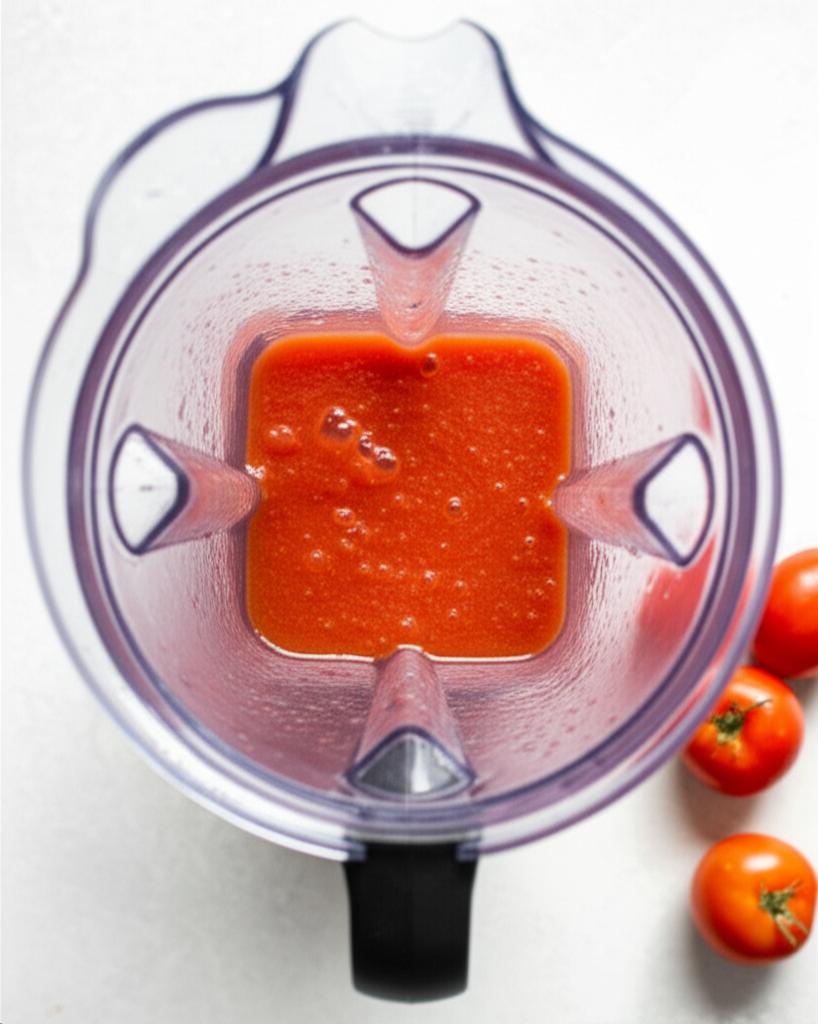
Making fresh tomato juice in a blender is incredibly simple! You can achieve instant, vibrant tomato juice at home without special equipment, perfect for a quick nutritional boost or a refreshing drink.
Key Takeaways
- Blend ripe tomatoes for maximum flavor.
- Wash and roughly chop tomatoes.
- Blend until smooth, adding liquid if needed.
- Strain for a smoother juice texture.
- Adjust seasonings to your taste.
- Enjoy your fresh blender tomato juice immediately.
How to Make Tomato Juice in a Blender: Instant Freshness!
Are you looking for a delicious and healthy way to enjoy tomatoes? Making fresh tomato juice at home might seem complicated, but it’s surprisingly easy, especially with just a blender! Forget store-bought options filled with preservatives. You can unlock the pure, vibrant taste of sun-ripened tomatoes in minutes. This guide will walk you through every simple step, making you feel confident and inspired to create your own instant, fresh tomato juice. Get ready to discover the amazing flavor and goodness you can achieve right in your own kitchen.
Why Make Tomato Juice in a Blender?
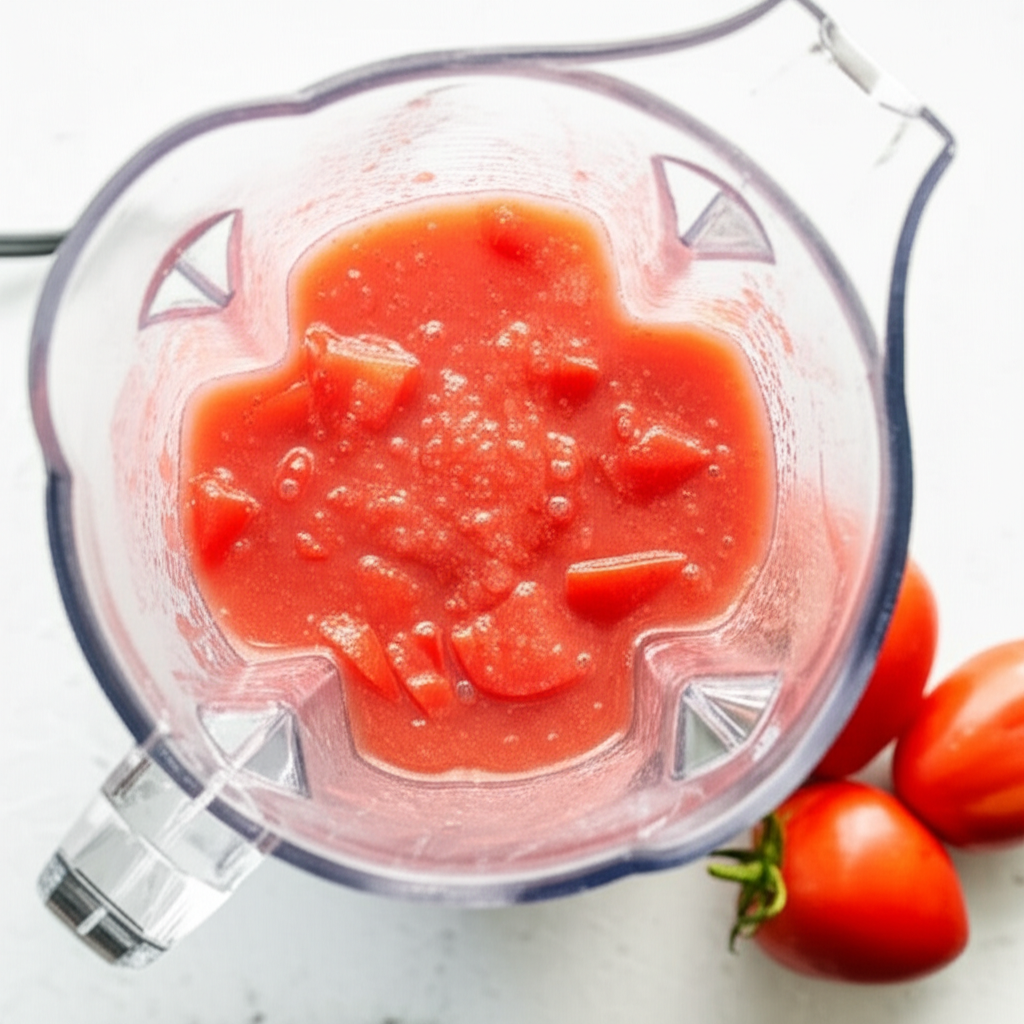
Making tomato juice in a blender offers a host of benefits, especially for those new to juicing or looking for convenient, healthy options. Unlike traditional juicers, a blender is a common kitchen appliance, making this method accessible to almost everyone. You get to control exactly what goes into your juice, ensuring it’s fresh, natural, and free from unwanted additives.
Tomatoes are nutritional powerhouses. They are an excellent source of Vitamin C, a potent antioxidant that supports your immune system. They also contain lycopene, a powerful antioxidant linked to various health benefits, including heart health and cancer prevention. Lycopene is best absorbed when tomatoes are cooked or processed, making homemade tomato juice a fantastic way to reap these benefits.
Furthermore, blending tomatoes retains more of the fruit’s fiber compared to juicing, which can contribute to digestive health. This method is also incredibly quick. If you have ripe tomatoes on hand, you can have a glass of fresh tomato juice in less than five minutes. It’s perfect for a morning pick-me-up, a post-workout refreshment, or a base for other healthy recipes.
Choosing the Best Tomatoes for Your Juice
The quality of your tomato juice starts with the tomatoes you choose. For the best flavor and texture, opt for ripe, flavorful varieties. Overripe tomatoes can sometimes lead to a mushy texture and less vibrant color, while underripe tomatoes will yield a watery and less sweet juice.
Best Tomato Varieties for Juicing
- Roma Tomatoes (Plum Tomatoes): These are often the top choice for juicing due to their low water content and meaty flesh. They have fewer seeds and a concentrated, sweet flavor that makes for a rich juice.
- Beefsteak Tomatoes: While larger and juicier, they can also be used. Their high water content might result in a thinner juice, but they offer a classic, robust tomato flavor.
- Heirloom Tomatoes: If you have access to them, heirloom varieties offer incredible depth of flavor and vibrant colors. Their sweetness and complexity can elevate your homemade tomato juice to a gourmet level.
- Cherry or Grape Tomatoes: These smaller tomatoes are very sweet and can be used, especially if you want a sweeter juice. You’ll likely need a larger quantity to achieve a good volume of juice.
When selecting tomatoes, look for ones that are firm but yield slightly to gentle pressure. They should have a deep, uniform color and a sweet, fresh aroma. Avoid tomatoes with bruises, soft spots, or mold, as these can affect the taste and safety of your juice.
Essential Tools and Ingredients
The beauty of making tomato juice in a blender is its simplicity. You don’t need any fancy juicing equipment. Most of what you need is likely already in your kitchen.
What You’ll Need:
Here’s a quick rundown of the essentials:
- Blender: Any standard blender will work. A high-powered blender will create a smoother consistency more quickly.
- Fresh Tomatoes: The star of the show! Choose ripe, flavorful tomatoes as discussed above.
- Water (Optional): A small amount of water can help with blending if your tomatoes are very thick.
- Salt: A pinch of salt enhances the natural sweetness and flavor of the tomatoes.
- Optional Seasonings: Black pepper, a dash of hot sauce, a splash of Worcestershire sauce, or a pinch of sugar can be added to taste.
- Strainer (Optional): A fine-mesh sieve or cheesecloth for a smoother, pulp-free juice.
- Knife and Cutting Board: For preparing the tomatoes.
The quantity of tomatoes you’ll need depends on how much juice you want to make. As a general guideline, about 2 pounds of tomatoes will yield approximately 1 quart (about 1 liter) of juice, depending on the tomato variety.
Step-by-Step Guide: How to Make Tomato Juice in a Blender
Follow these simple steps to create your delicious, fresh tomato juice. This process is designed for ease and speed, perfect for beginners.
Step 1: Prepare the Tomatoes
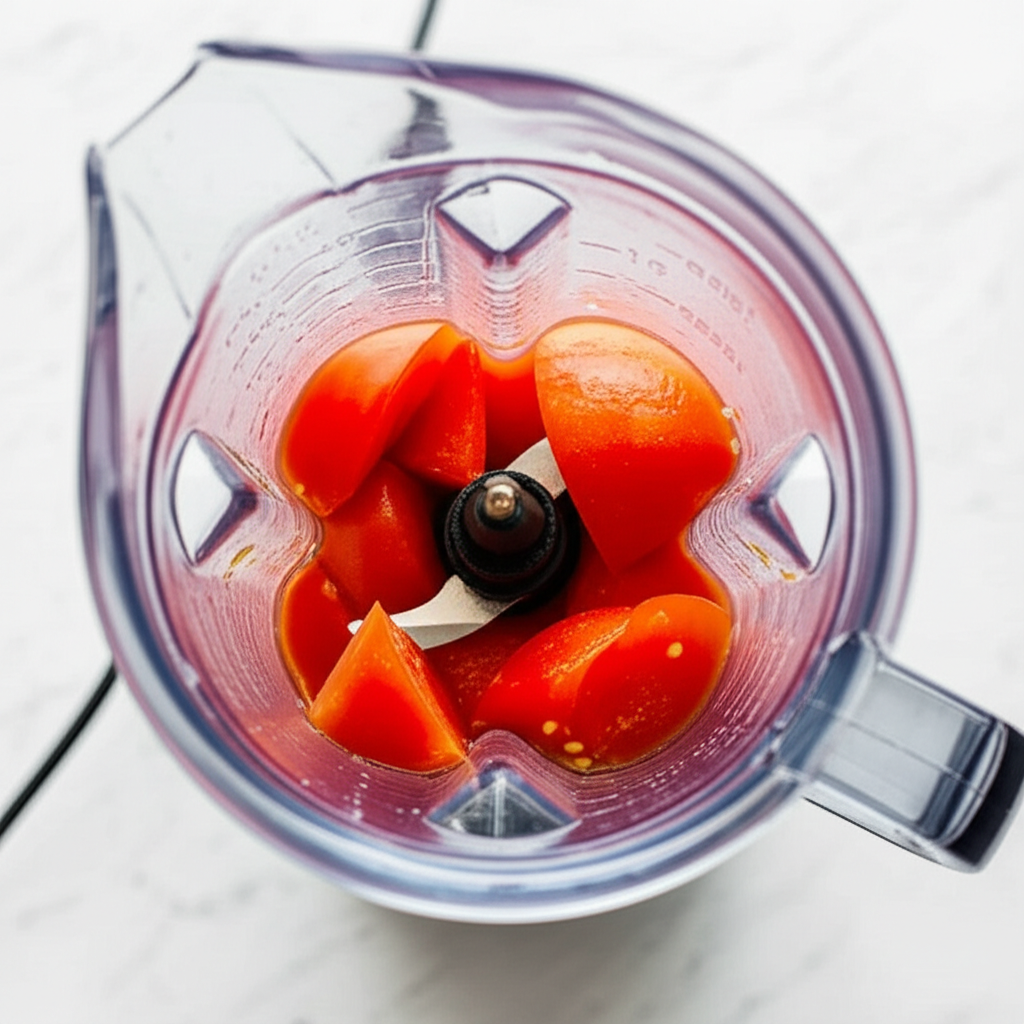
Begin by washing your tomatoes thoroughly under cool running water. Gently scrub away any dirt. Remove the stems and any bruised or damaged spots. You don’t need to peel or seed the tomatoes; the blender will handle that, and keeping them on adds nutrients and flavor. Roughly chop the tomatoes into quarters or smaller pieces. This makes them easier for the blender to process.
Step 2: Blend the Tomatoes
Place the chopped tomatoes into your blender. If your blender is not very powerful or if the tomatoes seem very dry, you can add a small amount of water – start with about 1/4 cup for every 2 pounds of tomatoes. Too much water will dilute the flavor.
Secure the lid tightly and start blending on a low speed, gradually increasing to high. Blend for about 30-60 seconds, or until the mixture is completely smooth and there are no large chunks remaining. The time will vary depending on your blender’s power.
Step 3: Season Your Juice
Once blended, add your seasonings. Start with a pinch of salt to enhance the tomato flavor. You can also add a dash of black pepper. For a little kick, a tiny drop of hot sauce or a splash of Worcestershire sauce works wonders. If your tomatoes are a bit tart, a pinch of sugar or a tiny bit of honey can balance the flavors. Blend for another 10-15 seconds to incorporate the seasonings.
Step 4: Strain (Optional)
If you prefer a smoother, pulp-free juice, strain the blended mixture. Place a fine-mesh sieve over a bowl or pitcher. Pour the blended tomato mixture into the sieve. Use a spoon or spatula to gently press the juice through the sieve, leaving the pulp and seeds behind. You can discard the pulp or save it for other uses, like adding to sauces or soups.
For an even smoother juice, you can line the sieve with cheesecloth or a nut milk bag before pouring the mixture in.
Step 5: Chill and Serve
Your fresh tomato juice is ready! For the best flavor, chill it in the refrigerator for at least 30 minutes before serving. Pour into glasses and enjoy immediately. Garnish with a sprig of fresh basil or a slice of lemon if desired.
Nutritional Benefits of Fresh Tomato Juice
Drinking fresh tomato juice is a fantastic way to boost your intake of essential vitamins, minerals, and antioxidants. Unlike processed juices, homemade blender tomato juice retains more of the natural goodness of the tomato.
Key Nutrients and Benefits:
- Lycopene: This is the star antioxidant in tomatoes, responsible for their red color. Lycopene is linked to reduced risk of certain cancers, particularly prostate cancer, and cardiovascular disease. It’s fat-soluble, so consuming it with a small amount of healthy fat (like a sprinkle of olive oil in your juice) can enhance absorption.
- Vitamin C: A powerful antioxidant that supports immune function, skin health, and helps protect cells from damage.
- Potassium: Important for maintaining healthy blood pressure levels and fluid balance in the body.
- Vitamin K: Essential for blood clotting and bone health.
- Fiber: While some fiber is lost during straining, blending keeps more of it intact than traditional juicing, which aids digestion and can help you feel fuller.
According to the USDA Agricultural Research Service, tomatoes are a good source of many nutrients, and fresh juice offers these directly.
Making your own juice ensures you’re not consuming added sugars or preservatives often found in store-bought versions. This makes it an excellent choice for a healthy lifestyle, supporting overall well-being and energy levels.
Flavor Variations and Additions
While plain tomato juice is delicious, don’t be afraid to experiment with flavor! Adding other ingredients can create exciting new taste profiles and boost the nutritional value even further.
Savory Twists:
- Spicy Kick: Add a pinch of cayenne pepper, a fresh chili pepper (seeds removed for less heat), or a dash of your favorite hot sauce.
- Herbal Notes: Blend in fresh herbs like basil, parsley, celery leaves, or a small piece of garlic.
- Umami Boost: A splash of Worcestershire sauce or a tiny bit of soy sauce (or tamari for gluten-free) can add depth.
- Citrus Brightness: A squeeze of lemon or lime juice can cut through the richness and add a refreshing zing.
Sweet Enhancements (Use Sparingly):
If your tomatoes aren’t very sweet, you can add a tiny amount of natural sweetener. A little honey, maple syrup, or agave nectar can balance the flavor without making it overly sweet.
Vegetable Pairings:
For an even more nutrient-dense juice, consider adding other vegetables. Small amounts of cucumber, bell pepper (seeds removed), or a stalk of celery can be blended in. Start with small quantities to avoid overpowering the tomato flavor.
When adding new ingredients, it’s best to blend them with the tomatoes and then taste. Adjust seasonings as needed. Remember, the goal is to complement the tomato flavor, not mask it.
Pro Tip
For the most vibrant and flavorful tomato juice, use tomatoes that are at peak ripeness and ideally have been sitting at room temperature for a day or two after purchase. This allows their sugars to concentrate and their flavors to fully develop, resulting in a sweeter and richer juice.
Table: Comparing Blender vs. Juicer Tomato Juice
Choosing between a blender and a juicer for tomato juice depends on your priorities. Here’s a quick comparison:
| Feature | Blender Method | Juicer Method |
|---|---|---|
| Equipment Needed | Standard Blender | Dedicated Juicer (Centrifugal or Masticating) |
| Fiber Content | Higher (especially if not strained) | Lower (fiber is separated) |
| Texture | Can be thicker, pulpier (unless strained) | Smoother, thinner, pulp-free |
| Preparation Time | Faster (less prep, faster blending) | Slightly longer (more prep, juicer setup) |
| Nutrient Retention | Generally higher due to retained fiber and skin | Good, but some nutrients may be lost with pulp |
| Ease of Cleaning | Blender jar and lid are easy to clean | Juicer parts can be more complex to clean |
| Versatility | Can make smoothies, sauces, soups | Primarily for juices |
| Cost-Effectiveness | More accessible for most kitchens | Higher initial investment |
For beginners or those with limited kitchen gadgets, the blender method is highly recommended due to its simplicity and accessibility. If you’re serious about juicing and prefer a perfectly smooth, pulp-free drink, a juicer might be a good investment, but it’s not necessary to enjoy fresh tomato juice.
Troubleshooting Common Issues
Even with a simple recipe, you might encounter a few hiccups. Here’s how to fix them:
Issue 1: Juice is too thick or not blending well.
Solution: Add a small amount of water, about 1-2 tablespoons at a time, and blend again. Ensure your tomatoes are ripe, as less ripe tomatoes are firmer and harder to blend.
Issue 2: Juice is too watery or thin.
Solution: This often happens if you used very juicy tomato varieties or added too much water. For future batches, try using plum tomatoes (like Roma) which have less water content, or strain the juice more thoroughly.
Issue 3: Juice is too tart or bland.
Solution: Taste your tomatoes before blending. If they are tart, add a pinch of sugar, honey, or a squeeze of lemon juice. If bland, a pinch of salt is usually the best enhancer. You can also add a dash of Worcestershire sauce for more savory depth.
Issue 4: Too much pulp after straining.
Solution: Ensure you are using a fine-mesh sieve. For an even smoother result, line the sieve with cheesecloth or a nut milk bag. You can also choose to not strain the juice at all if you don’t mind a bit of pulp.
Frequently Asked Questions (FAQ)
Q1: Can I use canned tomatoes to make tomato juice?
A: While you can use canned tomatoes (like crushed or diced), they won’t provide the same fresh, vibrant flavor as fresh tomatoes. If you do use them, opt for unsalted varieties and be prepared for a different taste profile. Fresh is always best for this recipe.
Q2: How long does homemade tomato juice last?
A: Freshly made tomato juice should be stored in an airtight container in the refrigerator and consumed within 2-3 days for the best flavor and safety. It doesn’t contain preservatives, so it spoils faster than commercial versions.
Q3: Can I freeze tomato juice?
A: Yes, you can freeze tomato juice. Pour it into freezer-safe containers or ice cube trays, leaving some headspace for expansion. Frozen juice can last for several months. Thaw in the refrigerator before consuming.
Q4: Do I need to peel the tomatoes?
A: No, you do not need to peel the tomatoes. The blender will break down the skins, and they contain valuable nutrients. If you prefer a very smooth juice without any skin bits, you can peel them, but it’s an optional step.
Q5: What’s the best way to store fresh tomatoes for juicing?
A: Store fresh, ripe tomatoes at room temperature, away from direct sunlight. Avoid refrigerating them, as this can dull their flavor and texture. They are best used within a few days of ripening.
Q6: Can I make tomato juice without a blender?
A: It’s much more difficult. You could try mashing tomatoes very thoroughly with a fork and then straining, but achieving a juice-like consistency without blending or juicing is challenging and will likely result in a very chunky texture.
Q7: Is blender tomato juice healthy?
A: Yes, homemade blender tomato juice is very healthy! It’s packed with vitamins, minerals, and antioxidants like lycopene, and you control the ingredients, avoiding added sugars and preservatives found in many store-bought options.
Conclusion
Making fresh tomato juice in a blender is a rewarding and incredibly simple process. You’ve learned how to select the best tomatoes, the essential tools, and the step-by-step method to create a delicious and nutritious drink right in your kitchen. From boosting your antioxidant intake to enjoying a refreshing beverage, homemade tomato juice offers a wealth of benefits. Don’t hesitate to experiment with seasonings and flavor additions to make it your own. So, gather your ripe tomatoes, fire up your blender, and enjoy the instant freshness of pure, homemade tomato juice!
smartblander.com is a participant in the Amazon Services LLC Associates Program, an affiliate advertising program. As an Amazon Associate, we earn from qualifying purchases made through our links.
