

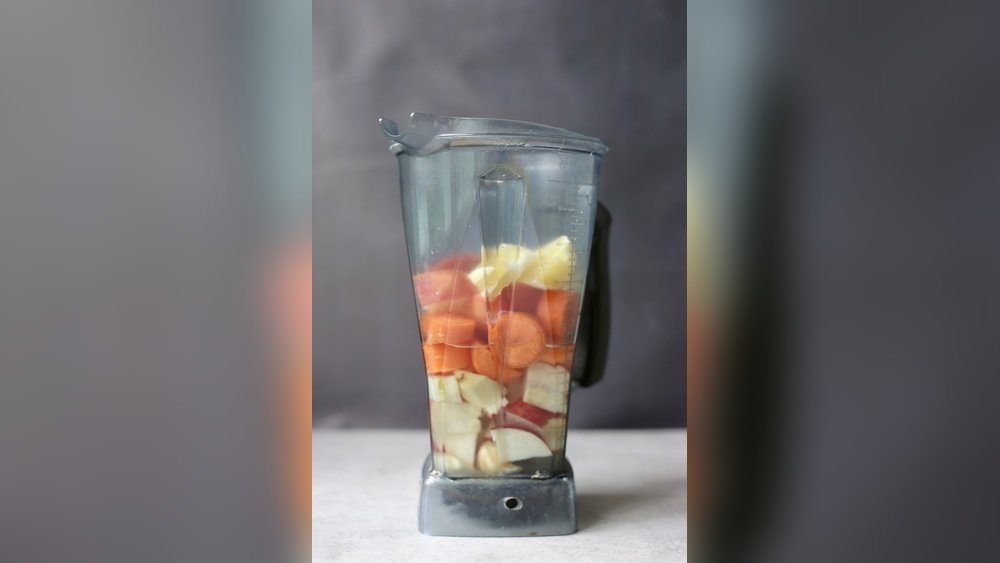
Want to enjoy fresh, delicious juice anytime at home? Making juice using a blender is easier than you think.
You don’t need fancy equipment or complicated steps. With just a few simple ingredients and your blender, you can create tasty, healthy drinks in minutes. Keep reading, and you’ll discover easy tips that will transform your blender into a powerful juice maker.
Your mornings—and your taste buds—will thank you!
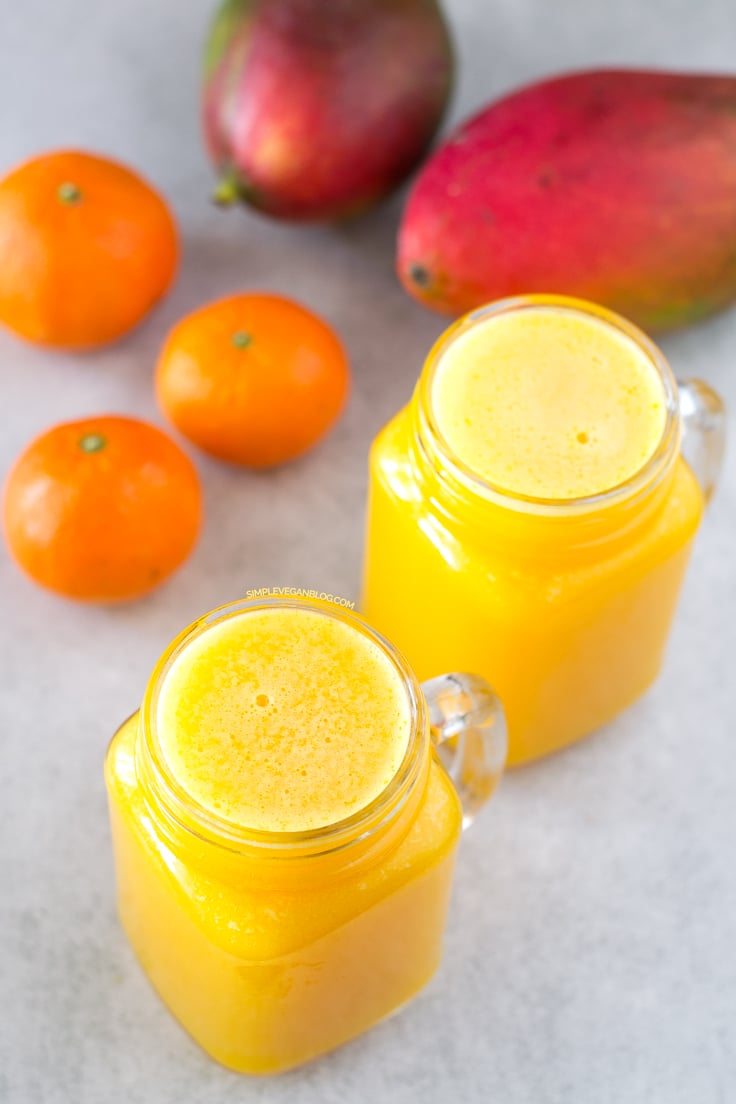
Credit: simpleveganblog.com
Choosing The Right Ingredients
Choosing the right ingredients is key for tasty juice. Freshness matters. Good ingredients give better flavor and nutrition. Balance sweet and tangy. Think about color and texture too. Variety makes juice more exciting.
Fruits That Blend Well
Use fruits that are soft and juicy. Apples, oranges, and berries blend smoothly. Bananas add creaminess. Pineapple gives a tropical twist. Avoid fruits with hard seeds or thick skin. Cut fruits into small pieces for easy blending.
Adding Vegetables
Vegetables add vitamins and minerals. Carrots and cucumbers work well. Spinach and kale are good green choices. They add nutrients without strong taste. Start with small amounts. Blend well to avoid chunks.
Using Herbs And Spices
Herbs add fresh, unique flavors. Mint and basil are popular choices. Ginger gives a spicy kick. Cinnamon adds warmth and sweetness. Use a little at first. Adjust to your taste for the best result.
Preparing Ingredients For Blending
Preparing ingredients for blending is the first step to make fresh juice. Good preparation helps the blender work better. It also improves the juice taste and texture. Clean, cut, and balanced ingredients create smooth and delicious juice every time.
Washing And Peeling
Start by washing all fruits and vegetables well. This removes dirt, pesticides, and germs. Use cold water and rub the surface gently. For some fruits, peeling is important. Peeling removes tough skin or bitter parts. Examples include oranges, pineapples, and apples. Leave the skin on for soft fruits like berries.
Chopping For Even Blending
Cut ingredients into small, even pieces. This helps the blender chop them smoothly. Large chunks can make the blender work harder. Use a sharp knife and a clean cutting board. Try to keep pieces about the same size. This creates a smoother juice without lumps or bits.
Balancing Flavors
Mix sweet and sour ingredients for a good taste. For example, add apples or carrots for sweetness. Use lemon or lime for a fresh, tangy flavor. Avoid too much sour or sweet taste. Test the mix by tasting a small piece. Adjust the balance before blending for the best flavor.
Selecting The Best Blender
Selecting the best blender is important for making fresh, smooth juice at home. A good blender saves time and effort. It also helps get the right texture and flavor in your juice. Knowing what to look for makes choosing easier.
Blender Types And Features
There are several types of blenders. Countertop blenders are large and strong. They handle tough fruits and vegetables well. Personal blenders are smaller and good for single servings. They are easy to clean and store.
Look for features like multiple speed settings. Pulse function helps crush ice and tough ingredients. A wide jar allows more ingredients at once. Some blenders have special blades for better blending.
Power And Capacity Considerations
Power is key for smooth juice. A blender with at least 500 watts can blend most fruits. Higher wattage handles harder items like carrots or ginger. Lower power blenders may leave chunks behind.
Capacity depends on your needs. A larger jar is good for families or groups. Smaller jars work well for single servings or small kitchens. Choose a size that fits your typical juice amount.
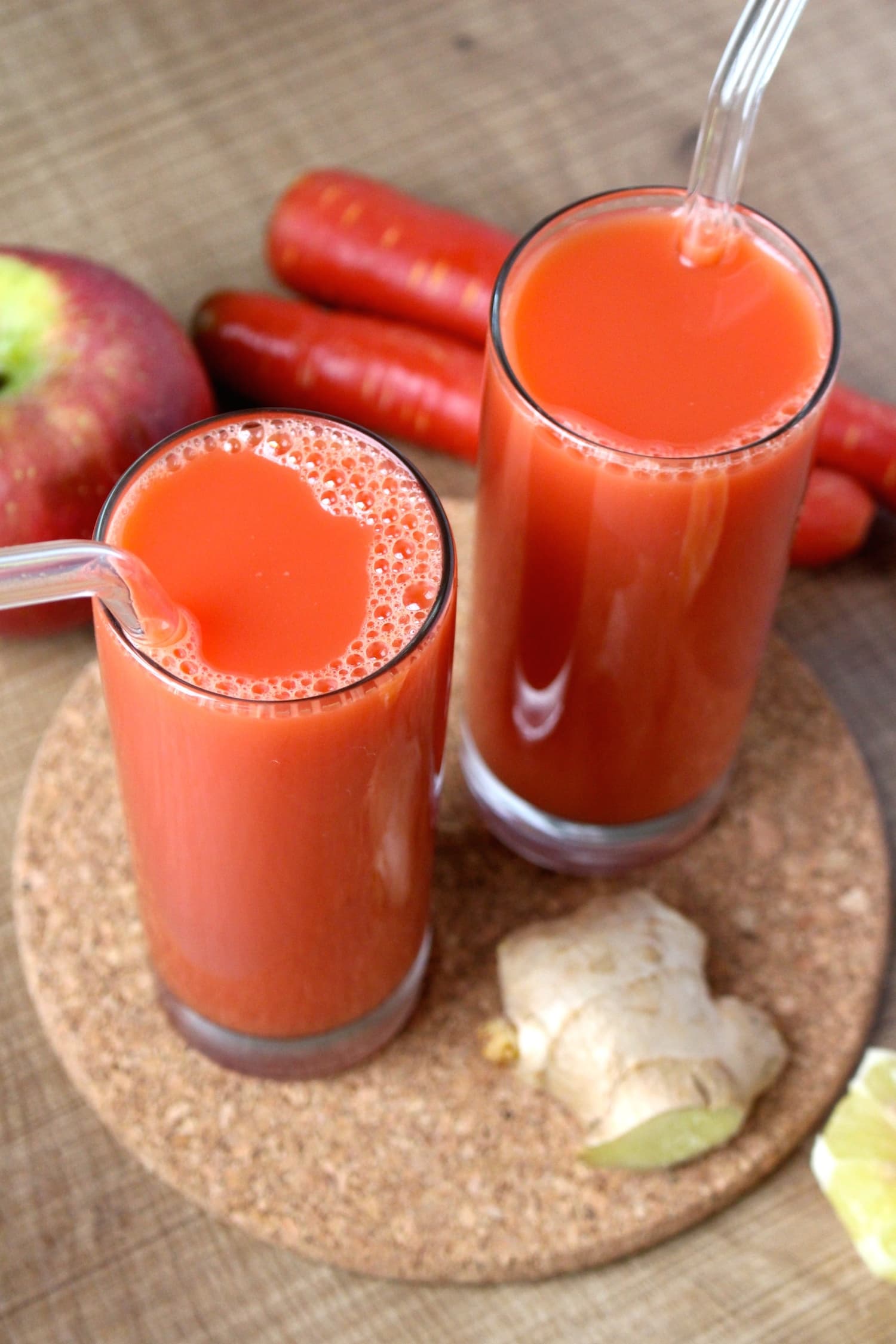
Credit: theconscientiouseater.com
Blending Techniques
Blending techniques are key to making smooth, tasty juice with a blender. Using the right methods helps mix ingredients evenly. This creates a fresh, delicious drink every time. Simple steps can improve your blending results and save time.
Layering Ingredients
Place soft fruits and leafy greens at the bottom of the blender. Harder items like carrots or apples go on top. This order helps the blades move easily through the mixture. It stops the blender from getting stuck. Layering also makes the juice smoother.
Adjusting Speed Settings
Start blending on a low speed to break down ingredients. Increase speed gradually to mix everything well. High speed helps crush ice or frozen fruit. Avoid using high speed from the start. This can cause the blender to overheat or spill.
Using Liquid Bases
Always add some liquid before blending. Water, juice, or milk works well as a base. Liquids help the blades move and mix ingredients fully. Too little liquid makes blending hard and uneven. Add just enough to cover the blades.
Straining And Serving Juice
Straining and serving juice is an important step after blending. It helps make the juice smooth and easy to drink. Straining removes pulp and seeds that some people do not like. Serving the juice well makes it look fresh and inviting. This section covers when to strain, how to strain, and tips for serving juice beautifully.
When To Strain
Strain juice if you want it clear and smooth. Some fruits like oranges or berries have thick pulp. Straining helps remove bits that can feel rough. If you prefer thicker juice with fiber, skip straining. For green juices, straining removes leafy bits that may taste bitter. Taste the juice first to decide if straining is needed.
Straining Methods
Use a fine mesh sieve or cheesecloth to strain juice. Pour the blended juice slowly through the sieve. Press the pulp gently with a spoon to get more liquid. Cheesecloth works well for very fine straining. Another way is to use a nut milk bag for clear juice. Clean the strainer right after use to avoid stains.
Presentation Tips
Serve juice in clear glasses to show its color. Add a small slice of fruit on the rim for decoration. Use fresh mint leaves to add a touch of green. Chill juice before serving for a refreshing taste. Use a clean cloth to wipe the glass edges for a neat look. Serve juice immediately for best flavor and freshness.
Cleaning And Maintaining Your Blender
Keeping your blender clean is important for health and performance. Proper cleaning stops germs and old juice smells. It also keeps your blender working well for a long time. Here are simple ways to clean and care for your blender.
Quick Cleaning Tips
Start by rinsing the blender right after use. Fill the jar halfway with warm water. Add a drop of dish soap. Blend on high for 30 seconds. Rinse the jar and lid with clean water. Dry with a soft cloth or let air dry.
Deep Cleaning Methods
For a deeper clean, remove the blades carefully. Soak the parts in warm, soapy water for 10 minutes. Use a small brush to scrub hard spots. Rinse all parts well. Wipe the base with a damp cloth. Never immerse the base in water.
Preventing Odors And Stains
Remove odors by blending a mixture of baking soda and water. Let it sit in the jar for 10 minutes. Rinse thoroughly afterward. Avoid staining by cleaning immediately after using strong-colored fruits. Store your blender with the lid off to keep it fresh.
Troubleshooting Common Issues
Making juice with a blender is easy, but sometimes problems happen. Troubleshooting helps fix these common issues fast. Keep your blender working well and enjoy fresh juice every time. Here are some simple tips to solve common blender problems.
Preventing Overheating
Blenders can get hot if used too long. Turn the blender off for a few minutes during long blends. Avoid blending thick mixtures for more than one minute straight. Use smaller batches to reduce stress on the motor. Keep the blender clean to help it cool properly.
Fixing Inconsistent Blends
Chunks or uneven juice may mean the blender needs help. Add liquid like water or juice to thin the mix. Stop and stir the ingredients to move stuck pieces. Cut fruits and vegetables into smaller pieces before blending. Use the pulse button for better control over blending.
Dealing With Leaks
Leaks are often caused by loose or damaged parts. Check if the blender jar is locked tightly on the base. Inspect the gasket or seal for cracks or wear. Replace any broken seals to stop leaks. Clean the jar and base connection to ensure a proper fit.

Credit: www.youtube.com
Frequently Asked Questions
What Fruits Work Best For Making Juice In A Blender?
Soft fruits like berries, oranges, and melons blend smoothly. Hard fruits like apples or carrots need chopping and extra blending time for a smooth juice.
How Do I Prevent Pulp In My Blended Juice?
Use a fine mesh strainer or cheesecloth to filter pulp. Blend fruits thoroughly and add a little water to ease straining.
Can I Use A Blender Instead Of A Juicer?
Yes, blenders can make juice by blending fruits and straining. They retain more fiber and nutrients compared to juicers.
How Much Water Should I Add When Blending Juice?
Add ¼ to ½ cup of water per 2 cups of fruit. This helps blend the ingredients smoothly without diluting the juice too much.
Conclusion
Making juice with a blender is simple and quick. Fresh fruits and vegetables give the best taste. Blend well, strain if needed, and enjoy your drink. You control the ingredients, so it stays healthy. Try different combinations to find your favorite.
This method saves money and reduces waste. Keep your blender clean for better results. Start today and enjoy fresh juice anytime.
smartblander.com is a participant in the Amazon Services LLC Associates Program, an affiliate advertising program. As an Amazon Associate, we earn from qualifying purchases made through our links.
