

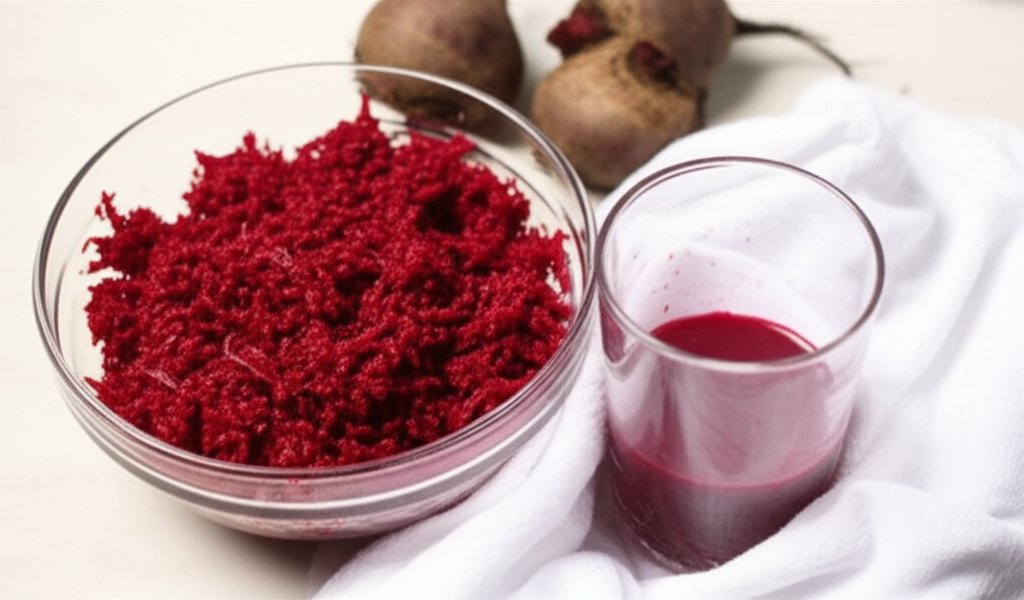
You can easily make delicious and healthy beetroot juice without a blender using simple kitchen tools like a grater, cheesecloth, and a bit of elbow grease. This method is perfect for beginners and yields a vibrant, nutrient-rich drink.
Key Takeaways
- Grate raw beetroots for easy juice extraction.
- Strain the grated pulp using cheesecloth or a fine-mesh sieve.
- Squeeze out all the vibrant beetroot juice.
- Combine with complementary flavors like lemon or ginger.
- Enjoy fresh, healthy beetroot juice at home.
How to Make Beetroot Juice Without a Blender: Easy Method
Making fresh beetroot juice at home is a fantastic way to boost your nutrient intake. Many people think you need a high-powered blender or a juicer to achieve this, but that’s simply not true! If you don’t have these appliances, don’t worry. You can still create vibrant, healthy beetroot juice with just a few basic kitchen items. This guide will walk you through a simple, step-by-step process. Get ready to enjoy the benefits of fresh beetroot juice, no blender required!
Why Make Beetroot Juice? The Nutritional Powerhouse
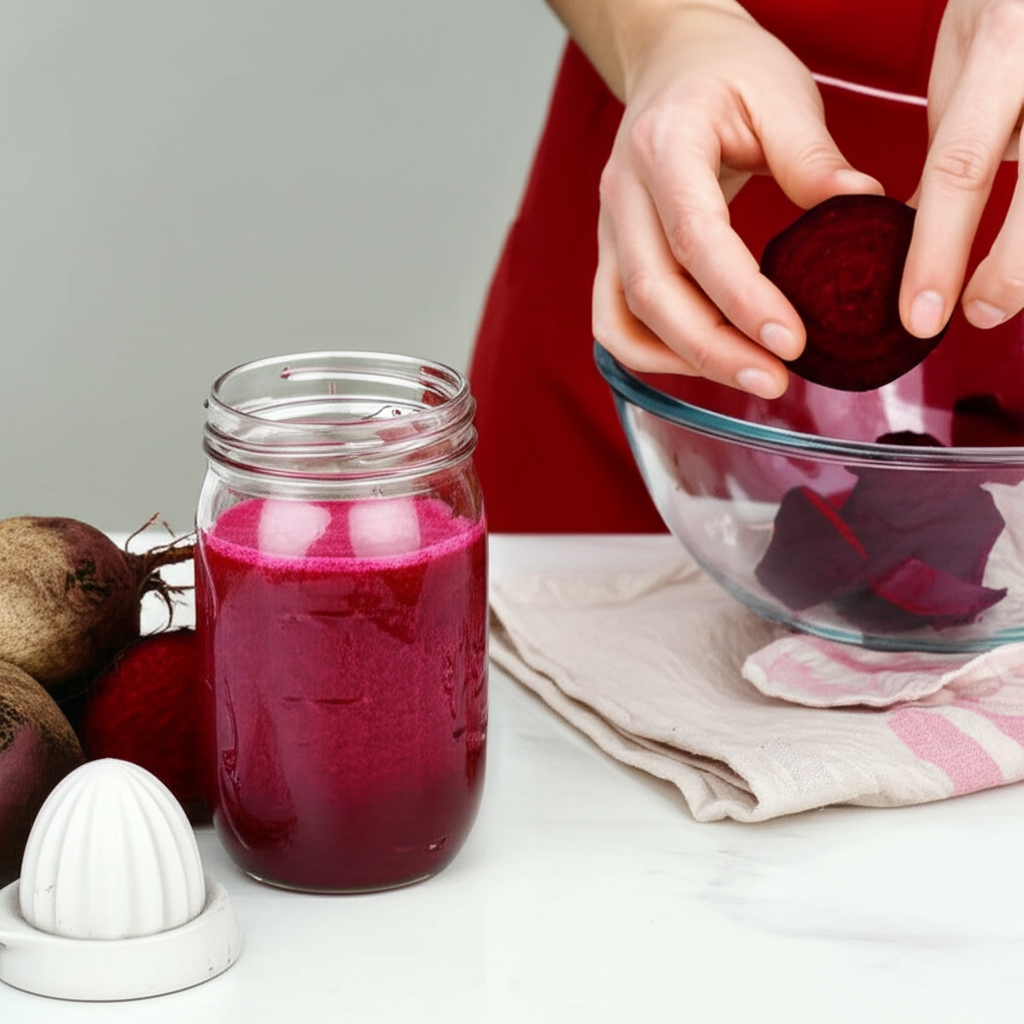
Beetroot juice is celebrated for its incredible health benefits. It’s packed with essential vitamins, minerals, and antioxidants. The star compound in beets is betalain, which gives them their deep red color and possesses potent antioxidant and anti-inflammatory properties. Regular consumption of beetroot juice has been linked to improved stamina, better blood flow, and lower blood pressure. It’s also a good source of nitrates, which the body converts into nitric oxide, a molecule that helps relax blood vessels. For beginners, it’s an accessible way to introduce these powerful phytonutrients into your diet.
Gathering Your Essential Tools and Ingredients
Before you start, let’s make sure you have everything you need. The beauty of this method is its simplicity, requiring only a few common kitchen tools.
What You’ll Need:
- Fresh Beetroots: Choose firm, fresh beetroots. About 2-3 medium-sized beetroots should yield a good serving of juice.
- Grater: A box grater or a microplane will work well. A finer grate will release more juice.
- Cheesecloth or Nut Milk Bag: This is crucial for straining the pulp and collecting the juice. A fine-mesh sieve can also work in a pinch, but cheesecloth is ideal.
- Bowl: A medium-sized bowl to catch the grated beetroot and then the juice.
- Knife and Cutting Board: For prepping the beetroots.
- Gloves (Optional but Recommended): Beetroot can stain your hands, so wearing gloves is a good idea.
- Lemon or Lime (Optional): For added flavor and to help preserve the juice.
- Ginger (Optional): For a zesty kick and added health benefits.
Step-by-Step Guide: How to Make Beetroot Juice Without a Blender
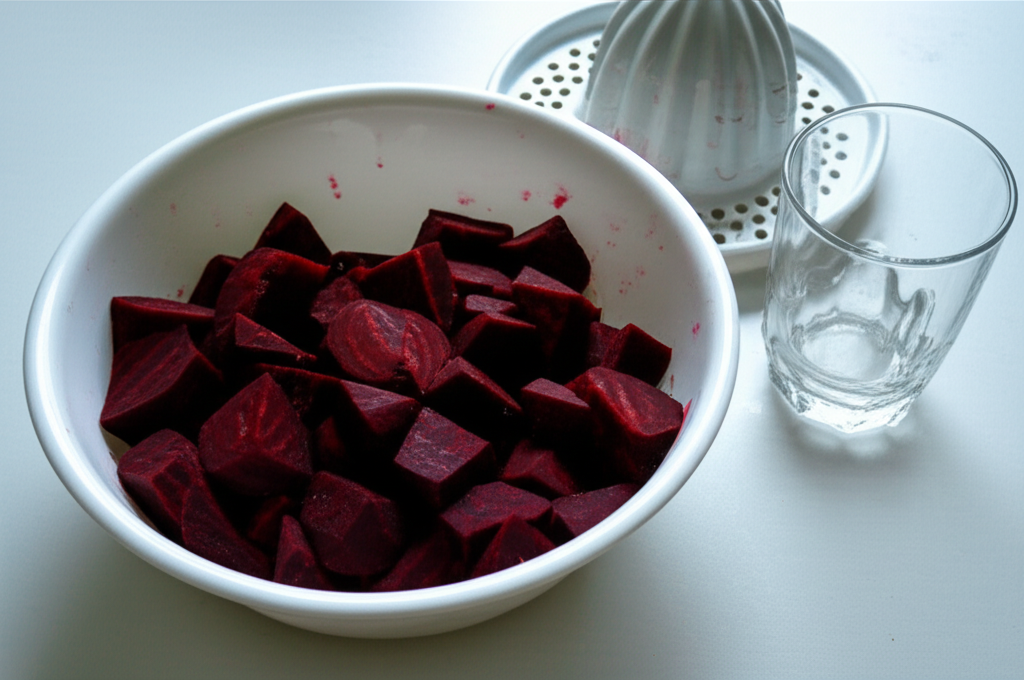
Follow these simple steps to create your own fresh beetroot juice. This method focuses on extracting the maximum amount of juice with minimal fuss.
Step 1: Prepare Your Beetroots
Start by washing your beetroots thoroughly under cold running water. Scrub away any dirt. Trim off the leafy greens and the root tail. You don’t need to peel the beetroots if they are organic and well-scrubbed, as much of the nutrients are in or just under the skin. However, if you prefer, you can peel them using a vegetable peeler.
Step 2: Grate the Beetroots
Place your beetroot on a cutting board and begin grating it. Use the medium or fine side of your grater. Grating breaks down the cellular structure of the beetroot, making it easier to release its juice. Be mindful of your fingers as you grate. If you’re using gloves, now is the time to put them on. The finer you grate, the more juice you’ll be able to extract.
Step 3: Strain the Grated Beetroot
Place your cheesecloth or nut milk bag over a clean bowl. If using cheesecloth, you might want to double or triple layer it for best results. Spoon the grated beetroot into the center of the cheesecloth. If you’re using a fine-mesh sieve, place it over the bowl and spoon the grated beetroot into the sieve.
Step 4: Squeeze Out the Juice
Gather the edges of the cheesecloth and twist them tightly to form a pouch. Hold this pouch over the bowl and begin to squeeze. Apply firm, consistent pressure. You’ll see the vibrant beetroot juice begin to drip into the bowl. Keep squeezing until you’ve extracted as much juice as possible. If you used a sieve, use the back of a spoon to press down on the grated beetroot, pushing the juice through.
Step 5: Add Flavorings (Optional)
Your beetroot juice is ready! For a more palatable and refreshing drink, consider adding some flavor enhancers. A squeeze of fresh lemon or lime juice can cut through the earthy taste of beetroot and add a bright, zesty note. A small piece of fresh ginger, grated finely and then squeezed along with the beetroot, adds a warming spice and another layer of health benefits. You can experiment with other additions like a touch of honey or mint leaves.
Step 6: Serve and Enjoy
Pour your freshly made beetroot juice into a glass. It’s best enjoyed immediately to get the most nutrients. You can drink it as is, or dilute it with a little water if the flavor is too intense for you. If you made extra, store it in an airtight container in the refrigerator for up to 24 hours, though freshness is key.
For those who are new to beetroot juice, starting with a smaller amount or diluting it is a good strategy. The taste can be quite strong for some.
Pro Tips for the Best Beetroot Juice
Pro Tip: To minimize staining, work over a sink or place newspaper on your countertops. Wash any stained utensils or surfaces immediately after use.
Flavor Combinations and Variations
While pure beetroot juice is potent, blending it with other fruits and vegetables can create delicious and even more nutrient-dense beverages. Since we’re not using a blender, these combinations will focus on ingredients that can be easily juiced or infused.
Popular Flavor Pairings:
- Beetroot, Apple, and Ginger: Grate an apple along with the beetroot and squeeze. Add grated ginger before squeezing.
- Beetroot, Carrot, and Orange: If you have a manual citrus juicer, juice an orange separately and add the juice to your beetroot. You can grate carrots and squeeze them with the beetroot.
- Beetroot and Lemon: Simply add a generous squeeze of fresh lemon juice to your beetroot juice.
- Beetroot and Cucumber: Grate a peeled cucumber along with the beetroot. Cucumber adds hydration and a mild flavor.
These combinations offer a balance of sweetness, tartness, and spice, making the beetroot juice more appealing to a wider range of palates.
Nutritional Comparison: Blender vs. No-Blender Method
It’s natural to wonder if there’s a difference in nutritional content between juices made with a blender and those made without. The primary difference lies in the pulp.
When you use a blender to make juice (often called a smoothie or blended juice), you typically include the entire fruit or vegetable, including the pulp. This means you retain all the fiber. However, when you strain juice using the method described here, you are essentially removing most of the fiber. This is similar to what a traditional juicer does.
The vitamin and mineral content of the extracted juice should be largely comparable, as the water-soluble nutrients are released from the grated beetroot. The main difference is the absence of fiber in the strained juice. For those looking for the concentrated liquid nutrients without the fiber, this no-blender method is excellent.
Here’s a simplified comparison:
| Feature | Blender Juice (Smoothie) | No-Blender Juice (Strained) |
|---|---|---|
| Fiber Content | High | Low |
| Nutrient Extraction | Whole fruit/vegetable | Water-soluble nutrients from pulp |
| Texture | Thicker, often pulpier | Smooth, liquid |
| Ease of Digestion | May be slower due to fiber | Generally faster absorption |
| Preparation Method | Blending | Grating and Straining |
Both methods offer unique benefits, and the “best” depends on your dietary goals and preferences. For those seeking pure juice with quick nutrient absorption, the no-blender method is a winner.
Benefits of Nitrates in Beetroot Juice
Beetroots are exceptionally rich in dietary nitrates. When you consume beetroot juice, your body converts these nitrates into nitrite, and then into nitric oxide (NO). Nitric oxide is a vital molecule that plays a crucial role in cardiovascular health. It helps to:
- Relax and widen blood vessels: This leads to improved blood flow and can help lower blood pressure. Studies, such as those published in the American Journal of Clinical Nutrition, have shown significant effects of beetroot juice on blood pressure.
- Improve oxygen utilization: This can enhance physical performance and endurance, which is why athletes often drink beetroot juice.
- Support brain health: Nitric oxide is also important for cognitive function.
Consuming beetroot juice regularly can contribute to better overall health, especially for those looking to support their cardiovascular system naturally.
Tips for Storing Beetroot Juice
Freshly made beetroot juice is best consumed immediately. However, if you need to store it, follow these guidelines:
- Airtight Container: Use a glass jar or bottle with a tight-fitting lid.
- Fill to the Top: Minimize air exposure by filling the container as much as possible.
- Refrigerate: Store in the coldest part of your refrigerator.
- Consume Quickly: Aim to drink it within 24 hours. The flavor and nutrient content will degrade over time.
Be aware that beetroot juice can stain containers, so glass is often preferred. Some people add a little lemon juice to the stored juice, as its acidity can act as a mild preservative.
Frequently Asked Questions About Beetroot Juice Without a Blender
Q1: Will grating the beetroot be very difficult?
A1: Grating beetroot is relatively easy, especially if the beetroot is fresh and firm. A box grater works well, and you can adjust the pressure as needed. If you find it a bit tough, you can try grating a slightly softer beetroot, or ensure your grater has sharp edges.
Q2: How can I make the beetroot juice taste better?
A2: The earthy flavor of beetroot can be intense for some. Adding lemon or lime juice is the most common and effective way to balance the taste. You can also add a small amount of grated ginger for a spicy kick, or even a bit of apple if you have one handy that you can grate and squeeze.
Q3: Can I use cooked beetroot instead of raw?
A3: Yes, you can use cooked beetroot. Boiling or steaming beetroot until tender will make it softer and easier to grate and squeeze. However, some nutrients, particularly vitamin C, may be reduced during the cooking process. Raw beetroot retains the maximum amount of nutrients.
Q4: How much juice can I expect from 2-3 beetroots?
A4: You can typically expect about 4-8 ounces (120-240 ml) of juice from 2-3 medium-sized beetroots, depending on their size and water content. Grating them finely and squeezing thoroughly will maximize your yield.
Q5: Is it okay to drink the pulp left after straining?
A5: The pulp contains fiber and some nutrients. While this method focuses on extracting the juice, you can certainly add the pulp to baked goods, compost it, or even blend it into a smoothie if you have a blender for other recipes. For this specific juice recipe, we are aiming for a clear liquid.
Q6: Why is beetroot juice good for athletes?
A6: Beetroot juice is rich in nitrates, which the body converts to nitric oxide. Nitric oxide improves blood flow and oxygen delivery to muscles, enhancing endurance and performance. This makes it a popular choice for athletes looking to boost their stamina.
Q7: How do I avoid staining my hands and surfaces?
A7: Wearing gloves is highly recommended when handling beetroot. You can also use a plastic cutting board and work over a sink or cover your countertops with newspaper or old towels. Clean up any spills immediately with soap and water.
Conclusion
As you can see, you don’t need fancy equipment to enjoy the incredible health benefits of fresh beetroot juice. This simple method of grating and straining is effective, accessible, and yields a vibrant, nutrient-packed drink. By following these steps, you can confidently make your own beetroot juice at home, experiment with delicious flavor combinations, and embrace a healthier lifestyle. So, grab those beetroots, get your grater ready, and start juicing your way to better wellness!
smartblander.com is a participant in the Amazon Services LLC Associates Program, an affiliate advertising program. As an Amazon Associate, we earn from qualifying purchases made through our links.
