

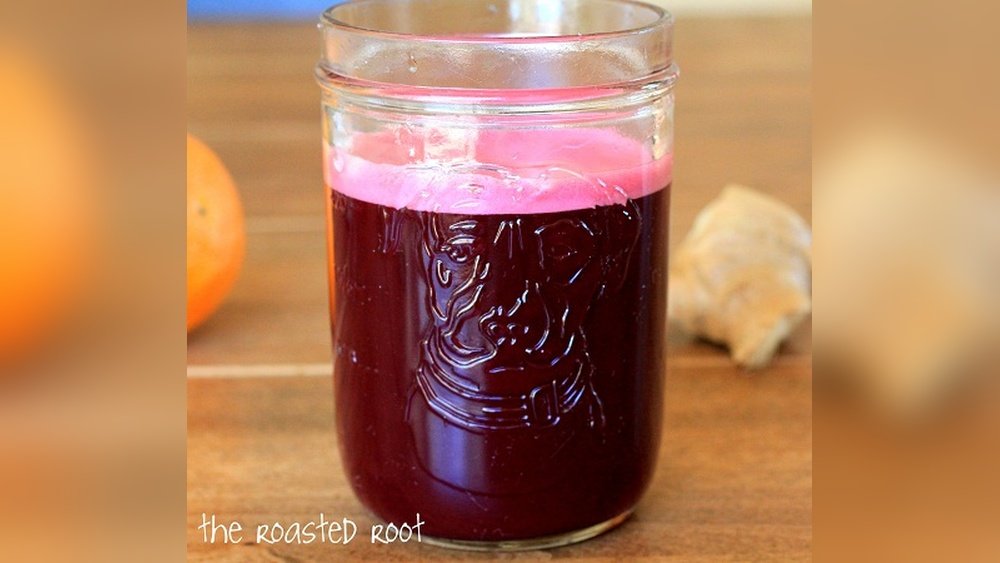
Are you craving fresh, healthy beetroot juice but don’t have a blender? Don’t worry—you can still enjoy this vibrant, nutritious drink using simple tools you already have at home.
Imagine sipping on rich, homemade beetroot juice that boosts your energy and supports your health, all without the hassle of special gadgets. You’ll discover easy, step-by-step methods to make beetroot juice without a blender. Keep reading, and you’ll be surprised how simple and rewarding it can be to create your own fresh juice right now.

Credit: www.youtube.com
Choosing Fresh Beetroot
Choosing fresh beetroot is the first step to making tasty beet juice without a blender. Fresh beets give the best flavor and nutrients. They are firm, smooth, and brightly colored. Avoid soft or wrinkled beets. Freshness affects the juice’s color and taste.
Selecting Quality Beets
Pick beets that feel heavy for their size. The skin should be smooth and free from cuts. Avoid beets with spots or mold. Bright red or deep purple color shows freshness. Small to medium-sized beets often taste sweeter and less earthy.
Preparing Beets For Juicing
Wash the beets well under cold water. Use a brush to remove dirt from the skin. Cut off the beet greens close to the root. Peel the beet skin with a knife or vegetable peeler. Chop the beet into small pieces for easy juicing without a blender.
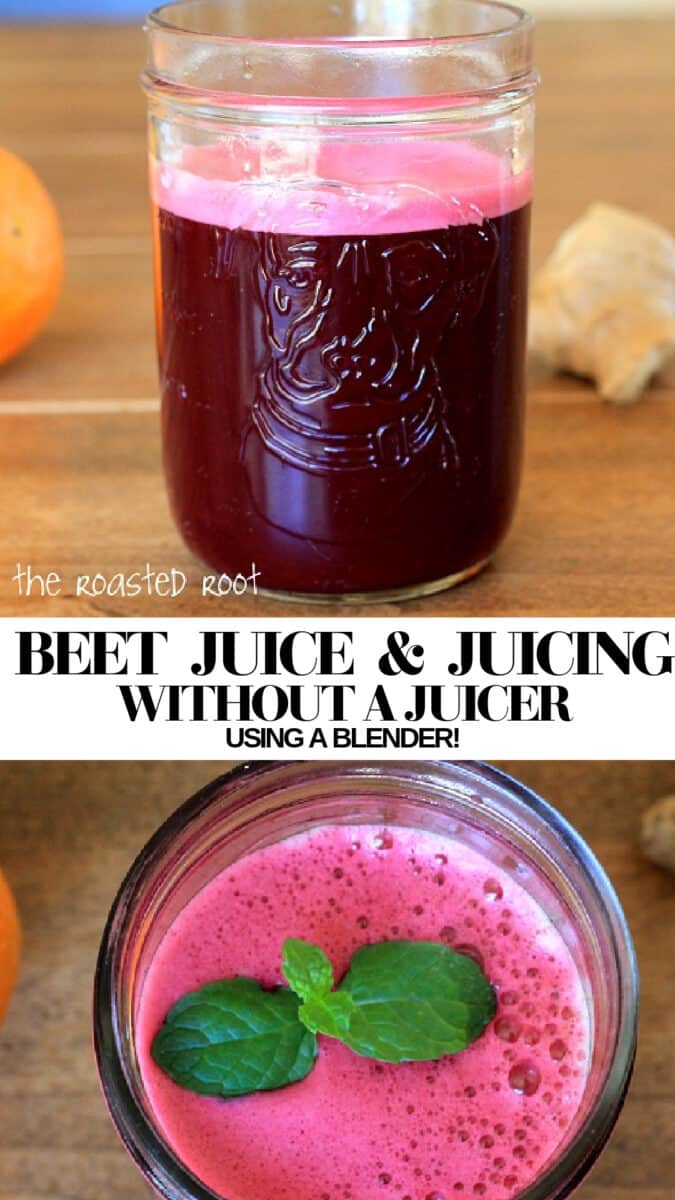
Credit: www.theroastedroot.net
Tools Needed Without A Blender
Making beetroot juice without a blender is easy with the right tools. These tools help extract juice from the beetroot by hand. They do not need electricity or complex machines.
Each tool works in a different way. Choose one based on what you have at home. Here are some simple tools to get fresh beetroot juice without a blender.
Using A Grater
A grater breaks the beetroot into tiny pieces. Grate the beetroot finely to release more juice. Place grated beetroot in a bowl. Then press or squeeze it with hands to collect the juice.
This method takes time but works well. Use a fine grater for best results.
Using A Juicer Press
A juicer press squeezes juice out of grated or chopped beetroot. Put beetroot pieces inside the press. Push the handle down slowly to press out the juice. Collect the juice in a cup below.
This tool is strong and easy to use. It extracts more juice than just grating and squeezing by hand.
Using A Cheesecloth Or Strainer
After grating or chopping beetroot, place it in a cheesecloth. Wrap it tightly and twist to squeeze out juice. Use a bowl to catch the juice below.
A fine strainer also works. Press the beetroot pulp with a spoon or spatula to get juice through the holes.
Cheesecloth and strainers give clear juice with little pulp.
Step-by-step Juicing Process
Making beetroot juice without a blender is simple and rewarding. Follow these clear steps to get fresh juice at home. The process involves washing, peeling, grating, and then extracting the juice. Each step helps keep the juice pure and full of flavor.
Washing And Peeling
Start by washing the beetroot under cold water. Rub gently to remove dirt and dust from the skin. After washing, peel the beetroot using a vegetable peeler. Remove the outer skin completely to avoid bitterness. Clean beets make the juice taste fresh and sweet.
Grating The Beetroot
Use a fine grater to shred the peeled beetroot. Grate the beetroot into small, thin pieces. This helps release more juice during extraction. Grating also makes it easier to squeeze the juice out by hand.
Extracting The Juice
Place the grated beetroot in a clean cheesecloth or a thin kitchen towel. Gather the cloth’s edges and twist tightly. Squeeze the cloth firmly over a bowl to collect the juice. Repeat squeezing until no more juice comes out. Fresh beetroot juice is ready to drink or mix with other juices.
Enhancing Flavor
Beetroot juice has a rich, earthy taste that some find strong. Enhancing the flavor makes it more enjoyable. Simple natural ingredients can brighten and balance the taste. These additions do not mask the beetroot but complement it.
Adding Citrus Or Ginger
Citrus fruits like lemon or orange add fresh, tangy notes. They cut through the earthiness and add brightness. Squeeze fresh lemon juice into your beet juice for zing.
Ginger adds a spicy warmth that lifts the flavor. Grate a small amount of fresh ginger and mix it in. This creates a refreshing and slightly spicy drink.
Sweetening Naturally
Beetroot can taste bitter for some. Natural sweeteners help balance this bitterness. Use honey, maple syrup, or agave for a gentle sweetness.
Start with a small amount and taste as you go. This keeps the juice from becoming too sweet. Sweetening naturally keeps the drink healthy and tasty.
Storing And Serving
After making beetroot juice without a blender, storing and serving it properly keeps it fresh and tasty. Fresh juice can lose flavor and nutrients if not handled right. Follow simple steps for the best results.
Best Storage Practices
Pour the juice into a clean glass jar with a tight lid. Store it in the fridge to keep it fresh. Use the juice within 24 to 48 hours for the best taste. Avoid plastic containers as they can affect the flavor. Keep the jar away from light to prevent nutrient loss. Shake the jar gently before drinking to mix any settled pulp.
Serving Suggestions
Serve beetroot juice chilled for a refreshing taste. Add a slice of lemon or a few mint leaves to enhance flavor. Mix beetroot juice with other fresh juices like carrot or apple for variety. Drink it on an empty stomach in the morning for better absorption. Use a straw to avoid staining your teeth. Enjoy beetroot juice as a healthy boost anytime during the day.

Credit: www.youtube.com
Health Benefits Of Beetroot Juice
Beetroot juice is a natural drink packed with many health benefits. Drinking it regularly can improve your body and mind. It supports overall wellness and helps fight diseases.
Nutritional Value
Beetroot juice contains vitamins like A, B6, and C. It also has minerals such as iron, potassium, and magnesium. These nutrients help keep your body strong and healthy. Beetroot is low in calories but high in fiber, which aids digestion.
Boosting Energy And Immunity
Beetroot juice increases blood flow and oxygen supply in your body. This helps raise energy levels naturally. It also strengthens your immune system to fight infections. The antioxidants in beetroot protect your cells from damage. Drinking beetroot juice can make you feel more active and less tired.
Troubleshooting Common Issues
Making beetroot juice without a blender can be tricky at times. Small problems may appear that can affect the taste and texture. Troubleshooting these common issues helps you get a smooth and tasty juice every time.
Dealing With Pulp
Pulp often remains after squeezing beetroot by hand or with tools. It can make the juice thick and less pleasant. To fix this, strain the juice through a fine mesh sieve or cheesecloth. Press the pulp gently to get more juice out. If needed, repeat straining for extra smoothness. Avoid squeezing too hard to prevent bitter flavors from the skin or seeds.
Avoiding Bitter Taste
Bitter taste can ruin fresh beetroot juice. It happens when you include skin or use old beets. Peel the beetroot well before juicing. Use fresh, firm beets for best flavor. Adding a small amount of lemon or apple juice balances bitterness. Cold water can also dilute strong flavors. Taste as you go to keep the juice fresh and sweet.
Frequently Asked Questions
How Can I Make Beetroot Juice Without A Blender?
You can grate beetroot finely and squeeze the pulp using a clean cloth. Alternatively, use a manual juicer or a food processor to extract juice without a blender.
What Tools Are Needed To Juice Beetroot Manually?
You need a grater, a clean muslin cloth or cheesecloth, and a bowl. These tools help extract juice by grating and pressing the beetroot pulp manually.
How Long Does Homemade Beetroot Juice Last Without Preservatives?
Fresh beetroot juice lasts up to 24 hours refrigerated. Store it in an airtight container in the fridge to maintain freshness and nutrients.
Can I Add Other Ingredients To Beetroot Juice Without A Blender?
Yes, you can mix lemon juice, ginger, or honey after juicing. Stir these ingredients into your freshly squeezed beetroot juice for enhanced flavor and health benefits.
Conclusion
Making beetroot juice without a blender is simple and fun. You only need basic tools like a grater and a cloth. This method keeps the juice fresh and full of flavor. You can enjoy healthy beetroot juice anytime, even without fancy machines.
Try it today and taste the natural sweetness of beetroot. It’s a great way to boost your health with little effort. Give it a go and see how easy juicing can be!
smartblander.com is a participant in the Amazon Services LLC Associates Program, an affiliate advertising program. As an Amazon Associate, we earn from qualifying purchases made through our links.
