

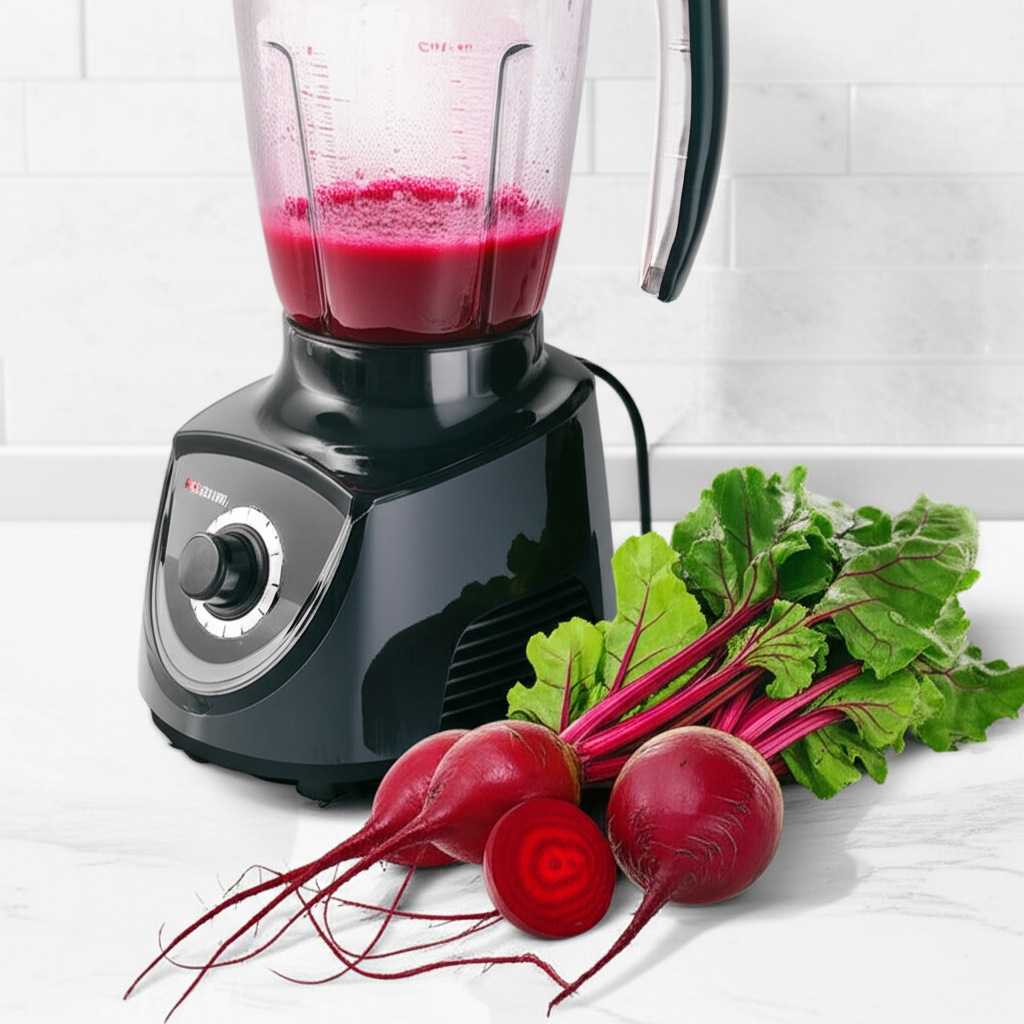
Yes, you can easily make delicious and healthy beet juice right in your blender! This guide shows you exactly how to make beet juice in a blender with simple steps, even without a juicer. Get ready for a vibrant, nutrient-packed drink!
Key Takeaways
- Blend fresh beets for vibrant juice.
- Use a blender for easy home juicing.
- Add water for smoother consistency.
- Strain for pulp-free, pure beet juice.
- Boost flavor with fruits and ginger.
- Enjoy nutrient-rich, homemade beet juice.
How To Make Beet Juice In A Blender: Shockingly Simple
Making fresh juice at home can seem complicated, especially if you don’t have a fancy juicer. But what if I told you that you can make vibrant, nutrient-rich beet juice using just your blender? It’s true! Many people think you need a special juicer to get the benefits of fresh beet juice, but a blender can do the job beautifully. This guide will walk you through the simple steps to make beet juice in a blender, making healthy living accessible and easy for everyone. Get ready to unlock the power of beets with this surprisingly simple method!
Why Blend Your Beets? The Blender Advantage
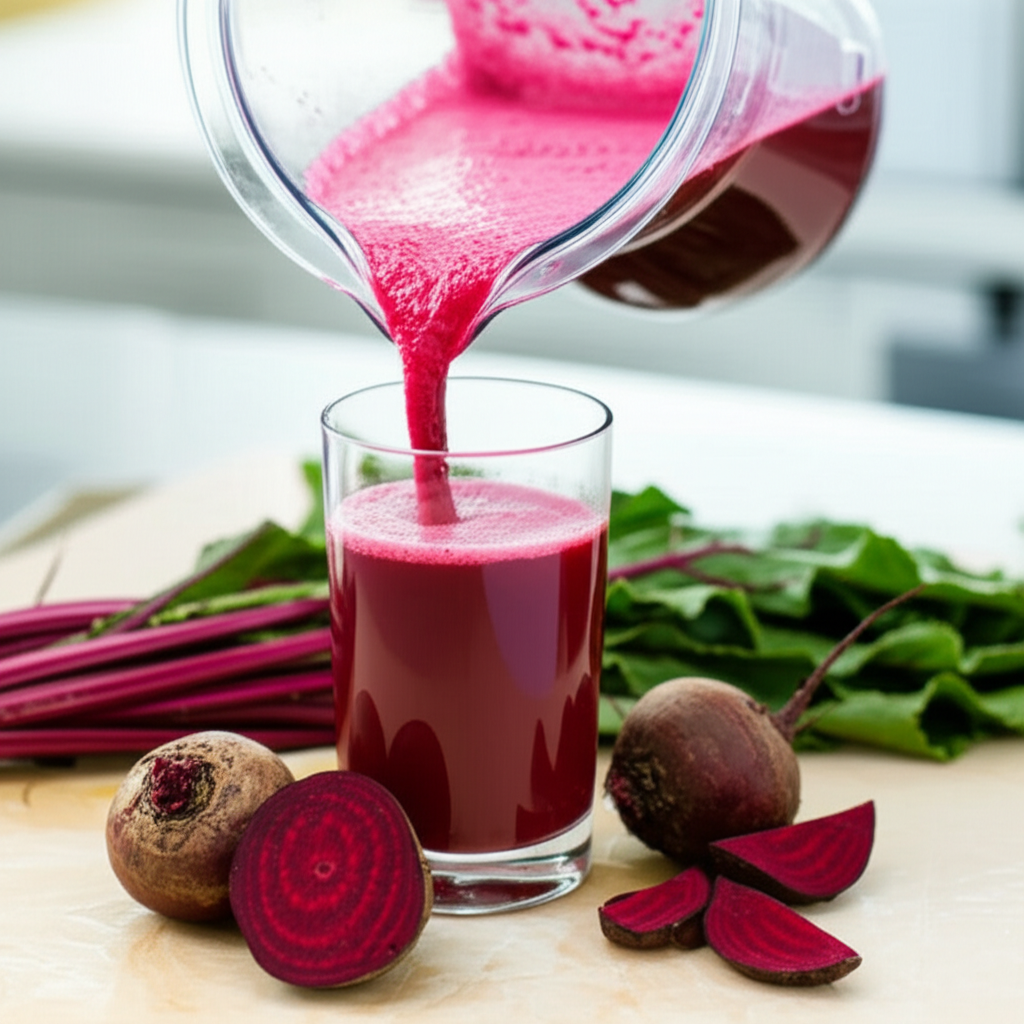
You might be wondering why you’d choose a blender over a juicer. While juicers are designed specifically for juice extraction, blenders are incredibly versatile kitchen tools that most people already own. This means you can jump into making beet juice without an additional investment. Blending also retains more of the beet’s fiber, which can be a benefit for some people, though we’ll be straining it for a juice-like consistency. The process is straightforward, requires minimal equipment, and yields a wonderfully fresh and potent drink.
Beets are nutritional powerhouses, packed with vitamins, minerals, and antioxidants. They are particularly known for their high nitrate content, which your body converts into nitric oxide. Nitric oxide plays a crucial role in blood vessel health, helping to relax and widen them, which can lead to improved blood flow and lower blood pressure. For athletes, this can translate to enhanced performance and endurance. Beyond cardiovascular benefits, beets are rich in folate, manganese, potassium, and vitamin C, supporting everything from immune function to bone health.
Essential Ingredients and Tools
Before you start, gather what you need. The beauty of this recipe is its simplicity. You won’t need a lot of fancy ingredients or equipment. Here’s what you’ll want to have on hand:
What You’ll Need:
- Fresh Beets: The star of the show! Choose firm, medium-sized beets.
- Water: To help the blender process the beets and achieve the right consistency.
- Optional Flavor Boosters: Lemon, ginger, apple, or cucumber can add delicious twists.
- A High-Powered Blender: The better your blender, the smoother your juice will be.
- A Fine-Mesh Strainer or Nut Milk Bag: Crucial for separating the juice from the pulp.
- A Bowl: To collect the strained juice.
- A Knife and Cutting Board: For preparing the beets.
The quality of your beets makes a difference. Look for beets that are firm to the touch, with smooth skin and no soft spots. Smaller to medium-sized beets tend to be sweeter and more tender than very large ones. You can use red, golden, or even Chioggia (candy stripe) beets, though red beets will give you that iconic vibrant color.
Step-by-Step Guide: How to Make Beet Juice in a Blender
Ready to get blending? Follow these simple steps, and you’ll be enjoying your homemade beet juice in no time. This method is designed for ease and effectiveness, ensuring a great result even for absolute beginners.
Step 1: Prepare Your Beets
This is the most important prep work. Start by thoroughly washing your beets under cool running water. You want to remove all soil and debris. Depending on your preference and the freshness of your beets, you can choose to peel them or not. If the skins are thin and the beets are organic, you can leave the skin on for extra nutrients and fiber. However, peeling will give you a smoother texture and a less earthy flavor. If you decide to peel, use a vegetable peeler or a small paring knife. Cut off the tops (the leafy greens) and the root tail. Chop the beets into roughly 1-inch cubes. This size makes them easier for your blender to process.
Step 2: Blend the Beets
Place the chopped beet cubes into your blender. Add about ½ cup to 1 cup of water per medium beet. The amount of water will depend on the size of your beets and the power of your blender. Start with less water; you can always add more. You want enough water to help the blades catch and blend the beets smoothly, but not so much that it dilutes the flavor too much. Secure the lid tightly and blend on high speed until the mixture is as smooth as possible. This might take anywhere from 30 seconds to 2 minutes, depending on your blender. Scrape down the sides of the blender if needed to ensure everything is incorporated.
Step 3: Strain the Juice
Now it’s time to separate the juice from the pulp. Place a fine-mesh strainer over a bowl, or line a colander with a nut milk bag. Pour the blended beet mixture into the strainer or nut milk bag. If you’re using a strainer, use the back of a spoon to press down on the pulp, forcing as much liquid as possible through. If you’re using a nut milk bag, gather the corners and twist, then squeeze firmly to extract all the juice. This step is key to achieving a smooth, juice-like consistency. The leftover pulp can be composted or used in other recipes, like beet burgers or muffins.
Step 4: Add Flavor and Serve (Optional)
Taste your freshly strained beet juice. It will have a strong, earthy beet flavor. If you find it too intense, this is where your optional flavor boosters come in! You can add a squeeze of fresh lemon or lime juice for brightness, a small piece of fresh ginger for a spicy kick, a chunk of apple or pear for sweetness, or a slice of cucumber for a refreshing note. Blend these additions briefly with the strained juice until well combined. Pour your delicious beet juice into a glass, and enjoy immediately for the best flavor and nutrient content.
Boosting Your Beet Juice: Flavor Combinations
While plain beet juice is incredibly healthy, adding other ingredients can enhance its flavor and nutritional profile. Experimenting with different combinations is part of the fun of making your own juice!
Popular Flavor Pairings:
- Beet & Ginger: A classic for a reason. The spicy ginger cuts through the earthiness of the beet beautifully. Use a 1-inch piece of fresh ginger per 2-3 beets.
- Beet & Apple: Apples add natural sweetness and a pleasant tartness. A Fuji or Gala apple works well.
- Beet & Lemon/Lime: Citrus brightens the flavor and adds a refreshing zing. Use the juice of half a lemon or lime.
- Beet, Carrot & Apple: A trifecta of root and fruit goodness. This combination is very popular for its balanced taste.
- Beet, Cucumber & Mint: For a super refreshing, hydrating juice, especially in warmer months.
When adding other ingredients, prepare them similarly to the beets – wash, chop, and blend. If you’re adding them to already-strained beet juice, simply add them to the blender with a splash of water and blend until smooth, then strain again if necessary (though with soft ingredients like lemon or ginger, it might not be needed). If you’re blending everything together from the start, adjust the water amount accordingly.
Nutritional Benefits of Beet Juice
Beet juice is celebrated for its impressive array of health benefits, largely due to its rich nutrient density. Understanding these benefits can further motivate you to incorporate this vibrant drink into your diet.
Key Nutritional Highlights:
- Nitrates for Blood Pressure: Beets are a fantastic source of dietary nitrates, which the body converts to nitric oxide. Nitric oxide helps relax blood vessels, potentially lowering blood pressure and improving blood flow. Research published in the American Journal of Clinical Nutrition has explored these effects extensively.
- Antioxidant Powerhouse: The vibrant red color comes from betalains, powerful antioxidants that help fight inflammation and oxidative stress in the body.
- Vitamins and Minerals: Beet juice provides essential nutrients like folate (vitamin B9), manganese, potassium, iron, and vitamin C, which are vital for numerous bodily functions.
- Improved Athletic Performance: The nitric oxide boost can enhance oxygen utilization, potentially improving stamina and performance for athletes.
- Supports Liver Health: Some studies suggest that compounds in beets may help support detoxification processes in the liver.
It’s important to remember that while beet juice is highly nutritious, moderation is key. Due to its natural sugars and potent effects, it’s often recommended to consume it in moderate amounts, especially if you have certain health conditions or are sensitive to sugar.
Comparing Blender vs. Juicer for Beet Juice
Choosing between a blender and a juicer for making beet juice often comes down to convenience, cost, and desired outcome. Here’s a quick comparison:
| Feature | Blender Method | Juicer Method |
|---|---|---|
| Equipment Required | Standard blender, strainer/nut milk bag | Specialized juicer (centrifugal or masticating) |
| Pulp Retention | Higher initial pulp, but removable through straining. Can leave some pulp for thicker texture if desired. | Separates pulp efficiently, resulting in very smooth juice. |
| Nutrient Profile | Retains more fiber if pulp isn’t fully strained. Potentially slightly more nutrient loss during straining. | Yields pure juice; fiber is discarded. Nutrients are highly concentrated in the liquid. |
| Ease of Cleaning | Blender is easy to clean. Straining can be a bit messy depending on the tool. | Juicers can have many parts and be more complex to clean thoroughly. |
| Cost | Generally more affordable, as most people own a blender. | Juicers can be a significant investment. |
| Time Investment | Prep and blending are quick. Straining adds a step. | Prep is similar. Juicing is usually faster than blending and straining. |
As you can see, the blender method is incredibly accessible. If you already have a blender, you can start making beet juice today without any extra purchases. The primary difference lies in the texture and the slight variation in fiber content if you don’t strain meticulously.
Pro Tips for the Best Beet Juice
Here are a few insider tips to elevate your blender beet juice experience:
- Start with Cold Ingredients: Using chilled beets and cold water will result in a cooler, more refreshing juice.
- Don’t Over-Blend: Blend just until smooth. Over-blending can heat the mixture and affect the flavor and nutrient quality.
- Strain Twice for Super Smoothness: If you want an ultra-smooth juice, strain the mixture, then blend the strained juice with a splash more water and strain a second time.
- Manage the Earthy Flavor: If you’re sensitive to the earthy taste of beets, start with smaller amounts of beet and larger amounts of complementary fruits or vegetables like apples, carrots, or cucumbers.
- Use Organic Beets: To minimize pesticide exposure, opt for organic beets whenever possible.
Frequently Asked Questions (FAQ)
Q1: Can I really make beet juice without a juicer?
Absolutely! This guide provides a simple, step-by-step method for making delicious beet juice using just a blender and a strainer. It’s a fantastic alternative if you don’t have a juicer.
Q2: How much water should I add to my blender for beet juice?
Start with about ½ cup of water per medium beet. You can add more if your blender struggles, but too much water will dilute the flavor and the nutrients. Aim for a consistency that allows your blender to run smoothly.
Q3: What’s the best way to prepare beets for blending?
Wash them thoroughly, trim off the greens and root tail, and chop them into roughly 1-inch cubes. You can peel them if you prefer a less earthy flavor and smoother texture, but it’s not strictly necessary.
Q4: How do I get the pulp out of my beet juice?
Use a fine-mesh strainer or a nut milk bag. Place the strainer or bag over a bowl and pour the blended beet mixture in. Press down with a spoon or squeeze the bag to extract all the liquid. This is the most effective way to get a smooth, pulp-free juice.
Q5: Is beet juice healthy to drink every day?
Beet juice is very nutritious, but moderation is recommended. Its natural sugars and potent compounds mean that drinking 4-8 ounces per day is generally considered safe and beneficial for most people. However, if you have specific health conditions, it’s always best to consult with a healthcare professional.
Q6: Why does my beet juice taste earthy? How can I fix it?
The earthy flavor is natural to beets. To reduce it, try adding ingredients like lemon juice, lime juice, ginger, apple, or cucumber when you blend. You can also try straining your juice twice for a smoother texture, which some find helps mellow the earthiness.
Q7: Can I use raw beets or do I need to cook them?
For this blender method, you should always use raw beets. Cooking them changes their texture and nutrient profile, making them unsuitable for fresh juicing in a blender. Raw beets will blend and strain much more effectively.
Conclusion
Making beet juice in a blender is a surprisingly simple and rewarding process. You’ve learned how to prepare your beets, blend them with a touch of water, and strain them for a delicious, nutrient-packed drink. Whether you enjoy it plain or with your favorite flavor additions like ginger or lemon, this homemade beet juice is a fantastic way to boost your daily intake of vitamins, minerals, and antioxidants. Don’t let the idea of juicing intimidate you; your trusty blender is all you need to get started. So, grab those beets, get blending, and enjoy the vibrant health benefits of your very own fresh beet juice!
smartblander.com is a participant in the Amazon Services LLC Associates Program, an affiliate advertising program. As an Amazon Associate, we earn from qualifying purchases made through our links.
