

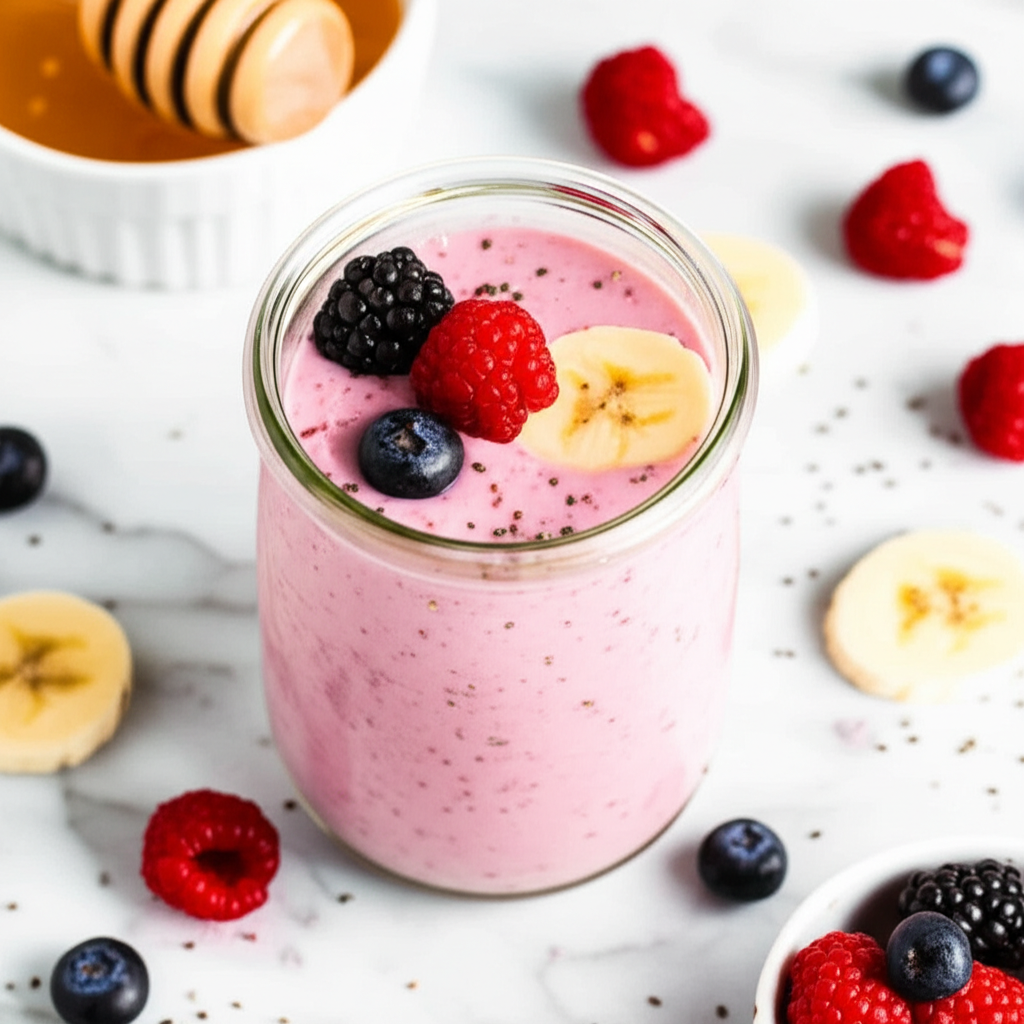
Yes, you can absolutely make a creamy, delicious smoothie without yogurt! This guide shows you how to achieve that perfect texture using fruits, veggies, and natural thickeners for a dairy-free, wholesome treat.
Key Takeaways
Achieve creamy smoothies without dairy.
Utilize fruits like bananas and avocados for thickness.
Explore plant-based milks and seeds for richness.
Master simple techniques for smooth, satisfying blends.
* Enjoy vibrant, healthy, and customizable drinks.
How To Make A Smoothie Without Yogurt: Creamy Bliss
Dreaming of a perfectly blended smoothie but don’t have yogurt on hand, or perhaps you’re looking for dairy-free options? You’re in the right place! Many people think yogurt is essential for that luscious, creamy texture, but it’s surprisingly easy to get that same delightful consistency using other wholesome ingredients. You can whip up a fantastic smoothie with just a few simple swaps and a little know-how. Let’s dive into the secrets of creating dairy-free smoothie bliss, one delicious sip at a time.
Why Go Yogurt-Free?
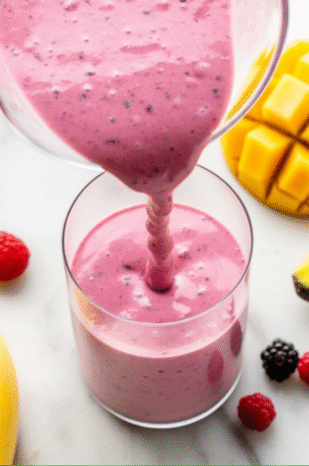
Yogurt is a smoothie staple for a reason: it adds creaminess, a touch of tang, and often a probiotic boost. However, there are many compelling reasons why you might want to learn how to make a smoothie without yogurt. Perhaps you have a dairy intolerance or allergy, are following a vegan diet, or simply want to explore different flavor profiles and nutritional benefits. Sometimes, you just might not have yogurt in the fridge! Whatever your reason, ditching the dairy doesn’t mean sacrificing that satisfyingly smooth texture. This guide will empower you with the knowledge to create incredible dairy-free smoothies that are just as, if not more, delicious and creamy.
The Foundation of Creaminess: Your Base Ingredients
The secret to a creamy smoothie without yogurt lies in choosing the right base ingredients. These are the heavy hitters that provide that luxurious mouthfeel. We’ll explore several fantastic options that can be used alone or in combination.
Frozen Fruits: The Smoothie Powerhouses
Frozen fruits are arguably the easiest and most effective way to achieve a thick, creamy smoothie. When fruits are frozen, their water content turns into ice crystals, which, when blended, create a thick, slushy-like consistency that mimics the creaminess of yogurt. They also keep your smoothie wonderfully chilled without the need for ice, which can sometimes dilute the flavor.
- Bananas: The undisputed king of smoothie creaminess. Frozen banana chunks are incredibly versatile and lend a natural sweetness and a thick, ice-cream-like texture. Peel ripe bananas, chop them into manageable pieces, and freeze them in a single layer on a baking sheet before transferring to a freezer bag.
- Mangoes: Another tropical delight that freezes beautifully. Frozen mango chunks provide a rich, creamy texture and a vibrant, sweet flavor. They pair exceptionally well with citrus and other tropical fruits.
- Avocado: Don’t let the savory reputation fool you! Avocado is a smoothie game-changer. When blended, especially when cold, it adds an unparalleled creaminess and a healthy dose of monounsaturated fats. You won’t taste it, but you’ll definitely feel the luxurious texture. Use about a quarter to half of a ripe avocado per serving.
- Berries: While berries like strawberries, blueberries, and raspberries are fantastic for flavor and antioxidants, they can sometimes be a bit icier on their own. Combining them with a creamier fruit like banana or avocado will enhance their texture.
- Peaches & Nectarines: Frozen stone fruits also contribute a lovely thickness and sweet flavor to your smoothies.
Plant-Based Milks: The Liquid Gold
While water can be used, plant-based milks are your best friend for adding creaminess and flavor to dairy-free smoothies. They provide the necessary liquid to help everything blend smoothly while contributing their own unique taste and texture.
- Almond Milk: Light and subtly nutty, almond milk is a popular choice. Unsweetened varieties are great for controlling sugar intake.
- Oat Milk: Known for its naturally creamy texture, oat milk is a fantastic option for smoothies. It blends beautifully and adds a hint of sweetness.
- Soy Milk: A good source of protein, soy milk offers a creamy consistency and a neutral flavor that works well in most smoothie combinations.
- Coconut Milk (from a carton, not canned): Offers a tropical flair and a good level of creaminess. The canned version is very rich and can be used in smaller quantities for extra decadence.
- Cashew Milk: Similar to oat milk, cashew milk is prized for its smooth, creamy texture.
Pro Tip: For an extra creamy blend, use chilled plant-based milk. You can even freeze some of your plant-based milk in ice cube trays for a thicker, colder smoothie without dilution.
Seeds and Nut Butters: For Richness and Depth
Don’t underestimate the power of seeds and nut butters to elevate your smoothie’s creaminess and nutritional profile. They add healthy fats, protein, and a wonderful richness.
- Nut Butters: Peanut butter, almond butter, cashew butter – all add incredible creaminess and flavor. A tablespoon or two is usually enough.
- Chia Seeds: When soaked in liquid for a few minutes, chia seeds form a gel that thickens smoothies beautifully. They are also packed with omega-3 fatty acids and fiber.
- Flax Seeds (ground): Similar to chia seeds, ground flax seeds can add thickness and a nutritional boost. Ensure they are ground for better absorption.
- Hemp Seeds: While they don’t thicken as much as chia or flax, hemp seeds add a pleasant, slightly nutty creaminess and a good dose of protein.
Beyond the Base: Flavor Boosters and Nutrients
Once you have your creamy base, it’s time to add the elements that make your smoothie unique and delicious. These ingredients not only contribute flavor and color but also pack a powerful nutritional punch.
Fruits and Vegetables: The Stars of the Show
This is where you can get creative! Combine your creamy base with your favorite fruits and vegetables.
- Citrus Fruits: Oranges, grapefruits, and lemons add brightness and vitamin C. Since I love orange-based recipes, I often start with a whole peeled orange (seeds removed) or a generous splash of fresh orange juice for that unmistakable vibrant flavor and natural sweetness. The pulp from a whole orange also adds fiber and body.
- Leafy Greens: Spinach is the go-to for beginners as its flavor is easily masked by other ingredients. Kale is also a great option but has a stronger flavor. Start with a small handful and gradually increase.
- Berries: As mentioned, they are packed with antioxidants.
- Other Fruits: Pineapple, kiwi, berries, cherries, and even cooked and cooled sweet potato or pumpkin puree can add unique flavors and textures.
Sweeteners (Optional)
Depending on the sweetness of your fruits, you might want to add a touch more sweetness. Opt for natural options:
- Dates: Medjool dates are excellent for adding natural sweetness and a caramel-like flavor. Soak them in warm water for a few minutes if they are dry.
- Maple Syrup: A few teaspoons add a lovely depth of flavor.
- Honey: Use sparingly for a natural sweetener.
Boosters for Extra Goodness
- Protein Powder: For a post-workout recovery drink or a more filling meal replacement.
- Spices: Cinnamon, ginger, turmeric, nutmeg – these can add warmth and health benefits.
- Extracts: Vanilla or almond extract can enhance flavor.
Essential Tools for Smoothie Making
You don’t need a professional-grade blender to make great smoothies, but having the right tools makes the process much smoother (pun intended!).
The Blender:
- High-Powered Blenders: Brands like Vitamix or Blendtec are excellent for creating ultra-smooth textures, especially with tougher ingredients like kale or frozen chunks. They can pulverize almost anything.
- Mid-Range Blenders: Most standard blenders from brands like Ninja, Oster, or Cuisinart will work perfectly well for most smoothie recipes, especially if you’re using softer fruits or pre-chopped frozen items.
- Personal Blenders/Bullet Blenders: These are convenient for single servings and often come with travel cups. They are great for basic smoothies.
No Blender? No Problem! (The Manual Method)
It is possible to make a smoothie without a blender, though it requires more effort and results in a less smooth texture. This method is best for softer ingredients.
- Mash Your Base: Thoroughly mash very ripe bananas or avocado with a fork until as smooth as possible in a bowl.
- Incorporate Liquids: Gradually stir in your plant-based milk and any other liquids until you have a semi-smooth mixture.
- Add Other Ingredients: Mash or finely chop other soft fruits and stir them in. For tougher ingredients like leafy greens, you’ll need to finely mince them first.
- Vigorously Stir: Stir the mixture vigorously for several minutes to incorporate air and break down any remaining lumps.
This manual method is best suited for simpler recipes and will yield a chunkier, more rustic smoothie, but it’s a great option when you’re on the go or don’t have access to a blender.
The Step-by-Step Guide to Your Perfect Smoothie
Ready to blend? Follow these simple steps for consistently delicious results.
Step 1: Add Liquids First
Pour your chosen plant-based milk or liquid into the blender jar first. This helps the blades move freely and prevents thicker ingredients from getting stuck at the bottom.
Step 2: Add Greens (If Using)
If you’re adding leafy greens like spinach or kale, place them on top of the liquid. This allows them to be pulled down into the blades more easily.
Step 3: Add Soft Fruits and Powders
Next, add softer fruits, protein powders, seeds, and nut butters.
Step 4: Add Frozen Ingredients Last
Pile your frozen fruits and any frozen vegetables on top. This weight helps push everything else down towards the blades.
Step 5: Blend to Perfection
Start blending on a low speed, gradually increasing to high. Blend until smooth and creamy. You may need to use the tamper attachment (if your blender has one) to help push ingredients down, or stop and scrape the sides with a spatula if needed.
Step 6: Taste and Adjust
Once blended, taste your smoothie. Does it need more sweetness? A little more liquid for a thinner consistency? More frozen fruit for thickness? Adjust as needed and give it a quick final blend.
Step 7: Serve Immediately
Pour your smoothie into a glass and enjoy right away for the best texture and nutrient retention.
Beginner-Friendly Smoothie Recipes Without Yogurt
Here are a few starting points to get you blending. These recipes are designed for ease and deliciousness, perfect for beginners.
1. The Sunshine Citrus Cream Dream
This vibrant smoothie is packed with vitamin C and has a wonderfully refreshing taste.
Ingredients:
- 1 whole peeled orange (seeds removed)
- 1 cup frozen mango chunks
- 1/2 cup unsweetened almond milk
- 1 tablespoon chia seeds
- Optional: A small piece of fresh ginger
Instructions: Add almond milk, orange, chia seeds, and ginger (if using) to the blender. Top with frozen mango. Blend until smooth and creamy.
2. The Chocolate-Banana Bliss
A classic for a reason! This is satisfying and tastes like a treat.
Ingredients:
- 1 frozen banana, chopped
- 1 cup unsweetened oat milk
- 2 tablespoons unsweetened cocoa powder
- 1 tablespoon peanut butter
- Optional: 1-2 pitted Medjool dates for extra sweetness
Instructions: Add oat milk, cocoa powder, peanut butter, and dates (if using) to the blender. Top with the frozen banana. Blend until thick and smooth.
3. The Green Powerhouse
Don’t be scared of the green! This one is surprisingly mild and packed with nutrients.
Ingredients:
- 1 cup packed fresh spinach
- 1/2 frozen banana
- 1/2 cup frozen pineapple chunks
- 1/2 cup unsweetened coconut milk (from carton)
- 1 tablespoon hemp seeds
Instructions: Add coconut milk and spinach to the blender. Blend briefly to break down the spinach. Add frozen banana, pineapple, and hemp seeds. Blend until completely smooth and creamy.
Understanding Smoothie Textures and How to Fix Them
Even with the best intentions, sometimes smoothies don’t turn out quite right. Here’s how to troubleshoot common texture issues.
Too Thick?
Problem: Your smoothie is like a smoothie bowl when you wanted a drinkable consistency.
Solution: Gradually add more liquid (plant-based milk, water, or juice) a tablespoon at a time and blend again until you reach your desired consistency. If you used too much frozen fruit, a little more liquid is key.
Too Thin?
Problem: Your smoothie is watery and lacks that satisfying creaminess.
Solution: Add more frozen fruit (banana, mango, berries), a quarter of an avocado, a tablespoon of chia seeds (let it sit for 5-10 minutes to thicken), or a spoonful of nut butter. Blend again until thick and creamy.
Too Icy/Watery from Ice?
Problem: You used ice cubes, and they’ve made your smoothie watery and less flavorful.
Solution: This is harder to fix once blended. In the future, prioritize frozen fruits over ice. If you must use ice, use it sparingly and add it last. For a current fix, try adding a creamy element like avocado or nut butter and blend thoroughly.
Not Smooth Enough?
Problem: You can still feel small bits of fruit or greens.
Solution: If you have a less powerful blender, try blending for longer. Ensure you’re not overcrowding the blender. For tougher ingredients like kale, ensure they are added with enough liquid and blended first. Adding a banana or avocado can also help achieve a smoother finish.
Nutritional Spotlight: Orange-Based Smoothies
As a big fan of citrus, I can’t stress enough how wonderful oranges are in smoothies! Beyond their sweet, tangy flavor and ease of use, oranges offer a significant boost of Vitamin C, an essential nutrient for immune function and skin health. The fiber content from whole oranges (when used instead of just juice) also aids digestion and helps you feel fuller for longer.
Pairing oranges with creamy bases like frozen banana or avocado creates a delightful balance of tartness and richness. Adding other fruits and vegetables can further enhance the nutritional profile. For instance, adding spinach boosts iron and folate, while chia seeds contribute omega-3s and fiber. The versatility of oranges makes them a perfect starting point for creating healthy, delicious, and creamy smoothies without any dairy.
For more information on the nutritional benefits of oranges, you can refer to resources from the USDA National Nutrient Database, which provides comprehensive data on the nutrient content of foods.
Comparison Table: Creamy Smoothie Bases (Yogurt vs. Alternatives)
Here’s a quick look at how different creamy bases stack up:
| Base Ingredient | Creaminess Level | Flavor Profile | Nutritional Highlights | Best For |
|---|---|---|---|---|
| Yogurt (Dairy) | High | Tangy, neutral to slightly sweet | Probiotics, calcium, protein | Classic smoothies, probiotic boost |
| Frozen Banana | Very High | Sweet, mild banana flavor | Potassium, natural sweetness | Thick, ice-cream-like texture |
| Avocado | Very High | Neutral, slightly buttery | Healthy fats, fiber, vitamins | Ultra-creamy, rich texture, masks other flavors |
| Oat Milk | High | Mildly sweet, creamy | Fiber, B vitamins | Overall creaminess, neutral flavor |
| Nut Butters | High | Nutty, rich | Healthy fats, protein | Flavor depth, richness, thickness |
| Chia Seeds (Gelled) | Medium-High | Neutral | Omega-3s, fiber | Thickening agent, added nutrients |
Frequently Asked Questions About Yogurt-Free Smoothies
Q1: Can I make a smoothie without any frozen ingredients?
A1: Yes, you can! If you don’t have frozen fruit, use fresh fruit and add ice cubes for thickness and chill. Alternatively, rely more heavily on ingredients like avocado, nut butters, or soaked chia seeds for creaminess. You might need to blend for a bit longer to achieve a good texture.
Q2: How much liquid should I use in my smoothie?
A2: This depends on your desired consistency and the amount of solid ingredients you’re using. A good starting point is a 1:1 ratio of liquid to solids, but you’ll often need more liquid, especially if using a lot of frozen fruit. Start with less liquid and add more as needed until you reach your perfect texture.
Q3: Can I use water instead of plant-based milk?
A3: You can, but your smoothie will be less creamy and rich. Water is a neutral base, so it won’t add any flavor or texture. For a creamy smoothie without yogurt, plant-based milks, coconut milk (canned, in small amounts), or even chilled green tea can be better choices for adding richness.
Q4: How can I make my smoothie thicker without yogurt?
A4: The best ways to thicken a smoothie without yogurt are to use frozen fruits (especially bananas and mangoes), add avocado, a tablespoon or two of nut butter, or a tablespoon of chia seeds that have been allowed to gel for about 5-10 minutes in a small amount of liquid.
Q5: Are there any vegan protein powders that work well in smoothies?
A5: Absolutely! There are many excellent vegan protein powders available, including pea protein, rice protein, hemp protein, and soy protein. Many brands offer unflavored or vanilla options that blend seamlessly into smoothies without altering the taste significantly, while also contributing to creaminess.
Q6: Can I make a smoothie without a blender?
A6: Yes, though it requires more effort. You can mash very ripe bananas or avocado thoroughly with a fork and then vigorously stir in other soft fruits and liquids. It will be chunkier than a blended smoothie but still enjoyable.
Q7: How can I make my smoothie taste more like a treat?
A7: Incorporate ingredients like dates, a drizzle of maple syrup or honey, unsweetened cocoa powder, vanilla extract, or a spoonful of nut butter. Using frozen bananas and a creamy plant-based milk like oat milk will also contribute to a dessert-like texture.
Conclusion
Learning how to make a smoothie without yogurt opens up a world of delicious and healthy possibilities. You’ve discovered that creamy bliss is achievable through clever use of frozen fruits like bananas and mangoes, creamy additions like avocado and nut butters, and the perfect liquid base from plant-based milks. With these tools and techniques, you can confidently craft vibrant, nutrient-packed smoothies that cater to your taste and dietary needs. So, don’t hesitate to experiment with your favorite flavors and ingredients. Your perfect, creamy, dairy-free smoothie adventure awaits!
smartblander.com is a participant in the Amazon Services LLC Associates Program, an affiliate advertising program. As an Amazon Associate, we earn from qualifying purchases made through our links.
