

Want fresh, healthy juice but don’t have a blender? You’re not alone.
Many people think juicing is impossible without fancy gadgets. But what if you could make delicious juice right at home using simple tools you already have? Imagine enjoying vibrant flavors and all the nutrients without spending extra money or time.
You’ll discover easy, practical ways to juice without a blender—and why it’s easier than you think. Keep reading, and unlock the secrets to fresh juice anytime, anywhere.
Credit: www.thewheatlesskitchen.com
Choosing The Right Fruits And Vegetables
Choosing the right fruits and vegetables is important for juicing without a blender. Not all produce works well for this method. Some fruits and vegetables have more juice and less pulp, making the process easier. Picking the best options helps you get fresh juice without extra effort. It also saves time and reduces waste.
Best Juicy Options
Fruits like oranges, lemons, and grapes give plenty of juice. Watermelon and cucumbers also have high water content. These fruits are easy to squeeze by hand or with a simple juicer. Tomatoes are juicy and add a fresh flavor. Apples work well if you cut them into small pieces first.
Avoiding Fibrous Produce
Fibrous vegetables like celery and kale are harder to juice without a blender. Their stringy texture clogs strainers and makes squeezing tough. Carrots and beets have thick fibers that slow down juicing. These vegetables need special tools or blending for good results. Stick to softer, less fibrous options for easy juicing.
Tools You Can Use Instead Of A Blender
Juicing without a blender is simple with the right tools. These tools help extract juice from fruits and vegetables easily. You do not need electricity or complicated devices. Just some basic kitchen items can do the job well.
Manual Juicers
Manual juicers are small and easy to use. They press fruits like oranges and lemons to get fresh juice. You only need to twist or squeeze the fruit. This method keeps the juice fresh and tasty. Manual juicers are perfect for citrus fruits and small batches.
Graters And Strainers
Graters help break fruits and vegetables into small pieces. After grating, use a strainer to separate juice from pulp. Press the grated food with a spoon or your hands. This method works well for hard fruits and vegetables like carrots or apples.
Mortar And Pestle
Mortar and pestle crush fruits and vegetables to release juice. This tool is great for soft fruits and herbs. After crushing, squeeze the pulp using a cloth or strainer. This old-fashioned method gives fresh juice with natural flavors.
Step-by-step Juicing Process
Juicing without a blender is simple with the right steps. This process lets you enjoy fresh juice using basic tools. Follow each step carefully for the best results.
Preparing Your Produce
Start by washing fruits and vegetables thoroughly. Remove any dirt or chemicals. Peel thick skins like oranges, pineapples, or carrots. Cut produce into small pieces. This makes it easier to extract juice.
Extracting Juice Manually
Use a hand press or a citrus juicer for fruits like lemons and oranges. For softer fruits, squeeze by hand inside a clean cloth. For harder vegetables, crush pieces with a fork or a muddler. Press the crushed pieces firmly to release juice.
Straining And Separating Pulp
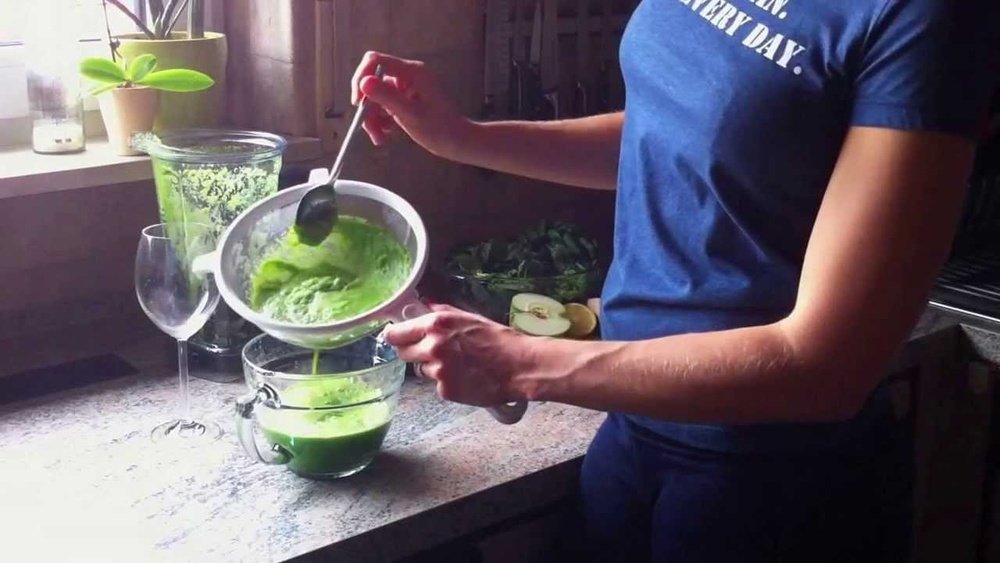
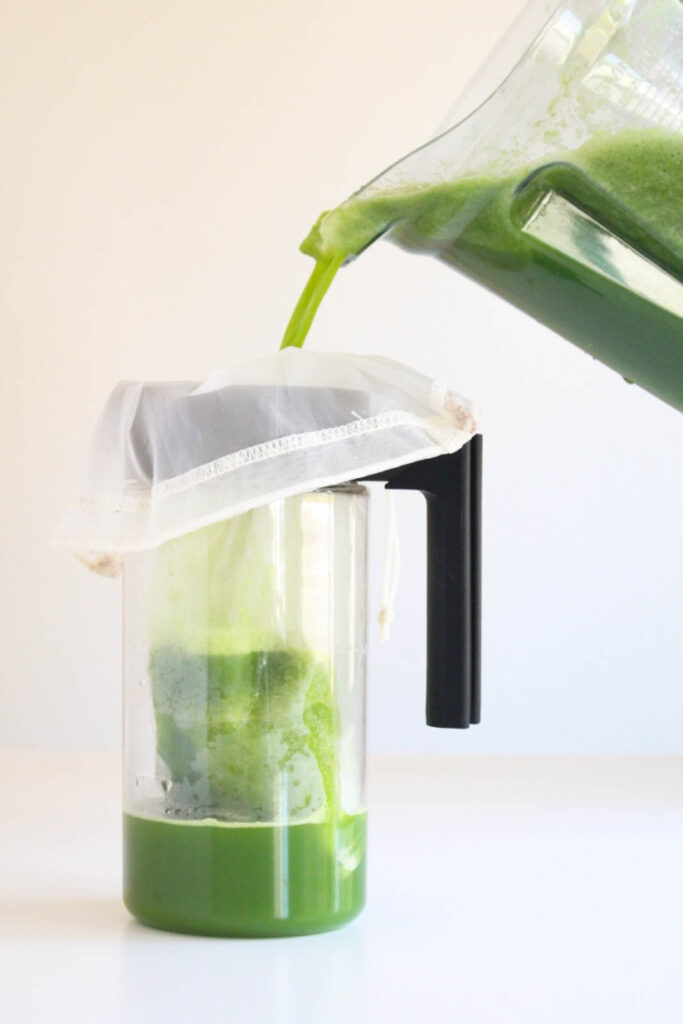
Place a fine mesh strainer or cheesecloth over a bowl. Pour the juice slowly through the strainer. Press the pulp gently to get more juice. Remove leftover pulp from the cloth or strainer. Discard or save pulp for recipes.
Tips To Maximize Juice Yield
Juicing without a blender can feel tricky. Extracting the most juice from fruits and vegetables takes some care and smart tricks. These tips help you get the best juice yield without extra tools. Simple methods can make a big difference. Follow these easy steps for a better juice experience.
Using Warm Water
Warm water softens fruits and vegetables. It helps release more juice during pressing. Soak harder items like carrots or apples in warm water for a few minutes. This makes them easier to squeeze. Warm water also helps clean the produce better, ensuring fresh juice.
Pressing Techniques
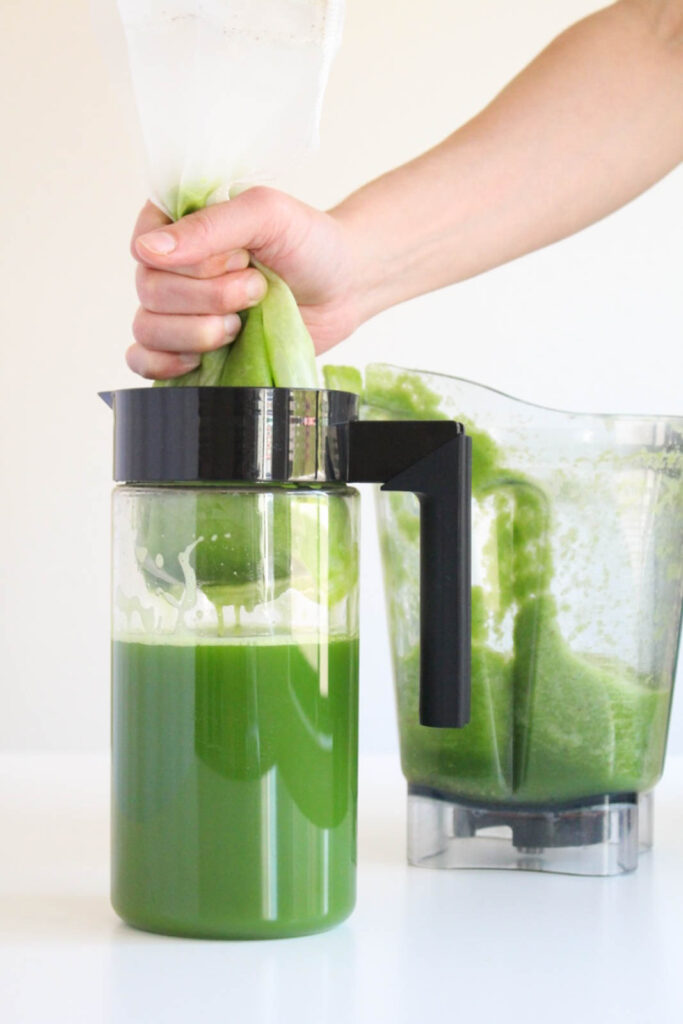
Press firmly but gently to get more juice. Use a clean cloth or mesh bag to wrap the fruit. Twist and squeeze it slowly to avoid wasting juice. Applying steady pressure helps break the fibers and release liquid. Repeat pressing a couple of times to get every drop.
Combining Fruits For Better Extraction
Mix juicy fruits with softer ones for better results. Citrus fruits, like oranges or lemons, add extra liquid. Pair them with firm fruits such as apples or pears. This blend improves juice flow and flavor. Combining fruits also balances sweetness and tartness naturally.
Storing And Serving Fresh Juice
Fresh juice tastes best right after making it. Storing and serving juice well keeps the flavor and nutrients. Proper storage stops the juice from turning sour or losing color. Serving juice in a nice way makes drinking it more fun and enjoyable.
Best Containers For Fresh Juice
Glass bottles or jars work great for storing juice. They do not change the juice taste. Choose containers with tight lids to stop air from getting in. Dark-colored glass helps keep sunlight away. Avoid plastic containers as they can affect juice quality.
Keeping Juice Fresh Longer
Keep juice cold in the fridge to slow down spoilage. Fill containers fully to reduce air inside. Drink juice within 24 to 48 hours for best taste. Stir juice before drinking as it may separate. Store juice away from strong-smelling foods to avoid odor mixing.
Creative Serving Ideas
Serve juice in clear glasses to show its bright color. Add a slice of lemon or mint leaf for freshness. Use fun straws to make drinking juice more exciting. Chill juice with small ice cubes to avoid watering it down. Mix different juices for new flavors and vibrant looks.

Credit: www.youtube.com
Common Mistakes To Avoid
Juicing without a blender can be simple and fun. Avoiding common mistakes helps you get the best juice every time. Small errors can make juicing harder or mess up the taste. Focus on these key points to improve your juicing process and enjoy fresh juice easily.
Overloading Tools
Do not put too much fruit or vegetables in your tools at once. Overloading makes it hard to press or squeeze juice out. Work in small batches for better juice extraction. This keeps your tools working well and saves time.
Ignoring Pulp Benefits
Many throw away pulp, but it holds fiber and nutrients. Mixing some pulp back into juice adds thickness and health benefits. Pulp can improve digestion and keep you full longer. Use it wisely instead of tossing it out.
Skipping Cleaning Steps
Clean your tools immediately after juicing. Skipping this step causes stains and bad smells. Old juice residue can grow bacteria and spoil your next batch. Wash with warm water and soap for fresh and safe juicing.
Credit: www.thewheatlesskitchen.com
Frequently Asked Questions
How Can I Juice Fruits Without Using A Blender?
You can juice fruits by hand using a manual juicer or a citrus press. Alternatively, grate fruits and squeeze the juice through a cheesecloth. These methods extract juice without electrical appliances, offering fresh juice quickly and easily.
What Tools Do I Need To Juice Without A Blender?
Essential tools include a manual juicer, citrus press, fine mesh strainer, and cheesecloth. These help extract juice efficiently while separating pulp. Simple kitchen items like forks or spoons can also aid in mashing softer fruits.
Is Juicing Without A Blender Healthier Or Better?
Juicing without a blender can preserve nutrients by reducing oxidation. Manual juicing often results in fresher juice with less foam. It also avoids added heat, which sometimes degrades vitamins, making it a healthy alternative for fresh juice lovers.
Can I Juice Vegetables Without A Blender?
Yes, you can juice vegetables by grating or finely chopping them. Then, press the pulp through a cheesecloth or manual juicer. This method works well for softer vegetables like tomatoes, cucumbers, and leafy greens.
Conclusion
Juicing without a blender is simple and doable at home. Use tools like a grater, strainer, or even a fork. Fresh juice tastes great and keeps you healthy. Try different fruits and vegetables to find your favorite mix. It takes a little time but is worth the effort.
Enjoy natural flavors without needing fancy machines. Start juicing today and feel the difference in your diet. Small changes can lead to better health every day.
smartblander.com is a participant in the Amazon Services LLC Associates Program, an affiliate advertising program. As an Amazon Associate, we earn from qualifying purchases made through our links.
