

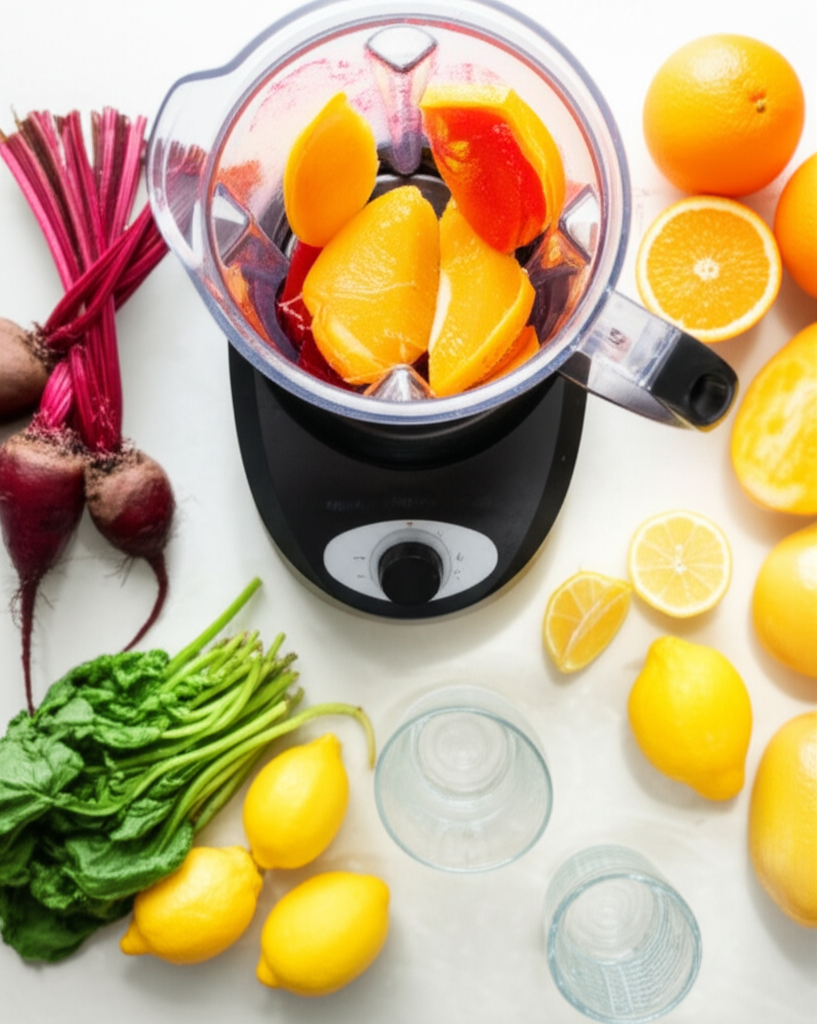
Yes, you can absolutely make delicious, nutritious juice with just a blender! It’s a fantastic way to start juicing without needing a special juicer. This guide shows you quick wins for blending your way to fresh, healthy drinks.
Key Takeaways
- Blend fruits and vegetables into smooth, drinkable juices.
- Strain for a pulp-free juice or embrace the fiber.
- Start with easy recipes and common produce.
- Use a good quality blender for best results.
- Experiment with flavor combinations for your perfect juice.
- Enjoy nutrient-rich drinks made at home quickly.
How to Juice With A Blender: Quick Wins for Beginners
Ever wished you could whip up fresh, vibrant juices at home but felt intimidated by fancy juicers? You’re not alone! Many people think you need a specialized machine to get that amazing taste and nutritional boost. But the good news is, you can achieve fantastic results using something you likely already have: a blender. Learning how to juice with a blender opens up a world of quick, healthy, and delicious possibilities. This guide will walk you through everything you need to know, step-by-step, making it super simple to start your juicing journey today.
Why Juice With A Blender?

Juicing is a fantastic way to pack a ton of vitamins, minerals, and antioxidants into your diet. It’s a quick and easy way to consume a variety of fruits and vegetables, supporting your overall health and energy levels. For beginners, the idea of juicing can seem complicated, especially with the investment in a dedicated juicer. However, a blender offers a more accessible entry point. It’s versatile, often already in your kitchen, and allows you to control the texture of your final drink. You can choose to have a smooth, pulp-free juice or a thicker, fiber-rich drink, depending on your preference.
Using a blender also means you can create “smoothies” that are very similar to juices. The main difference often lies in the straining process. While traditional juicers separate the liquid from the pulp, a blender typically keeps it all together unless you take an extra step. This is a key advantage for those who want to retain the fiber, which is excellent for digestion and keeping you feeling full.
Understanding the Blender Juicing Process
The core idea behind juicing with a blender is to break down fruits and vegetables into tiny pieces and then separate the liquid from the solid pulp. However, unlike a centrifugal or masticating juicer, a blender pulverizes everything. This means you’ll often end up with a smoothie-like consistency unless you strain it. The beauty of this method is its flexibility. You can embrace the pulp for a more nutrient-dense, filling beverage, or strain it for a clearer juice.
When you juice with a blender, you’re essentially liquefying the produce. This process extracts the water and nutrients from the plant cells. The finer the blend, the easier it is to strain if you desire a pulp-free juice. For beginners, starting with recipes that blend well and are easy to strain will build confidence. You’ll quickly learn which fruits and vegetables yield the most liquid and how different textures feel.
Essential Tools for Blender Juicing

While a blender is the star, a few other items will make your blender juicing experience much smoother and more enjoyable. Having these on hand will prepare you for quick wins and delicious results.
The Blender Itself
Not all blenders are created equal, but most modern blenders can handle this task. For the best results, especially if you plan to juice frequently, consider these features:
- Power: A blender with a higher wattage (at least 500 watts) will handle tougher ingredients like carrots and celery more effectively, resulting in a smoother blend.
- Blade Quality: Sharp, durable blades are crucial for breaking down produce efficiently.
- Container Size: Choose a size that fits your typical juicing needs. A larger container is great for making multiple servings.
If you have a basic blender, you might need to chop ingredients smaller and blend in batches. For those with high-powered blenders, like a Vitamix or Blendtec, you’ll find the process incredibly smooth and fast.
Straining Tools (Optional but Recommended for Juice)
If you want a clear juice without pulp, straining is key. Here are the best options:
- Nut Milk Bag: These fine-mesh bags are ideal for straining. They are reusable, easy to clean, and effective at capturing pulp.
- Fine-Mesh Sieve or Colander: While less efficient than a nut milk bag, a fine sieve can work for softer fruits and berries. You might need to press the pulp to extract more liquid.
- Cheesecloth: Layering cheesecloth over a bowl or sieve can also help strain out pulp. It’s a bit more fiddly but effective.
Other Helpful Items
- Knife and Cutting Board: For preparing your fruits and vegetables.
- Measuring Cups and Spoons: For following recipes accurately.
- Bowls: For holding prepared ingredients and collecting strained juice.
- Storage Containers: For storing your fresh juice.
Step-by-Step Guide: How to Juice With A Blender
Ready to blend your first juice? Follow these simple steps. We’ll focus on a method that yields a juice similar to what you’d get from a juicer, meaning we’ll strain out the pulp.
Step 1: Choose Your Produce
Start with fruits and vegetables that have high water content and are easy to blend. Good beginner options include:
- Fruits: Apples, pears, berries (strawberries, blueberries, raspberries), oranges, grapes, melon.
- Vegetables: Cucumbers, celery, leafy greens (spinach, kale – start with smaller amounts), carrots.
For your first attempt, consider a simple apple and cucumber juice. They are readily available, easy to prepare, and yield great liquid.
Step 2: Prepare Your Ingredients
Wash all produce thoroughly. Remove any large pits, seeds, or tough cores that your blender might struggle with. For citrus fruits like oranges, you can peel them entirely or just remove the thick outer rind, leaving the white pith (which can be bitter). Chop larger items into chunks that your blender can handle easily. For leafy greens, give them a good rinse and remove any thick stems from kale.
Step 3: Add Ingredients to the Blender
Place your prepared fruits and vegetables into the blender jar. It’s often helpful to add softer ingredients or liquids (like a splash of water if needed) first, followed by harder items. This helps the blender blades get going smoothly.
Pro Tip: If you’re juicing ingredients like apples or pears, consider adding a little water (about 1/4 to 1/2 cup) to help things blend more easily, especially if your blender isn’t super high-powered. This also helps create a smoother consistency for straining.
Step 4: Blend Until Smooth
Secure the lid on your blender. Start blending on a low speed, then gradually increase to high speed. Blend for 60-90 seconds, or until the mixture is completely smooth and liquefied. You want to break down all the solid ingredients into a very fine consistency. If your blender has a “liquefy” setting, use that.
Step 5: Strain Your Juice (For Pulp-Free Juice)
This is the crucial step to get a clear juice. Place your nut milk bag, fine-mesh sieve, or cheesecloth-lined bowl over another clean bowl or pitcher.
- Using a Nut Milk Bag: Carefully pour the blended mixture into the nut milk bag. Gently squeeze the bag from the top down, allowing the juice to drip into the bowl below. Continue squeezing until most of the liquid has been extracted and you’re left with a ball of pulp in the bag.
- Using a Sieve: Place the sieve over a bowl. Pour the blended mixture into the sieve. Use the back of a spoon or a spatula to press the pulp against the mesh, forcing the juice through. This method can be messier and less efficient than a nut milk bag.
If you’re okay with a little pulp, or even prefer a thicker, fiber-rich drink, you can skip this straining step and drink your blended mixture as is – essentially a smoothie.
Step 6: Serve and Enjoy!
Pour your freshly strained juice into a glass. You can drink it immediately for the best flavor and nutrient content. If you made too much, store it in an airtight container in the refrigerator for up to 24-48 hours. You might notice some separation; just give it a good shake before drinking.
Beginner-Friendly Blender Juice Recipes
Here are a few simple recipes to get you started. These are designed for ease of preparation and delicious flavor, perfect for anyone learning how to juice with a blender.
Recipe 1: Simple Green Power Juice
This is a great entry point into green juices, as the apple and cucumber balance out the spinach.
- 1 green apple, cored and chopped
- 1/2 cucumber, chopped
- 1 cup fresh spinach (packed)
- 1/2 lemon, peeled
- 1/2 cup water (optional, for easier blending)
Instructions: Combine all ingredients in a blender. Blend until very smooth. Strain through a nut milk bag or sieve. Serve immediately.
Recipe 2: Sweet Berry Refresher
Berries are naturally sweet and blend beautifully. This recipe is naturally thicker and can be strained for a lighter juice or enjoyed as is.
- 1 cup mixed berries (fresh or frozen)
- 1/2 cup grapes
- 1/4 cup water
Instructions: Combine ingredients in a blender. Blend until smooth. If you prefer a juice, strain well. If you like a thicker drink, enjoy as is!
Recipe 3: Zesty Citrus Blast
Perfect for a vitamin C boost! Oranges and carrots provide sweetness and nutrients.
- 2 oranges, peeled
- 1 large carrot, roughly chopped
- 1-inch piece of fresh ginger, peeled (optional, for a kick)
- 1/2 cup water
Instructions: Add all ingredients to the blender. Blend until completely smooth. Strain thoroughly. Ginger adds a warming zest, adjust to your preference.
Comparing Blender Juicing to Dedicated Juicers
It’s helpful to understand the differences and similarities between juicing with a blender and using a dedicated juicer. This can help you decide if investing in a juicer is right for you down the line, or if your blender is sufficient for your needs.
| Feature | Blender Juicing (with straining) | Dedicated Juicer (Centrifugal/Masticating) |
|---|---|---|
| Initial Cost | Low (uses existing appliance) | Moderate to High |
| Ease of Use | Simple, but straining adds a step | Generally straightforward |
| Texture | Can achieve pulp-free or fiber-rich | Typically produces pulp-free juice |
| Nutrient Retention | Good; some nutrients may be lost in pulp if not consumed | Excellent; efficient extraction |
| Speed | Quick blending, moderate straining time | Very fast (centrifugal), slower (masticating) |
| Versatility | Can also make smoothies, soups, sauces | Primarily for juicing |
| Cleanup | Washing blender parts and straining tools | Disassembling and cleaning juicer parts |
As you can see, blender juicing is a fantastic starting point. It’s cost-effective and versatile. Dedicated juicers offer more efficiency in juice extraction and often a smoother, pulp-free result right away, but come with a higher price tag and are less versatile.
Maximizing Nutrition and Flavor
To get the most out of your blender-made juices, consider these tips for boosting flavor and nutritional value.
Add Nutrient Boosters
- Leafy Greens: Spinach, kale, romaine lettuce add vitamins and minerals without overpowering flavor, especially when paired with sweet fruits.
- Herbs: Fresh mint, parsley, or cilantro can add a refreshing twist and extra health benefits.
- Spices: A pinch of turmeric, ginger, or cinnamon can enhance flavor and provide anti-inflammatory properties.
- Healthy Fats: A tablespoon of chia seeds, flax seeds, or a small amount of avocado can add creaminess and omega-3 fatty acids.
Flavor Pairing Strategies
- Sweet & Tart: Combine sweet fruits like apples or pears with tart fruits like berries or a squeeze of lemon/lime.
- Grounding Veggies: Pair earthy vegetables like carrots or beets with sweeter fruits or a strong flavor like ginger to mask any strong vegetable taste.
- Hydration Heroes: Use high-water-content ingredients like cucumber, celery, and watermelon to create a refreshing, easy-to-drink juice.
Don’t be afraid to experiment! Taste is subjective, and finding your perfect blend is part of the fun. Websites like the USDA FoodData Central can be a great resource for understanding the nutritional content of different fruits and vegetables.
Common Challenges and How to Overcome Them
Even with a blender, you might encounter a few hiccups. Here’s how to troubleshoot:
Challenge: Juice is too thick or pulpy.
Solution: If you strained, you might not have squeezed hard enough, or your straining tool might be too coarse. If you didn’t strain, add more liquid (water, coconut water) and re-blend, or strain it now. For future batches, chop ingredients smaller or add a bit more liquid during the initial blend.
Challenge: The blend isn’t smooth enough.
Solution: Your blender might not be powerful enough, or you added too many fibrous ingredients at once. Blend in smaller batches, add a little more liquid, or blend for longer. For very fibrous items like celery or ginger, chop them extra finely.
Challenge: The juice tastes bitter or unpleasant.
Solution: This can happen with too much kale, citrus pith, or certain vegetables. Start with smaller amounts of these ingredients. Balance bitterness with sweeter fruits like apples, bananas, or dates. Ensure you’ve removed any bitter parts of citrus peels.
Challenge: Too much foam or froth.
Solution: Some blenders, especially high-speed ones, create foam. You can let the juice sit for a few minutes to settle, or strain it carefully to reduce foam. Using ingredients with less air incorporation, like cucumber, can also help.
Frequently Asked Questions (FAQ) About Blender Juicing
Can I really make juice with any blender?
Yes, you can, but results vary. A high-powered blender will create a much smoother mixture, making it easier to strain into a juice-like consistency. Basic blenders might require more water and longer blending times, and the resulting pulp might be coarser.
Do I have to strain the juice?
No! If you don’t mind a thicker, fiber-rich drink, you can skip straining altogether. This is essentially making a nutrient-packed smoothie that’s still very healthy. Straining is only necessary if you specifically want a clear, pulp-free juice.
What’s the difference between blender juice and a smoothie?
The main difference is often the presence of fiber. Smoothies typically include the whole fruit/vegetable, including fiber, and might have added ingredients like yogurt or protein powder. Juice, whether from a juicer or a strained blender mixture, is the liquid extracted from the produce, with most of the fiber removed.
How long does blender juice last?
Freshly blended and strained juice is best consumed immediately for maximum nutrients and flavor. If stored in an airtight container in the refrigerator, it can last for 24-48 hours, but the nutritional value will decrease over time. Shake well before drinking.
What are the best fruits and vegetables for beginner blender juicing?
Start with high-water-content items that blend easily and have mild flavors. Excellent choices include cucumbers, apples, pears, celery, oranges, and spinach. These are forgiving and yield good liquid.
Is it healthier to drink the pulp?
The pulp contains dietary fiber, which is excellent for digestion, helps you feel full, and can contribute to stable blood sugar levels. So, while juice offers concentrated vitamins and minerals, keeping the pulp (as in a smoothie) offers the added benefits of fiber. It’s a matter of preference and your specific health goals.
Can I juice leafy greens like kale with a blender?
Yes, but start with smaller amounts. Kale has a strong flavor and can be fibrous. Pairing it with sweeter fruits like apples or pears, and a little lemon, helps mask the taste. Ensure your blender is powerful enough and blend thoroughly.
Conclusion
Learning how to juice with a blender is a fantastic, accessible way to incorporate more fresh fruits and vegetables into your diet. You don’t need expensive equipment to enjoy vibrant, nutrient-rich drinks. By following these simple steps, choosing the right ingredients, and perhaps using a few helpful tools like a nut milk bag, you can quickly create delicious juices that rival those from a dedicated juicer. Whether you prefer a clear, pulp-free liquid or a thicker, fiber-filled smoothie, your blender is ready to help you achieve quick wins in your health and wellness journey. So, grab your blender, pick your favorite produce, and start blending your way to a healthier you today!
smartblander.com is a participant in the Amazon Services LLC Associates Program, an affiliate advertising program. As an Amazon Associate, we earn from qualifying purchases made through our links.
