

Quick Summary:
To get cranberry juice out of white clothes, act fast! Blot the stain, then pre-treat with a stain remover or a mixture of dish soap and hydrogen peroxide. Wash in cold water with an oxygen bleach. Avoid heat until the stain is gone.
Cranberry juice stains on white clothes can feel like a disaster. That vibrant red or pink hue seems to instantly soak into the fabric, leaving you worried about your favorite shirt or tablecloth. But don’t despair! With the right approach, you can effectively tackle these tough stains and restore your white garments to their former glory. This guide will walk you through simple, proven methods to remove cranberry juice stains without harsh chemicals or complicated steps, so you can save your whites and your sanity.
Understanding Cranberry Juice Stains on White Fabric
Cranberry juice, especially the darker, concentrated varieties, contains potent natural pigments called anthocyanins. These are the same compounds that give berries their rich color. When these pigments come into contact with white fabric, they can easily bind to the fibers, making them difficult to remove if left untreated. The porous nature of white fabrics, like cotton or linen, makes them particularly susceptible to absorbing these colorants quickly.
The key to successful cranberry juice stain removal is speed and the right treatment. The longer the stain sits, the deeper it penetrates the fabric, and the harder it becomes to lift. Heat is also an enemy of fresh stains; it can set the pigment, making it nearly impossible to wash out. Therefore, understanding the nature of the stain and acting promptly are your first lines of defense.
Why Act Fast? The Science Behind Fresh Stains
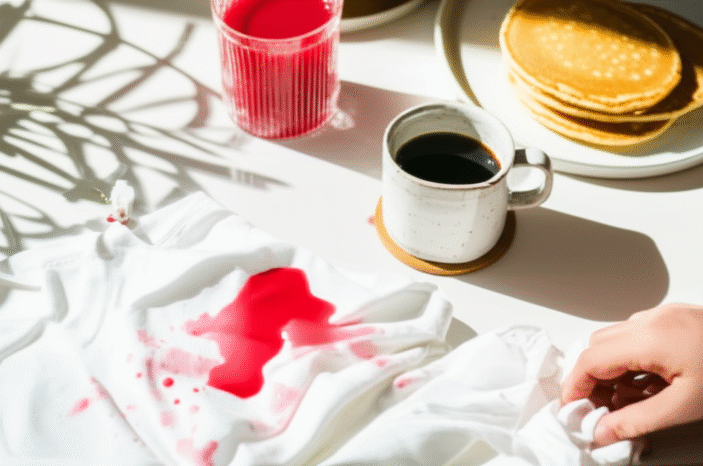
When cranberry juice first spills, the pigments are still relatively loose within the fabric fibers. Think of it like freshly spilled ink on paper – it’s easier to blot and absorb before it fully dries and seeps in. As time passes, the anthocyanins begin to chemically bond with the fabric’s cellulose. This process is accelerated by heat. A hot dryer or even warm water can “bake” the stain into the material, making it a permanent fixture.
This is why immediate action is crucial. By blotting and treating the stain while it’s fresh, you’re preventing this permanent bonding. You’re essentially working with a stain that hasn’t fully set, making it much more amenable to removal. This simple principle is the foundation of most effective stain removal techniques.
Essential Tools and Supplies for Stain Removal
Before you begin, gather these common household items. Having them ready will allow you to act quickly when a cranberry juice incident occurs.
- Clean white cloths or paper towels (for blotting)
- Cold water
- Mild liquid dish soap (like Dawn or a similar grease-cutting formula)
- Hydrogen peroxide (3% solution, commonly found in pharmacies)
- Oxygen bleach (e.g., OxiClean or a generic equivalent)
- White vinegar
- A soft-bristled brush (like an old toothbrush)
- Your regular laundry detergent
- A stain remover pen or spray (optional, but handy)
It’s important to note that you should always test any stain removal solution on an inconspicuous area of the garment first to ensure it doesn’t damage or discolor the fabric. For delicate fabrics or very stubborn stains, consulting a professional cleaner might be the safest option.
Step-by-Step Guide: How to Get Cranberry Juice Out of White Clothes
Follow these steps carefully for the best chance of completely removing cranberry juice stains from your white garments. Remember, patience and persistence are key!
Step 1: Blot, Don’t Rub!
As soon as the spill happens, grab a clean white cloth or paper towel. Gently blot the stained area, working from the outside of the stain inward. The goal is to absorb as much of the excess juice as possible without spreading it further or pushing it deeper into the fabric. Rubbing can spread the stain and damage the fibers.
Step 2: Rinse with Cold Water
Turn the garment inside out and hold the stained area under a stream of cold running water. This helps to flush out some of the juice from the back of the fabric. Continue rinsing until the water runs clear or the stain appears significantly lighter.
Step 3: Pre-Treat the Stain
This is where the real stain-fighting begins. You have a few effective options:
Option A: Dish Soap and Hydrogen Peroxide
This is a powerful combination for lifting tough stains from white fabrics. Mix one part mild liquid dish soap with two parts hydrogen peroxide. You can add a few drops of ammonia if you have it, but be cautious and never mix ammonia with bleach.
Apply this solution directly to the stain. Use a soft-bristled brush (like an old toothbrush) to gently work the solution into the fibers. Let it sit for 10-15 minutes, but don’t let it dry on the fabric.
Option B: Commercial Stain Remover
Apply a good quality stain remover spray or pen directly to the stain. Follow the product’s instructions carefully. Some require immediate washing, while others suggest letting them sit for a few minutes.
Option C: Oxygen Bleach Paste
Create a paste by mixing powdered oxygen bleach with a little water. Apply this paste to the stain, ensuring it’s fully covered. Let it sit for at least 30 minutes, or even longer for stubborn stains. You can also dissolve oxygen bleach in water and soak the garment (see Step 4).
Step 4: Soak (If Necessary)
If the stain is particularly stubborn or covers a large area, soaking can be very effective. Fill a basin or sink with cold water and add a scoop of oxygen bleach. Stir to dissolve. Submerge the stained garment and let it soak for at least 1-2 hours, or even overnight for very tough stains. Ensure the entire garment is submerged.
For those wondering about the safety of oxygen bleach, the U.S. Environmental Protection Agency (EPA) highlights that oxygen bleach is a more environmentally friendly alternative to chlorine bleach, breaking down into less harmful substances.
Step 5: Wash the Garment
After pre-treating and/or soaking, wash the garment as you normally would, but with a few crucial adjustments:
- Use Cold Water: Always wash cranberry juice-stained items in cold water. Hot water can set any remaining stain.
- Add Laundry Detergent: Use your regular laundry detergent.
- Add Oxygen Bleach: For an extra boost on whites, add a scoop of oxygen bleach to the wash cycle along with your detergent.
- Check the Care Label: Always refer to the garment’s care label for specific washing instructions.
Step 6: Inspect Before Drying
This is a critical step! Before you put the garment in the dryer, carefully inspect the stained area. If any trace of the stain remains, do NOT put it in the dryer. The heat from the dryer will set the stain permanently. If the stain is still visible, repeat steps 3 through 5, or try a different pre-treatment method.
Step 7: Air Dry or Dry as Usual
Once you are absolutely sure the stain is gone, you can either air dry the garment or tumble dry it according to the care label. Air drying is always a safer bet when dealing with potential stains, as you can give it one last look in natural light before committing it to the dryer.
Alternative Stain Removal Methods
Sometimes, the go-to methods aren’t enough, or you might not have all the supplies on hand. Here are a few alternative techniques that can also be effective for cranberry juice stains on white clothes.
Using White Vinegar
White vinegar is a mild acid that can help break down stains. Mix one part white vinegar with two parts cold water. Apply this solution to the stain and let it sit for about 15-20 minutes before rinsing and washing as usual.
Lemon Juice and Sunlight
For very light stains, or as a final touch-up, lemon juice can act as a natural bleaching agent when combined with sunlight. Squeeze fresh lemon juice directly onto the damp stain and lay the garment flat in direct sunlight. The UV rays will help bleach the stain. Keep an eye on it, as prolonged exposure can weaken some fabrics.
Baking Soda Paste
Similar to the oxygen bleach paste, you can create a paste with baking soda and water. Apply it to the stain, let it sit for about 30 minutes, then gently brush it off before washing. This is a gentler option that can help lift surface stains.
What to Avoid When Removing Cranberry Juice Stains
Some common laundry practices can inadvertently make cranberry juice stains worse or even permanent. Be mindful of these:
- Using Hot Water: As mentioned, hot water can set the stain. Always start with cold water.
- Rubbing Vigorously: This damages fabric fibers and spreads the stain.
- Using Chlorine Bleach on Fresh Stains: While chlorine bleach can whiten fabrics, it can sometimes react with organic stains like fruit juice and turn them yellow or even set them permanently. It’s generally safer to use oxygen bleach.
- Drying Without Confirming Stain Removal: Never machine dry a garment until you are 100% sure the stain is gone.
Table: Stain Removal Method Comparison
Here’s a quick look at some popular methods for tackling cranberry juice stains, highlighting their pros and cons for white clothes.
| Method | Pros | Cons | Best For |
|---|---|---|---|
| Dish Soap & Hydrogen Peroxide | Highly effective on organic stains, readily available ingredients, color-safe for whites. | Requires a bit of mixing, can sometimes lighten very dark fabrics if not careful (though not an issue for pure whites). | Fresh and set-in cranberry juice stains on most white fabrics. |
| Oxygen Bleach | Excellent whitening and stain-lifting power, safer for fabrics than chlorine bleach, good for soaking. | May require a specific product purchase, can take longer (soaking). | Stubborn stains, large stained areas, and general whitening of whites. |
| White Vinegar | Natural deodorizer and mild acid, good for breaking down some stains. | Less potent than peroxide or oxygen bleach, scent may linger until washed out. | Light stains, or as a pre-treatment booster. |
| Lemon Juice & Sunlight | Natural bleaching, environmentally friendly, good for light stains. | Requires sunlight, can take time, may not work on deep or old stains, can weaken some delicate fabrics with prolonged exposure. | Faint residual stains, post-wash touch-ups on sturdy white fabrics. |
Dealing with Old or Set-In Cranberry Juice Stains
If you discover an old cranberry juice stain on a white garment, don’t give up hope. These are tougher, but often salvageable. The key is prolonged treatment.
- Soak Longer: Start by soaking the garment in a solution of cold water and oxygen bleach for at least 8-12 hours, or even up to 24 hours.
- Pre-Treat Aggressively: After soaking, apply a strong pre-treatment. A paste of oxygen bleach and water, left on for several hours, is a good option. You can also try a commercial stain remover specifically designed for tough organic stains.
- Gentle Agitation: After the pre-treatment has sat, gently rub the stained area with a soft brush or even your fingers.
- Wash and Inspect: Wash in cold water with detergent and oxygen bleach. Inspect thoroughly before drying. You might need to repeat the process multiple times for very old stains.
For extremely old or set-in stains on delicate fabrics, professional dry cleaning might be your best bet. Mention the type of stain to the cleaner.
Frequently Asked Questions (FAQ)
Q1: Can I use regular bleach on cranberry juice stains?
It’s generally best to avoid chlorine bleach on fresh cranberry juice stains. Chlorine bleach can sometimes react with the pigments in fruit juice and set the stain, or even cause yellowing on white fabrics. Oxygen bleach is a much safer and often more effective alternative for organic stains on whites.
Q2: How long can I leave a pre-treatment on the stain?
For most pre-treatments like dish soap and hydrogen peroxide, 10-15 minutes is sufficient. For oxygen bleach paste, you can leave it on for 30 minutes to several hours, or even overnight for very tough stains, as long as the fabric doesn’t dry out. Always check the product instructions for commercial stain removers.
Q3: What if the stain is on a colored garment?
This guide is specifically for white clothes. For colored garments, you must be much more cautious. Test any stain remover in an inconspicuous area first to ensure it doesn’t lift the color. For colored items, blotting and a gentle detergent wash are often the safest first steps, followed by specific color-safe stain removers if needed.
Q4: My cranberry juice stain is still there after washing. What should I do?
Do not put the garment in the dryer! Repeat the pre-treatment and washing steps. You might need to try a different pre-treatment method or soak the garment for a longer period in an oxygen bleach solution. Patience is key for stubborn stains.
Q5: Are these methods safe for all white fabrics?
These methods are generally safe for most common white fabrics like cotton, linen, and polyester. However, always check the garment’s care label. For delicate fabrics like silk or wool, or for very stubborn stains, it’s safer to consult a professional dry cleaner.
Q6: Can I use a stain remover pen for cranberry juice?
Yes, a stain remover pen can be very effective, especially for on-the-go accidents. Apply it as soon as possible, blot, and then follow up with a more thorough washing process as described in the guide to ensure complete removal.
Conclusion
Dealing with cranberry juice stains on white clothes might seem daunting, but as you’ve seen, it’s entirely manageable with the right knowledge and approach. By acting quickly, blotting instead of rubbing, using cold water, and applying effective pre-treatments like dish soap with hydrogen peroxide or oxygen bleach, you can significantly increase your chances of complete stain removal. Remember to always inspect your garment before drying and be prepared to repeat the process if necessary. With these straightforward steps, your white garments can be rescued, allowing you to enjoy your favorite berry treats without the lingering worry of stubborn stains. Happy stain fighting!
smartblander.com is a participant in the Amazon Services LLC Associates Program, an affiliate advertising program. As an Amazon Associate, we earn from qualifying purchases made through our links.
