

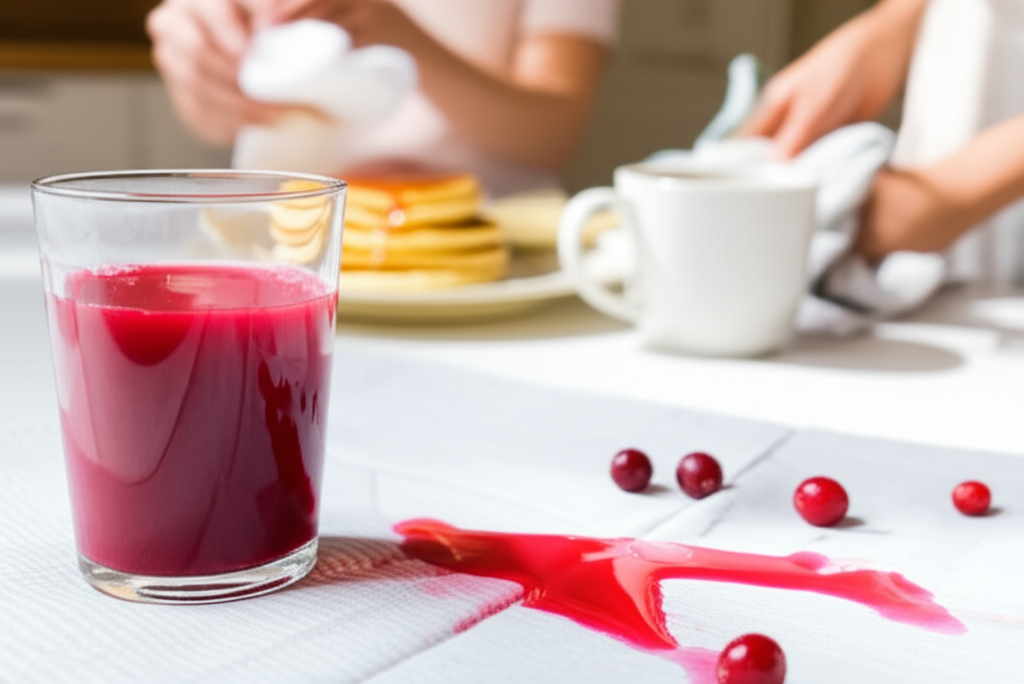
Got cranberry juice stains on your white clothes? Don’t panic! Act fast with cold water, a gentle detergent, and a stain remover. This guide provides simple, effective steps to banish those stubborn pink and red marks, restoring your whites to their pristine condition.
Oh no! That festive cranberry juice has splashed onto your favorite white shirt or tablecloth. It’s a common, frustrating moment, especially when you want to keep your whites looking bright. The vibrant color of cranberry juice can seem impossible to remove from fabric, leaving you worried about a permanent stain. But don’t despair! With the right approach and a few household items, you can tackle this common laundry mishap. This article will walk you through a proven, step-by-step process to effectively remove cranberry juice stains from white clothing, making them look as good as new. Get ready to say goodbye to those unsightly spots!
Understanding Cranberry Juice Stains on White Fabric
Cranberry juice is known for its beautiful, rich color, thanks to pigments called anthocyanins. These same pigments are what make it a formidable opponent when it comes to laundry stains, especially on white fabric. White clothes lack the dyes that might otherwise mask a stain, making any mark stand out starkly. The acidity of cranberry juice can also sometimes interact with fabric fibers, setting the stain deeper if not treated promptly and correctly. Understanding this helps us approach the problem strategically, focusing on lifting the color and neutralizing any lingering acidity.
The key to successfully removing cranberry juice from white clothes lies in speed and the right treatment. Fresh stains are significantly easier to remove than those that have had time to dry and set into the fabric fibers. When cranberry juice hits a white garment, its natural pigments begin to bind with the material. Without immediate intervention, this bond strengthens, making the stain more persistent. Fortunately, most modern laundry detergents and stain removers are formulated to break down these types of organic stains. We’ll explore the most effective methods, starting with immediate actions you can take.
Immediate Action: The First Line of Defense
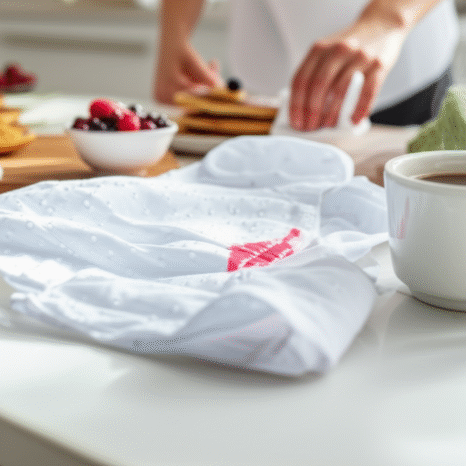
The moment you notice a cranberry juice spill on your white clothing, it’s time to act fast. Delaying can make the stain much harder to remove. The first and most crucial step is to address the spill while it’s still wet. This prevents the juice from drying and bonding with the fabric fibers.
Here’s what you should do immediately:
- Blot, Don’t Rub: Grab a clean white cloth, paper towel, or sponge. Gently blot the stained area. The goal is to absorb as much of the liquid cranberry juice as possible without spreading it further into the fabric. Rubbing can push the stain deeper and enlarge the affected area.
- Rinse with Cold Water: Turn the garment inside out and hold the stained area under a stream of cold running water. This helps to flush out the juice from the back of the fabric, preventing it from being pushed further in. Always use cold water; hot water can set protein-based stains and potentially set the cranberry pigments.
These initial steps are critical. They create an environment where subsequent treatments will be far more effective. Think of it as preparing the battlefield for a successful stain-removal mission. The less juice that has time to penetrate, the easier the job will be.
DIY Stain Removal Methods
Once you’ve tackled the immediate spill, it’s time to move on to more targeted stain removal. Fortunately, many effective solutions can be found right in your home.
Method 1: Liquid Laundry Detergent
Liquid laundry detergent is a powerhouse for breaking down stains. Its concentrated formula is designed to lift and suspend soil and color from fabric fibers.
- Apply Detergent: Apply a small amount of heavy-duty liquid laundry detergent directly onto the stained area. Ensure the detergent contains enzymes, as these are particularly effective at breaking down organic stains like fruit juice.
- Gently Work It In: Use your fingers or a soft-bristled brush (like an old toothbrush) to gently work the detergent into the stain. Be careful not to scrub too aggressively, as this can damage the fabric.
- Let It Sit: Allow the detergent to sit on the stain for at least 5-10 minutes. For tougher stains, you might let it sit for up to 30 minutes.
- Rinse and Check: Rinse the area thoroughly with cold water. Check if the stain has faded or disappeared. If it’s still visible, repeat the process or move on to another method.
Method 2: Baking Soda Paste
Baking soda is a natural whitener and a mild abrasive that can help lift stains. It’s a gentle yet effective option for white fabrics.
- Make a Paste: Mix baking soda with a small amount of water to create a thick paste. The consistency should be like toothpaste.
- Apply the Paste: Apply the paste generously over the cranberry juice stain.
- Let It Dry: Allow the paste to dry completely on the fabric. As it dries, it will help lift the stain out of the fibers.
- Brush Off and Rinse: Once dry, gently brush off the dried paste. Rinse the area with cold water.
- Launder as Usual: Proceed to wash the garment as you normally would.
Method 3: White Vinegar Solution
White vinegar is a natural disinfectant and stain remover. Its acidity can help break down the cranberry pigments.
- Mix Solution: Combine equal parts white vinegar and cold water in a small bowl.
- Apply and Soak: Dampen a clean white cloth with the vinegar solution and blot the stain. For more stubborn stains, you can soak the stained portion of the garment in the solution for about 15-30 minutes.
- Rinse: After soaking, rinse the area thoroughly with cold water.
- Launder: Wash the garment as usual. The vinegar smell will dissipate during the wash cycle.
Method 4: Hydrogen Peroxide (Use with Caution)
Hydrogen peroxide is a mild bleaching agent and can be very effective on white fabrics. However, it should be used with caution as it can weaken some fabrics if left on too long or used at high concentrations.
- Test First: Always test hydrogen peroxide on an inconspicuous area of the garment first to ensure it doesn’t damage the fabric.
- Apply Carefully: If the test is successful, apply a small amount of 3% hydrogen peroxide solution directly to the stain. You can use a cotton swab for precise application.
- Let It Work: Allow it to sit for a few minutes (no more than 5-10 minutes for initial applications). You might see a slight fizzing action as it works.
- Rinse Thoroughly: Rinse the area completely with cold water.
- Wash: Launder the garment as usual.
For best results, especially with DIY methods, always check the garment’s care label for any specific instructions or warnings about washing and stain treatment.
Commercial Stain Removers: When DIY Isn’t Enough

Sometimes, despite our best efforts with home remedies, a stubborn cranberry juice stain might persist. This is when reaching for a commercial stain remover can be your best bet. These products are specifically formulated with powerful cleaning agents to tackle a wide range of stains, including tough fruit juice marks.
Types of Commercial Stain Removers
There are several types of commercial stain removers available:
- Enzyme-Based Sprays/Liquids: These are excellent for organic stains like cranberry juice. The enzymes break down the stain molecules.
- Oxygen Bleach Products: These are color-safe bleaches that work by releasing oxygen to break down stains. They are generally safe for most white fabrics and are more gentle than chlorine bleach. Products like OxiClean fall into this category.
- Chlorine Bleach (Use as a Last Resort): While very effective at whitening and removing stains, chlorine bleach can damage certain fabrics, weaken fibers over time, and cause yellowing on some synthetic materials. It should only be used on bleach-safe fabrics (check the care label!) and diluted properly. For cranberry juice, oxygen bleach is usually a safer and equally effective alternative.
How to Use Commercial Stain Removers
Always follow the product’s instructions carefully. However, a general process looks like this:
- Pre-treat: Apply the stain remover directly to the cranberry juice stain. Ensure you cover the entire stained area.
- Let It Sit: Allow the product to penetrate the stain for the recommended time on the label. This can range from a few minutes to several hours, depending on the product and the severity of the stain.
- Wash: Launder the garment as usual in cold water with your regular detergent.
- Check Before Drying: This is a crucial step! Before putting the garment in the dryer, check if the stain is completely gone. The heat from the dryer can permanently set any remaining stain. If the stain is still visible, repeat the pre-treatment and washing process, or try a different stain remover.
Recommended Commercial Products (Examples)
While specific brand recommendations can vary by region, look for products known for their stain-fighting power on organic stains. Some popular and effective options often include:
- Stain removers specifically labeled for fruit or beverage stains.
- Oxygen-based stain removers (e.g., OxiClean, Vanish Oxi Action).
- Reputable laundry pre-treatment sprays (e.g., Shout, Resolve).
When in doubt, consult the manufacturer’s website for their product usage guides. For instance, the American Cleaning Institute offers extensive resources on stain removal, often highlighting the effectiveness of enzyme-based and oxygen-based treatments for common household spills.
Washing and Drying Best Practices
After pre-treating the cranberry juice stain, the washing and drying stages are critical to ensure the stain is fully removed and doesn’t reappear.
Washing the Garment
When you wash the garment, keep these points in mind:
- Use Cold Water: Always wash cranberry-stained items in cold water, regardless of your detergent’s recommendation for other loads. Hot water can set the stain, making it permanent.
- Use a Quality Detergent: Use a high-quality laundry detergent that contains enzymes. These enzymes are key to breaking down the organic components of the cranberry juice.
- Consider an Additive: For white loads, you can add a laundry booster like an oxygen bleach powder to your wash cycle. This provides an extra layer of stain-fighting power.
- Don’t Overload the Machine: Ensure there’s enough room for the clothes to move freely in the washing machine. This allows the water and detergent to circulate effectively and clean the fabric thoroughly.
The Crucial Check: Before Drying!
This cannot be stressed enough: always check the stained area thoroughly after the wash cycle and before putting the garment in the dryer. The heat from a dryer is the enemy of a partially removed stain. If you can still see any trace of the cranberry color, the stain is likely to become permanent.
- Inspect the fabric in good light.
- If the stain is still present, do not dry the item.
- Repeat the pre-treatment and washing process. You might need to try a different stain removal method or product if the first didn’t fully work.
Drying the Clothes
Once you are absolutely certain the cranberry juice stain is gone:
- Air Dry First (Optional but Recommended): For extra peace of mind, especially after a tough stain, consider air-drying the garment the first time. This gives you another chance to spot any faint residual marks before they are permanently set by dryer heat.
- Tumble Dry on Low/Medium Heat: If you’re confident the stain is gone, you can tumble dry the garment on a low or medium heat setting, following the garment’s care label. High heat can sometimes still cause faint stains to reappear or set them deeper.
Patience is key. If a stain is particularly stubborn, it might require multiple treatments. Don’t give up after the first attempt!
When to Seek Professional Help
While most cranberry juice stains on white clothes can be tackled at home, there are a few situations where seeking professional help from a dry cleaner might be the wisest course of action.
- Delicate Fabrics: If your white garment is made from delicate materials like silk, wool, rayon, or certain blends, home treatments can be risky. These fabrics can be easily damaged by harsh chemicals or excessive rubbing. A professional dry cleaner has the expertise and specialized solutions to handle these materials safely.
- “Dry Clean Only” Labels: If the care label on your garment explicitly states “Dry Clean Only,” do not attempt to treat the stain yourself with water-based methods. Take it to a reputable dry cleaner immediately and point out the stain.
- Old or Set-In Stains: Very old, dried, or previously unsuccessfully treated cranberry juice stains can be incredibly difficult to remove. Professionals have access to stronger solvents and advanced techniques that might succeed where home remedies fail.
- Valuable or Sentimental Items: If the garment is particularly valuable, rare, or holds significant sentimental importance, it might be worth the investment to have it professionally cleaned to minimize any risk of damage or permanent staining.
When taking an item to a dry cleaner, always inform them about the type of stain (cranberry juice) and any treatments you may have already attempted. This information helps them choose the most effective cleaning process. Resources from organizations like the International Fabricare Institute (now part of the Textile Rental Association) highlight the importance of professional textile care for preserving garments.
Frequently Asked Questions (FAQ)
Q1: Can I use chlorine bleach on cranberry juice stains on white clothes?
A1: You can use chlorine bleach on white clothes that are specifically labeled as bleach-safe. However, it’s often a last resort as it can weaken fibers and cause yellowing on some fabrics. Oxygen bleach is usually a safer and equally effective alternative for cranberry juice stains.
Q2: How long do I need to soak the garment in a stain remover?
A2: Soaking times vary depending on the stain remover and the severity of the stain. For DIY solutions like vinegar or hydrogen peroxide, 15-30 minutes is often sufficient. For commercial oxygen bleach products, follow the package instructions, which might recommend soaking for several hours or even overnight for tough stains.
Q3: What if the cranberry juice stain is old and dried?
A3: Old, dried stains are more challenging. Start with a powerful commercial stain remover designed for set-in stains, or try a soak in an oxygen bleach solution. You may need to repeat the treatment multiple times. If the stain persists, consider professional dry cleaning.
Q4: Will cranberry juice stain my washing machine?
A4: It’s highly unlikely that cranberry juice will stain your washing machine. Washing machines are designed to handle detergents and various types of soil. Any residue would typically be rinsed away during the cycle. Focus on treating the garment, not the machine.
Q5: Can I mix different stain removers together?
A5: It’s generally not recommended to mix different stain removers, especially those containing bleach and ammonia, as this can create dangerous fumes. Stick to one method at a time. If one method doesn’t work, rinse the garment thoroughly before trying another.
Q6: Is it safe to use a stain remover on colored trim or embroidery on white clothes?
A6: Always test stain removers on an inconspicuous area first, especially if your white garment has colored accents, embroidery, or labels. Some removers can cause colors to bleed or fade. If in doubt, use a very gentle method or consult a professional.
Conclusion
Dealing with a cranberry juice stain on white clothing can be a moment of panic, but as we’ve explored, it’s a challenge that can be overcome with the right knowledge and approach. By acting quickly, employing gentle yet effective pre-treatment methods with household staples or specialized commercial products, and adhering to proper washing and drying techniques, you can successfully restore your whites to their original pristine condition. Remember the golden rule: cold water is your friend, and never machine dry a stained item until you are absolutely sure the stain is gone. With these brilliant fixes, you can confidently face any cranberry catastrophe and keep your favorite white garments looking their best for years to come.
smartblander.com is a participant in the Amazon Services LLC Associates Program, an affiliate advertising program. As an Amazon Associate, we earn from qualifying purchases made through our links.
