

Quick Summary: To get cranberry juice out of a rug, act fast! Blot the stain with a clean cloth, then use a mixture of dish soap and water, or a vinegar and water solution, to gently lift the stain. Rinse thoroughly and blot dry. For stubborn stains, consider a mild commercial carpet cleaner.
Oh no, a cranberry juice spill on your rug! It happens to the best of us, and it can feel like a decorating disaster. Those vibrant red hues can seem impossible to remove, leaving you worried about permanent damage. But don’t despair! With the right approach, you can tackle this common household mishap effectively. This guide will walk you through simple, step-by-step methods using common household items to rescue your rug. We’ll cover everything from immediate action to tackling tougher spots, so you can restore your rug to its former glory without stress.
Understanding Cranberry Juice Stains on Rugs
Cranberry juice is notorious for its potent color, thanks to natural pigments called anthocyanins. When this vibrant liquid hits your rug fibers, those pigments can quickly bond, making the stain set in. The longer it sits, the harder it becomes to lift. Different rug materials also react differently to stains and cleaning solutions. Natural fibers like wool might require a gentler touch than synthetic ones like nylon or polyester. Understanding the nature of the stain and your rug is the first step to successful removal.
The Golden Rule: Act Fast!
The single most important factor in removing any stain, especially cranberry juice, is speed. Think of it as a race against time. The moment the spill happens, grab a clean cloth or paper towels. The goal is to absorb as much of the liquid as possible before it has a chance to soak deep into the rug fibers and dry. Avoid rubbing, as this can spread the stain and push it further into the carpet. Instead, gently blot the area from the outside of the stain inward.
Essential Cleaning Supplies You’ll Need
Before you start, gather these common household items. Having them ready means you can tackle the stain immediately:
- Clean white cloths or paper towels
- Cold water
- Mild dish soap (clear or white, avoid colored ones)
- White vinegar
- Spray bottle
- A spoon or dull knife (for scraping up any solid residue)
- Optional: Baking soda, hydrogen peroxide (for tougher stains, use with caution)
- Optional: Commercial carpet stain remover (test first!)
Step-by-Step Cranberry Juice Stain Removal
Follow these steps carefully to lift the cranberry juice stain from your rug. Remember to always test any cleaning solution on an inconspicuous area of the rug first to ensure it doesn’t cause discoloration or damage.
Step 1: Blot Up Excess Liquid
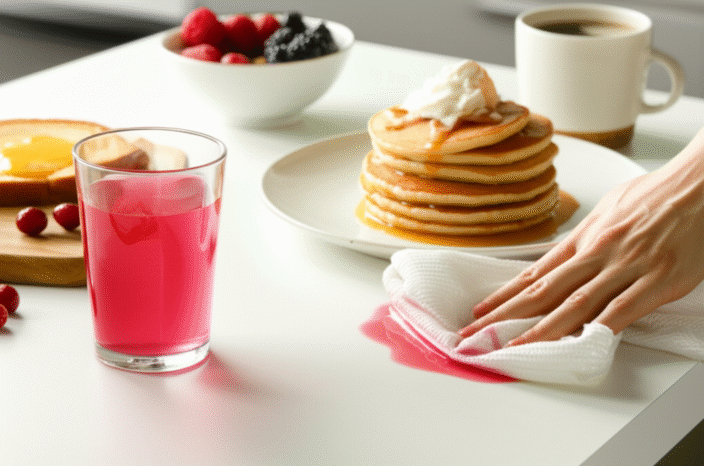
As soon as the spill occurs, grab a clean white cloth or paper towels. Gently blot the stain to absorb as much of the cranberry juice as possible. Work from the outside of the stain towards the center to prevent spreading. Keep blotting with fresh sections of the cloth or new paper towels until no more liquid transfers.
Step 2: Prepare a Cleaning Solution
You have a couple of effective, beginner-friendly options:
- Dish Soap Solution: Mix one tablespoon of mild dish soap with two cups of cold water in a bowl or spray bottle.
- Vinegar Solution: Mix one part white vinegar with two parts cold water in a spray bottle.
Step 3: Apply the Solution
Dampen a clean white cloth with your chosen solution. Do not saturate the rug. Gently blot the stained area with the damp cloth. Continue blotting, working from the outside of the stain inward. You should start to see the color transferring from the rug to the cloth.
Step 4: Rinse the Area
Once the stain appears to be gone, it’s crucial to rinse out the cleaning solution. Dampen a new clean cloth with plain cold water. Blot the area thoroughly to remove any soap or vinegar residue. This step prevents a sticky residue that can attract dirt later.
Step 5: Blot Dry
Use a dry, clean cloth or paper towels to blot the area and absorb as much moisture as possible. You can also place a thick layer of paper towels over the damp spot and weigh it down with a heavy object (like a book wrapped in plastic) to help draw out remaining moisture.
Step 6: Allow to Air Dry
Let the rug air dry completely. You can speed this up by opening windows or using a fan. Once dry, vacuum the area to help restore the rug’s pile and texture.
Tackling Stubborn Stains: Advanced Techniques
If the basic method didn’t completely remove the stain, don’t give up! Here are a few more advanced techniques, but remember to test them in a hidden spot first:
Using Baking Soda Paste
For stains that are proving difficult, a paste of baking soda and water can help lift the color. Mix baking soda with a small amount of water to form a thick paste. Apply it to the stain and let it dry completely. Once dry, vacuum up the baking soda. The baking soda helps absorb odors and can lift remaining color.
Hydrogen Peroxide (Use with Caution!)
For light-colored carpets, a 3% hydrogen peroxide solution can be effective. Mix one part hydrogen peroxide with three parts cold water. Apply sparingly with a clean cloth, blotting gently. Hydrogen peroxide has mild bleaching properties, so it’s essential to test this on a hidden area first. After blotting, rinse thoroughly with cold water and blot dry.
According to the Environmental Protection Agency (EPA), it’s wise to be mindful of the chemicals you use around your home. Opting for simpler, less toxic solutions like soap, vinegar, and baking soda is often the safest and most effective first line of defense.
Commercial Carpet Cleaners
If DIY methods aren’t cutting it, a commercial carpet stain remover might be your best bet. Look for one specifically designed for red stains or fruit juices. Always follow the manufacturer’s instructions carefully and test it in an inconspicuous area of your rug before applying it to the stain. Proper ventilation is also key when using commercial cleaners.
What NOT to Do When Cleaning Cranberry Juice Stains
To avoid making the stain worse or damaging your rug, steer clear of these common mistakes:
- Don’t use hot water: Hot water can set protein-based stains, and while cranberry juice isn’t primarily protein, heat can still bond the pigments to the fibers, making them harder to remove. Always use cold water.
- Don’t rub vigorously: Scrubbing can fray rug fibers and spread the stain deeper into the carpet, making it much more difficult to lift. Blotting is always the preferred method.
- Don’t use colored cloths or towels: The dye from colored fabrics can transfer to your rug, creating a new stain. Stick to white cloths or paper towels.
- Don’t use harsh chemicals without testing: Bleach or strong solvents can permanently discolor or damage your rug. Always test any cleaning solution on a hidden spot first.
- Don’t oversaturate the rug: Too much liquid can soak into the rug’s backing and padding, leading to mildew or damage to the subfloor. Use cleaning solutions sparingly.
Rug Material Considerations
The type of rug you have can influence the best cleaning method. Here’s a general guide:
| Rug Material | Recommended Approach | Cautionary Notes |
|---|---|---|
| Synthetic (Nylon, Polyester, Olefin) | Generally durable and stain-resistant. Can handle most gentle cleaning solutions like dish soap and vinegar. | Avoid harsh solvents that could damage the fibers. |
| Wool | Natural fibers are absorbent and can be sensitive. Use milder solutions like diluted dish soap. Blot gently. | Avoid over-wetting. Do not use alkaline cleaners (like ammonia) or bleach, as they can damage wool. Test solutions thoroughly. |
| Natural Fibers (Sisal, Jute, Cotton) | These are highly absorbent and prone to water stains. Use solutions very sparingly and blot immediately. Consider professional cleaning for significant stains. | Excessive moisture can cause these fibers to shrink, warp, or rot. Avoid steam cleaning. |
| Silk | Very delicate. Professional cleaning is highly recommended for cranberry juice stains on silk rugs. | DIY attempts can easily cause permanent damage or discoloration. |
For a comprehensive guide on different rug materials and their care, resources from institutions like The Carpet and Rug Institute offer valuable insights.
When to Call a Professional
While most cranberry juice stains can be managed with home remedies, there are times when professional help is the best option:
- Delicate or antique rugs: If your rug is made of silk, wool, or is a valuable antique, it’s safer to let a professional handle the stain.
- Large or old stains: If the stain is extensive or has set for a long time, professional cleaners have specialized equipment and solutions.
- Uncertainty about rug material: If you’re unsure about your rug’s material or how it will react to cleaning agents, a professional can assess it.
- Previous failed attempts: If you’ve tried home remedies without success, a professional may be able to remove the stain where DIY methods couldn’t.
Frequently Asked Questions (FAQ)
Q1: How quickly should I try to clean a cranberry juice stain?
A1: As quickly as possible! The fresher the stain, the easier it is to remove. Blotting immediately is key.
Q2: Can I use club soda on a cranberry juice stain?
A2: Some people find success with club soda due to its carbonation, which can help lift stains. Apply it after blotting, then blot it up. However, plain water or mild soap solutions are generally more reliable.
Q3: Will dish soap damage my rug?
A3: Mild, clear dish soap used sparingly and rinsed thoroughly is generally safe for most rug types. Avoid dish soaps with dyes or harsh additives. Always test first.
Q4: How do I prevent cranberry juice stains in the future?
A4: You can’t always prevent spills, but you can protect your rugs by using a good quality carpet protector spray. For homes with kids or pets, consider rugs made from stain-resistant synthetic fibers.
Q5: Is it okay to use a colored towel to blot the stain?
A5: No, it’s best to always use clean white cloths or paper towels. Colored towels can transfer their dye to your rug, creating a new stain.
Q6: My rug is still damp after cleaning. What should I do?
A6: Ensure you’ve blotted up as much moisture as possible. You can place a thick layer of dry paper towels over the spot and weigh it down. Using a fan or opening windows will help it dry faster. Avoid walking on the damp area.
Conclusion
Dealing with a cranberry juice spill on your rug doesn’t have to be a stressful ordeal. By remembering the crucial rule of acting fast and employing simple, effective cleaning techniques with common household items, you can successfully remove most cranberry juice stains. Always remember to blot, not rub, use cold water, and test any cleaning solution on an inconspicuous area first. For delicate rugs or particularly stubborn stains, don’t hesitate to consult a professional cleaner. With a little care and the right approach, your rug can be as good as new!
smartblander.com is a participant in the Amazon Services LLC Associates Program, an affiliate advertising program. As an Amazon Associate, we earn from qualifying purchases made through our links.
