

How Many Watts Does A Blender Use? Your Essential Guide to Power and Performance
Understanding blender wattage is key to achieving perfect smoothies and blends. Most blenders use between 300 and 1500 watts, with higher wattage indicating more power for tougher ingredients. This guide will demystify blender power so you can choose the right one for your kitchen needs.
Key Takeaways
- Determine blender wattage for optimal blending.
- Understand power needs for different ingredients.
- Compare wattage to blender speed and capacity.
- Calculate energy usage and cost.
- Choose the best blender for your budget and recipes.
- Maintain your blender for long-term performance.
How Many Watts Does A Blender Use: Essential Guide
So, you’re ready to whip up some delicious smoothies, maybe a vibrant citrus-based juice, or even a creamy soup. That’s fantastic! But as you start exploring blender options, you might see a lot of numbers, especially “watts.” What does it all mean for your blending experience? It’s a common question for anyone new to the kitchen appliance world. Don’t worry, we’re here to break it down. Understanding blender wattage is simpler than you think, and it’s your secret weapon for smooth, consistent results every time. Let’s dive in and discover exactly how many watts a blender uses and why it matters for your healthy creations.
Understanding Blender Wattage: What the Numbers Mean
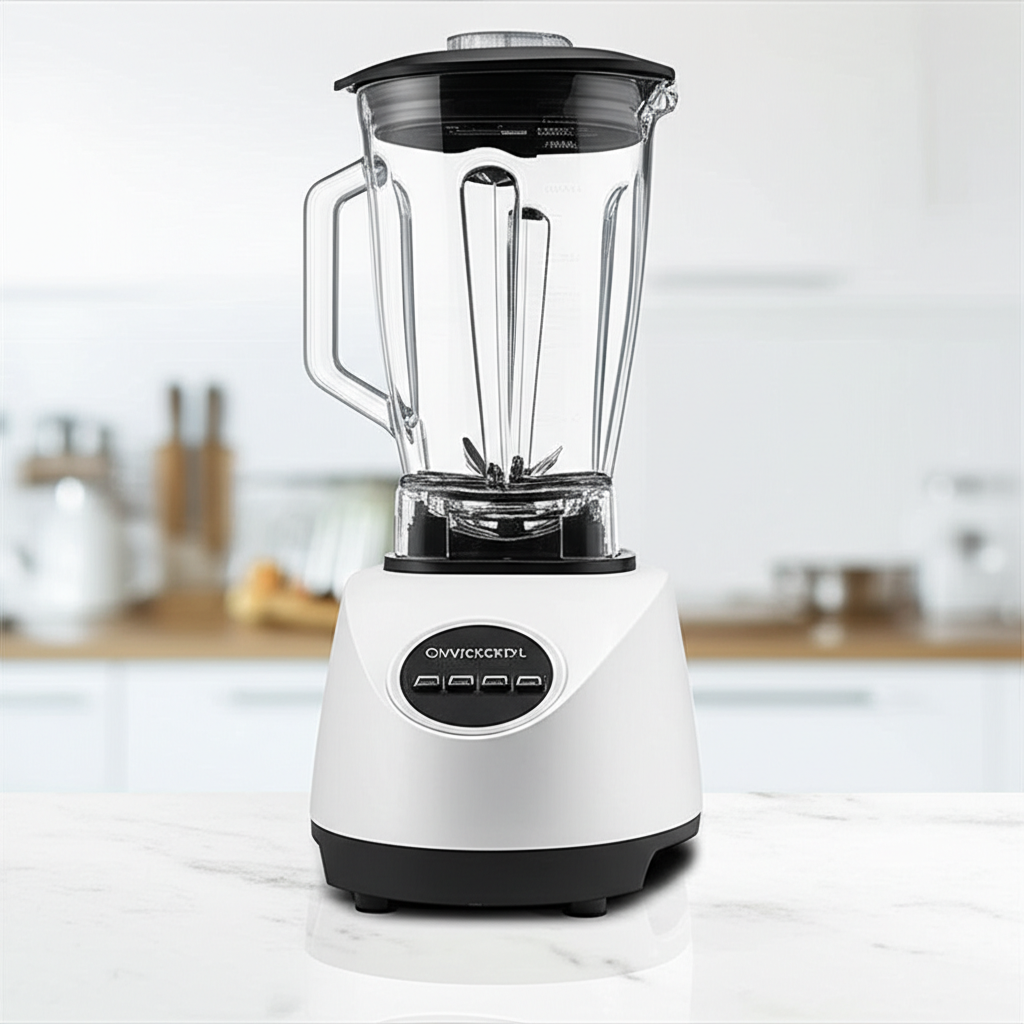
Wattage, simply put, is a measure of electrical power. When it comes to blenders, the wattage tells you how much energy the motor consumes to perform its job. Think of it like the horsepower of a car; higher wattage generally means more power to tackle tougher tasks.
For beginners, it’s easy to get lost in the jargon. However, focusing on wattage provides a crucial insight into a blender’s capabilities. A blender with low wattage might struggle with frozen fruits, ice, or tough leafy greens, leading to chunky results or even motor strain. On the other hand, a high-wattage blender can effortlessly pulverize ingredients, creating silky-smooth textures that are perfect for your favorite recipes.
The range for blender wattage is quite broad. You’ll find compact personal blenders that might operate on as little as 200-300 watts, while powerful, professional-grade blenders can exceed 1500 watts. Most standard home blenders fall somewhere in the middle, typically between 500 and 1000 watts. This range is usually sufficient for everyday blending tasks like making smoothies with fresh fruits, vegetables, and some ice.
Wattage vs. Horsepower and Other Specs
While wattage is a primary indicator of power, it’s not the only spec to consider. Sometimes, manufacturers might list horsepower (HP) instead of or in addition to watts. It’s helpful to know how these relate.
Generally, 1 horsepower is equivalent to approximately 746 watts. So, a 1.5 HP blender motor is roughly equivalent to a 1119-watt motor. However, it’s important to note that not all the listed horsepower is always delivered to the blade; some is lost in the motor’s efficiency. Wattage is a more direct measure of electrical power consumption.
Other specifications that influence a blender’s performance include:
- RPM (Revolutions Per Minute): This indicates how fast the blades spin. Higher RPMs, especially when combined with sufficient wattage, can lead to smoother blending.
- Blade Design: The shape, material, and configuration of the blades significantly impact how effectively ingredients are cut and processed.
- Jar Capacity: The size of the blender jar affects how much you can blend at once and how efficiently the motor works. Overfilling can strain the motor.
- Motor Type: Some blenders use AC motors, while others use more durable and powerful DC motors.
When comparing blenders, look at the wattage as your starting point for power, but also consider these other factors to get a complete picture of its capabilities.
Blender Wattage Categories and What They Can Handle
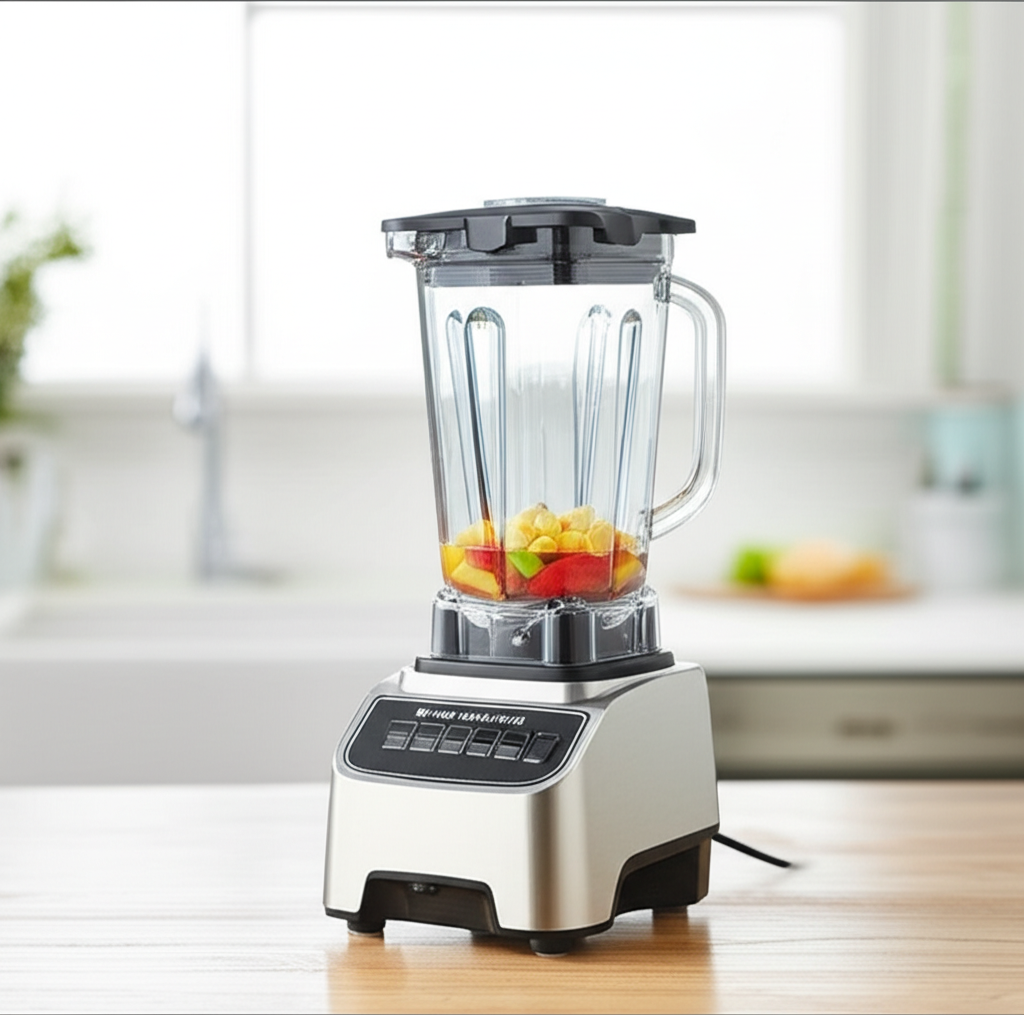
To make it easier to understand, we can categorize blenders by their typical wattage ranges and the types of tasks they are best suited for. This will help you pinpoint what you need for your specific blending goals, whether it’s a simple morning smoothie or a more robust culinary task.
Low-Wattage Blenders (200-400 Watts)
These are typically found in personal blenders or smaller, more basic models. They are best for soft ingredients.
- Ideal for: Protein shakes, simple fruit smoothies (fresh fruits like bananas, berries), protein powders, and light liquids.
- Not ideal for: Ice, frozen fruits, tough leafy greens (like kale), nuts, or seeds.
- Pros: Compact, portable, energy-efficient, and generally less expensive.
- Cons: Limited power, can struggle with tougher ingredients, motor may overheat with prolonged use.
Mid-Range Wattage Blenders (400-800 Watts)
This is the sweet spot for many home cooks, offering a good balance of power and affordability. They can handle a wider variety of ingredients.
- Ideal for: Smoothies with fresh and some frozen fruits, soft vegetables, nuts (in moderation), and ice crushing (though may not be as fine as higher-wattage models).
- Not ideal for: Very tough ingredients like fibrous roots (e.g., raw ginger in large quantities) or large amounts of hard ice continuously.
- Pros: Versatile for everyday use, good value for money, wider range of models available.
- Cons: May require more time or smaller batches for very tough ingredients compared to high-wattage blenders.
High-Wattage Blenders (800-1500 Watts and Above)
These are the powerhouses. They are designed for demanding tasks and can handle almost anything you throw at them.
- Ideal for: Crushing ice to snow-like consistency, pulverizing frozen fruits and vegetables, making nut butters, grinding grains, creating ultra-smooth purees, and tackling fibrous ingredients like kale and ginger with ease.
- Not ideal for: This category generally has no limitations for home kitchen tasks.
- Pros: Superior blending power and speed, creates exceptionally smooth textures, durable motors, can handle continuous blending.
- Cons: More expensive, can be larger and heavier, may consume more electricity.
Consider your typical ingredients and desired results when choosing. If you primarily make simple fruit smoothies, a mid-range blender might be perfect. If you dream of creamy nut butters and perfectly smooth green juices, investing in a higher-wattage model is likely worthwhile.
How to Choose the Right Blender Wattage for Your Needs
Selecting the right blender wattage boils down to understanding your personal kitchen habits and culinary aspirations. It’s not just about the number; it’s about how that number translates into performance for the recipes you love.
Think about what you plan to blend most often. For a beginner focused on easy, healthy smoothies, a mid-range blender (400-800 watts) is often the most practical choice. It offers enough power to handle most fruits, vegetables, and a reasonable amount of ice without breaking the bank or overwhelming you with options.
If you envision yourself making creamy soups, pureeing cooked vegetables, or even tackling tougher ingredients like raw carrots or large amounts of frozen fruit, you’ll want to lean towards the higher end, perhaps 800 watts or more. These blenders offer a smoother finish and a more consistent texture, which can significantly elevate your cooking and healthy eating journey.
For those who are serious about their blends, like creating homemade nut butters, grinding flours, or achieving a perfectly smooth consistency for raw juices with tough greens, a high-performance blender (1000 watts and up) is the way to go. These are often considered investment pieces that can perform a wide array of kitchen tasks beyond just blending.
Don’t forget to consider the blender’s overall design and features. A powerful motor is essential, but so are good quality blades, a sturdy jar, and intuitive controls. Read reviews, compare specifications, and think about how the blender will fit into your daily routine.
Practical Examples of Blender Wattage in Action
To illustrate the difference wattage makes, let’s look at some common recipes:
- Simple Berry Smoothie (Fresh Berries, Banana, Yogurt, Milk): A 300-watt personal blender can easily handle this. The ingredients are soft and don’t require intense power.
- Green Power Smoothie (Spinach, Kale, Apple, Orange, Water): A 500-watt blender will work, but you might need to chop the ingredients smaller and blend for a bit longer to achieve a smooth texture. An 800-watt blender will pulverize these ingredients more efficiently for a silkier result.
- Frozen Mango and Pineapple Daiquiri: For frozen fruits, 600 watts is a good minimum. Anything less might struggle to break down the ice and frozen chunks smoothly, potentially leaving small icy pieces. 1000+ watts will create a perfectly smooth, slushy consistency.
- Nut Butter (Peanuts or Almonds): This requires significant power and torque. A blender needs at least 800 watts, and preferably 1000 watts or more, to effectively break down nuts into a creamy butter without overheating the motor.
- Hot Soup Puree (Cooked Vegetables): While not solely about wattage, a blender with 700 watts or more will create a smoother, more professional texture for pureed soups. High-speed blenders are particularly good for this, as they can generate enough friction heat to warm the soup.
As you can see, the wattage directly impacts the effortlessness and quality of the blend for different ingredients. Choosing appropriately ensures you get the results you desire without stressing your appliance.
Energy Consumption and Cost-Saving Tips
Many people wonder if a higher-wattage blender uses significantly more electricity. The answer is yes, it consumes more power while it’s running. However, the total energy consumed depends on how long you use it and how often.
Let’s do a quick calculation. The formula for energy consumed is: Energy (in watt-hours) = Power (in watts) × Time (in hours). To convert watt-hours to kilowatt-hours (kWh), divide by 1000. Most electricity bills are based on kWh.
Example:
- A 500-watt blender used for 1 minute (1/60th of an hour) consumes: 500 watts × (1/60) hour = 8.33 watt-hours, or 0.00833 kWh.
- A 1500-watt blender used for 1 minute consumes: 1500 watts × (1/60) hour = 25 watt-hours, or 0.025 kWh.
The difference per use is small. However, if you’re using your blender extensively for long periods, the higher-wattage blender will draw more power.
Factors Affecting Electricity Usage
- Wattage of the blender: Higher wattage = more power draw.
- Duration of use: Longer blending time = more energy used.
- Frequency of use: Blending daily vs. weekly.
- Ingredient toughness: Harder ingredients require the motor to work harder and longer, potentially increasing energy draw.
Tips for Energy-Efficient Blending
- Don’t over-blend: Once you achieve the desired consistency, turn off the blender.
- Prepare ingredients: Chop harder ingredients into smaller pieces to reduce blending time.
- Use the right amount of liquid: Too little liquid can make the blender struggle; too much can dilute flavor. Find the sweet spot.
- Choose the right blender for the job: Don’t use a high-powered blender for a task a lower-powered one can handle easily.
- Maintain your blender: A well-maintained blender runs more efficiently.
While higher wattage blenders use more power when running, their efficiency in blending tougher ingredients can sometimes mean they finish the job faster, potentially balancing out the energy consumption over time.
Pro Tips for Blender Care and Maintenance
Keeping your blender in top shape ensures it performs optimally and lasts longer, regardless of its wattage. Proper care can also prevent unnecessary strain on the motor, contributing to more efficient energy use.
Pro Tip: Always ensure your blender jar is securely locked onto the base before starting. An improperly secured jar can lead to leaks and potential damage to the motor unit.
Cleaning Your Blender Effectively
- Immediate Rinse: Rinse the jar, lid, and blade assembly immediately after use. This prevents food particles from drying and sticking.
- The Soap and Water Trick: For most everyday blends, fill the jar halfway with warm water, add a drop of dish soap, secure the lid, and blend on low for 30 seconds. Rinse thoroughly.
- Deep Cleaning: For stubborn residue, use a soft brush or sponge. Never use abrasive scouring pads, as they can scratch the jar.
- Blade Assembly: Be extremely careful when handling the blade assembly, as it is very sharp. Some models allow you to detach the blade assembly for easier cleaning. If not, use a brush to clean around the blades.
- Base Unit: Wipe the motor base with a damp cloth. Never submerge the base in water.
Maintenance for Longevity
- Check Seals and Gaskets: Periodically inspect the lid and jar seals for any signs of wear or damage. Replace them if they are cracked or brittle.
- Motor Overheating: If your blender feels excessively hot or smells like it’s burning, turn it off immediately and let it cool down. Avoid running it continuously for too long, especially if you have a lower-wattage model.
- Blade Sharpness: While blender blades are designed to last, very heavy use might eventually dull them. Most home blenders don’t have user-replaceable blades; if yours are significantly damaged or dull, it might be time to consider a new unit.
- Storage: Store your blender in a dry place. Ensure the jar is completely dry before storing to prevent mold or mildew.
Following these simple steps will help your blender, whether it’s a compact personal unit or a robust high-wattage machine, continue to deliver excellent results for years to come.
Common Blender Wattage FAQs
What is a good wattage for a smoothie blender?
For general smoothie making with fresh fruits, vegetables, and a moderate amount of ice, a blender with 500 to 800 watts is typically considered good. If you frequently use frozen fruits or tougher greens like kale, aiming for 800 watts or higher will provide smoother results.
Do I need a high-wattage blender for ice?
Yes, to crush ice effectively without straining the motor or leaving large chunks, a higher wattage is beneficial. Blenders with 800 watts and above are generally recommended for reliably crushing ice. Some high-performance blenders (1000+ watts) can even turn ice into a snow-like consistency.
Can low-wattage blenders handle frozen fruit?
Low-wattage blenders (under 400 watts) will struggle with frozen fruit. They might be able to blend small amounts of slightly softened frozen fruit, but for consistent, smooth results with frozen ingredients, a mid-range (500-800 watts) or high-wattage blender is necessary. You might need to add more liquid and blend for longer, or stop and stir frequently with lower-powered models.
Is higher wattage always better?
Not necessarily. While higher wattage means more power, it also means higher energy consumption and often a higher price. If your primary use is simple shakes with soft ingredients, a high-wattage blender might be overkill. The “best” wattage depends on your specific needs and the types of ingredients you plan to blend. For many home users, a mid-range blender offers the best balance of performance and value.
How many watts does a personal blender use?
Personal blenders, often designed for single servings, typically range from 200 to 500 watts. They are best suited for softer ingredients like protein powder, fresh fruits, and liquids. While convenient and energy-efficient for their intended purpose, they lack the power for tough ingredients like ice or frozen fruit.
Will a blender use its full wattage all the time?
No, a blender typically doesn’t use its maximum wattage continuously. The motor draws power based on the resistance it encounters. When blending soft, liquid ingredients, it will draw less power than when it’s struggling with hard, frozen items. The listed wattage is the maximum power the motor can draw under load.
How does blender wattage affect smoothie texture?
Higher wattage blenders can spin blades faster and with more force, allowing them to break down ingredients more thoroughly and quickly. This results in a smoother, silkier texture, especially when dealing with fibrous greens, seeds, or frozen items. Lower wattage blenders may leave small particles or a grittier texture.
Conclusion: Powering Your Kitchen Creativity
Navigating the world of blender wattage doesn’t have to be complicated. As we’ve explored, understanding “how many watts does a blender use” is your key to unlocking efficient blending and achieving the perfect consistency for all your culinary creations, from vibrant citrus juices to hearty smoothies.
For beginners, a mid-range blender (500-800 watts) often strikes the ideal balance, offering enough power for most everyday tasks without an excessive price tag or energy draw. If your culinary adventures lean towards crushing ice, making nut butters, or creating ultra-smooth purees, investing in a higher-wattage model (800-1500+ watts) will undoubtedly elevate your results.
Remember, wattage is just one piece of the puzzle. Consider blade design, jar capacity, and overall build quality. By choosing a blender that aligns with your needs and taking good care of it, you’ll be well on your way to enjoying delicious, healthy, and perfectly blended treats for years to come. Happy blending!
smartblander.com is a participant in the Amazon Services LLC Associates Program, an affiliate advertising program. As an Amazon Associate, we earn from qualifying purchases made through our links.
