

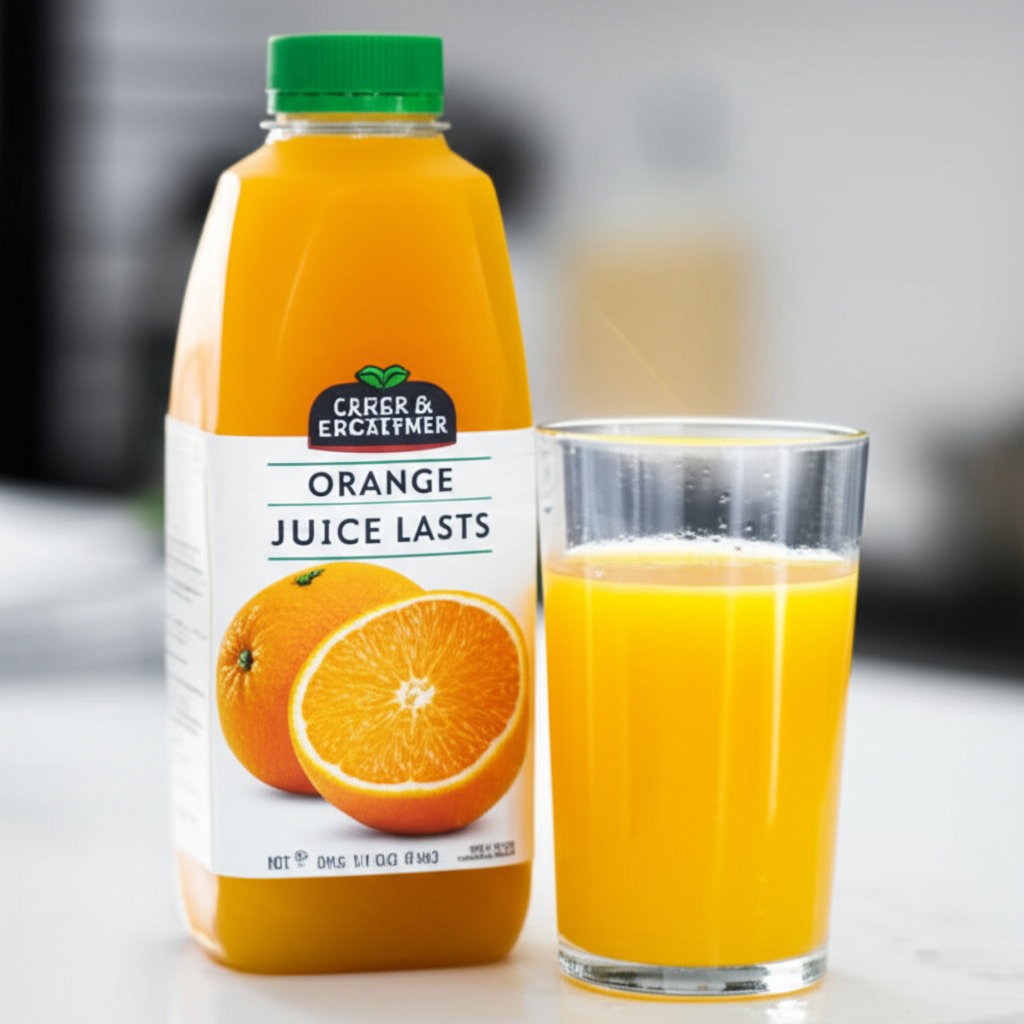
Opened orange juice typically lasts for about 5 to 7 days in the refrigerator, but this can vary based on pasteurization, additives, and storage. For the freshest taste and maximum vitamin C, consume it within this window.
Key Takeaways
- Refrigerate opened juice promptly.
- Check expiration dates for guidance.
- Pasteurized juice lasts longer than fresh-squeezed.
- Look for signs of spoilage before drinking.
- Proper storage extends shelf life.
- Enjoy within 5-7 days for best quality.
How Long Opened Orange Juice Lasts: The Startling Truth Revealed
You’ve just squeezed a vibrant pitcher of fresh orange juice, or maybe you’ve popped open a carton from the store. That bright, zesty aroma fills your kitchen, promising a burst of sunshine. But then a question pops into your mind: how long can you actually keep this delicious beverage before it’s no longer good? It’s a common question, and the answer can sometimes be surprising. Understanding the shelf life of opened orange juice is key to enjoying its full flavor and nutritional benefits, while also staying safe. Let’s dive into the facts and uncover the startling truth about how long your opened orange juice truly lasts.
Understanding Orange Juice Shelf Life
The journey of orange juice from tree to your glass involves several steps, each affecting how long it remains fresh and safe to drink. When we talk about “opened orange juice,” we’re usually referring to juice that has been exposed to air and has had its protective seal broken. This exposure is the main culprit in shortening its lifespan.
Several factors influence how long opened orange juice lasts. These include:
- Pasteurization: This is a heat treatment process that kills harmful bacteria. Pasteurized juices generally last longer than raw, unpasteurized ones.
- Added Ingredients: Some juices have added preservatives or vitamin C (ascorbic acid), which can help extend their shelf life.
- Storage Conditions: How you store the juice – specifically, its temperature – is crucial.
- Type of Orange Juice: Whether it’s pulp-free, with pulp, from concentrate, or not from concentrate can subtly affect freshness.
Let’s break down these elements to give you a clearer picture of what to expect.
The Impact of Pasteurization on Shelf Life
Pasteurization is a food safety cornerstone. For orange juice, it typically involves heating the juice to a specific temperature for a set amount of time. This process effectively neutralizes microorganisms like yeast, mold, and bacteria that can cause spoilage and illness. The U.S. Food and Drug Administration (FDA) has specific guidelines for pasteurization to ensure safety.
Pasteurized Orange Juice: This is the most common type you’ll find in grocery stores. Because it has undergone pasteurization, it’s designed to have a longer shelf life. Once opened, the clock starts ticking on its freshness, but the initial treatment gives it a significant advantage.
Unpasteurized (Raw) Orange Juice: This type is often found in the refrigerated section of health food stores or farmers’ markets. It’s celebrated for its vibrant flavor and potentially higher nutrient content, as the heating process can degrade some vitamins. However, because it hasn’t been pasteurized, it’s much more susceptible to bacterial growth. This means it needs to be consumed very quickly after opening.
The difference is stark. While pasteurized juice offers a more forgiving window, raw juice demands immediate attention and consumption.
How Long is Opened Orange Juice Good For? A General Guide
This is the million-dollar question! For most people, the standard answer is what they’re looking for. When you open a carton or bottle of orange juice, you’re introducing it to the environment. This means bacteria from the air and any utensils you use can get in. The cold temperature of your refrigerator slows down the growth of these microbes, but it doesn’t stop it entirely.
Opened Pasteurized Orange Juice
For standard, store-bought pasteurized orange juice, the general rule of thumb is:
- Best Quality: For the best flavor and vitamin C content, aim to consume it within 5 to 7 days of opening.
- Safety Limit: It can remain safe to drink for up to 7 to 10 days if stored properly, but the quality (taste, color, and nutritional value) will decline.
It’s crucial to keep the container tightly sealed and stored in the coldest part of your refrigerator, usually the back. Avoid storing it in the refrigerator door, where the temperature fluctuates more with each opening.
Opened Unpasteurized Orange Juice
This is where the “startling truth” might come in for some. Unpasteurized or “fresh-squeezed” juice has a much shorter lifespan because it lacks the protective pasteurization step. For raw, unpasteurized orange juice:
- Best Quality: It should ideally be consumed within 24 to 48 hours of preparation or opening.
- Safety Limit: Some sources suggest up to 72 hours, but this is pushing it, and the risk of spoilage increases significantly.
The natural sugars and moisture in juice are a perfect breeding ground for bacteria if not handled and stored with extreme care. Always prepare raw juice in a clean environment with clean equipment and consume it promptly.
Factors Affecting Opened Orange Juice Freshness
Beyond pasteurization, other elements play a role in how long your opened juice stays good. Think of these as the supporting cast in the freshness drama.
Pulp vs. No Pulp
Does the presence of pulp make a difference? Generally, the difference in shelf life between juice with pulp and pulp-free juice is minimal. However, some argue that the pulp might absorb some of the volatile compounds that contribute to aroma and flavor, potentially leading to a slightly faster decline in sensory quality. For safety and spoilage, the impact is negligible.
From Concentrate vs. Not From Concentrate
Juice from Concentrate: This juice is made by removing water from fresh juice to create a concentrate, which is then shipped and later reconstituted with water. The processing involved can sometimes affect the flavor profile, but its shelf life after opening is similar to other pasteurized juices – about 5-7 days for best quality.
Not From Concentrate: This juice is typically pasteurized and then bottled directly. It’s often perceived as having a fresher, more vibrant taste. Again, after opening, its shelf life aligns with the general guidelines for pasteurized juices.
Added Vitamin C (Ascorbic Acid)
Many commercially produced orange juices have added ascorbic acid. This isn’t just for nutritional fortification; vitamin C is a natural antioxidant. Antioxidants help protect the juice from oxidation, which can lead to off-flavors and a loss of nutritional value. So, juices with added vitamin C might retain their quality slightly better over time compared to those without, though the microbial spoilage timeline remains similar.
Storage Temperature
This is perhaps the most critical factor after opening. The ideal temperature for storing opened orange juice is between 35°F and 40°F (1.7°C and 4.4°C). Anything warmer encourages faster bacterial growth and spoilage. As mentioned, the back of the refrigerator is your best bet. A study by the USDA highlights the importance of proper refrigeration for all perishable foods to prevent foodborne illnesses.
Signs Your Opened Orange Juice Has Gone Bad
Trust your senses! Your eyes, nose, and taste buds are your best tools for detecting spoiled orange juice. Don’t rely solely on the date on the carton, especially after it’s been opened.
Visual Clues
- Mold: Any visible fuzzy growth, especially on the surface or around the rim of the container, is a clear sign of spoilage.
- Discoloration: While some slight darkening can occur due to oxidation, significant changes in color might indicate spoilage.
- Cloudiness/Sediment: A change in clarity or the appearance of unusual sediment can be a warning sign.
Olfactory Clues
- Off Odor: Fresh orange juice has a bright, citrusy smell. If it smells sour, yeasty, fermented, or just plain “off,” it’s time to discard it.
- Alcoholic Smell: A faint alcoholic or fermented smell indicates that yeasts have started to consume the sugars, a sign of spoilage.
Taste Clues
If the visual and olfactory checks don’t reveal anything obvious, a tiny sip can tell you more. However, if you have any doubts based on smell or appearance, it’s best to skip the taste test. Spoiled orange juice might taste:
- Sour or vinegary
- Bitter
- Fermented
If it tastes unpleasant, don’t drink it. Consuming spoiled juice can lead to stomach upset or more serious foodborne illnesses.
Storing Opened Orange Juice for Maximum Freshness
Proper storage is your secret weapon against premature spoilage. Here are some pro tips:
- Seal Tightly: Always ensure the cap or lid is screwed on tightly after each use. This minimizes air exposure.
- Refrigerate Immediately: Don’t leave juice sitting out at room temperature for extended periods. Return it to the refrigerator as soon as possible.
- Coldest Part of the Fridge: Store it in the back of the refrigerator, away from the door.
- Original Container: Keep juice in its original packaging. It’s designed to protect the juice and often has specific linings that help preserve it.
- Cleanliness is Key: When pouring, avoid touching the rim of the carton or bottle with used cups or utensils.
For those who make large batches of fresh-squeezed juice, consider investing in good quality, airtight glass bottles. These can help maintain freshness for a bit longer than an open pitcher.
Comparing Shelf Life: A Quick Reference Table
To make it even clearer, here’s a table summarizing the typical shelf life of different types of orange juice after opening:
| Type of Orange Juice | Best Quality (Flavor & Nutrients) | Safe to Drink (Potentially) | Storage Notes |
|---|---|---|---|
| Pasteurized, Store-Bought (Carton/Bottle) | 5-7 days | Up to 7-10 days | Keep tightly sealed, refrigerate at 35-40°F (1.7-4.4°C) |
| Unpasteurized/Fresh-Squeezed (Homemade) | 24-48 hours | Up to 72 hours (use caution) | Keep tightly sealed, refrigerate immediately, consume ASAP |
| Juice from Concentrate (Opened) | 5-7 days | Up to 7-10 days | Keep tightly sealed, refrigerate |
| Not From Concentrate (Opened) | 5-7 days | Up to 7-10 days | Keep tightly sealed, refrigerate |
This table should serve as a helpful guide. Always remember that actual shelf life can vary based on specific handling and your refrigerator’s conditions.
Pro Tips for Maximizing Orange Juice Freshness
Want to get the absolute most out of your opened orange juice? Here are some expert tricks:
- Freeze It: If you know you won’t finish a carton or batch of fresh juice within a week, freeze it! Pour the juice into ice cube trays. Once frozen, transfer the cubes to a freezer bag. Orange juice ice cubes are perfect for smoothies, making more juice, or even cooling down drinks without diluting them. Frozen juice can last for months.
- Use a Vacuum Sealer (for large batches): If you make a lot of fresh juice, consider using a vacuum sealer on a suitable container or bottle. Removing excess air can significantly slow down oxidation and extend freshness for a few extra days.
- Dilute with Caution: If your juice is starting to lose its zing but is still safe, you can try diluting it with a little filtered water. This can refresh the taste, but it also reduces the nutrient concentration.
Nutritional Considerations: Vitamin C Longevity
Orange juice is famous for its vitamin C content. This powerful antioxidant is vital for immune function, skin health, and overall well-being. However, vitamin C is notoriously unstable. It degrades over time, especially when exposed to light, heat, and air.
This is why that first sip of freshly squeezed or newly opened juice is often the most potent. As the days pass, the vitamin C levels in your opened orange juice will gradually decrease. While the juice may still be safe to drink for longer, its nutritional punch diminishes. This is another excellent reason to consume it within the recommended 5-7 day window for optimal health benefits.
According to the National Institutes of Health (NIH), vitamin C is water-soluble and easily lost during food processing and storage. Proper refrigeration and minimizing exposure to air are your best strategies to preserve what vitamin C remains.
When in Doubt, Throw It Out!
This is a golden rule in food safety. If your opened orange juice looks, smells, or tastes questionable, it’s always better to be safe than sorry. Foodborne illnesses can range from mild discomfort to severe sickness. The cost of a new carton or a few oranges is far less than the potential cost of getting sick.
Don’t try to salvage juice that shows clear signs of spoilage. This applies to all types of juice, whether it’s from the store or homemade. Your health is the top priority.
Frequently Asked Questions About Opened Orange Juice
Q1: Can I drink opened orange juice after the expiration date?
Yes, you often can, but with caution. The “expiration date” (often a “best by” or “sell by” date) indicates peak quality. After opening, use the sensory checks (smell, sight, taste) and the 5-7 day guideline for pasteurized juice. If it seems fine and is within a few days past the date, it’s likely okay. If it’s well past the date or shows signs of spoilage, discard it.
Q2: Does refrigerating opened orange juice stop spoilage?
Refrigeration significantly slows down spoilage by inhibiting the growth of bacteria and mold. However, it does not stop it completely. Opened juice will still degrade over time, just at a much slower rate than if left at room temperature.
Q3: How long does reconstituted orange juice from concentrate last once opened?
Opened reconstituted orange juice from concentrate has a similar shelf life to regular pasteurized orange juice. Aim for consumption within 5-7 days for the best quality and safety.
Q4: What happens if I drink spoiled orange juice?
Drinking spoiled orange juice can lead to gastrointestinal issues such as nausea, vomiting, diarrhea, and stomach cramps. This is due to the presence of harmful bacteria or toxins produced during spoilage. In rare cases, it could lead to more severe foodborne illnesses.
Q5: Can I freeze opened orange juice?
Yes! If you have too much opened juice to finish in time, freezing is a great option. Pour it into ice cube trays for easy portioning or into freezer-safe containers or bags. It can last for several months in the freezer.
Q6: Is it safe to leave orange juice out overnight?
No, it is not safe to leave opened orange juice out overnight. The “danger zone” for bacterial growth is between 40°F and 140°F (4°C and 60°C). Leaving juice out at room temperature allows bacteria to multiply rapidly, making it unsafe to consume.
Conclusion
Understanding how long opened orange juice lasts is a simple yet vital piece of kitchen knowledge. For the most common pasteurized varieties, a window of 5 to 7 days in the refrigerator ensures you enjoy both optimal flavor and nutritional value. Unpasteurized or fresh-squeezed juice demands much quicker consumption, ideally within 1-2 days. Always trust your senses – visual cues, distinctive smells, and off-flavors are your best indicators of spoilage. By following proper storage practices, such as keeping the container tightly sealed and refrigerating it promptly in the coldest part of your fridge, you can maximize the freshness and enjoyment of your favorite citrus beverage. Remember, when in doubt, it’s always safest to discard it. Enjoy your refreshing glasses of orange juice, confidently knowing you’re making the best choices for taste and health!
smartblander.com is a participant in the Amazon Services LLC Associates Program, an affiliate advertising program. As an Amazon Associate, we earn from qualifying purchases made through our links.
