

Cranberry juice is generally good for 12-18 months past its best-by date if unopened and stored properly. Once opened, it typically lasts about 7-10 days in the refrigerator. Proper storage is key to maximizing its shelf life and maintaining its quality and safety.
Ever stared at a carton of cranberry juice and wondered if it’s still good to drink? You’re not alone! It’s a common kitchen question that can lead to waste or, worse, a tummy ache. Figuring out how long that tart, refreshing juice will last can be tricky, especially with all the different types and storage conditions. But don’t worry, we’re going to break it down simply. We’ll explore the amazing shelf life of cranberry juice, whether it’s sealed in your pantry or chilling in your fridge. Get ready to feel confident about your cranberry juice, from purchase to the last sip!
Understanding Cranberry Juice Shelf Life: What You Need to Know
Cranberry juice, like many beverages, has a surprisingly long shelf life, especially when it’s unopened and stored correctly. This longevity is due to a few factors, including the natural acidity of cranberries and the processing methods used by manufacturers. Understanding these factors helps us know what to expect and how to best preserve our juice.
The Role of Processing and Packaging
Most commercially produced cranberry juice undergoes pasteurization. This is a heat treatment process designed to kill harmful bacteria and extend the product’s shelf life. Think of it as a gentle heating that makes the juice safer and last longer without needing artificial preservatives in many cases. The packaging also plays a crucial role. Cartons, glass bottles, and plastic jugs are designed to protect the juice from air and light, both of which can degrade its quality over time.
Unopened cranberry juice, particularly 100% juice or high-concentration blends, can often be stored at room temperature for extended periods. This is because the pasteurization process and the sealed packaging create an environment where spoilage microorganisms can’t easily grow. However, this doesn’t mean it’s good forever. The quality, flavor, and nutritional value will eventually decline.
Factors Affecting Shelf Life
Several factors can influence how long your cranberry juice remains at its best:
- Type of Juice: 100% pure cranberry juice generally has a longer shelf life than cranberry juice cocktails or blends that contain added sugars and other ingredients.
- Storage Conditions: Temperature, light exposure, and humidity all impact how quickly juice can degrade.
- Packaging Integrity: A damaged or compromised seal can allow air and contaminants in, leading to spoilage.
- Best-By Date vs. Expiration Date: It’s important to distinguish between these. A “best-by” date is about quality, while an “expiration” date is more about safety.
How Long Is Cranberry Juice Good For? The Unopened Carton
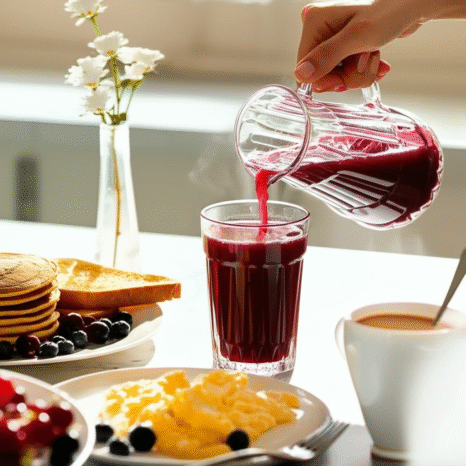
When it comes to unopened cranberry juice, the “best-by” or “sell-by” date on the packaging is your primary guide. However, it’s often safe to consume well past this date if stored properly.
The Best-By Date Explained
Manufacturers print a “best-by,” “best if used by,” or “sell-by” date on their products. This date indicates when the product is expected to be at its peak quality—flavor, texture, and nutritional content. It is not an expiration date in the strictest sense for many shelf-stable products like unopened cranberry juice.
For unopened cranberry juice stored in a cool, dark place, you can typically expect it to be good for:
- 12 to 18 months past the best-by date for 100% pure cranberry juice.
- 6 to 12 months past the best-by date for cranberry juice cocktails or blends.
It’s important to note that this is a general guideline. The actual quality might slowly diminish over time, but the juice should remain safe to drink if it hasn’t been compromised.
Optimal Storage for Unopened Juice
To maximize the shelf life of your unopened cranberry juice, follow these storage tips:
- Cool and Dark: Store it in a pantry or cupboard away from direct sunlight and heat sources like ovens or radiators. Ideal temperatures are between 50-70°F (10-21°C).
- Stable Temperature: Avoid areas with significant temperature fluctuations.
- Avoid Freezing: While freezing won’t necessarily spoil the juice, it can alter its texture and may cause the container to burst.
If you find a carton that’s been in your pantry for a while, don’t automatically toss it. A quick visual and olfactory check can tell you a lot. Look for any signs of damage to the carton, swelling, or leaks. If the seal is intact and the carton looks normal, give it a sniff once opened. If it smells off, it’s best to discard it.
Cranberry Juice Once Opened: The Refrigeration Factor
Once you break the seal and expose the cranberry juice to air, its shelf life dramatically decreases. Refrigeration becomes essential to slow down bacterial growth and preserve freshness.
Refrigerated Shelf Life Guidelines
After opening, cranberry juice should be stored in the refrigerator. For most types of cranberry juice, including 100% juice and juice cocktails, the general rule is:
- 7 to 10 days in the refrigerator.
Some sources suggest it might be good for up to 2 weeks, but for optimal taste and safety, sticking to the 7-10 day window is a good practice. This timeframe ensures that the flavor remains good and the risk of spoilage is minimal.
Tips for Storing Opened Cranberry Juice
To get the most out of your opened cranberry juice, follow these simple refrigeration tips:
- Seal Tightly: Always reseal the carton or bottle tightly after each use. If the original cap is lost, transfer the juice to an airtight container.
- Keep it Cold: Store the juice in the coldest part of your refrigerator, typically the back of a lower shelf, not in the door where temperatures fluctuate more.
- Avoid Cross-Contamination: Pour juice into a clean glass rather than drinking directly from the carton to prevent introducing bacteria.
- Watch for Signs of Spoilage: Even within the 7-10 day window, pay attention to how the juice looks, smells, and tastes.
If you’re a light drinker or often find yourself with half-used cartons, consider buying smaller containers or freezing portions of the juice in ice cube trays for later use in smoothies or as a flavor enhancer.
How to Tell If Cranberry Juice Has Gone Bad
Even with proper storage, cranberry juice can eventually spoil. Recognizing the signs of spoilage is crucial for avoiding potential health risks.
Visual Cues of Spoilage
The first indicators are often visual. Look for:
- Mold: Any visible fuzzy or discolored patches on the surface or inside the container.
- Cloudiness: While some 100% juices can be naturally cloudy, a sudden or significant increase in cloudiness, especially if accompanied by other signs, could indicate spoilage.
- Sediment: An unusual amount of sediment at the bottom might be a sign, though some natural settling can occur over time in 100% juices.
- Color Change: A noticeable darkening or browning could suggest oxidation or spoilage.
Smell and Taste Tests
Your nose and taste buds are powerful tools:
- Smell: Spoiled juice will often have a sour, fermented, or “off” odor. If it doesn’t smell fresh and fruity, it’s likely gone bad.
- Taste: If it looks and smells okay, take a tiny sip. A sour, fizzy, or unpleasant taste is a clear sign that the juice is no longer good. Do not consume if the taste is off.
When in doubt, it’s always better to err on the side of caution and discard the juice. Food safety is paramount, and the small cost of replacing a carton of juice is far less than the discomfort or illness caused by consuming spoiled food.
Cranberry Juice vs. Other Forms: What About Concentrates and Frozen?
Cranberry juice comes in various forms, and their shelf lives can differ. Understanding these variations helps you manage your pantry and fridge effectively.
Cranberry Juice Concentrate
Cranberry juice concentrate is a highly concentrated form of juice where most of the water has been removed. This process makes it more shelf-stable.
- Unopened: Unopened cranberry concentrate can last for a very long time, often several years, past its best-by date if stored in a cool, dark place.
- Opened: Once opened, it must be refrigerated and typically lasts for 1 to 2 months. Because it’s so concentrated, it’s more susceptible to microbial growth once diluted or exposed to air. Always follow the manufacturer’s specific instructions for opened concentrate.
Frozen Cranberry Juice
Freezing is an excellent method for long-term preservation of cranberry juice. This can be done with store-bought juice or homemade juice.
- Freezer Quality: Frozen cranberry juice can maintain good quality for 8 to 12 months.
- Safety: While it may remain safe to drink beyond this period, the quality (flavor and texture) may start to decline.
- Thawing: Thaw frozen juice in the refrigerator. Once thawed, it should be treated like freshly opened juice and consumed within 7 to 10 days.
Cranberry Juice Cocktails and Blends
These often contain added sugars, water, and other fruit juices. While the sugar content can act as a mild preservative, they generally have a slightly shorter shelf life than 100% pure juice, both unopened and opened.
- Unopened: Typically 6-12 months past the best-by date.
- Opened: Usually 7-10 days in the refrigerator, similar to pure juice.
The added ingredients can sometimes make them more susceptible to spoilage once opened compared to their pure counterparts.
The Science Behind Cranberry Juice’s Longevity
Cranberries are naturally endowed with properties that contribute to the long shelf life of their juice. Understanding these scientific aspects sheds light on why cranberry juice behaves the way it does.
Acidity and pH Levels
Cranberries are naturally acidic, containing compounds like citric acid and malic acid. This acidity contributes to a low pH level in the juice. A low pH environment is unfavorable for the growth of many common spoilage bacteria and pathogens. For instance, the USDA’s Food Safety and Inspection Service notes that acidic foods (pH below 4.6) generally don’t require refrigeration before opening and are less prone to bacterial growth.
The pH of cranberry juice typically falls within the range of 2.3 to 3.3, which is well within the acidic zone that inhibits microbial proliferation. This natural acidity is a key reason why shelf-stable cranberry juice can last so long unopened.
Antioxidants and Antimicrobial Properties
Cranberries are rich in antioxidants, particularly proanthocyanidins (PACs). While primarily known for their health benefits, some of these compounds may also possess mild antimicrobial properties. These properties can further help in preserving the juice by inhibiting the growth of certain bacteria.
Research into the specific antimicrobial effects of cranberry compounds is ongoing, but their inherent protective qualities contribute to the overall stability of the juice. This is why, even as quality might slightly wane over time, the juice remains safe for consumption for extended periods.
Cranberry Juice: Storage Table Summary
To help you quickly reference the information, here’s a table summarizing the shelf life of cranberry juice based on its condition and storage:
| Condition | Storage Location | Estimated Shelf Life (Past Best-By Date) | Notes |
|---|---|---|---|
| Unopened 100% Cranberry Juice | Cool, dark pantry (50-70°F / 10-21°C) | 12-18 months | Quality may slowly decline. |
| Unopened Cranberry Juice Cocktail/Blend | Cool, dark pantry (50-70°F / 10-21°C) | 6-12 months | Sugar content may affect long-term quality. |
| Opened Cranberry Juice (Any Type) | Refrigerator (below 40°F / 4°C) | 7-10 days | Must be tightly sealed. |
| Unopened Cranberry Concentrate | Cool, dark pantry | Several years | Follow manufacturer’s guidance. |
| Opened Cranberry Concentrate | Refrigerator | 1-2 months | Must be tightly sealed. |
| Frozen Cranberry Juice (in freezer) | Freezer (-0°F / -18°C) | 8-12 months (for quality) | Remains safe longer, but quality degrades. |
| Thawed Cranberry Juice | Refrigerator | 7-10 days | Treat as freshly opened. |
Frequently Asked Questions About Cranberry Juice Shelf Life
Q1: Can I drink cranberry juice past its expiration date?
For unopened cranberry juice, the “best-by” date is about quality, not strict expiration. It’s often safe to drink 12-18 months past this date if stored properly in a cool, dark place. However, always check for signs of spoilage like mold, off smells, or strange tastes before consuming.
Q2: What happens if I drink spoiled cranberry juice?
Drinking spoiled cranberry juice can lead to foodborne illness, causing symptoms like nausea, vomiting, diarrhea, and stomach cramps. The risk depends on the type of spoilage organism present and how long the juice has been bad.
Q3: Does cranberry juice need to be refrigerated after opening?
Yes, absolutely. Once opened, cranberry juice is exposed to air and potential contaminants, allowing bacteria to grow. Refrigeration is crucial to slow this process down and keep the juice safe and fresh for consumption within its recommended period.
Q4: How long does homemade cranberry juice last?
Homemade cranberry juice, especially if not pasteurized, has a much shorter shelf life. If refrigerated, it should typically be consumed within 5 to 7 days. It’s best to make smaller batches and consume them quickly.
Q5: Can I freeze cranberry juice to make it last longer?
Yes, freezing is a great way to extend the life of cranberry juice. While it’s best for quality for about 8-12 months in the freezer, it remains safe to drink for longer. Remember to thaw it in the refrigerator and consume it within 7-10 days after thawing.
Q6: Is it okay if my unopened cranberry juice carton is slightly puffed out?
A slightly puffed-out carton can be a sign of spoilage. It might indicate that gases produced by microbial activity are building up inside. It’s best to avoid consuming juice from a puffed carton and discard it safely.
Conclusion: Enjoying Your Cranberry Juice with Confidence
Understanding the shelf life of cranberry juice, both unopened and opened, empowers you to make informed decisions in your kitchen. The natural acidity and processing methods of cranberry juice grant it an impressive longevity, especially when stored correctly. Unopened, it can remain a good quality beverage for well over a year past its best-by date, offering convenience and value.
Once opened, however, the clock starts ticking faster. Prompt refrigeration and a 7-10 day consumption window are key to enjoying its fresh, tart flavor and ensuring it remains safe to drink. By paying attention to storage conditions, visual cues, and the best-by dates, you can confidently manage your cranberry juice supply, minimize waste, and savor its benefits without worry. So, next time you reach for that glass of cranberry goodness, you’ll know exactly how long it’s been good for!
smartblander.com is a participant in the Amazon Services LLC Associates Program, an affiliate advertising program. As an Amazon Associate, we earn from qualifying purchases made through our links.
