

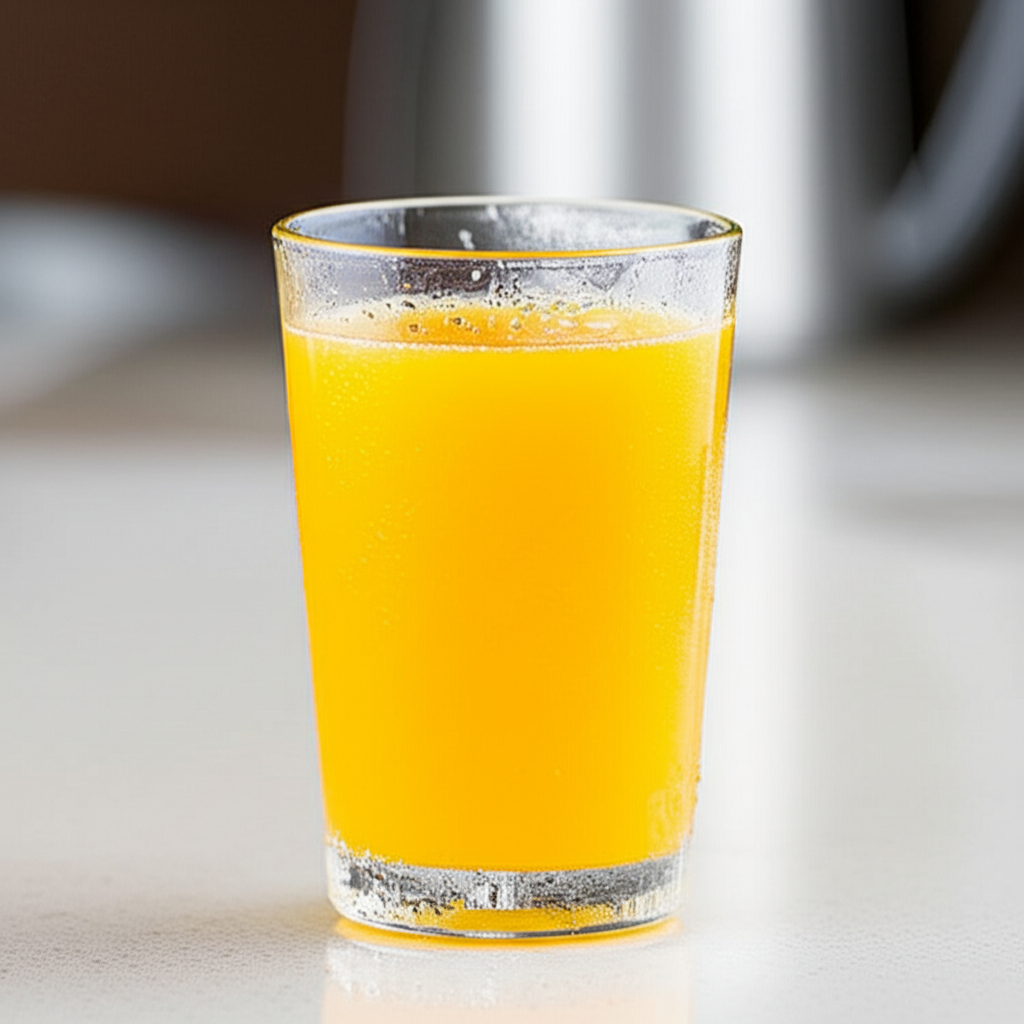
Once opened, fresh, homemade orange juice typically lasts 2 to 3 days in the refrigerator. Store-bought, pasteurized orange juice can last 7 to 10 days after opening when refrigerated, but always check the carton’s expiration date. Proper storage is key to maintaining freshness and flavor.
Key Takeaways
- Refrigerate opened orange juice immediately.
- Homemade juice lasts 2-3 days.
- Store-bought juice lasts 7-10 days.
- Check expiration dates on cartons.
- Use airtight containers for storage.
- Discard if it smells or tastes off.
Welcome to the bright world of fresh orange juice! You’ve just squeezed some vibrant, delicious juice, bursting with sunshine and vitamin C. But a common question pops up: how long does orange juice last once opened? It’s a puzzle many home juicing beginners face. You want to enjoy every last drop of your healthy creation, but you also want to stay safe and savor that amazing flavor. Don’t worry, understanding the shelf life of your freshly squeezed citrus is simpler than you think. Let’s unlock the secrets to keeping your orange juice wonderfully fresh and tasty.
Understanding Orange Juice Shelf Life: Fresh vs. Store-Bought
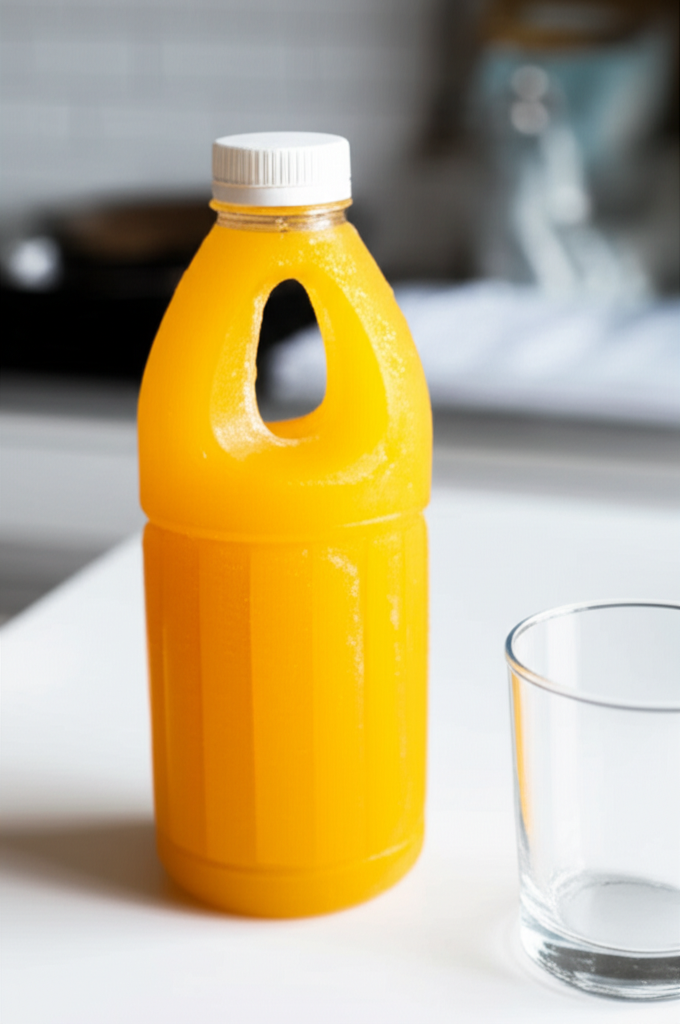
The lifespan of your orange juice hinges on one major factor: whether it’s freshly squeezed at home or purchased from the grocery store. This distinction is crucial for safety and taste. Freshly squeezed juice is a raw, unpasteurized product, meaning it hasn’t undergone any heat treatment to kill bacteria. Store-bought juice, on the other hand, is often pasteurized, a process that significantly extends its shelf life.
Freshly Squeezed Orange Juice: The Golden Rule
When you juice oranges yourself, you’re getting the purest form of this beloved beverage. This means it’s packed with maximum vitamins and enzymes. However, this also means it’s more susceptible to spoilage. Think of it like fresh produce; it’s alive and needs careful handling. The natural sugars and moisture in fresh juice create a perfect environment for bacteria to grow if not stored properly. This is why refrigeration is not just a suggestion, but a necessity.
Why Does Fresh Juice Spoil Quickly?
Several factors contribute to the shorter shelf life of homemade orange juice:
- Natural Sugars: Oranges are rich in natural sugars, which are a food source for microorganisms.
- Lack of Preservatives: Unlike many commercial juices, fresh juice contains no artificial preservatives to inhibit bacterial growth.
- Enzymatic Activity: Natural enzymes in the juice continue to work, affecting flavor and texture over time.
- Environmental Contamination: Even with clean hands and equipment, microscopic bacteria can be introduced during the juicing process.
To maximize the freshness of your homemade elixir, always use clean equipment and store it in an airtight container. Even then, the clock starts ticking the moment it’s squeezed. The general consensus for the best flavor and safety is to consume it within 2 to 3 days. After this period, while it might not be immediately harmful, the taste will likely have degraded, and the risk of bacterial growth increases.
Store-Bought Orange Juice: The Science of Shelf Stability
Commercial orange juice undergoes processing to make it last much longer. The most common method is pasteurization, a controlled heating process that kills harmful bacteria and extends the product’s shelf life. This makes store-bought orange juice a convenient option for those who want a longer-lasting juice.
Pasteurization and Its Impact
Pasteurization involves heating the juice to a specific temperature for a set amount of time. This process effectively neutralizes most of the microorganisms that cause spoilage and illness. As a result, unopened cartons of pasteurized orange juice can sit on your shelf for months, and once opened, they have a considerably longer life than their fresh counterparts.
It’s important to distinguish between different types of store-bought orange juice:
- 100% Orange Juice (Pasteurized): This is the most common type. Once opened, it typically lasts 7 to 10 days in the refrigerator.
- Not From Concentrate (NFC): This juice is often pasteurized but not concentrated, meaning it’s closer to fresh juice but still processed for shelf life. Its opened shelf life is similar to regular pasteurized juice.
- From Concentrate: Water is removed to create a concentrate, then water is added back. This process also involves pasteurization and has a similar opened shelf life.
- “Fresh” or “Chilled” Juices (often found in the refrigerated section): These juices are usually pasteurized and are intended to be consumed relatively quickly after opening, similar to regular pasteurized juice.
- Unpasteurized/Raw Juices: Some specialty stores may offer unpasteurized juice. These should be treated like homemade juice and consumed within 2-3 days after opening.
Always refer to the “best by” or “expiration” date on the packaging, as this is the manufacturer’s guideline for optimal quality. Once opened, proper refrigeration is still key to maintaining its quality and safety.
Factors Affecting Orange Juice Shelf Life
Beyond the initial processing, several factors can influence how long your orange juice remains good to drink. Understanding these elements will help you make informed decisions about storage and consumption.
1. Storage Temperature
This is arguably the most critical factor. Refrigeration slows down the growth of bacteria and other microorganisms. The colder the juice, the slower spoilage will occur. The ideal temperature for storing any type of opened orange juice is below 40°F (4°C).
Temperature’s Role in Preservation
- Below 40°F (4°C): Bacterial growth is significantly inhibited, preserving freshness and safety.
- Between 40°F and 60°F (4°C and 15°C): Bacteria multiply more rapidly, leading to faster spoilage.
- Above 60°F (15°C): Spoilage can occur very quickly, sometimes within hours.
Ensure your refrigerator is set to the correct temperature. A simple refrigerator thermometer can confirm this. Also, avoid storing juice in the refrigerator door, where temperatures fluctuate the most due to opening and closing.
2. Container Type and Seal
The container your orange juice is stored in plays a vital role in maintaining its quality. An airtight seal prevents contamination from airborne bacteria and helps retain the juice’s freshness and aroma. It also prevents oxidation, which can lead to off-flavors.
Best Practices for Containers
- Original Carton: If it’s a store-bought carton, re-sealing it as tightly as possible is the first step. Many cartons have a resealable spout.
- Glass or Food-Grade Plastic Bottles: For homemade juice or transferring store-bought juice, use clean, clear glass or food-grade plastic bottles with tight-fitting lids.
- Airtight Lids: Ensure the lid creates a proper seal. For jars, a rubber gasket is ideal.
- Minimize Air Exposure: If you have a large amount of juice and are worried about air, consider pouring it into smaller containers to reduce the headspace (air) above the liquid.
Never store juice in an open container. This invites contaminants and allows volatile aromatic compounds to escape, diminishing the flavor.
3. Exposure to Light and Air
Light, especially direct sunlight, can degrade the vitamins in orange juice, particularly vitamin C. Air (oxygen) can cause oxidation, leading to a stale taste and loss of flavor. Minimizing exposure to both is key to preserving your juice.
Mitigating Light and Air Damage
- Store in the Dark: Keep your juice in the darkest part of the refrigerator, away from the light.
- Opaque Containers: While less common for orange juice, opaque containers can further protect against light.
- Fill Containers: As mentioned, filling containers to the brim reduces the amount of air that can interact with the juice.
4. Pulp Content
The presence of pulp can sometimes affect the perceived freshness and texture of orange juice. While pulp contains beneficial fiber, it can also potentially harbor bacteria slightly more than clear juice. However, for most practical purposes, the impact of pulp on shelf life is minimal compared to temperature and sealing.
How to Tell if Orange Juice Has Gone Bad
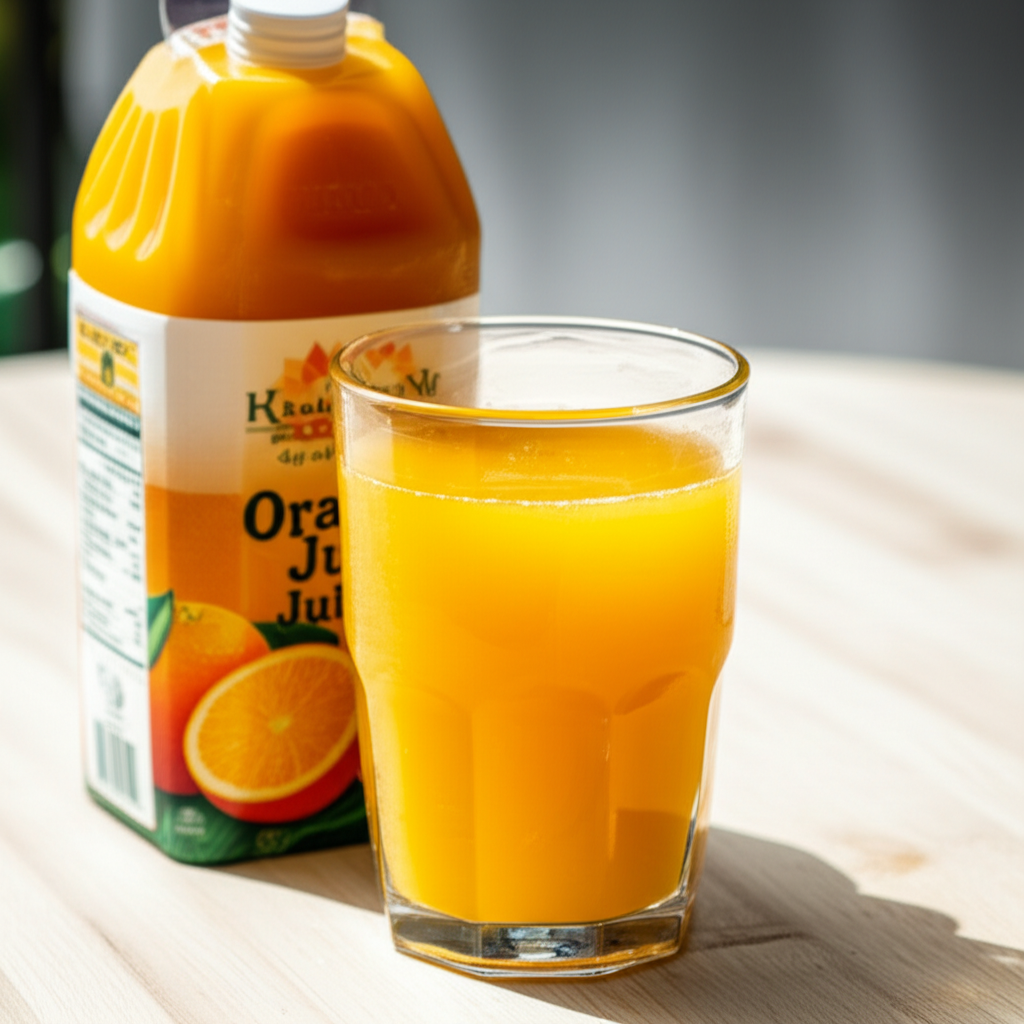
Your senses are your best tools when it comes to determining if orange juice is still good. Don’t rely solely on dates, especially for homemade juice. Trust your eyes, nose, and taste buds.
Visual Cues: What to Look For
Changes in appearance are often the first sign of spoilage. Keep an eye out for:
- Cloudiness: While some juices are naturally cloudy, a sudden increase in cloudiness or the appearance of a murky layer could indicate bacterial growth.
- Mold: Any visible mold on the surface or around the lid is a definitive sign that the juice is spoiled and should be discarded immediately.
- Discoloration: A significant change in color, such as browning or a dulling of the vibrant orange hue, can suggest oxidation or spoilage.
Olfactory Clues: The Smell Test
The aroma of your orange juice can tell you a lot. Fresh orange juice has a bright, citrusy scent. If you notice any of the following smells, it’s time to pour it out:
- Sour or Fermented Odor: This is a strong indicator of bacterial activity.
- Alcoholic or Vinegary Smell: These smells suggest that the sugars in the juice have started to ferment.
- Unpleasant or “Off” Smells: If it doesn’t smell fresh and zesty, it’s best to err on the side of caution.
Gustatory Clues: The Taste Test (Use with Caution)
If the visual and olfactory tests don’t reveal any obvious spoilage, a small taste can be the final confirmation. However, if you have any doubts, skip this step and discard the juice. When tasting:
- Take a Small Sip: Do not gulp it down.
- Look for Off-Flavors: A sour, bitter, metallic, or fermented taste is a clear sign of spoilage.
- Fizzy or Carbonated: A slight fizziness might indicate early fermentation, even if it smells okay.
Remember, it’s always better to be safe than sorry. If in doubt, throw it out!
Storing Different Types of Orange Juice: A Quick Guide
To make it even easier, here’s a handy reference table for storing various types of orange juice. This guide focuses on opened juice and assumes proper refrigeration.
| Type of Orange Juice | Opened Shelf Life (Refrigerated) | Storage Container Recommendation | Key Considerations |
|---|---|---|---|
| Freshly Squeezed (Homemade) | 2-3 days | Airtight glass or food-grade plastic container | Consume quickly; very susceptible to spoilage. |
| Store-Bought, Pasteurized (100% OJ) | 7-10 days | Original carton or airtight container | Check expiration date; refrigerate promptly. |
| Not From Concentrate (NFC) – Pasteurized | 7-10 days | Original carton or airtight container | Similar to 100% OJ; pasteurization extends life. |
| From Concentrate – Pasteurized | 7-10 days | Original carton or airtight container | Shelf life is comparable to other pasteurized juices. |
| “Fresh” or Chilled Juices (Refrigerated Section) | 7-10 days | Original carton or airtight container | Always keep refrigerated; treat as perishable. |
| Unpasteurized/Raw Juice (Specialty) | 2-3 days | Airtight glass or food-grade plastic container | Handle with extreme care; similar to homemade. |
This table provides a general guideline. Always trust your senses and the expiration date for store-bought options. The National Center for Home Food Preservation offers excellent resources on safe food handling and storage practices for various foods, including juices.
Pro Tips for Maximizing Orange Juice Freshness
Want to keep your orange juice tasting its best for as long as possible? Here are some insider tips from a juicing enthusiast:
Pro Tip: For homemade orange juice, consider adding a small amount of lemon or lime juice. The natural acidity can act as a mild preservative, potentially extending its freshness by a day. Plus, it adds a delightful tangy complexity to the flavor!
The Benefits of Fresh Orange Juice
Beyond just its delightful taste and refreshing qualities, orange juice is a powerhouse of nutrients. Understanding these benefits can inspire you to make it a regular part of your diet. Freshly squeezed orange juice is particularly prized for its:
- Vitamin C Content: Oranges are famous for their high vitamin C content, a potent antioxidant that supports the immune system, skin health, and wound healing. A single cup of orange juice can provide more than your daily recommended intake.
- Potassium: This mineral is essential for maintaining healthy blood pressure and fluid balance in the body.
- Folate: Important for cell growth and metabolism.
- Flavonoids: These plant compounds have antioxidant and anti-inflammatory properties, which may contribute to long-term health benefits.
While store-bought juices are often fortified with calcium and vitamin D, fresh juice offers these nutrients naturally. The U.S. Department of Agriculture (USDA) provides extensive nutritional data on oranges and their juices, highlighting these valuable components.
Common Mistakes to Avoid When Storing Orange Juice
Even with the best intentions, a few common missteps can lead to prematurely spoiled juice. Being aware of these pitfalls can help you preserve your precious liquid gold.
- Leaving it at Room Temperature: This is the biggest no-no. Never leave freshly squeezed or opened store-bought juice out on the counter for extended periods. Bacteria thrive in the “danger zone” (between 40°F and 140°F or 4°C and 60°C).
- Not Sealing the Container Properly: A loosely capped bottle or a poorly closed carton allows air and contaminants in, speeding up spoilage and affecting flavor.
- Using Dirty Containers: Always ensure your storage containers are thoroughly washed and dried before use to prevent introducing new bacteria.
- Ignoring Expiration Dates: While dates are a guide, they are most relevant for unopened, processed juices. For opened juice, always rely on your senses first, but don’t push the limits of the suggested opened shelf life.
- Freezing Orange Juice: While you can freeze orange juice for longer storage, it can affect the texture and flavor upon thawing. It may become watery and less vibrant. If you must freeze, use freezer-safe containers and leave headspace for expansion. Thawed juice should be consumed within a day or two.
Frequently Asked Questions About Orange Juice Shelf Life
Q1: Can I drink orange juice that has passed its expiration date?
For store-bought pasteurized juice, a few days past the “best by” date might be okay if it has been stored properly and shows no signs of spoilage. However, always use your senses (smell, sight, taste) to check. For fresh, unpasteurized juice, stick strictly to the 2-3 day rule after opening or juicing. If it smells or looks off, discard it.
Q2: How should I store homemade orange juice if I can’t drink it right away?
Store homemade orange juice immediately in an airtight glass or food-grade plastic container in the coldest part of your refrigerator. Consume it within 2 to 3 days for the best quality and safety. For longer storage, consider freezing it in appropriate containers.
Q3: Does leaving the pulp in affect how long orange juice lasts?
The pulp itself doesn’t significantly shorten the shelf life compared to other factors like temperature and sealing. However, it might slightly increase the surface area for potential bacterial growth. The main determinant remains proper refrigeration and airtight storage.
Q4: What happens if I drink spoiled orange juice?
Drinking spoiled orange juice can lead to foodborne illness. Symptoms may include nausea, vomiting, diarrhea, and stomach cramps. The severity depends on the type and amount of bacteria present and your individual health. It’s always best to avoid consuming juice that shows signs of spoilage.
Q5: Can I freeze orange juice to make it last longer?
Yes, you can freeze orange juice. For best results, use freezer-safe containers and leave about an inch of headspace for expansion. While freezing preserves the juice, the texture and flavor may change slightly upon thawing. Thawed juice should be consumed within 1-2 days and kept refrigerated.
Q6: How long does freshly squeezed orange juice last in a sealed mason jar?
When stored in a clean, airtight mason jar and kept in the refrigerator, freshly squeezed orange juice should still be consumed within 2 to 3 days. The mason jar provides a good seal, but the lack of pasteurization is the primary factor limiting its shelf life.
Conclusion
Navigating the shelf life of orange juice, whether freshly squeezed or store-bought, is straightforward once you understand the key principles. Freshly made juice is a fleeting delight, best enjoyed within 2 to 3 days when refrigerated in an airtight container. Store-bought, pasteurized varieties offer more convenience, typically lasting 7 to 10 days after opening under the same proper storage conditions. Always prioritize safety by checking for visual cues, smells, and tastes that indicate spoilage. By following these simple guidelines, you can confidently enjoy the bright, refreshing, and healthy benefits of orange juice, ensuring every sip is as delicious and safe as the first.
smartblander.com is a participant in the Amazon Services LLC Associates Program, an affiliate advertising program. As an Amazon Associate, we earn from qualifying purchases made through our links.
