

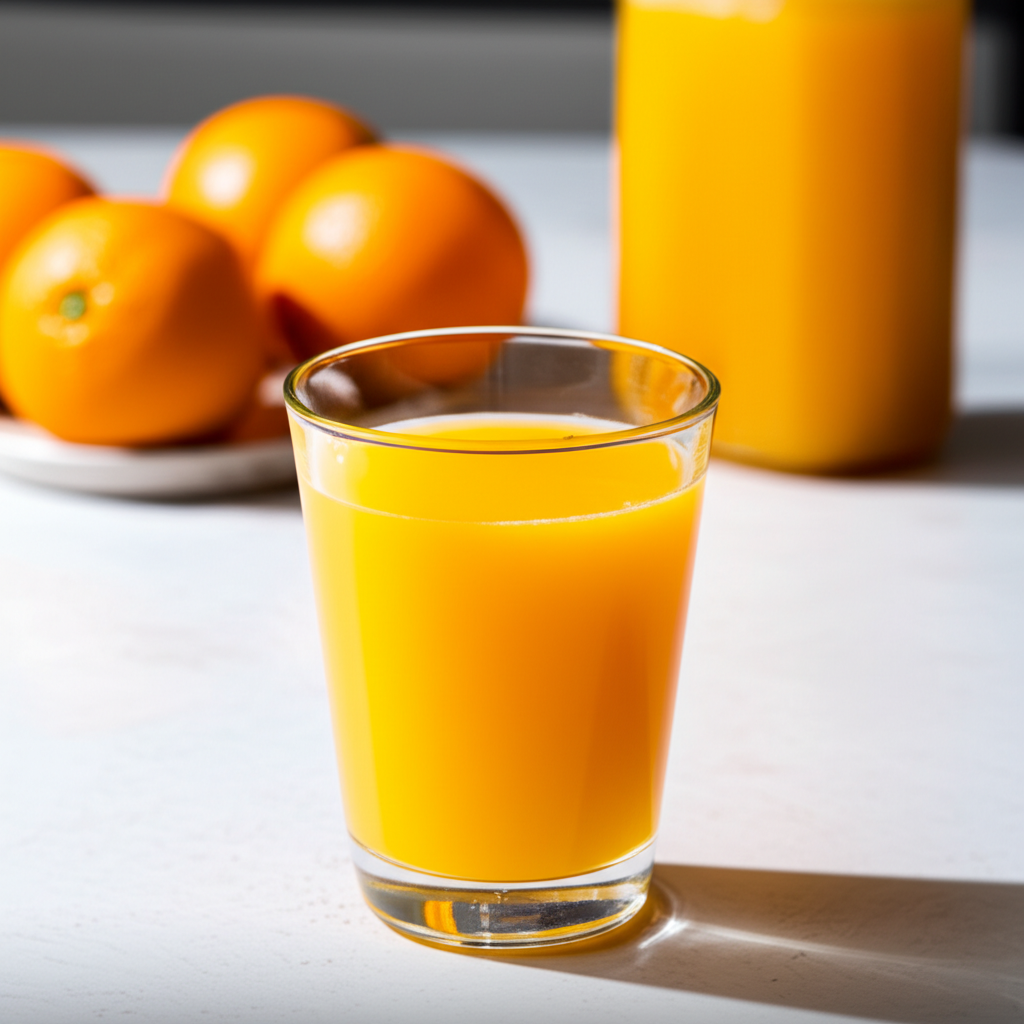
You can safely leave freshly squeezed orange juice out for a very short time. Generally, it’s best to refrigerate it within 2 hours to prevent bacterial growth and maintain its fresh taste and nutrients. Don’t risk spoilage!
Key Takeaways
- Refrigerate fresh orange juice within 2 hours.
- Room temperature orange juice spoils quickly.
- Pasteurized juice has a longer shelf life.
- Proper storage preserves nutrients and flavor.
- Avoid leaving juice out overnight.
- Taste and smell can indicate spoilage.
How Long Can Orange Juice Sit Out? The Shocking Truth!
Ever wondered how long that delicious, freshly squeezed orange juice can hang out on the counter before it’s no longer safe or tasty? It’s a common question for anyone who loves that bright, citrusy goodness. Many of us pour a glass and then get busy, forgetting about it for a while. This can be a big mistake! The truth about how long orange juice can sit out might surprise you, and understanding it is key to enjoying its health benefits and vibrant flavor. Let’s dive into the science and practical tips to keep your juice fresh and safe.
Why Does Orange Juice Go Bad?
Orange juice, especially when freshly squeezed, is a living thing in a way. It’s packed with natural sugars, vitamins, and water. These are perfect ingredients for tiny organisms to thrive. When orange juice sits at room temperature, bacteria and other microbes that are naturally present or introduced during juicing can start to multiply rapidly. This isn’t just about taste; it’s a safety issue.
The sugars in the juice provide food for these microbes. As they eat, they produce waste products, which can lead to off-flavors, a sour smell, and potentially harmful toxins. The warmth of room temperature significantly speeds up this process. Think of it like leaving milk out on a hot day – it spoils much faster than when it’s cold.
Even commercially produced orange juice, which is often pasteurized, has its limits when left out. Pasteurization is a process that heats the juice to kill most harmful bacteria. However, once the seal is broken or if the juice is exposed to warmth for too long, those surviving microbes, or new ones, can start to grow again.
The 2-Hour Rule: Your Golden Guideline
The most critical piece of advice for any perishable food, including fresh orange juice, is the 2-hour rule. This guideline comes from food safety experts and is widely recommended by organizations like the U.S. Department of Agriculture (USDA). If your orange juice has been sitting at room temperature (above 40°F or 4°C) for more than two hours, it’s generally considered unsafe to drink.
Why two hours? This is the maximum time that perishable foods can safely remain in the “danger zone” – the temperature range between 40°F and 140°F (4°C and 60°C) where bacteria multiply most rapidly. After two hours in this zone, the number of bacteria can increase to levels that could make you sick.
If the temperature is higher, such as in a hot car or on a warm summer day (above 90°F or 32°C), the safe time is even shorter – down to just one hour. This is why it’s crucial to be mindful of the environment your juice is in.
Freshly Squeezed vs. Store-Bought Orange Juice
There’s a significant difference in how long fresh, homemade orange juice and store-bought orange juice can last outside the refrigerator. This distinction is vital for understanding shelf life.
Freshly Squeezed Orange Juice
This is the star of your home juicing adventures! Made right from oranges, it’s packed with vitamins and vibrant flavor. However, it lacks preservatives and the extensive processing that store-bought versions undergo. This means:
- Shorter Shelf Life: Freshly squeezed juice is highly perishable.
- Nutrient Degradation: Vitamin C, a key nutrient, starts to degrade quickly once exposed to air and light.
- Bacterial Growth: Without pasteurization, any naturally occurring bacteria will multiply rapidly at room temperature.
For freshly squeezed juice, the 2-hour rule is paramount. Once juiced, it should be consumed promptly or refrigerated immediately. Even in the fridge, it’s best enjoyed within 24-48 hours for optimal taste and nutrient content.
Store-Bought Orange Juice
This category includes juices labeled as “from concentrate,” “not from concentrate,” and often those that are pasteurized or even “flash pasteurized” for a longer shelf life. Here’s what you need to know:
- Pasteurized Juice: This juice has been heated to kill most harmful bacteria. Once opened, it still needs refrigeration and will typically last about 7-10 days in the fridge. Unopened, it can last for months, depending on the expiration date. However, even pasteurized juice is not immune to spoilage if left out for extended periods.
- Not-From-Concentrate (NFC) Juice: Often considered fresher tasting, NFC juice is typically pasteurized but not concentrated and reconstituted. Its shelf life is similar to other pasteurized juices once opened.
- From Concentrate: This juice has had water removed to create a concentrate, then water is added back. It’s usually pasteurized and has a comparable shelf life to NFC juice once opened.
- High-Pressure Processing (HPP) Juice: Some newer brands use HPP instead of heat. This method preserves more nutrients and flavor but still requires refrigeration and has a limited shelf life, usually around 30-45 days unopened and 5-7 days once opened.
Even with these differences, the moment a store-bought juice is left out at room temperature, the clock starts ticking. The 2-hour rule still applies to opened containers of any type of juice.
Factors Affecting How Long Orange Juice Stays Fresh
Several elements influence how quickly orange juice goes from fresh and delicious to questionable and potentially unsafe.
Temperature
This is the biggest player. The warmer it is, the faster bacteria multiply. Room temperature (around 70-75°F or 21-24°C) is ideal for bacterial growth. If it’s a hot day (over 90°F or 32°C), bacteria can double their numbers in as little as 20 minutes. Cold temperatures, like those in a refrigerator (below 40°F or 4°C), significantly slow down this growth.
Exposure to Air and Light
Oxygen can cause oxidation, leading to a loss of vitamin C and changes in flavor. Light, especially sunlight, can also degrade nutrients and affect taste. This is why juice is often stored in opaque containers or cartons.
Initial Bacterial Load
How clean were the oranges? How clean was your juicer? Were your hands clean when you handled the juice? Any contaminants introduced during the juicing process will contribute to faster spoilage. Even commercially produced juices aren’t sterile; they just have significantly fewer bacteria due to processing.
Sugar Content
The natural sugars in orange juice are a food source for bacteria. While oranges have a moderate sugar content compared to some other fruits, it’s still enough to fuel microbial growth.
Signs Your Orange Juice Has Gone Bad
Your senses are your best defense against drinking spoiled juice. Before you take a sip, pay attention to these indicators:
Visual Clues
- Cloudiness: Fresh juice is usually clear or has a bit of pulp. If it becomes unusually cloudy or develops murky layers, it might be spoiling.
- Mold: Any visible fuzzy growth, regardless of color, means the juice is bad and should be discarded.
- Color Change: While minor color variations can occur, a significant darkening or unusual hue can be a sign of spoilage or oxidation.
Smell Test
- Sour or Fermented Odor: Fresh orange juice smells bright and citrusy. If it has a sour, vinegary, or yeasty smell, it has likely fermented and is spoiled.
- Off-Putting Aroma: Any smell that seems “off” or unpleasant is a warning sign.
Taste Test (Use Caution!)
If visual and smell tests don’t reveal obvious spoilage, a tiny sip can confirm. However, if you suspect spoilage, it’s best to err on the side of caution and not taste it.
- Sourness: A much more pronounced sourness than expected can indicate bacterial activity.
- Fizziness: Slight fizziness might occur due to fermentation, a sign that the juice is no longer fresh.
Never taste juice that shows clear signs of mold or a strong, foul odor.
Storing Orange Juice Safely: Best Practices
To keep your orange juice fresh and safe, follow these simple storage tips:
- Refrigerate Immediately: This is the golden rule. As soon as you’re done juicing, pour the juice into an airtight container and place it in the refrigerator.
- Use Airtight Containers: Glass or BPA-free plastic containers with tight-fitting lids are best. This minimizes exposure to air and prevents odors from other foods from contaminating the juice.
- Store in the Coldest Part of the Fridge: The back of the refrigerator, away from the door, is usually the coldest and most consistent temperature.
- Minimize Headspace: Fill your container as much as possible. Less air in the container means less oxidation.
- Keep Away from Light: Opaque containers or storing them in a dark cabinet within the fridge helps preserve nutrients.
- Label and Date: Always mark your container with the date you juiced it so you can keep track of its freshness.
Juicing Tools and Their Impact on Freshness
The type of juicer you use can even play a small role in how your juice holds up.
Centrifugal Juicers
These juicers spin rapidly, using centrifugal force to separate juice from pulp. They are fast and efficient but can introduce more air into the juice, leading to quicker oxidation. Juice from centrifugal juicers is best consumed immediately or refrigerated promptly.
Masticating (Slow) Juicers
These juicers use a slow-grinding or chewing motion. They tend to extract more juice and introduce less air, resulting in a juice that oxidizes more slowly. Juice from masticating juicers might retain its freshness slightly longer than juice from centrifugal juicers, but the 2-hour rule still applies for safety at room temperature.
Hydraulic Press Juicers
These are considered the gold standard for preserving nutrients and minimizing oxidation. They involve a two-step process: first grinding, then pressing the pulp under high pressure. The resulting juice has the longest shelf life when refrigerated, but it’s still best to consume it within 48-72 hours.
Nutritional Value and Shelf Stability
Orange juice is renowned for its high vitamin C content, a potent antioxidant. However, vitamin C is quite sensitive to light, heat, and air. This means that the nutritional powerhouse you extract can diminish over time, especially if the juice isn’t stored properly.
Here’s a quick look at how key nutrients can be affected:
| Nutrient | Sensitivity to Degradation | Impact of Improper Storage |
|---|---|---|
| Vitamin C | High (light, heat, air) | Rapid loss within hours of juicing, especially at room temperature. |
| Flavonoids | Moderate (light, air) | Gradual loss, affecting antioxidant properties. |
| Carotenoids (e.g., Beta-carotene) | Low to Moderate (light, heat) | More stable but can still degrade over time. |
| Sugars | N/A (can be converted by fermentation) | Can be converted into alcohol or acids by bacteria. |
This is why drinking your fresh orange juice as soon as possible after juicing is not just about taste, but also about maximizing its health benefits. The vibrant, nutrient-rich drink you aim for is at its peak right after extraction.
Pro Tip: The Fridge-to-Glass Method
For the freshest taste and maximum nutrients, always chill your oranges before juicing. Cold oranges yield colder juice, which slows down oxidation and bacterial growth from the moment it’s made. If you plan to drink your juice later in the day, prepare it, let it cool slightly, then immediately seal and refrigerate. Pouring cold juice directly into a chilled glass keeps it colder for longer when you’re ready to enjoy it.
What About Orange Juice in a Sealed Carton?
Unopened, commercially produced orange juice in a sealed carton is shelf-stable for a long time. This is due to the pasteurization process and the airtight packaging. Check the “best by” or “expiration” date on the carton for guidance.
However, once that carton is opened, it becomes perishable, just like freshly squeezed juice. The seal is broken, exposing the juice to air and potential contaminants. At this point, the 2-hour rule for leaving it at room temperature applies. Always refrigerate opened cartons of juice immediately.
Some cartons might be labeled “aseptically processed,” which means they are shelf-stable even after opening for a period, but this is less common for standard orange juice and more for specialty beverages. Always read the packaging for specific storage instructions.
Can You Drink Orange Juice Left Out Overnight?
The short and direct answer is: No, you should not drink orange juice that has been left out overnight.
As we’ve discussed, the 2-hour rule is a critical food safety guideline. Leaving juice out for 8, 10, or 12 hours allows ample time for bacteria to multiply to dangerous levels. Even if it doesn’t smell or taste overtly bad, it could harbor harmful pathogens that can cause foodborne illness.
The risks include:
- Bacterial Contamination: Pathogens like E. coli, Salmonella, or Listeria can grow, especially if there were any initial contaminants.
- Toxin Production: Some bacteria produce toxins that are not destroyed by refrigeration and can cause illness.
- Fermentation: The sugars in the juice can ferment, leading to an unpleasant taste and potentially gas production within the container.
It’s simply not worth the risk to your health. When in doubt, throw it out.
Frequently Asked Questions About Orange Juice Storage
Q1: How long does fresh-squeezed orange juice last in the refrigerator?
Fresh-squeezed orange juice is best consumed within 24-48 hours when stored properly in an airtight container in the refrigerator. After this period, nutrient content and flavor may decline.
Q2: Can I freeze orange juice?
Yes, you can freeze orange juice! Pour it into freezer-safe containers, leaving a little headspace for expansion. Frozen orange juice can last for several months. Thaw it in the refrigerator for best results.
Q3: Does adding pulp affect how long orange juice can sit out?
While pulp contains fiber and nutrients, it doesn’t significantly change the safety timeline. The sugars and water content are the primary factors. The 2-hour rule at room temperature still applies, whether the juice has pulp or not.
Q4: What happens if I drink spoiled orange juice?
Drinking spoiled orange juice can lead to foodborne illness. Symptoms can include nausea, vomiting, diarrhea, stomach cramps, and fever. It’s crucial to always check for signs of spoilage before consuming.
Q5: Is it safe to leave store-bought, unopened orange juice on the counter?
Yes, unopened, commercially produced orange juice in a sealed carton is shelf-stable and safe to leave on the counter until its expiration date. Once opened, it needs to be refrigerated and consumed within a few days, following the 2-hour rule if left at room temperature.
Q6: Can I reheat orange juice that has been left out?
Reheating orange juice that has been left out at room temperature for more than 2 hours will not make it safe. While heating can kill some bacteria, it will not destroy all harmful toxins that may have already formed. It’s best to discard it.
Conclusion: Prioritize Freshness and Safety
Understanding how long orange juice can sit out is essential for enjoying its vibrant taste and health benefits while staying safe. The golden rule is simple: refrigerate your freshly squeezed orange juice within 2 hours of juicing, and always discard it if it has been left at room temperature for longer, especially overnight. For store-bought juice, always check the packaging and follow the same 2-hour guideline once opened.
By following these straightforward tips, you can confidently create and enjoy delicious, nutrient-rich orange juice at home. Remember, a little mindfulness about storage can make a big difference in both flavor and your well-being. So, juice it, enjoy it, and store it right!
smartblander.com is a participant in the Amazon Services LLC Associates Program, an affiliate advertising program. As an Amazon Associate, we earn from qualifying purchases made through our links.
