

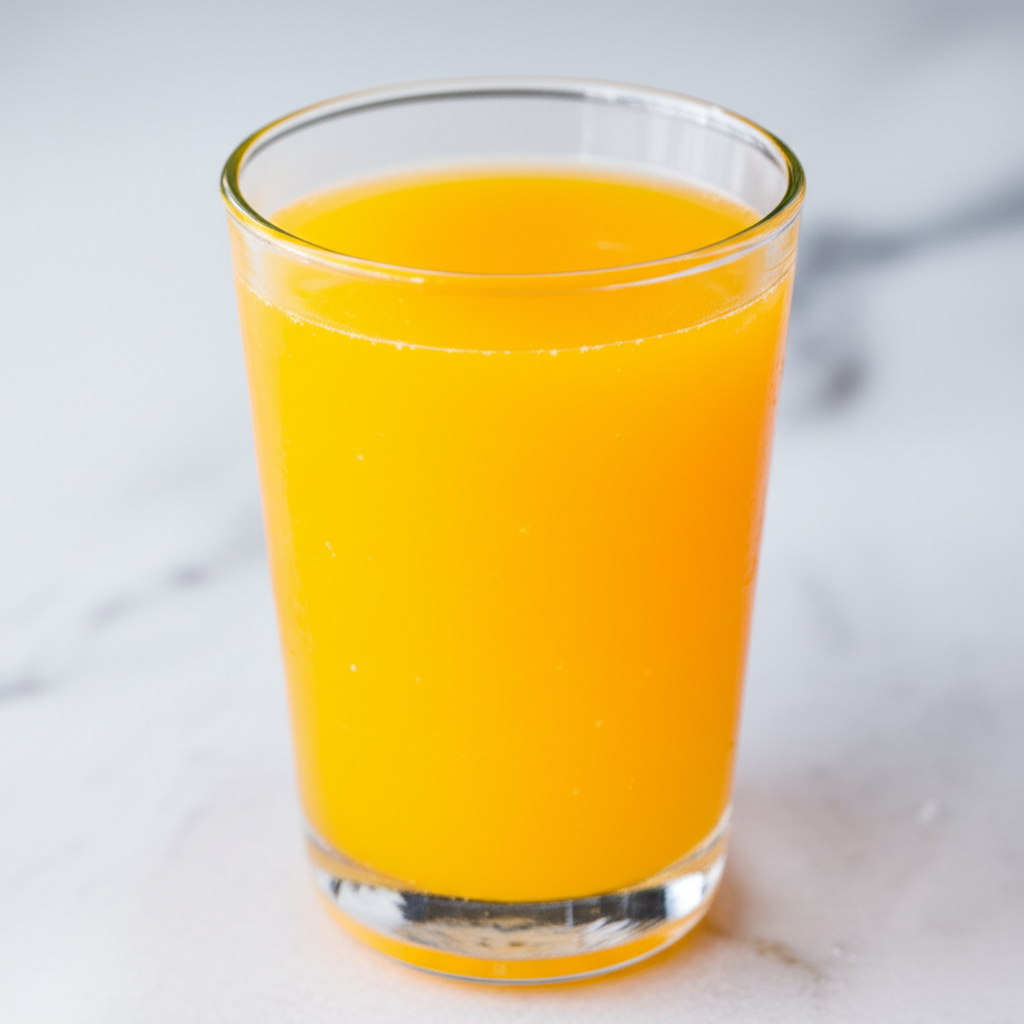
You can tell if orange juice is bad by looking for changes in its smell, color, taste, and texture. Signs of spoilage include a sour or fermented odor, mold growth, an off-color hue, and a fizzy or slimy consistency. Always check the expiration date and trust your senses to ensure freshness.
Key Takeaways
- Smell for sour or fermented odors.
- Look for mold or discoloration.
- Taste a tiny bit cautiously.
- Check for unusual fizzing or sliminess.
- Inspect the expiration date.
- Store juice properly to prevent spoilage.
How Can You Tell If Orange Juice Is Bad? Spot Spoilage Now!
Have you ever reached for a refreshing glass of orange juice, only to hesitate and wonder if it’s still good? It’s a common question, especially when dealing with fresh juices or those past their printed date. Orange juice, a beloved source of Vitamin C and a morning staple for many, can spoil. Knowing the signs helps you avoid a nasty surprise and ensures you’re enjoying a safe, delicious drink. This guide will walk you through everything you need to know to spot spoilage, keeping your kitchen fresh and your juice vibrant.
Let’s dive into how to confidently determine if your orange juice has gone bad, so you can always enjoy that sunny citrus goodness without a second thought.
Understanding Orange Juice Spoilage
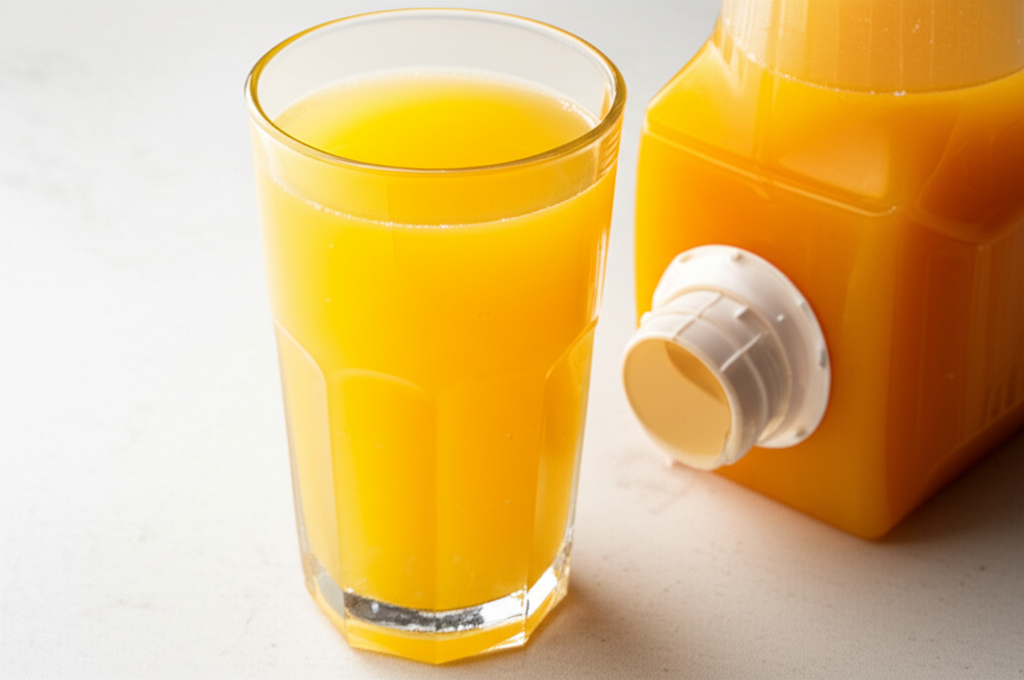
Orange juice is a natural product, and like all perishable foods, it has a shelf life. Once oranges are juiced, their natural sugars and acids become more exposed to the environment. This makes them susceptible to the growth of microorganisms such as bacteria, yeasts, and molds. These tiny organisms can alter the juice’s flavor, aroma, and texture, leading to spoilage. Factors like storage temperature, how long the juice has been open, and whether it’s pasteurized or fresh-squeezed all play a significant role in how quickly spoilage occurs.
Understanding these basic principles helps demystify why your juice might turn. It’s not magic; it’s science at play. By recognizing the indicators, you become an expert in your own kitchen, ensuring only the best makes it into your glass.
Key Indicators of Spoilage
Your senses are your best tools when it comes to detecting bad orange juice. Let’s break down the most reliable indicators you can observe.
1. The Smell Test: Your Nose Knows!
This is often the first and most obvious sign. Fresh orange juice has a bright, sweet, citrusy aroma. If your juice has gone bad, that pleasant smell will be replaced by something less inviting. You might notice:
- Sour or Vinegary Odor: This indicates fermentation, where yeasts have begun to break down the sugars.
- Alcoholic or Fermented Smell: Similar to the sour smell, this suggests the presence of alcohol produced by yeast.
- Moldy or Musty Smell: This is a clear sign of mold growth, which is unhealthy to consume.
If the smell is off in any way, it’s best to discard the juice. Trust your nose; it’s usually right!
2. Visual Inspection: What to Look For
A quick visual check can reveal a lot about the condition of your orange juice. Examine the juice itself and the container.
Signs on the Juice:
- Mold Growth: Look for fuzzy patches of any color (green, white, black) on the surface of the juice or around the rim of the container.
- Discoloration: While some pulp can affect color, a significant shift to a duller, browner, or grayish hue can indicate oxidation or spoilage.
- Cloudiness: While some juices are naturally cloudy, an unusual or excessive cloudiness that wasn’t there before can be a sign of microbial activity.
Signs on the Container:
- Bulging or Swollen Container: For cartons or plastic bottles, a swollen package can mean gas has built up inside due to fermentation. This is a serious warning sign.
- Leaking: If the container is leaking, it may have been compromised, allowing bacteria to enter.
3. Texture and Consistency Changes
The way the juice feels or pours can also tell a story about its freshness.
- Fizzing: If you open a container and hear or see fizzing that isn’t characteristic of carbonated juice, it’s a strong indicator of fermentation.
- Slimy or Gummy Texture: Fresh juice should be smooth. A slimy or viscous texture suggests bacterial growth.
- Separation: While some pulp separation is normal, if the juice appears unnaturally separated or has a thick layer at the bottom that doesn’t mix in easily, it could be a sign of spoilage.
4. The Taste Test (Use With Caution!)
If the smell and appearance haven’t raised major red flags, you might consider a small taste. However, this should be your last resort and done with extreme caution.
- Take a Tiny Sip: Do not gulp it down. Just a small taste is enough.
- Look for Off-Flavors: It should taste like oranges. If it’s sour, bitter, metallic, or just plain “off,” spit it out immediately and discard the rest.
- Avoid if Other Signs Exist: If you detected mold, a foul smell, or a bulging container, skip the taste test entirely.
Remember, even a small amount of spoiled food can make you sick. If in doubt, throw it out.
Factors Affecting Orange Juice Shelf Life
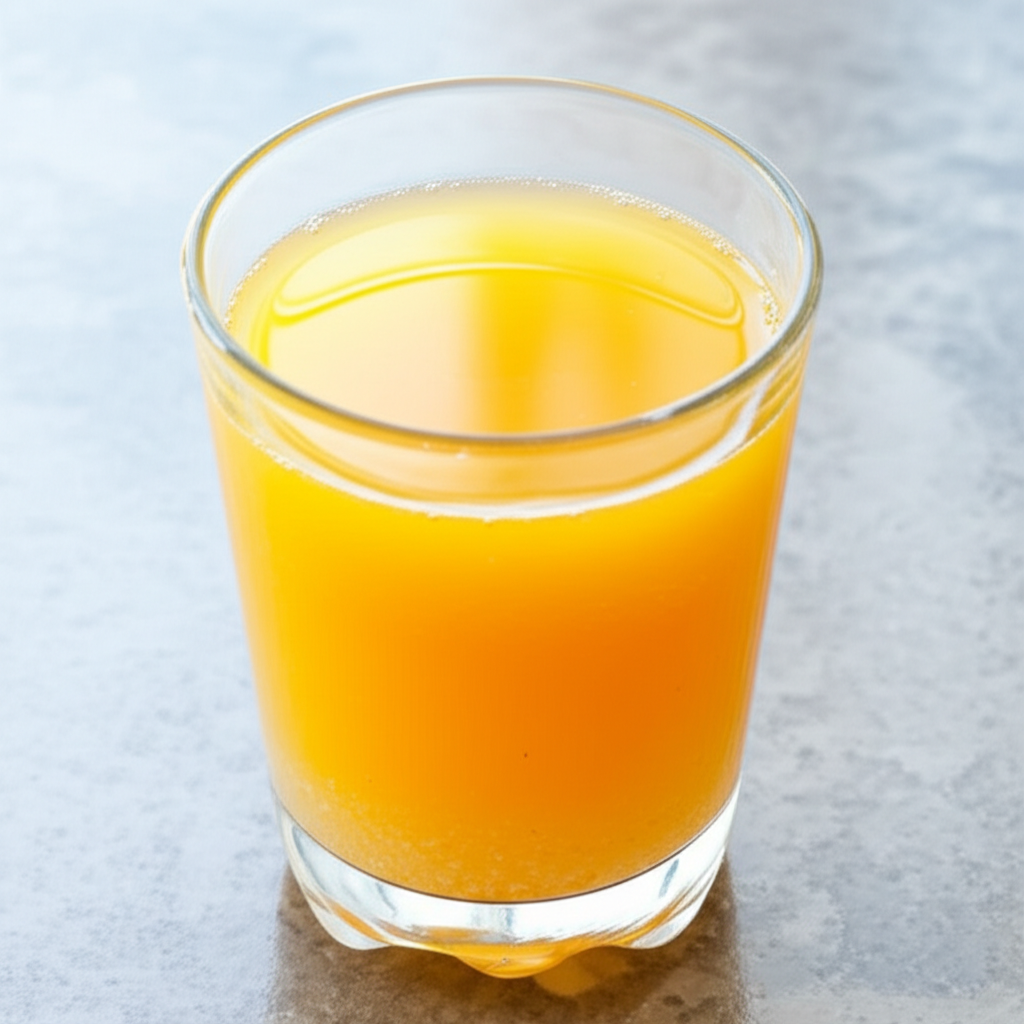
Several elements influence how long your orange juice remains fresh and safe to drink. Understanding these can help you manage your juice supply better.
Pasteurized vs. Fresh-Squeezed
This is a major differentiator. Pasteurized orange juice has undergone a heating process to kill harmful bacteria and extend its shelf life. Fresh-squeezed juice, made at home or from a local producer without pasteurization, is more perishable.
| Type of Juice | Shelf Life (Unopened) | Shelf Life (Opened) | Key Characteristics |
|---|---|---|---|
| Pasteurized Juice (e.g., most supermarket brands) | Several months to a year (check “best by” date) | 7-10 days (refrigerated) | Longer shelf life, typically less vibrant flavor, less Vitamin C. Available in refrigerated or shelf-stable forms. |
| Fresh-Squeezed Juice (homemade or unpasteurized) | 3-5 days (refrigerated) | 1-2 days (refrigerated) | Superior flavor and nutrient content, highly perishable. Must be refrigerated immediately. |
Storage Conditions
How you store your orange juice is critical. Refrigeration is key for most types.
- Temperature: Keep juice at or below 40°F (4°C). A consistent, cold temperature slows down microbial growth significantly. Avoid storing it in the refrigerator door, where temperatures fluctuate more.
- Airtight Seal: Once opened, always reseal the container tightly. Exposure to air can speed up oxidation and introduce contaminants.
Expiration Dates: What Do They Mean?
You’ll often see two types of dates on juice containers: “sell-by” and “best-by.”
- Sell-By Date: This date is for the retailer, indicating when the product should be sold. It doesn’t necessarily mean the product is unsafe after this date.
- Best-By Date (or Best Before): This date indicates when the product will have the best quality (flavor, texture). The juice is usually safe to consume for a short period after this date if stored properly and showing no signs of spoilage.
Always use your senses to assess quality, even if the best-by date hasn’t passed. Conversely, if the juice is well past its best-by date and shows signs of spoilage, it should be discarded.
When to Be Extra Cautious
Some situations warrant heightened vigilance regarding your orange juice.
Homemade Juices
Freshly squeezed juice is a nutritional powerhouse, but its lack of preservatives means it spoils much faster. Always make only what you can consume within a day or two, and refrigerate it immediately in a clean, airtight container. For more on making your own, check out these tips from the USDA on safe home food preservation.
Juice Left Out at Room Temperature
If your orange juice has been left out of the refrigerator for more than two hours (or one hour if the ambient temperature is above 90°F/32°C), it enters the “danger zone” for bacterial growth. According to the U.S. Food & Drug Administration (FDA), bacteria can multiply rapidly in this temperature range, making the juice unsafe to drink. It’s best to discard it to be safe.
After the “Best By” Date
While a few days past the “best by” date might be fine for pasteurized juice with no signs of spoilage, it’s a good cue to pay closer attention. For fresh-squeezed juice, even a day past its optimal window might mean it’s time to let it go.
Pro Tips for Storing and Enjoying Your Orange Juice
Pro Tip: Always store your orange juice upright in the coldest part of your refrigerator, typically the back of the middle or lower shelf. Avoid the door, as temperature fluctuations are most common there, which can impact freshness and accelerate spoilage.
Common Mistakes to Avoid
Preventing spoilage starts with smart habits. Here are some common mistakes beginners often make:
- Not Refrigerating Immediately: Leaving juice at room temperature for extended periods is a recipe for disaster.
- Leaving the Cap Off: Exposure to air and potential contaminants speeds up spoilage.
- Using Dirty Utensils: Dipping dirty spoons or cups into the juice can introduce bacteria.
- Ignoring the Expiration Date Entirely: While dates are guidelines, consistently ignoring them increases risk.
- Assuming All Juice is the Same: Not accounting for the difference between pasteurized and fresh-squeezed juice leads to unrealistic expectations about shelf life.
When in Doubt, Throw It Out!
This is the golden rule of food safety. If you have any lingering doubts about the freshness or safety of your orange juice, the most responsible action is to discard it. The cost of replacing a carton of juice is far less than the potential health risks associated with consuming spoiled food.
Frequently Asked Questions About Bad Orange Juice
Q1: Can drinking spoiled orange juice make me sick?
Yes, drinking spoiled orange juice can lead to foodborne illnesses. The bacteria, yeasts, or molds that cause spoilage can produce toxins or cause infections, resulting in symptoms like nausea, vomiting, diarrhea, and stomach cramps.
Q2: How long does fresh-squeezed orange juice last in the refrigerator?
Fresh-squeezed orange juice is highly perishable. It’s best consumed within 1 to 2 days of being made and stored properly in an airtight container in the refrigerator. After 2 days, the quality and safety may decline.
Q3: My orange juice tastes slightly bitter. Is it bad?
A slightly bitter taste can sometimes occur due to oxidation or the presence of certain compounds in the peel if too much rind was juiced. However, if the bitterness is strong or accompanied by other signs like a sour smell or mold, it’s likely spoiled and should be discarded.
Q4: Can I freeze orange juice to make it last longer?
Yes, you can freeze orange juice. Freezing significantly extends its shelf life. However, the texture and flavor may change slightly upon thawing. It’s best to freeze it in airtight containers, leaving some headspace for expansion. Thawed juice should be consumed within a few days.
Q5: What does it mean if my orange juice carton is puffed up?
A puffed-up or bulging carton of orange juice is a strong indicator of fermentation. Gas is being produced by microorganisms breaking down sugars. This signifies spoilage, and the juice should not be consumed.
Q6: Is it okay to drink orange juice a week after opening if it looks and smells fine?
For pasteurized orange juice, it might still be safe to drink a week after opening if it has been continuously refrigerated and shows no signs of spoilage. However, for the best quality and safety, it’s generally recommended to consume it within 7 days. For fresh-squeezed juice, a week is too long.
Q7: Are there any benefits to drinking slightly older, but not spoiled, orange juice?
While it’s always best to consume juice at its freshest for optimal nutrient content and flavor, drinking juice that is nearing its best-by date but still shows no signs of spoilage will not typically harm you. However, some of the more delicate nutrients, like Vitamin C, may have degraded slightly over time.
Conclusion: Enjoying Freshness with Confidence
Navigating the freshness of orange juice doesn’t have to be a mystery. By relying on your senses—sight, smell, and a cautious taste—and understanding the factors that influence spoilage, you can confidently enjoy your favorite citrus beverage. Remember to always check the expiration dates, store your juice properly, and be extra mindful of homemade or unpasteurized varieties. When in doubt, the safest bet is always to discard it. With these tips, you’re well-equipped to ensure every glass of orange juice you pour is as fresh, flavorful, and healthy as it should be. Cheers to your well-informed juicing adventures!
smartblander.com is a participant in the Amazon Services LLC Associates Program, an affiliate advertising program. As an Amazon Associate, we earn from qualifying purchases made through our links.
