

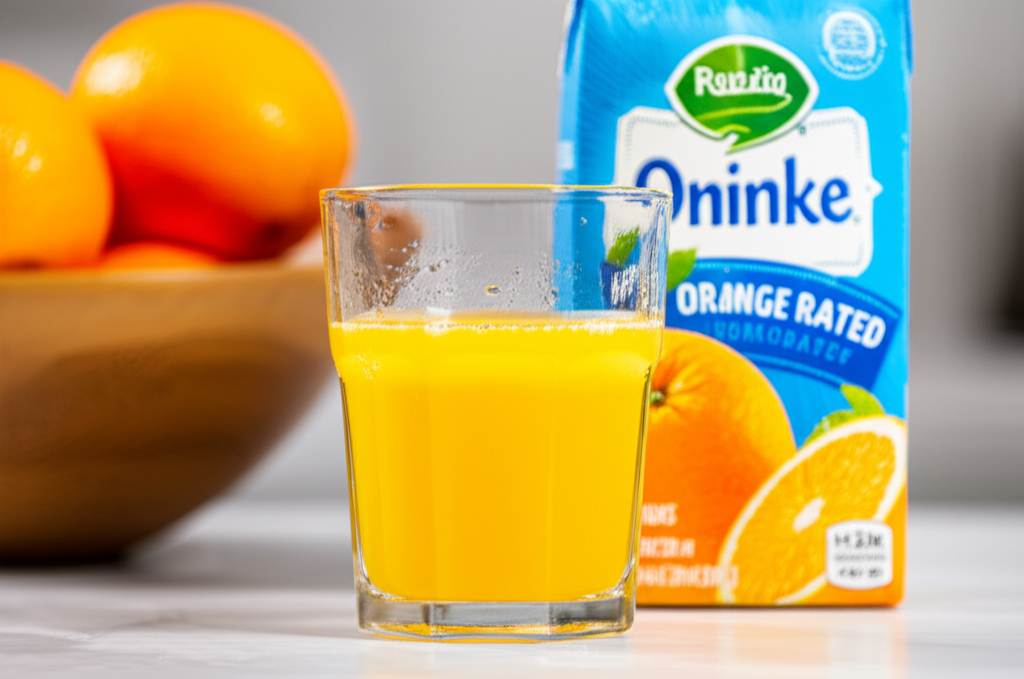
Yes, almost all orange juice, especially fresh or opened juice, absolutely needs to be refrigerated to maintain its freshness, flavor, and safety. Unrefrigerated orange juice can quickly spoil, losing its vibrant taste and potentially becoming a breeding ground for harmful bacteria. This essential guide will walk you through everything you need to know to keep your delicious orange juice perfect.
Key Takeaways
- Refrigerate freshly squeezed orange juice immediately.
- Store opened commercial orange juice in the fridge.
- Unopened shelf-stable juice doesn’t need chilling.
- Check the juice’s expiration and best-by dates.
- Discard juice with off-smells or strange textures.
- Proper storage preserves flavor and nutrients.
Does Orange Juice Need Refrigerated? Your Essential Guide
You’ve just squeezed a pitcher of bright, zesty orange juice. Or maybe you’ve opened a carton of your favorite store-bought brand. The question pops into your mind: does orange juice need to be refrigerated? It’s a common question, and the answer can be a little nuanced. But don’t worry, we’re here to clear up any confusion. Understanding how to store your orange juice correctly is key to enjoying its fresh, delicious taste and all its vitamin C benefits. Let’s dive into the simple steps that ensure your juice stays as vibrant as the day you made or bought it.
Freshly Squeezed vs. Store-Bought: The Storage Difference
The world of orange juice can seem vast, from the juice you make yourself in your kitchen to the cartons and bottles lining supermarket shelves. Each type has different storage needs. The most significant difference lies in the processing. Freshly squeezed juice is, well, fresh! It hasn’t undergone pasteurization or other treatments to extend its shelf life. Store-bought juice, on the other hand, often comes in two main categories: refrigerated and shelf-stable. Knowing these distinctions is the first step to proper storage.
Freshly Squeezed Orange Juice: Treat it Like a Fresh Fruit
When you make orange juice at home by hand or with a juicer, you’re essentially capturing the pure essence of the orange. This means it’s packed with natural enzymes and nutrients. However, this also means it’s highly perishable. Freshly squeezed orange juice does not contain preservatives or have the extended shelf life that pasteurized juices do. Therefore, it’s crucial to refrigerate it right away. Think of it like a fresh salad or cut fruit – it’s best enjoyed quickly and needs a cool environment to prevent rapid spoilage.
Why is immediate refrigeration so important for fresh juice? Bacteria are microscopic organisms that are naturally present in the environment, including on the surface of fruits. While oranges have a protective peel, once they are cut and juiced, these natural defenses are gone. In the absence of refrigeration, bacteria can multiply rapidly at room temperature. This can lead to:
- Spoilage: The juice can develop off-flavors, become fizzy, or even separate.
- Health Risks: Some bacteria, if allowed to grow unchecked, can cause foodborne illnesses.
- Nutrient Degradation: Vitamins, especially vitamin C, are sensitive to heat and light. Refrigeration helps slow down this degradation.
For the best taste and safety, aim to consume freshly squeezed orange juice within 24 to 48 hours of making it. Always store it in an airtight container in the coldest part of your refrigerator, typically the back. Avoid leaving it out on the counter for extended periods, even for just an hour or two. The moment you’re done juicing, get it into the fridge!
Store-Bought Orange Juice: Understanding the Labels
Commercial orange juice is processed to have a longer shelf life. However, how it’s processed determines whether it needs refrigeration before opening and after opening.
Refrigerated Orange Juice (Not From Concentrate)
This is often the type of orange juice you’ll find in the refrigerated section of your grocery store. It’s typically pasteurized, a process that involves heating the juice to kill harmful bacteria and extend its shelf life. However, this pasteurization is usually less intense than that used for shelf-stable products. Because it’s not treated for long-term ambient storage, it’s kept chilled in the store and must be refrigerated at home.
Before Opening: This type of juice should always be kept refrigerated. The packaging is designed to maintain its quality under cool conditions. If you see it unrefrigerated in the store, it’s likely a sign of a problem with the supply chain or storage. Always check the temperature of the refrigerated section.
After Opening: Once you open a carton or bottle of refrigerated orange juice, its shelf life significantly decreases. The act of opening introduces air and potential contaminants. It’s imperative to seal it tightly and return it to the refrigerator immediately. Typically, opened refrigerated orange juice is good for about 5 to 7 days when stored properly. Some brands might specify a shorter period on their packaging, so it’s always best to follow their guidelines.
Shelf-Stable Orange Juice (From Concentrate)
This is the orange juice that you might see sitting on unrefrigerated shelves in your supermarket. It’s usually made from concentrate and has undergone a more robust pasteurization process, often UHT (Ultra-High Temperature) treatment. This process kills virtually all microorganisms, allowing the juice to remain stable at room temperature for extended periods.
Before Opening: Shelf-stable orange juice does not require refrigeration before it’s opened. This is why it can be stored in your pantry. It’s a convenient option for stocking up and having juice readily available without taking up refrigerator space.
After Opening: The moment you open a carton of shelf-stable orange juice, the rules change dramatically. Just like refrigerated juice, the seal is broken, and the product is exposed to air and potential contaminants. From this point on, it MUST be refrigerated. The shelf life after opening is similar to that of refrigerated juice, usually around 5 to 7 days. Always reseal the container tightly and store it in the fridge.
A helpful resource from the USDA Food Safety and Inspection Service explains how pasteurization works to make foods safer by reducing harmful microorganisms.
When Does Orange Juice Go Bad? Signs to Watch For
Even with proper storage, orange juice doesn’t last forever. Knowing the signs of spoilage is crucial for your health and enjoyment. Here are key indicators that your orange juice might be past its prime:
- Smell: The most obvious sign is an off-putting odor. Fresh orange juice has a bright, citrusy aroma. If it smells sour, fermented, or like alcohol, it’s gone bad.
- Taste: Never taste juice that you suspect has spoiled. However, if you take a sip and it tastes unusually sour, bitter, or has a fermented flavor, discard it immediately.
- Appearance: Look for changes in color or consistency. If the juice appears cloudy when it shouldn’t be, or if you see mold growing on the surface or around the rim of the container, it’s definitely spoiled. A fizzy texture, even if it doesn’t smell bad, can also indicate fermentation.
- Packaging: For unopened shelf-stable cartons, if the packaging is bulging, leaking, or looks damaged, it could be a sign of spoilage. This is often due to bacterial growth inside the container.
Always pay attention to expiration dates and “best by” dates on commercial juices. While “best by” dates are more about quality than safety, they can give you a good indication of when the juice is likely to start losing its optimal flavor and freshness. Expiration dates are more critical for safety.
Optimal Storage Practices for Every Type of Orange Juice
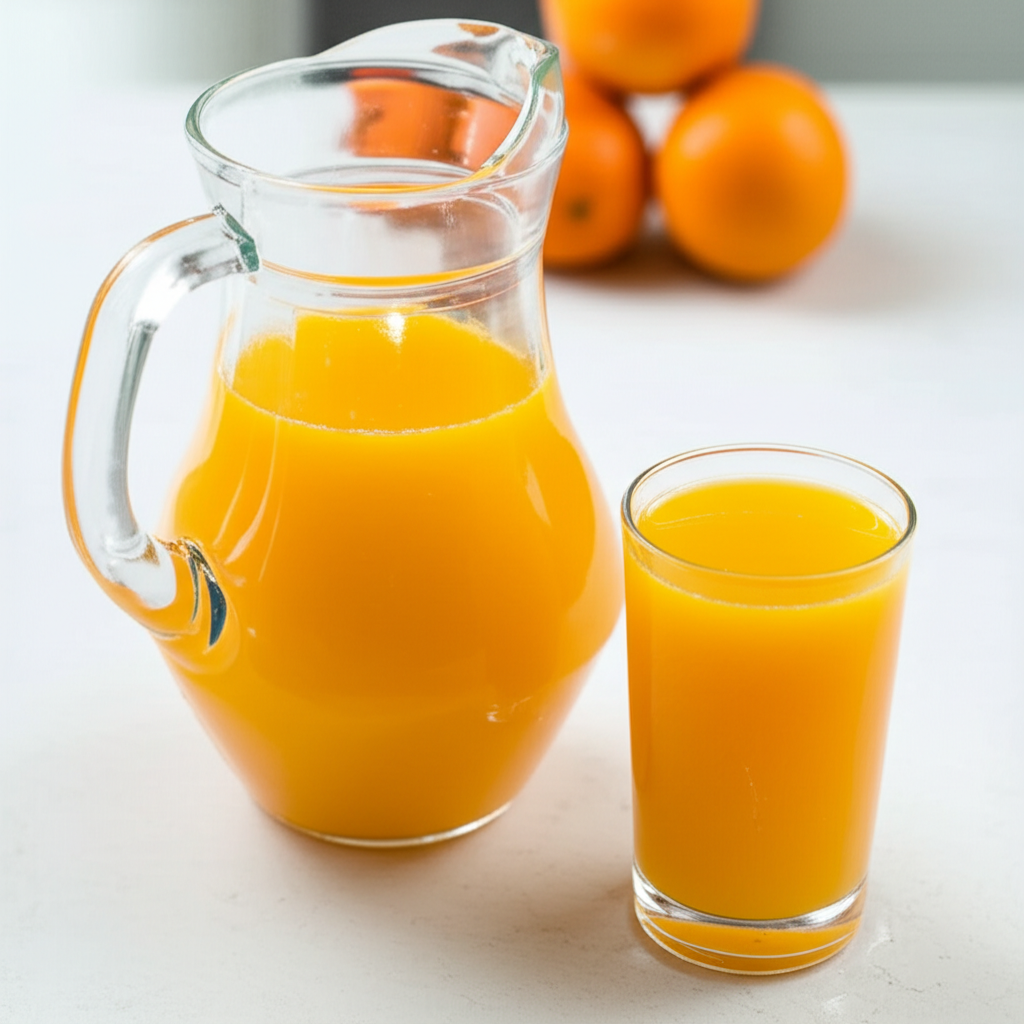
Storing your orange juice correctly is simple once you know the basics. Here’s a quick rundown of best practices:
For Freshly Squeezed Juice:
- Use an Airtight Container: Transfer your freshly squeezed juice into a clean, glass jar or a BPA-free plastic container with a tight-fitting lid. This prevents air from getting in, which can accelerate oxidation and spoilage.
- Refrigerate Immediately: As soon as you’re done juicing, place the container in the refrigerator.
- Store in the Coldest Part: The back of the refrigerator is usually the coldest spot. Avoid storing it in the door, where temperatures fluctuate more.
- Consume Quickly: Aim to drink it within 24-48 hours for the best flavor and nutritional value.
For Opened Commercial Juice (Both Refrigerated and Shelf-Stable):
- Seal Tightly: Ensure the cap or lid is screwed on securely after each use. If you have an original carton with a spout, make sure it’s closed properly.
- Refrigerate Promptly: Don’t leave opened juice out on the counter. Return it to the refrigerator right away.
- Follow Label Instructions: Check the packaging for specific storage recommendations and “use by” dates after opening.
- Maintain Cleanliness: Ensure the rim of the container and the cap are clean to prevent introducing contaminants.
For Unopened Shelf-Stable Juice:
- Pantry Storage: Store in a cool, dry, dark place, like a pantry or cupboard.
- Avoid Extreme Temperatures: Keep it away from heat sources like stoves, ovens, or direct sunlight, which can degrade quality.
- Check Packaging: Before storing, ensure the carton or bottle is intact and hasn’t been compromised.
A Comparative Look: Storage Needs at a Glance
To make things even clearer, here’s a table summarizing the storage requirements for different types of orange juice.
| Type of Orange Juice | Before Opening | After Opening | Typical Shelf Life (After Opening) | Key Storage Tip |
|---|---|---|---|---|
| Freshly Squeezed (Unpasteurized) | Must be refrigerated immediately. | Must be refrigerated immediately. | 24-48 hours | Airtight container, coldest part of fridge. |
| Refrigerated (Pasteurized, Not from Concentrate) | Must be refrigerated. | Must be refrigerated. | 5-7 days | Seal tightly, keep chilled. |
| Shelf-Stable (UHT Pasteurized, From Concentrate) | Can be stored at room temperature. | Must be refrigerated. | 5-7 days | Pantry before opening, fridge after. |
The Role of Pasteurization and Preservatives
You might be wondering what exactly makes some juices last longer than others. The answer lies in processing techniques like pasteurization and the potential addition of preservatives.
Pasteurization: As mentioned, pasteurization is a heat treatment used to kill harmful bacteria and other microorganisms. There are different levels of pasteurization. UHT (Ultra-High Temperature) pasteurization heats the juice to a very high temperature for a short time, making it shelf-stable. Standard pasteurization, used for refrigerated juices, heats the juice to a lower temperature for a longer period, extending its life but still requiring refrigeration.
Preservatives: Some commercial juices may also contain preservatives, such as potassium sorbate or sodium benzoate. These are food additives that inhibit the growth of mold, yeast, and bacteria, further extending shelf life. However, many consumers prefer juices without added preservatives, opting for those that rely solely on pasteurization and refrigeration. Freshly squeezed juice, by its very nature, contains neither added preservatives nor the benefits of pasteurization, hence its short shelf life.
For a deeper understanding of food processing, the U.S. Food and Drug Administration (FDA) provides comprehensive information on various food processing methods.
Pro Tips for Maximizing Orange Juice Freshness
Want to get the absolute most out of your orange juice? Here are a few extra tips:
- Use High-Quality Oranges: Start with the freshest, juiciest oranges you can find. Organic options are great if you prefer to avoid pesticide residues.
- Clean Your Juicer: Thoroughly clean your juicer after each use. Any lingering pulp or juice residue can harbor bacteria and speed up spoilage.
- Consider Smaller Batches: If you don’t drink a lot of juice quickly, make smaller batches of fresh juice more often rather than one large pitcher.
- Don’t Squeeze Too Far in Advance: For the absolute best flavor and nutrient content, squeeze your oranges just before you plan to drink the juice.
- Freeze for Later: If you have too much fresh juice, you can freeze it! Pour it into ice cube trays or freezer-safe containers. Frozen juice cubes are perfect for smoothies.
Can You Drink Orange Juice Left Out Overnight?
This is a question that often comes up, especially if a carton of juice was accidentally left on the counter. The general rule is: if it’s been out for more than two hours at room temperature (or one hour if the temperature is above 90°F or 32°C), it’s best to discard it. This timeframe is based on food safety guidelines from organizations like the USDA. The risk of harmful bacteria multiplying to unsafe levels increases significantly after this period.
While it might not look or smell bad immediately, the invisible growth of bacteria can pose a health risk. It’s always better to err on the side of caution when it comes to food safety, especially with juices that are acidic but still provide a nutrient-rich environment for some microbes. If you’re unsure, the safest bet is to pour it down the drain.
FAQ: Your Orange Juice Storage Questions Answered
Q1: Does fresh orange juice need to be refrigerated?
A1: Yes, absolutely. Freshly squeezed, unpasteurized orange juice is highly perishable and must be refrigerated immediately after juicing. It should be consumed within 1-2 days.
Q2: What happens if I don’t refrigerate my orange juice?
A2: If you don’t refrigerate orange juice (especially fresh or opened juice), it can spoil quickly. This leads to a loss of flavor and nutrients, and potentially the growth of harmful bacteria that can cause foodborne illness.
Q3: How long does opened store-bought orange juice last in the fridge?
A3: Opened store-bought orange juice, whether refrigerated or shelf-stable, typically lasts about 5 to 7 days when stored properly in the refrigerator. Always check the packaging for specific recommendations.
Q4: Can I drink orange juice that was left out overnight?
A4: It is not recommended. Food safety guidelines suggest discarding perishable foods left at room temperature for more than two hours (or one hour in temperatures above 90°F). The risk of bacterial growth is too high.
Q5: What’s the difference between shelf-stable and refrigerated orange juice regarding storage?
A5: Shelf-stable orange juice can be stored at room temperature before opening because it’s UHT pasteurized. Refrigerated orange juice is pasteurized differently and must be kept chilled at all times. Both require refrigeration once opened.
Q6: How can I tell if my orange juice has gone bad?
A6: Look for signs like an off-smell (sour, fermented), a fizzy texture, mold, or a change in color or consistency. If in doubt, it’s best to discard it.
Q7: Can I freeze orange juice?
A7: Yes, you can freeze fresh orange juice. Pour it into airtight, freezer-safe containers or ice cube trays. It’s a great way to preserve it for longer, ideal for smoothies.
Conclusion: Keep Your Juice Chilled for Maximum Enjoyment
Understanding whether your orange juice needs refrigeration is key to enjoying its delicious taste and nutritional benefits. Freshly squeezed juice is a perishable treasure that demands immediate chilling. For store-bought options, whether they are shelf-stable before opening or already refrigerated, the rule is clear: once opened, they must live in the cool embrace of your refrigerator. By following these simple guidelines—paying attention to labels, sealing containers tightly, and being mindful of spoilage signs—you can ensure every glass of orange juice you pour is as fresh and delightful as possible. So, keep that juice cold, and savor every vibrant sip!
smartblander.com is a participant in the Amazon Services LLC Associates Program, an affiliate advertising program. As an Amazon Associate, we earn from qualifying purchases made through our links.
