

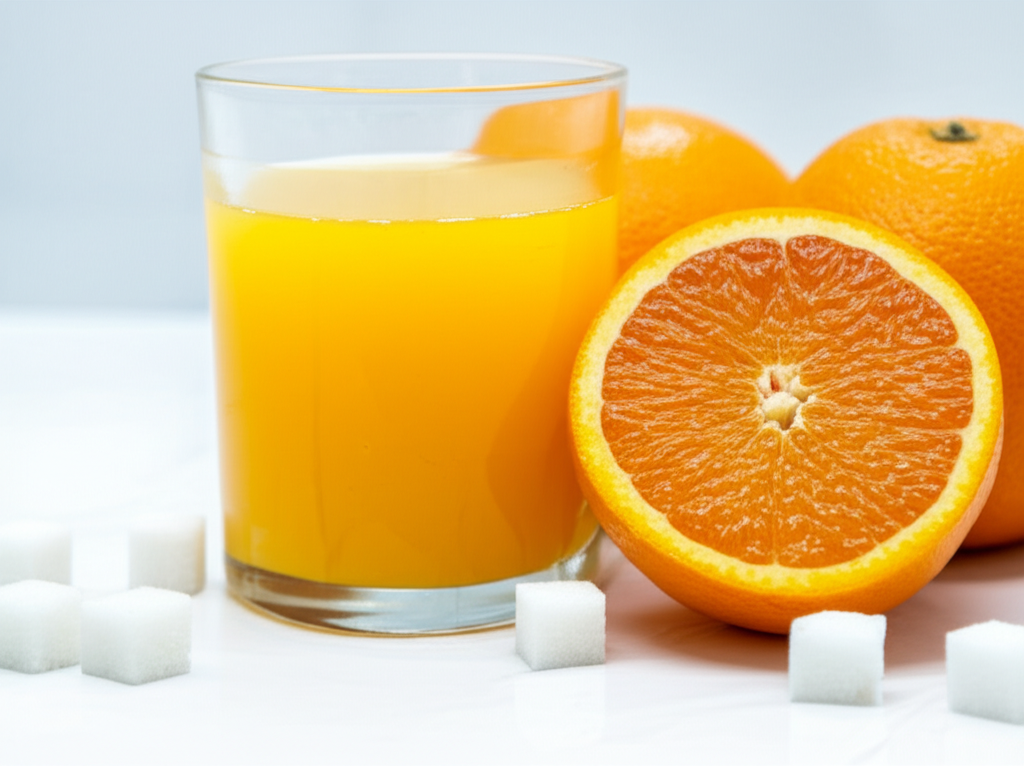
Does Orange Juice Have Added Sugar? The Shocking Truth Revealed
No, 100% pure orange juice does not have added sugar. Natural sugars from the oranges themselves are present, but no extra sweeteners are typically added to genuine, unadulterated orange juice. Understanding labels is key to knowing what you’re drinking.
Key Takeaways
- Choose 100% pure orange juice.
- Avoid “orange drinks” or “cocktails.”
- Read ingredient lists carefully.
- Natural sugars are present in all fruit juices.
- Freshly squeezed juice is sugar-free beyond fruit’s natural content.
- Understand label terms like “from concentrate.”
Ever stood in the juice aisle, staring at rows of orange juice, wondering what’s really inside? You pick up a carton, then another. Some say “100% Juice,” others “Orange Drink,” and a few boast “No Sugar Added.” It’s enough to make your head spin! You want that bright, vitamin C-packed goodness, but you’re also trying to be mindful of what you consume. The big question on your mind is: does orange juice have added sugar? It’s a common concern, and the answer can be surprisingly simple, yet also a little nuanced. Don’t worry, though! By the end of this guide, you’ll be a pro at picking the perfect orange juice, every time. Let’s peel back the layers and uncover the truth.
Understanding “Added Sugar” vs. Natural Sugars
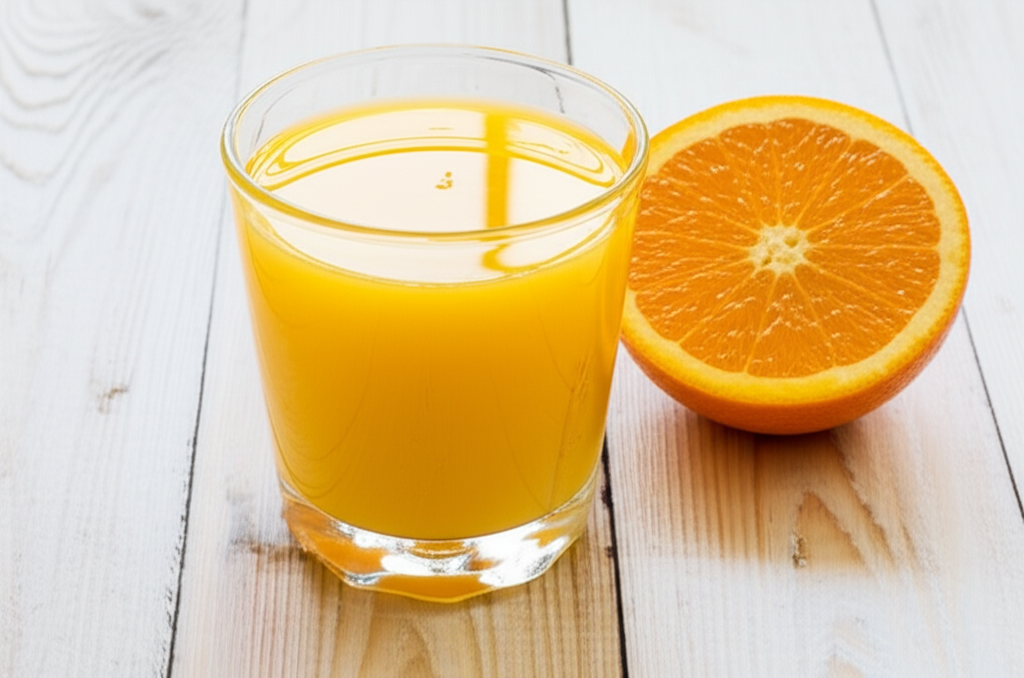
This is the most crucial distinction when we talk about whether orange juice has added sugar. Think of it like this: when you eat an orange, it has natural sugars. Those sugars are part of the fruit itself, working with fiber and other nutrients. Orange juice, even when freshly squeezed, contains these natural sugars because the oranges are the source. Added sugars, on the other hand, are sweeteners like sucrose, high-fructose corn syrup, or fruit juice concentrates that are put into a product during processing. They are in addition to the sugars naturally present. For pure orange juice, these extra sweeteners are usually a big no-no.
The U.S. Food and Drug Administration (FDA) defines added sugars as sugars and syrups that are added to foods or beverages during processing or preparation. This definition is important because it helps consumers differentiate between the sugars that occur naturally in foods like fruits and milk and those that are intentionally put in. When a label states “No Added Sugars” on 100% fruit juice, it means no sweeteners were added during production, even though the juice naturally contains sugars from the fruit. This is a key point many people miss, leading to confusion about does orange juice have added sugar.
What Does the Label Really Say? Decoding Orange Juice Packaging
The packaging of orange juice is your best friend when trying to figure out its sugar content. Learning to read these labels is like unlocking a secret code to healthier choices. Let’s break down the common terms you’ll see:
1. “100% Juice”
This is usually the gold standard. If a carton says “100% Orange Juice,” it means that the product is made entirely from oranges. No water, no sweeteners, no artificial flavors are added. The sugars you find in it are purely natural, coming from the oranges themselves. This is the type of juice that aligns with the idea of pure, unadulterated fruit beverage. When you see this, you can be confident that the answer to “does orange juice have added sugar?” is a clear no, assuming the brand is reputable and follows regulations.
2. “From Concentrate” vs. “Not From Concentrate”
This is a common point of confusion. Both “from concentrate” and “not from concentrate” orange juice are typically 100% juice and do not have added sugars. The difference lies in the processing.
- Not From Concentrate (NFC): This juice is made by squeezing fresh oranges and then pasteurizing the juice. It’s essentially fresh juice that has been processed for shelf-stability. It’s often considered to have a fresher taste.
- From Concentrate: For this juice, water is removed from the fresh-squeezed juice to create a concentrated form. This concentrate is easier and cheaper to transport. Later, water is added back to the concentrate to reconstitute it into juice. Flavor packs, which are concentrated oils and essences from oranges, are often added back to restore the taste lost during processing. Despite the addition of flavor packs, the FDA still permits this to be labeled as 100% juice as long as no sweeteners are added.
So, even if it says “from concentrate,” it doesn’t mean added sugar. The sugars are still the natural ones from the oranges. The “flavor packs” are derived from oranges and are used to restore flavor, not to sweeten the juice.
3. “Orange Drink,” “Orange Beverage,” or “Orange Cocktail”
These labels are a red flag if you’re looking for pure orange juice without added sugar. These products contain a much lower percentage of actual orange juice, often as little as 10-25%. The rest of the liquid is usually water, and to make them palatable, manufacturers add significant amounts of sweeteners (like sugar, high-fructose corn syrup, or artificial sweeteners) and artificial flavors. If you see these terms, the answer to “does orange juice have added sugar?” is almost certainly yes.
4. “No Sugar Added”
This phrase is often seen on 100% juice products. It’s a clear indicator that no sweeteners have been added during the manufacturing process. However, it’s crucial to remember that the juice itself still contains natural sugars from the fruit. So, while it confirms no added sugar, it doesn’t mean the juice is sugar-free. This label is a great reassurance for those specifically concerned about avoiding processed sweeteners.
The Natural Sugar Content in Oranges and Their Juice
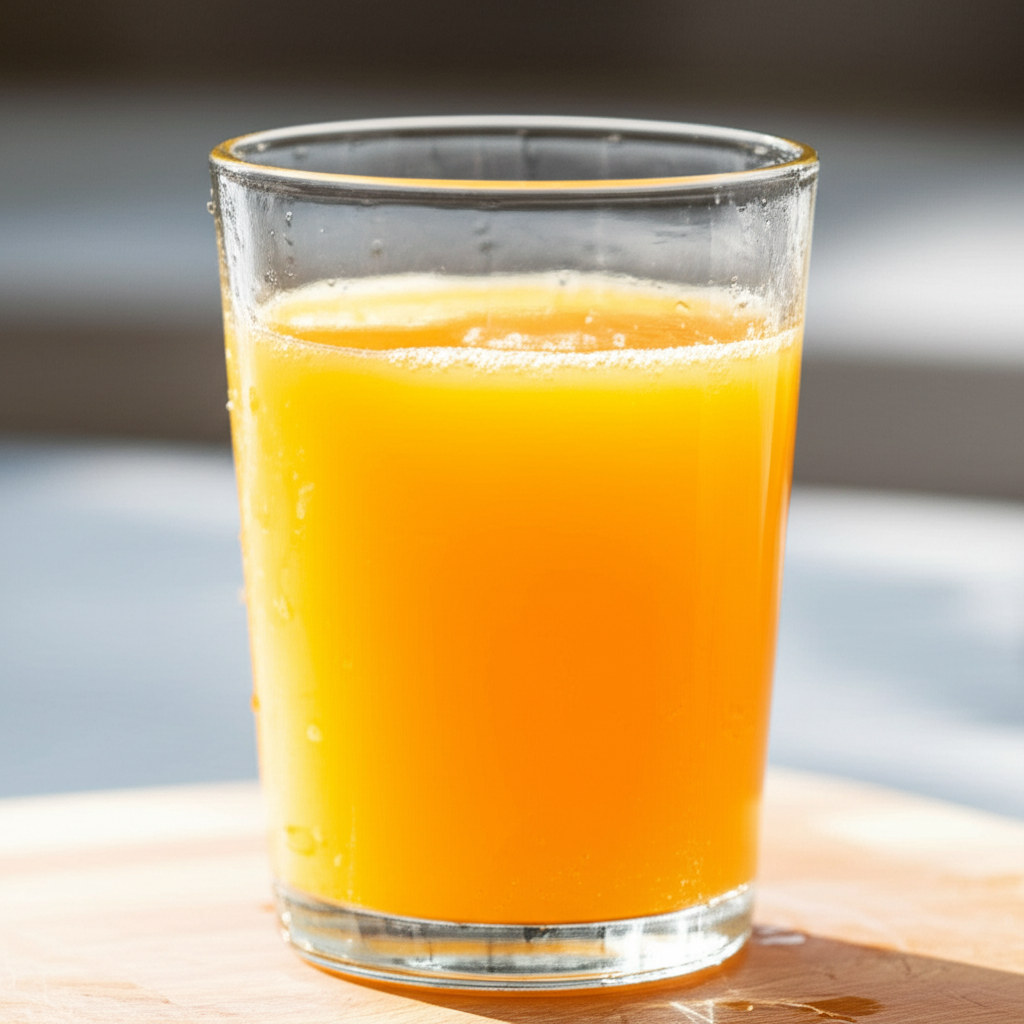
Oranges, like all fruits, contain natural sugars. The primary sugar in oranges is fructose, along with glucose and sucrose. A medium-sized orange (about 131 grams) has roughly 12 grams of total sugars. When you juice an orange, you’re concentrating these sugars because you’re removing the fibrous pulp and skin, which would otherwise slow down sugar absorption. This is why fruit juice, even 100% juice, is often higher in sugar per serving than eating the whole fruit.
A standard 8-ounce (240 ml) serving of 100% orange juice typically contains about 20-25 grams of natural sugar. This is comparable to the amount of sugar found in a can of soda, though the orange juice provides vitamins and minerals that soda lacks. This natural sugar content is important to be aware of, especially for individuals managing blood sugar levels or those following a low-sugar diet. So, while the answer to “does orange juice have added sugar?” is generally no for 100% juice, the natural sugar content is still something to consider for overall health.
Comparing Sugar Content: A Visual Guide
To help you visualize the difference, let’s look at a comparison table. This shows typical sugar content in an 8-ounce serving. Remember, these are approximate values and can vary by brand and specific fruit used.
| Beverage Type | Approximate Total Sugars (grams) | Added Sugars (grams) | Notes |
|---|---|---|---|
| 100% Pure Orange Juice (NFC or From Concentrate) | 22-25 | 0 | Natural sugars from oranges. |
| “Orange Drink” / “Orange Cocktail” | 25-35+ | 10-20+ | Contains added sweeteners and water. Low fruit juice content. |
| Diet Orange Drink (with artificial sweeteners) | 0-5 | 0-5 (or none, depending on sweetener) | Uses artificial sweeteners instead of sugar. May contain minimal natural sugars. |
| Regular Soda (e.g., Orange Flavored) | 25-30+ | 25-30+ | Primarily sugar and water, with artificial flavors and colors. |
This table clearly illustrates that when you opt for 100% orange juice, you are avoiding the added sugars found in other orange-flavored beverages. The natural sugar is present, but no extra sweeteners are typically included in pure juice.
Homemade vs. Store-Bought: Which is Healthier?
When it comes to controlling sugar, making your own orange juice at home gives you the ultimate say. If you’re wondering about the truth behind “does orange juice have added sugar?”, making it yourself provides the most definitive answer.
Making Orange Juice at Home
This is the simplest way to ensure you’re getting pure, natural goodness. All you need are oranges and a juicer (or even just a fork and a strainer if you’re in a pinch!).
- Select Your Oranges: Choose ripe, juicy oranges. Valencia, navel, or blood oranges all work well.
- Wash Them: Thoroughly wash the oranges under running water.
- Juice Them: Cut the oranges in half and use a citrus juicer, a centrifugal juicer, or a masticating juicer. If you don’t have a juicer, you can squeeze them by hand over a bowl.
- Strain (Optional): If you prefer pulp-free juice, strain it through a fine-mesh sieve.
- Serve Immediately: Freshly squeezed orange juice is best enjoyed right away for maximum flavor and nutrient content.
When you make it yourself, there is absolutely no added sugar. The sugar content is solely derived from the natural sugars in the oranges you used. This is the purest form you can get.
Store-Bought Orange Juice Considerations
As we’ve discussed, for store-bought options, you need to be a label detective. Look for “100% Orange Juice” and check the ingredients list. If the only ingredient listed is “orange juice” (or “from concentrate”), you’re good to go regarding added sugars. Brands that are transparent and focus on quality often emphasize this on their packaging. For example, many brands that focus on natural wellness and fresh juices will clearly state “100% Pure” or “No Added Sweeteners.”
However, it’s worth noting that even 100% juice can be high in natural sugars and calories. If you’re concerned about your sugar intake, moderation is key. Some brands offer reduced-sugar varieties, which might involve a different processing method or blending with other lower-sugar fruits, but always check the label to see what that entails.
The Role of Vitamin C and Other Nutrients
One of the main reasons people drink orange juice is for its high vitamin C content. A single serving of 100% orange juice can provide more than 100% of your daily recommended intake of vitamin C. This powerful antioxidant is vital for immune function, skin health, and wound healing. Besides vitamin C, orange juice also contains potassium, folate, and other beneficial plant compounds like flavonoids.
When you choose 100% orange juice over sugary drinks, you’re getting these valuable nutrients. However, it’s important to balance this. While vitamin C is great, the high sugar content in juice means it should be consumed in moderation as part of a balanced diet. The Dietary Guidelines for Americans recommend limiting added sugars and consuming nutrient-dense foods and beverages. For fruit intake, consuming whole fruits is generally preferred over juice because whole fruits provide fiber, which helps slow sugar absorption and promotes satiety.
For those who love the taste of orange juice but want to manage sugar intake, consider diluting your 100% orange juice with water or sparkling water. This reduces the sugar per serving while still giving you some of the flavor and nutrients. Another excellent option is to incorporate orange juice into smoothies with vegetables and other fruits that have lower sugar content. This approach ensures you still get the benefits without a concentrated sugar hit.
Pro Tips for Choosing Your Orange Juice
Here are some extra tips to help you navigate the juice aisle like a seasoned pro:
- Look for the “Pulp” Option: Whether you prefer pulp or no pulp, this doesn’t affect the sugar content. It’s purely a taste preference.
- Consider Organic: If you’re concerned about pesticides, choosing organic 100% orange juice is a good option. It doesn’t change the sugar content but can offer peace of mind regarding other contaminants.
- Beware of “Nectars”: Similar to “drinks” and “cocktails,” fruit nectars are often sweetened and contain a lower percentage of actual fruit juice.
- Check Serving Sizes: Even 100% juice can add up in sugar. Be mindful of the serving size recommended on the nutrition facts panel.
- Explore Other Citrus Juices: Grapefruit juice and lemon juice are also popular. Like orange juice, pure versions of these will contain natural sugars. Lemonade, however, almost always contains added sugar unless specifically labeled “sugar-free” and made with artificial sweeteners.
Frequently Asked Questions About Orange Juice Sugar
Q1: Does “No Sugar Added” on orange juice mean it’s sugar-free?
No. “No Sugar Added” means no sweeteners were added during processing. The juice still contains natural sugars from the oranges themselves. This label is a great indicator for avoiding added sugars.
Q2: Is orange juice from concentrate bad for you?
Orange juice from concentrate is not inherently bad for you. It is still 100% juice and provides vitamins and minerals. The main difference is in processing, where water is removed and then added back, sometimes with flavor packs. It contains the same natural sugars as not-from-concentrate juice.
Q3: Can I drink orange juice if I’m trying to lose weight or manage diabetes?
It’s best to consume orange juice in moderation if you are trying to lose weight or manage diabetes. While 100% orange juice contains nutrients, its high natural sugar content can impact blood sugar levels and calorie intake. Consider diluting it, drinking smaller portions, or opting for whole fruits instead.
Q4: How much sugar is in a typical glass of freshly squeezed orange juice?
A typical 8-ounce (240 ml) glass of freshly squeezed orange juice contains approximately 20-25 grams of natural sugar, depending on the sweetness of the oranges used.
Q5: Are there any truly sugar-free orange juice options?
Truly sugar-free orange juice is rare. You might find “diet” or “zero sugar” orange-flavored drinks that use artificial sweeteners. However, these are not 100% pure orange juice and will lack the full nutritional profile of real juice.
Q6: Is it better to drink orange juice or eat a whole orange?
Eating a whole orange is generally considered healthier than drinking its juice. Whole oranges provide dietary fiber, which aids digestion, helps regulate blood sugar, and promotes a feeling of fullness. Juicing removes most of this fiber.
Q7: What are the signs of added sugar in orange juice labels?
Look for terms like “orange drink,” “orange cocktail,” “orange beverage,” or check the ingredients list for added sweeteners such as sugar, high-fructose corn syrup, corn syrup, cane sugar, sucrose, or fruit juice concentrates (if they are listed as separate ingredients beyond the primary “orange juice”).
Conclusion: Enjoying Orange Juice Wisely
So, to answer the burning question: does orange juice have added sugar? For 100% pure orange juice, whether from concentrate or not, the answer is typically no. The sugars present are naturally occurring. However, the story doesn’t end there. It’s crucial to differentiate between pure juice and the many “orange drinks” and “cocktails” on the market, which almost always contain added sugars and fewer nutrients. Reading labels is your most powerful tool. By choosing 100% juice and being mindful of serving sizes, you can enjoy the refreshing taste and vitamin C boost of orange juice as part of a balanced, healthy lifestyle. Making your own at home offers the most control, ensuring pure, natural goodness with every sip. Happy juicing!
smartblander.com is a participant in the Amazon Services LLC Associates Program, an affiliate advertising program. As an Amazon Associate, we earn from qualifying purchases made through our links.
