

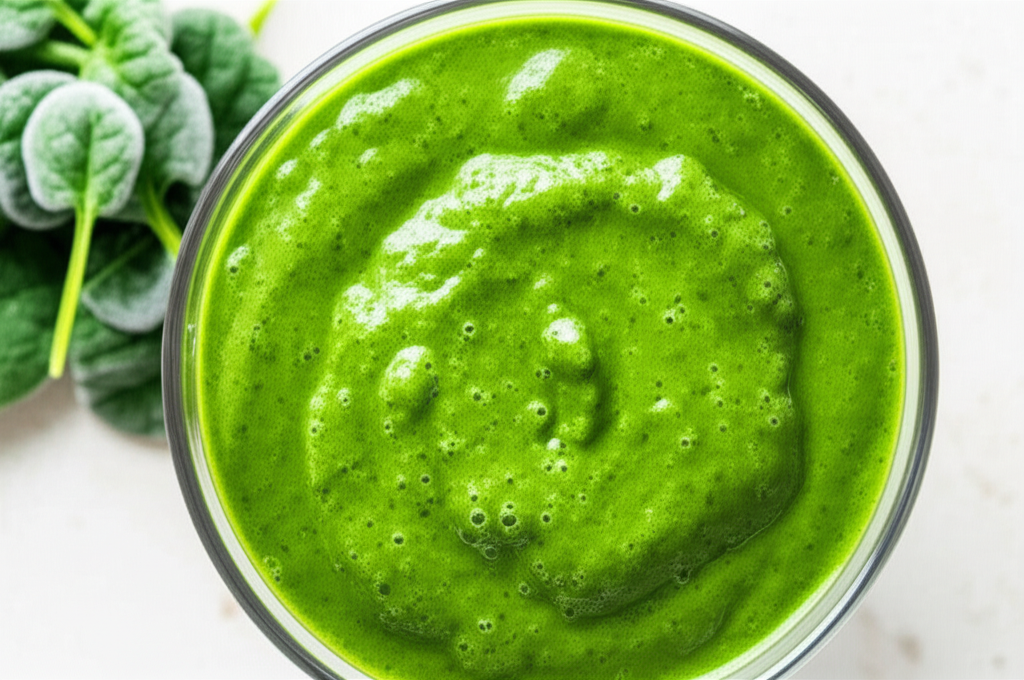
Yes, you absolutely can use frozen spinach in a smoothie! It’s a fantastic way to add nutrients without altering the taste, making it a beginner-friendly secret for healthier drinks.
Key Takeaways
- Blend frozen spinach for smooth, nutrient-rich drinks.
- Taste is surprisingly mild when mixed with fruits.
- Nutrient retention is excellent in frozen spinach.
- It makes smoothies colder and thicker.
- Preparation is minimal for frozen spinach.
- Boost your daily greens intake effortlessly.
Can You Use Frozen Spinach in a Smoothie? The Shocking Truth!
Have you ever looked at your smoothie recipe and thought, “I wish I could sneak in more greens”? You’re not alone! Many people wonder if frozen spinach is a good option for their morning blend. It seems like a smart idea, right? Adding vegetables can be intimidating, especially if you’re new to making smoothies. You might worry about the taste or texture. But what if I told you that frozen spinach is not just usable, but actually a brilliant ingredient for your smoothies? It’s a simple hack that can transform your drinks into nutritional powerhouses. Let’s uncover the truth and make your smoothie journey a whole lot easier and healthier.
Why Frozen Spinach is a Smoothie Game-Changer
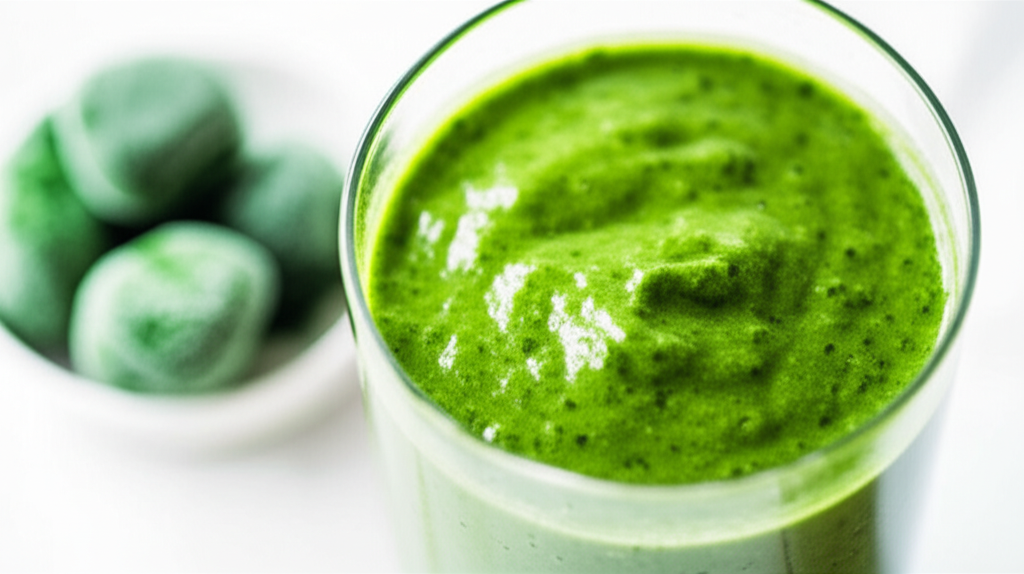
Frozen spinach is a fantastic ingredient for smoothies, and for good reason. It’s readily available, pre-washed, and often more affordable than fresh spinach, especially out of season. But the real magic lies in how it integrates into your favorite blends. Unlike fresh spinach, which can sometimes wilt or become slimy if not used quickly, frozen spinach holds its form until you’re ready to blend. This makes it incredibly convenient for busy mornings or when you’re just starting out with smoothie making.
The primary concern many beginners have is about the taste. Will their vibrant fruit smoothie suddenly taste like a salad? The good news is a resounding no! When blended with the sweetness of fruits like bananas, berries, or even a touch of orange juice, the earthy flavor of spinach is remarkably masked. You get all the nutritional benefits without an overpowering vegetal taste. It’s a culinary sleight of hand that’s incredibly effective.
Beyond taste, frozen spinach offers a textural advantage. It contributes to a thicker, colder smoothie, eliminating the need for as much ice, which can sometimes dilute the flavor. This creates a more satisfying and refreshing beverage. Think of it as a natural thickener and coolant all in one!
Understanding the Benefits of Frozen Spinach
When you choose to use frozen spinach in your smoothies, you’re making a smart nutritional choice. Freezing is a preservation method that locks in nutrients, and spinach is no exception. In fact, in some cases, frozen vegetables can be even more nutrient-dense than their fresh counterparts that have traveled long distances and sat on shelves.
Spinach itself is a nutritional superstar. It’s packed with vitamins A, C, and K, as well as folate, iron, and antioxidants. These nutrients are vital for a healthy immune system, strong bones, and good vision. Incorporating spinach into your diet is a simple way to boost your overall wellness.
Nutrient Retention in Frozen vs. Fresh Spinach
The process of freezing spinach involves blanching, which is a quick dip in boiling water followed by an ice bath. This process helps to stop enzyme activity that can degrade nutrients and color. While there might be a slight loss of water-soluble vitamins during blanching, studies suggest that the overall nutrient profile remains largely intact. For instance, research from the USDA highlights that frozen fruits and vegetables are often just as nutritious as fresh ones, and sometimes even more so, due to harvesting at peak ripeness and immediate freezing.
Here’s a quick look at how some key nutrients in spinach fare:
| Nutrient | Fresh Spinach (per cup, raw) | Frozen Spinach (per cup, cooked) | Notes |
|---|---|---|---|
| Vitamin A | ~56% DV | ~115% DV | Frozen can be more concentrated. |
| Vitamin C | ~14% DV | ~12% DV | Slight loss during blanching is possible. |
| Vitamin K | ~181% DV | ~600% DV | Excellent source in both, higher in frozen. |
| Folate | ~15% DV | ~65% DV | Significantly higher in frozen. |
| Iron | ~6% DV | ~33% DV | Much higher concentration in frozen. |
DV = Daily Value. Values are approximate and can vary based on preparation and specific product.
The table above shows that for many essential nutrients, frozen spinach is an excellent, and sometimes superior, source compared to fresh. This makes it a powerful addition to your smoothie for boosting your daily intake of these vital compounds.
Boosting Your Health with Spinach Smoothies
Adding spinach to your smoothie is a simple and effective way to increase your intake of fiber, vitamins, and minerals. Fiber is crucial for digestive health and can help you feel fuller for longer, which is great for weight management. The antioxidants in spinach can help combat inflammation and protect your cells from damage. Regular consumption can contribute to better energy levels, improved skin health, and a stronger immune system. For those who find it hard to eat enough vegetables, a spinach smoothie is a delicious solution.
How to Use Frozen Spinach in Your Smoothie: A Step-by-Step Guide

Using frozen spinach in your smoothie is incredibly straightforward. You don’t need to thaw it first, which saves you time and effort. The cold temperature of the spinach also helps create a perfectly chilled smoothie.
- Choose Your Spinach: Opt for plain frozen spinach, either whole leaf or chopped. Avoid any varieties that are seasoned or have added ingredients, as these can alter the taste of your smoothie. Brands like Birds Eye, Cascadian Farm, or store brands are usually good choices.
- Measure It Out: For beginners, start with a small amount, about half a cup to one cup of frozen spinach per serving. You can always add more as you get accustomed to it. Remember, a standard blender jar can easily accommodate this amount.
- Add to Blender: Place the frozen spinach into your blender. It’s often best to add it after your liquid ingredients to help the blades move more freely, but some blenders perform well with it added first. Experiment to see what works best for your machine.
- Add Other Ingredients: Now, add your favorite fruits, liquids (like water, milk, almond milk, or orange juice), and any other boosters (like chia seeds or protein powder). For a citrus-forward smoothie, a splash of fresh orange juice is a perfect complement.
- Blend Until Smooth: Secure the lid and blend on high speed until the mixture is completely smooth and no spinach flecks remain visible. This might take 30 seconds to a minute, depending on your blender’s power. If the smoothie is too thick, add a little more liquid and blend again.
- Taste and Adjust: Pour into a glass and enjoy! If you find there’s still a slight spinach hint you’d like to mask, add a bit more fruit, a squeeze of lemon or lime, or a touch of natural sweetener like honey or maple syrup in your next blend.
Best Fruits to Pair with Frozen Spinach
The key to a delicious spinach smoothie is balancing the mildness of the spinach with the right fruits. Sweet and flavorful fruits are your best friends here. They not only mask the spinach flavor but also add natural sweetness and vibrant color.
Citrus Powerhouses: Oranges and Beyond
Oranges are a natural fit for any smoothie lover, especially those who enjoy natural, vibrant flavors. Their sweetness and acidity are excellent at cutting through any potential green taste. Using fresh orange juice as your liquid base can infuse your smoothie with a delightful citrusy note. You can also add peeled orange segments for extra fiber and a more intense flavor.
Other citrus fruits like grapefruit or even a squeeze of lime can add a refreshing tang that works wonderfully with spinach. These bright flavors help create a truly invigorating drink.
Sweet Favorites for Smoothie Success
- Bananas: These are smoothie staples for a reason. They add creaminess, natural sweetness, and a familiar flavor that’s hard to beat. Frozen banana chunks also contribute to a thicker, colder smoothie.
- Berries: Strawberries, blueberries, raspberries, and blackberries are packed with antioxidants and offer a beautiful color and sweet-tart flavor. Their strong taste easily overpowers any hint of spinach.
- Mangoes and Pineapples: Tropical fruits bring intense sweetness and a delightful tropical flair. They are excellent for masking green flavors and creating a vacation in a glass.
- Apples and Pears: These fruits provide a milder sweetness and a good source of fiber. While their flavors are less dominant than berries or tropical fruits, they still pair well, especially with a bit of cinnamon or ginger.
By combining frozen spinach with a generous portion of these fruits, you’ll create a smoothie that’s both incredibly healthy and delicious, even for the pickiest eaters.
Smoothie Combinations to Try
Ready to get blending? Here are a few beginner-friendly combinations that showcase how well frozen spinach plays with other ingredients. These are designed for ease and maximum flavor impact.
The Classic Green Beginner
- 1 cup frozen spinach
- 1 ripe banana (frozen for extra creaminess)
- 1/2 cup frozen mango chunks
- 1 cup orange juice (or water/almond milk)
- Optional: 1 tablespoon chia seeds
Berry Blast with a Hidden Punch
- 1 cup frozen spinach
- 1 cup mixed frozen berries (strawberries, blueberries)
- 1/2 cup Greek yogurt (for creaminess and protein)
- 1/2 cup water or milk
- Optional: A squeeze of lemon juice
Tropical Sunshine Smoothie
- 1 cup frozen spinach
- 1/2 cup frozen pineapple chunks
- 1/2 cup frozen mango chunks
- 1/2 orange, peeled and segmented
- 1/2 cup coconut water or water
These recipes are just starting points. Feel free to experiment with your favorite fruits and liquids. The goal is to find combinations that you love and that make incorporating greens effortless!
Potential Challenges and How to Overcome Them
While using frozen spinach is generally easy, a few common issues might arise for beginners. Understanding these and having solutions ready can make your smoothie-making experience even smoother.
Dealing with Texture Issues
Sometimes, a smoothie might end up with a slightly gritty or fibrous texture. This is often due to not blending long enough or having too many solid ingredients for the blender to handle.
- Solution: Blend for longer. Ensure your blender’s blades are sharp and that you have enough liquid. If your blender struggles, try adding a bit more liquid, or let the frozen ingredients thaw for just a few minutes before blending.
Masking the Spinach Flavor Completely
Even though spinach is mild, some very sensitive palates might detect a hint of it. If this is the case, don’t fret!
- Solution: Increase the amount of strong-flavored fruits like berries, pineapple, or citrus. A small piece of ginger or a pinch of cinnamon can also help mask subtle flavors. Sweeteners like dates, honey, or maple syrup can also be used sparingly.
Using a Less Powerful Blender
Not everyone has a high-powered blender. Smaller or older models might struggle with frozen ingredients.
- Solution: Thaw frozen spinach for 5-10 minutes before adding it to the blender. Break up large frozen spinach blocks. Add ingredients in stages, starting with liquids, then softer items, and finally the frozen spinach. Pulse the blender initially before blending on high.
With these tips, you can confidently tackle any smoothie challenge and ensure a delicious, smooth result every time.
Pro Tips for Smoothie Success
Here are some extra tips to elevate your smoothie game and make using frozen spinach even more enjoyable:
- Portion and Freeze Your Own: Buy large bags of spinach when on sale, wash, dry, and portion into freezer bags or ice cube trays. This saves money and ensures you always have greens ready to go.
- The “Green Ice Cube” Method: Blend spinach with a bit of water until smooth, then freeze in ice cube trays. These “green ice cubes” are easy to pop into any smoothie and won’t make it watery.
- Balance is Key: Aim for a good ratio of fruits to greens. A common starting point is 1:1 or 2:1 fruit to spinach. Adjust based on your preference.
- Don’t Forget the Liquid: Always ensure you have enough liquid for your blender to work efficiently. Orange juice is a fantastic choice for its flavor and vitamin C content.
Frequently Asked Questions (FAQ)
Q1: Do I need to wash frozen spinach before putting it in my smoothie?
No, commercially frozen spinach is typically pre-washed and processed, so you can use it straight from the freezer.
Q2: Will frozen spinach make my smoothie taste bitter?
Generally, no. The flavor of spinach is very mild and easily masked by fruits like bananas, berries, and oranges. If you’re concerned, start with a smaller amount.
Q3: How much frozen spinach can I add to a smoothie?
For beginners, start with 1/2 cup to 1 cup per serving. You can increase this amount as you get used to it. Most blenders can handle up to 2 cups of frozen spinach without issues.
Q4: Does freezing spinach destroy its nutrients?
Freezing preserves most of the nutrients. While there might be a slight loss of water-soluble vitamins during the initial blanching process, frozen spinach remains a highly nutritious ingredient.
Q5: Can I use cooked frozen spinach in my smoothie?
It’s best to use plain, uncooked frozen spinach. Cooked spinach might have a different texture and flavor that isn’t ideal for smoothies.
Q6: What’s the best way to ensure a smooth texture with frozen spinach?
Use a powerful blender and ensure you have enough liquid. Blend for at least 30-60 seconds until the mixture is completely smooth. Letting frozen items thaw for a few minutes can also help.
Q7: Can I use frozen spinach if I don’t have a high-speed blender?
Yes! For less powerful blenders, thaw the spinach slightly, break up any large clumps, and add enough liquid. You might need to blend in stages or pulse more frequently.
Conclusion
So, to answer the burning question: yes, you absolutely can use frozen spinach in your smoothie! It’s a simple, effective, and beginner-friendly way to boost the nutritional value of your drinks without compromising on taste or texture. From its impressive nutrient profile to its convenience, frozen spinach is a true smoothie champion. Embrace this easy hack, experiment with delicious fruit combinations, and enjoy the vibrant, healthy smoothies you can create. Happy blending!
smartblander.com is a participant in the Amazon Services LLC Associates Program, an affiliate advertising program. As an Amazon Associate, we earn from qualifying purchases made through our links.
