

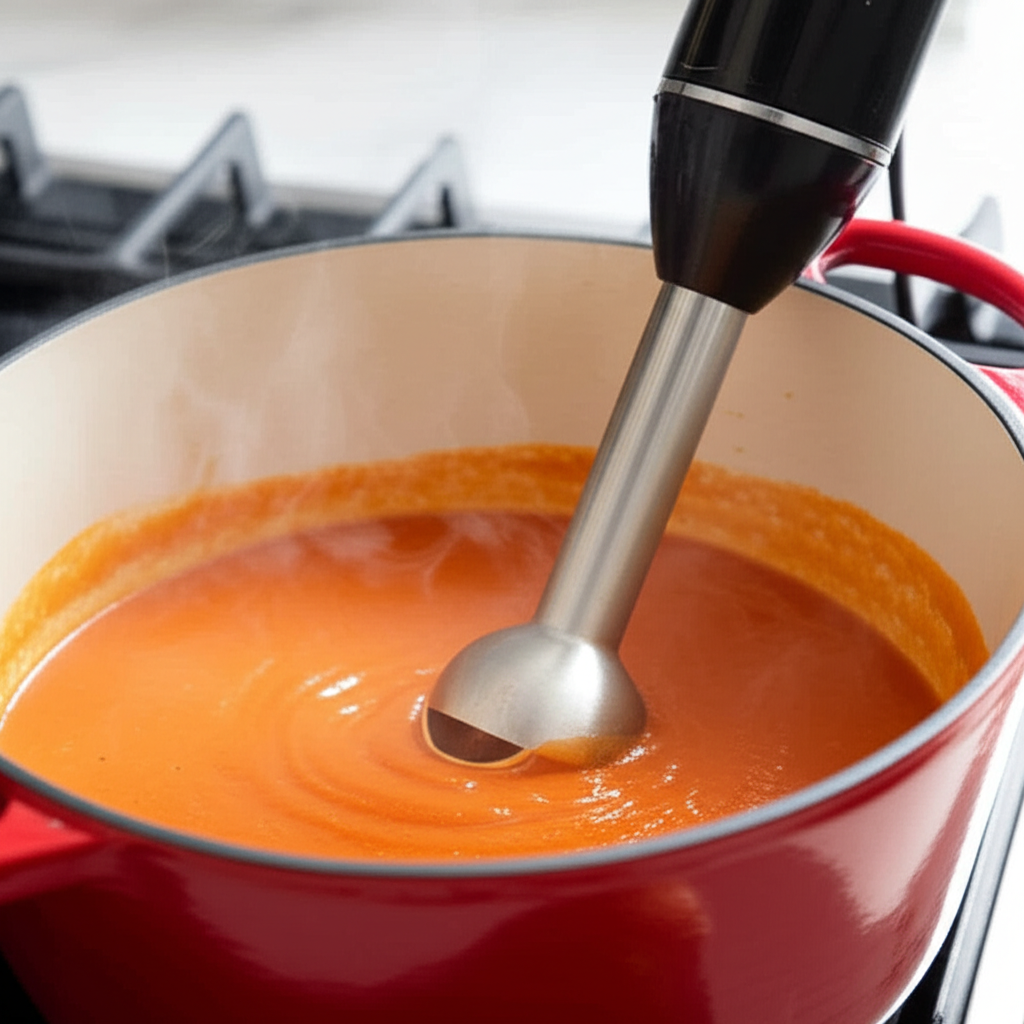
Yes, you can absolutely use an immersion blender in a Dutch oven! It’s a fantastic and convenient way to blend soups, sauces, and stews directly in the pot, minimizing cleanup. This guide will walk you through everything you need to know to do it safely and effectively.
Key Takeaways
- Blend soups and sauces directly in your Dutch oven.
- Ensure the immersion blender shaft is fully submerged.
- Avoid scraping the bottom or sides of the Dutch oven.
- Clean your blender immediately after use.
- Choose an immersion blender with sufficient power for your needs.
- Check your Dutch oven’s material for compatibility.
Can You Use An Immersion Blender In A Dutch Oven? Essential Guide
You’ve just finished simmering a rich, flavorful soup or a creamy sauce in your beloved Dutch oven. Now comes the next step: making it smooth and velvety. The thought of transferring hot liquids to a regular blender can feel daunting, messy, and frankly, like a lot of extra work. So, you might be wondering, “Can you use an immersion blender in a Dutch oven?” The answer is a resounding yes! It’s a game-changer for many home cooks, offering unparalleled convenience and speed. This guide is here to demystify the process, ensuring you can confidently blend your creations to perfection right in the pot. Let’s dive into how to make this kitchen magic happen.
Understanding the Immersion Blender and Dutch Oven Partnership
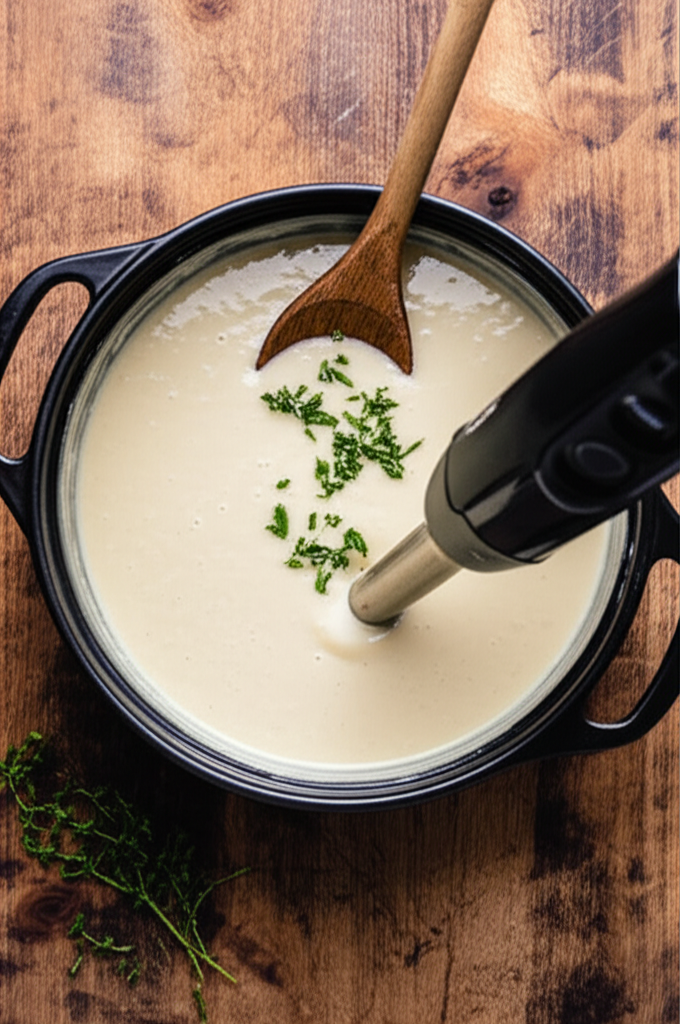
An immersion blender, also known as a stick blender or hand blender, is a kitchen tool designed to blend ingredients directly in their container. A Dutch oven, a heavy-duty pot typically made of cast iron and coated with enamel, is renowned for its excellent heat retention and even cooking. The combination might seem unlikely at first, but they work together beautifully. Think of it as bringing the blending power to where the cooking happens, saving you precious time and reducing the number of dishes you need to wash.
The primary benefit is efficiency. Instead of carefully ladling hot soup into a countertop blender, blending in batches, and then returning it to the pot, you can achieve a smooth consistency with minimal effort. This is especially helpful for large batches of soup or when you’re aiming for a perfectly smooth sauce without any lumps.
Safety First: Essential Precautions for Blending in a Dutch Oven
While using an immersion blender in a Dutch oven is generally safe, there are crucial safety considerations to keep in mind to prevent accidents and damage to your cookware.
1. Submerge Properly
Always ensure that the blending shaft of your immersion blender is fully submerged in the liquid before you turn it on. Starting the blender while the blades are exposed to air can cause them to spin at high speed, potentially splashing hot liquid out of the pot and leading to burns. It can also damage the blender blades.
2. Avoid Scraping the Bottom
Dutch ovens, especially enameled cast iron ones, can be scratched or chipped if the blender blades or shaft come into harsh contact with the bottom or sides of the pot. Move the blender gently and deliberately. Do not force it against the cookware. Most immersion blenders have a protective casing around the blade assembly to help prevent this, but it’s still wise to be mindful.
3. Manage the Heat
Hot liquids can splash. Be cautious when blending hot soups or sauces. Start at a low speed if your blender has variable speed settings. Keep the blender head moving constantly to prevent it from staying in one spot for too long, which can build up heat and pressure. If your Dutch oven has a long handle, ensure you have a firm grip on it.
4. Unplug When Not in Use
As with any electrical appliance, unplug the immersion blender when you are not actively blending. This is a general safety rule that also prevents accidental activation.
5. Check Your Blender’s Manual
Some immersion blenders are specifically designed for certain types of cookware or have limitations. Always refer to your appliance’s user manual for any specific warnings or recommendations regarding its use in pots and pans.
Choosing the Right Immersion Blender for Your Dutch Oven
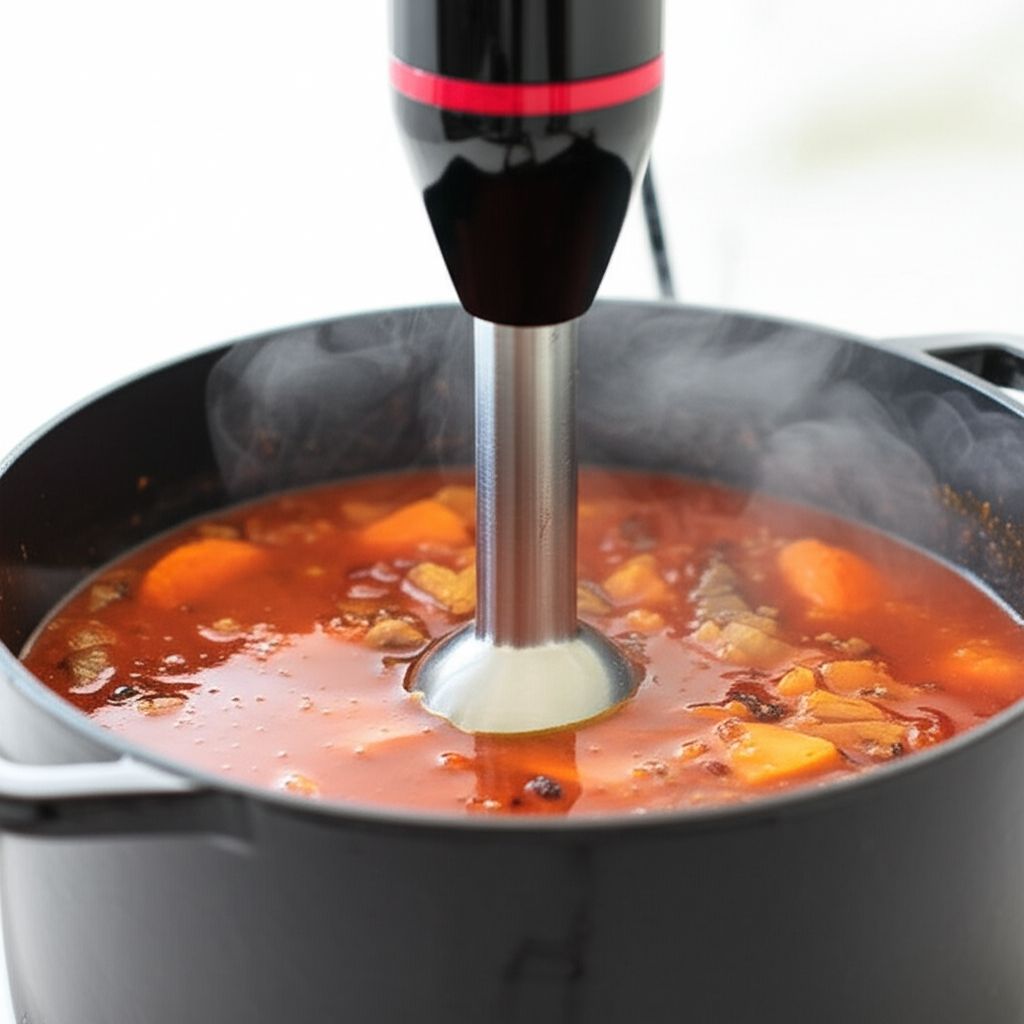
Not all immersion blenders are created equal. For optimal results when blending in a Dutch oven, consider these features:
- Power (Wattage): A more powerful blender (e.g., 300 watts or higher) will handle thicker mixtures and larger volumes more effectively, reducing blending time and the strain on the motor. This is particularly useful for dense stews or pureeing cooked vegetables.
- Blade Design: Look for blenders with sharp, durable blades designed for efficient pureeing. Some have multiple blade configurations for different tasks.
- Shaft Length: A longer shaft is advantageous for deeper pots like Dutch ovens, ensuring better submersion and reducing the risk of splashing.
- Variable Speed Control: This allows you to start slowly and gradually increase speed, giving you more control over the blending process and reducing the chance of splattering.
- Ergonomics: A comfortable grip and balanced weight will make the blending process easier, especially if you need to blend for an extended period.
For those who frequently make soups and sauces, investing in a good quality immersion blender is a worthwhile endeavor. Brands like Breville, Braun, and Cuisinart offer models with excellent performance and durability.
Step-by-Step: Blending in Your Dutch Oven
Ready to try it? Follow these simple steps for a smooth blending experience:
- Cool Slightly: If your soup or sauce is boiling vigorously, let it cool down for a few minutes. This reduces the risk of splattering and makes the liquid easier to handle.
- Remove Large Chunks (Optional): If you have very large pieces of ingredients, you might want to break them up slightly by hand or with a spoon to help the blender work more efficiently.
- Submerge the Blender: Place the immersion blender’s blending wand into the Dutch oven, ensuring the blade is completely covered by the liquid.
- Start Blending: Hold the immersion blender at a slight angle and begin blending. Move the blender up and down and in a circular motion throughout the pot. Tilt the pot slightly if needed to ensure all ingredients reach the blender.
- Blend to Desired Consistency: Continue blending until your soup or sauce reaches your desired smoothness. This might take anywhere from 30 seconds to a few minutes, depending on the ingredients and your blender’s power.
- Check and Adjust: Once blended, lift the blender out of the pot. Check the consistency. If you desire a smoother texture, you can re-immerse the blender and blend for a little longer.
- Clean Immediately: After blending, unplug the immersion blender and rinse the blending shaft under warm running water. This prevents food from drying and becoming difficult to remove. Many blender shafts are also dishwasher safe; check your manual.
What Can You Blend in a Dutch Oven with an Immersion Blender?
The possibilities are vast, and an immersion blender in a Dutch oven opens up a world of culinary creations. Here are some popular uses:
- Soups: Creamy tomato soup, butternut squash soup, potato leek soup, lentil soup – the list is endless.
- Sauces: Smooth marinara sauce, béchamel sauce, hollandaise sauce, gravy.
- Purees: Mashed potatoes, pureed vegetables for baby food, fruit purees for desserts.
- Stews: While you might not want to completely puree a chunky stew, an immersion blender can help break down larger vegetables and thicken the broth for a richer texture.
- Smoothies and Drinks (with caution): While not its primary use for a Dutch oven, you could technically blend larger batches of cold drinks or smoothies in a very large Dutch oven if you have a powerful immersion blender and are extremely careful. However, this is generally not recommended due to the risk of splashing and potential damage to cookware.
Considerations for Different Dutch Oven Materials
The material of your Dutch oven can influence how you use your immersion blender within it. Most modern Dutch ovens are enameled cast iron, but older or specialized ones might be bare cast iron or even stainless steel.
Enameled Cast Iron Dutch Ovens
These are the most common type. The enamel coating provides a smooth, non-reactive surface. The main concern here is chipping or scratching the enamel. Gentle blending and avoiding scraping are key. The weight of these pots also means you need a good grip on the handles.
Bare Cast Iron Dutch Ovens
Bare cast iron is more prone to scratching than enameled surfaces. While you can blend in it, you need to be extra cautious. Ensure the blender’s blade guard is intact and move it gently. Some argue that minor scratches in bare cast iron can be seasoned over, but it’s still a risk to avoid.
Stainless Steel Dutch Ovens
These are generally very durable and can withstand a bit more vigorous blending. However, the sides can be thin, and you still want to avoid forceful contact that could warp the metal or damage the blender.
Regardless of the material, always treat your Dutch oven with care. The investment in a quality Dutch oven is significant, and proper handling will ensure it lasts for generations.
Immersion Blender vs. Countertop Blender: A Comparison
It’s helpful to understand why an immersion blender is often the preferred tool for blending in a Dutch oven compared to a traditional countertop blender.
| Feature | Immersion Blender in Dutch Oven | Countertop Blender |
|---|---|---|
| Convenience | High – Blend directly in the pot. | Lower – Requires transferring hot liquids. |
| Cleanup | Minimal – Just the blender wand and pot. | More – Blender jar, lid, blade assembly, and pot. |
| Batch Size | Limited by Dutch oven size; can blend all at once. | Limited by blender jar capacity; may require multiple batches. |
| Texture Control | Good; can blend to desired smoothness. | Excellent; often achieves very smooth results. |
| Safety (Hot Liquids) | Requires caution to avoid splashing. | Higher risk of steam buildup and explosions if not vented properly. |
| Storage | Compact; easy to store. | Takes up counter or cabinet space. |
For tasks like pureeing soups directly in the pot, the immersion blender clearly shines. Countertop blenders are still excellent for tasks requiring extremely fine purees or for blending ingredients that don’t require cooking first, like making nut butters or certain types of smoothies.
Pro Tips for Perfect Blending
Here are a few extra tips to elevate your blending game:
- Angle is Key: Hold the immersion blender at a slight angle to create a vortex. This helps draw ingredients into the blades more efficiently and ensures a smoother blend.
- Work in Stages: For very thick mixtures, you might want to add a little extra liquid (broth, water, cream) to help the blender move freely.
- Don’t Over-Blend: For some soups, like those with potatoes, over-blending can make them gummy. Blend just until smooth.
- Secure the Pot: Ensure your Dutch oven is on a stable, heat-resistant surface and that you have a firm grip on the handles before you start blending.
- Ventilate: If blending something very hot, you might want to lift the lid slightly (away from you to avoid steam burns) to allow steam to escape.
Troubleshooting Common Blending Issues
Even with the best intentions, you might encounter a few hiccups. Here’s how to handle them:
- Blender is Splashing Excessively: Ensure the blender head is fully submerged before starting and keep it moving. Start on a lower speed if possible. If it continues, stop blending, let it cool slightly, and re-evaluate your technique.
- Blender is Not Blending Smoothly: The mixture might be too thick, or there are large, dense chunks. Add a bit more liquid or break up stubborn ingredients. Ensure you are moving the blender throughout the entire pot.
- Blender is Making a Grinding Noise: This could indicate the blender is struggling with the density of the mixture, or the blades might be hitting the bottom of the pot too hard. Stop immediately, check for obstructions, and try again with more liquid or gentler movements.
- Enamel is Chipped/Scratched: If you notice damage, stop using the immersion blender in that pot. For minor chips, check the manufacturer’s recommendations; some can be safely used with caution, while others should be retired. Always use gentle motions.
If you are ever unsure about the safety of your Dutch oven or blender, it’s best to err on the side of caution and consult the manufacturer’s guidelines or seek professional advice.
Frequently Asked Questions (FAQ)
Can I use an immersion blender in a hot Dutch oven?
Yes, but with caution. Allow the contents to cool slightly from a rolling boil before blending to minimize splashing. Always ensure the blender head is fully submerged before turning it on.
Will an immersion blender scratch my enameled Dutch oven?
It’s possible if you are too aggressive. Move the blender gently and avoid scraping the bottom or sides. Most immersion blenders have blade guards to help protect cookware, but mindful handling is crucial.
What is the best type of immersion blender for Dutch ovens?
A powerful immersion blender with a long shaft and variable speed control is ideal. Higher wattage (300W+) will handle thicker mixtures better.
How do I clean my immersion blender after using it in a Dutch oven?
Unplug the blender and immediately rinse the blending shaft under warm running water. Many are also dishwasher safe, but always check your user manual. Prompt cleaning prevents food from drying on.
Can I use an immersion blender in a bare cast iron Dutch oven?
You can, but you must be extremely careful to avoid scratching the surface. Gentle blending and ensuring the blade guard is intact are essential. Enameled or stainless steel Dutch ovens are generally safer for this purpose.
What if my soup is very thick? Can I still use an immersion blender?
Yes, but you may need to add a little extra liquid (broth, water, cream) to help the blender move freely and achieve a smooth consistency. Start on a lower speed and move the blender gently.
Are there any Dutch oven brands that are not compatible with immersion blenders?
Generally, most well-made Dutch ovens, regardless of brand, are compatible as long as you use the immersion blender with care. Extremely thin-walled or uniquely shaped pots might require extra caution. Always refer to the cookware manufacturer’s guidelines if unsure.
Conclusion
Using an immersion blender in your Dutch oven is a straightforward and incredibly useful kitchen technique. It simplifies the process of creating smooth, velvety soups, sauces, and purees, cutting down on both cooking time and cleanup. By understanding the necessary safety precautions, choosing the right tool, and employing gentle, deliberate movements, you can confidently transform your Dutch oven creations from simmering pots to perfectly blended dishes. So, the next time you find yourself with a delicious, hearty soup ready for pureeing, don’t hesitate to reach for your immersion blender and experience the convenience firsthand. Happy blending!
smartblander.com is a participant in the Amazon Services LLC Associates Program, an affiliate advertising program. As an Amazon Associate, we earn from qualifying purchases made through our links.
