

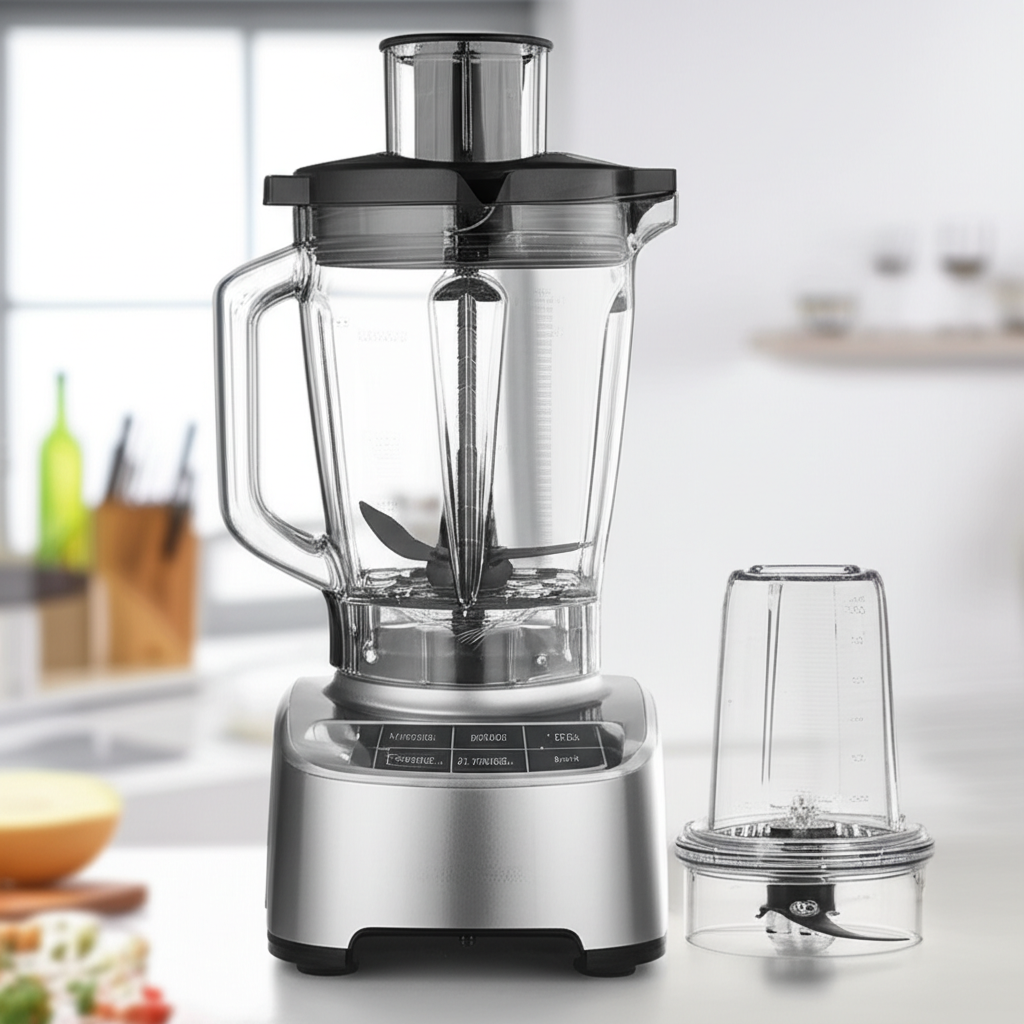
Yes, you can often use a food processor as a blender for many tasks, but with crucial differences in performance and texture. While they share similarities, understanding their unique designs is key to avoiding disappointing results. This guide reveals the shocking truths about using a food processor instead of a blender for your smoothies and other creations.
Key Takeaways
- Process harder ingredients first in a food processor.
- Blend liquids thoroughly for smoother results.
- Avoid overfilling your food processor.
- Understand texture differences for dips vs. drinks.
- Clean your food processor promptly after use.
- Consider a dedicated blender for true smoothie perfection.
Can You Use A Food Processor As A Blender: Shocking Truths Revealed
Are you standing in your kitchen, craving a delicious, healthy smoothie, only to realize your trusty blender is out of commission? Or perhaps you’re a beginner cook wondering if your new food processor can do double duty. It’s a common kitchen conundrum: can you use a food processor as a blender? The answer isn’t a simple yes or no. While these appliances share some similarities, their core designs lead to different strengths and weaknesses. This guide will dive deep into the surprising differences, helping you understand when your food processor can step in for your blender and when it’s best to wait for the real deal. Let’s uncover the shocking truths together and empower you to make informed kitchen decisions.
Understanding the Core Differences: Food Processor vs. Blender
At first glance, a food processor and a blender might seem like cousins. Both have a motor, a base, and a container with blades designed to chop, mix, or puree ingredients. However, their design philosophies are fundamentally different, leading to distinct performance capabilities. Understanding these distinctions is the first step to mastering the art of using one for the other’s job.
The Blade Design and Motor Power
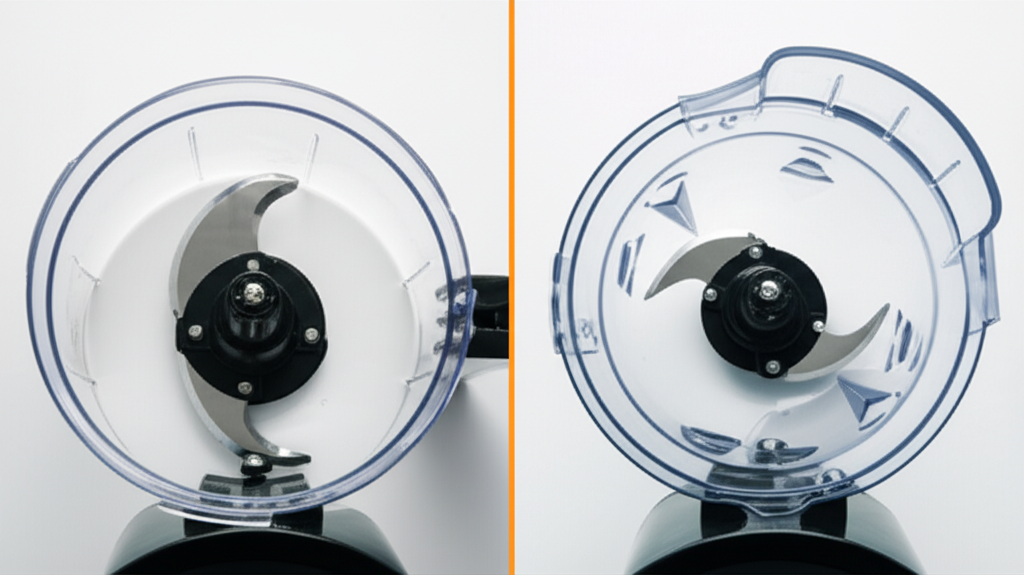
The most significant difference lies in the blades and how they operate. A blender typically features tall, narrow blades positioned at the bottom of a pitcher. These blades are designed to create a powerful vortex, pulling ingredients down towards them to create a smooth, liquid consistency. They are optimized for liquefying and pureeing.
A food processor, on the other hand, usually has wider, flatter blades that sit lower in a broader, shorter bowl. These blades are designed for chopping, slicing, shredding, and kneading. They excel at breaking down solid ingredients into smaller pieces or creating coarser textures. The motor in a food processor is often designed for short bursts of power, ideal for tasks like chopping nuts or making dough, rather than continuous high-speed blending.
Container Shape and Functionality
The container itself plays a crucial role. Blender pitchers are tall and narrow, encouraging the formation of that essential vortex for smooth results. This shape is perfect for blending liquids and creating emulsifications. Many blenders also come with a tamper to help push ingredients down, ensuring everything gets processed evenly.
Food processor bowls are typically wide and squat. This shape is ideal for processing larger quantities of ingredients or for tasks that require more surface area, like shredding cheese or kneading dough. The wider opening makes it easier to add ingredients for chopping or slicing, but it’s less conducive to creating the smooth, fluid motion needed for a perfect smoothie.
When Can a Food Processor Act Like a Blender?
Despite their differences, a food processor can certainly perform some blending tasks, especially if you adjust your expectations and techniques. It’s best suited for recipes that don’t require extreme smoothness or for recipes where a slightly coarser texture is acceptable.
Making Dips, Sauces, and Purees
Food processors shine when it comes to creating creamy dips like hummus, pesto, or guacamole. They can also handle sauces and purees, though you might need to scrape down the sides more often. If you’re making a chunky salsa or a rustic tomato sauce, a food processor is an excellent tool.
For example, to make a simple tomato sauce, you can pulse fresh tomatoes, garlic, and herbs in your food processor. It won’t achieve the silky smoothness of a high-powered blender, but it will break down the ingredients effectively for a delicious result. You might just end up with tiny flecks of herbs or onion, which can be quite appealing in certain dishes.
Chopping and Mincing
If your “blending” goal is more about breaking down ingredients than creating a liquid, a food processor is your champion. It can chop vegetables for mirepoix, mince garlic and onions, or even make breadcrumbs from stale bread. These are tasks a blender would struggle with and might even damage its blades.
Making Nut Butters
While a high-powered blender can make nut butter relatively quickly, a food processor can also achieve this. You’ll need to be patient, as it takes longer. You’ll likely need to stop frequently to scrape down the sides of the bowl and allow the motor to cool. The result might be slightly less smooth than what a blender can produce, but it’s a perfectly viable option.
Pro Tip: For nut butters, start with roasted nuts. Roasting brings out their natural oils and makes them easier to process into a smooth, spreadable consistency. Ensure your food processor has a good motor, as this can be a strenuous task for less powerful models.
What a Food Processor Struggles With (Compared to a Blender)
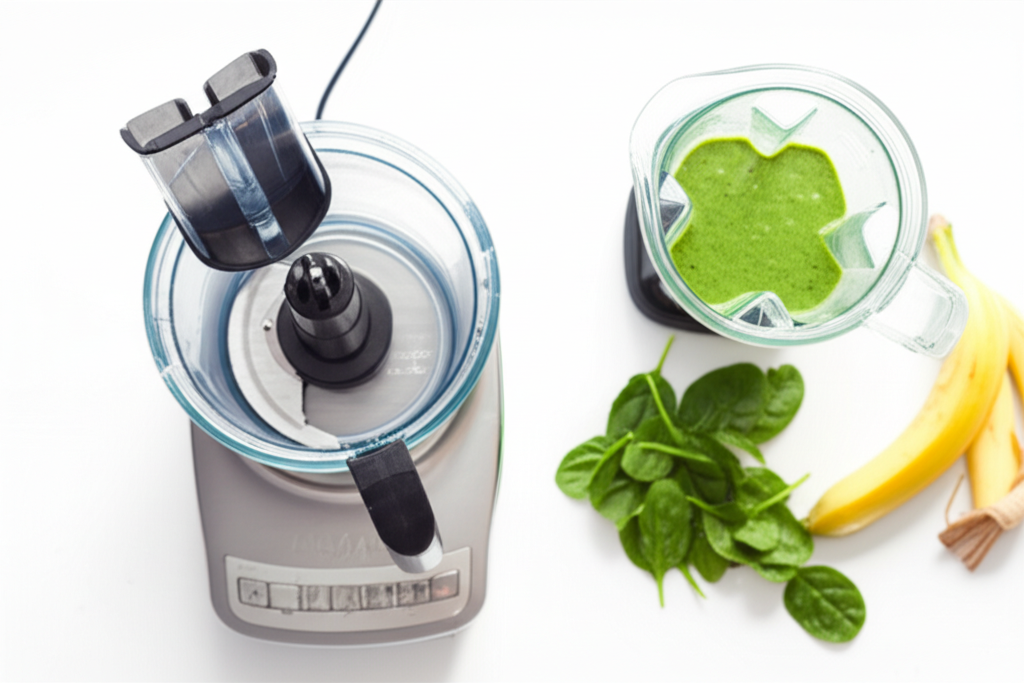
When it comes to tasks that demand ultimate smoothness and liquid consistency, a food processor often falls short. This is where the differences in design become most apparent, and you might be disappointed with the results if you expect blender-level perfection.
Achieving Ultra-Smooth Smoothies
This is the big one. If you’re dreaming of a silky, lump-free green smoothie or a perfectly blended fruit shake, a food processor is generally not your best bet. The wider bowl and lower blade position mean ingredients don’t get pulled into a vortex as effectively. This can leave you with chunks of fruit, leafy greens that aren’t fully pulverized, or an overall gritty texture.
For instance, trying to blend fibrous greens like kale or spinach in a food processor can be a challenge. You might end up with small, noticeable pieces of leaves rather than a uniform green liquid. Ice can also be problematic; it might get crushed into small chunks rather than pulverized into a slushy consistency.
Blending Hot Liquids Safely
Blenders, especially those designed for hot foods, have lids with vents that allow steam to escape. This is crucial for safety. A food processor’s bowl and lid are generally not designed to handle the pressure and heat of blending hot liquids. Attempting to do so can cause the lid to blow off, leading to dangerous splatters and burns. Always check your appliance’s manual for specific warnings about hot ingredients.
Emulsifying and Aerating
Tasks like making mayonnaise or whipping cream require specific emulsification and aeration processes that blenders are better equipped to handle. The consistent vortex in a blender helps to create stable emulsions by evenly distributing oil and liquid. While a food processor can mix ingredients, it’s less likely to achieve the same light, airy texture for whipped cream or the stable, smooth consistency for mayonnaise.
Step-by-Step: Using Your Food Processor for Blending Tasks
If you’ve decided to give your food processor a whirl for a blending task, here’s how to get the best results possible. Remember, patience and a few smart techniques can make a big difference.
Step 1: Prepare Your Ingredients Wisely
Cut your ingredients into smaller, more manageable pieces. This is especially important for fruits, vegetables, and ice. Smaller pieces allow the food processor blades to work more efficiently.
Step 2: Add Liquids First
This is a crucial tip! Add your liquids (water, juice, milk, yogurt) to the food processor bowl first. This creates a base that helps the blades spin more freely and can assist in pulling drier ingredients down towards them. Think of it as priming the pump for better blending.
Step 3: Layer Other Ingredients
Add softer ingredients next, followed by harder items like frozen fruits or ice. This layering helps the blades catch and process everything more evenly. Avoid overloading the bowl; processing in smaller batches often yields better results.
Step 4: Use Pulse and Short Bursts
Instead of just turning the food processor on and letting it run, use the pulse function. This gives you more control and helps break down ingredients more effectively without over-processing. If pulsing isn’t enough, use short bursts of power, stopping to scrape down the sides of the bowl as needed.
Step 5: Scrape Down the Sides
The wide bowl of a food processor means ingredients can get stuck on the sides. Stop the machine periodically and use a spatula to scrape down any unblended bits. This ensures everything gets incorporated and processed evenly.
Step 6: Blend Until Desired Consistency (with realistic expectations)
Continue blending in short bursts, scraping as needed, until you reach your desired consistency. Understand that it might not be as smooth as a blender. For smoothies, you might aim for a thicker, more sorbet-like texture if a perfectly smooth liquid isn’t achievable.
A Comparative Look: Food Processor vs. Blender Performance
To help visualize the differences, let’s compare how each appliance typically performs with common ingredients.
| Task | Food Processor Performance | Blender Performance |
|---|---|---|
| Smoothies (with ice and greens) | Can be chunky; leafy greens may not fully pulverize; ice can remain in small chunks. Requires frequent scraping. | Achieves smooth, consistent texture; effectively pulverizes ice and greens, creating a vortex for even blending. |
| Hummus/Dips | Excellent; creates creamy textures with minimal effort. | Can work, but may require more liquid to achieve desired consistency; might be too smooth for some preferences. |
| Nut Butters | Achievable with patience; may take longer and result in a slightly less smooth texture. | Faster and produces smoother, creamier nut butters, especially with high-powered models. |
| Sauces (e.g., tomato sauce) | Good for rustic or chunkier sauces; may leave small pieces of herbs or vegetables. | Can create very smooth, velvety sauces. |
| Chopping Nuts | Excellent; provides precise control over chop size. | Can easily over-process nuts into butter; requires careful pulsing. |
| Making Dough | Designed for this task; can knead dough effectively. | Not suitable; can overheat the motor and damage blades. |
When to Invest in a Dedicated Blender
If your primary goal is to make perfect smoothies, juices, or other blended beverages regularly, investing in a dedicated blender is highly recommended. While a food processor can adapt, a blender is purpose-built for these tasks and will deliver superior results with less effort.
For the Perfect Smoothie Experience
A good blender is designed to handle ice, frozen fruits, and fibrous greens with ease, creating that desirable silky-smooth texture. High-powered blenders, in particular, can even create hot soups by the friction of their blades, a feat no food processor can safely accomplish.
Consider the U.S. Department of Energy’s Energy Star program for insights into energy-efficient kitchen appliances, including blenders. While not a direct comparison of features, it highlights the importance of appliance efficiency and performance, which extends to the quality of your blended creations.
Other Blender Applications
Beyond smoothies, blenders are fantastic for making pureed soups, creamy sauces, dressings, baby food, and even cocktails. If these are regular features in your kitchen, a blender will streamline your cooking and improve the quality of your dishes.
Food Processor vs. Blender: A Quick Cheat Sheet
Here’s a quick rundown to help you decide which appliance to reach for:
- Choose the Food Processor for: Dips, pestos, chopping vegetables, making dough, shredding cheese, making breadcrumbs, and thicker purees where texture isn’t paramount.
- Choose the Blender for: Smoothies, milkshakes, pureed soups, frozen drinks, emulsifying dressings, making nut butters (for ultimate smoothness), and liquefying ingredients.
Frequently Asked Questions (FAQ)
Q1: Can I make a smoothie in my food processor if it’s my only option?
Yes, you can! Just be prepared for a potentially less smooth texture. Cut ingredients small, add liquids first, and use short pulses. It won’t be perfect, but it will be drinkable!
Q2: Will using a food processor for smoothies damage it?
Generally, no, as long as you don’t overload it or try to blend for excessively long periods. However, repeatedly attempting to pulverize ice or very hard frozen ingredients might put extra strain on the motor compared to a blender designed for such tasks.
Q3: What’s the biggest difference in texture I’ll notice?
The biggest difference will be in smoothness. Blenders create a much finer, more uniform texture, especially with fibrous greens and ice. Food processors tend to leave small chunks or a slightly gritty feel.
Q4: How can I make my food processor smoothie smoother?
Use plenty of liquid, add ingredients in the right order (liquids first, then softer items, then harder/frozen ones), and don’t overfill the bowl. Blend in short bursts, stopping to scrape down the sides often.
Q5: Can a food processor crush ice like a blender?
A food processor can break down ice, but it’s unlikely to crush it into the fine, snow-like consistency you get from a good blender. You’ll likely end up with small ice chunks, which is fine for some recipes but not ideal for a perfectly smooth frozen drink.
Q6: Is it safe to blend hot soup in a food processor?
No, it is generally not safe. Food processors are not designed to handle the steam pressure created by hot liquids. This can cause the lid to pop off, leading to severe burns. Always use a blender specifically designed for hot foods if you need to puree hot ingredients.
Conclusion: Your Kitchen Appliance Ally
So, can you use a food processor as a blender? The answer is a nuanced yes. For certain tasks like making dips, sauces, or chopping ingredients, your food processor is an excellent choice, often outperforming a blender. However, when it comes to achieving that perfectly smooth, lump-free smoothie or a light, airy blended beverage, a dedicated blender is the superior tool. By understanding the design and capabilities of each appliance, you can make the best choice for your culinary needs, ensuring delicious results every time. Don’t let a missing appliance stop you from experimenting, but do manage your expectations, and know when to invest in the right tool for the perfect blend.
smartblander.com is a participant in the Amazon Services LLC Associates Program, an affiliate advertising program. As an Amazon Associate, we earn from qualifying purchases made through our links.
