

Can You Use A Blender To Juice: The Shocking Truth Revealed!
Yes, you can technically use a blender to juice, but it won’t produce the same clear, pulp-free liquid you get from a juicer. Blenders create smoothies by pulverizing the entire fruit or vegetable, including the pulp and fiber. If you want true juice, you’ll need to strain the blended mixture thoroughly.
Key Takeaways
- Blend fruits and vegetables with minimal liquid for best results.
- Strain the blended mixture using a fine-mesh sieve or cheesecloth.
- Expect a thicker, more fibrous liquid than traditional juice.
- Blenders excel at making nutrient-dense smoothies.
- Clean your blender immediately after use.
- Consider a dedicated juicer for pure juice.
Have you ever stood in front of your blender, a pile of fresh produce in hand, and wondered, “Can I actually make juice with this?” It’s a common question for anyone looking to embrace a healthier lifestyle without investing in specialized kitchen gadgets right away. While the idea of a quick, homemade juice sounds appealing, the reality of using a blender for this purpose can be a bit surprising. Many people jump into blending, expecting a clear, refreshing juice, only to end up with something more akin to a thick smoothie. This article will demystify the process, explain the differences, and guide you on how to get the most out of your blender if you decide to go this route. Let’s uncover the truth about blending versus juicing!
Understanding the Difference: Blending vs. Juicing
Before we dive into the how-to, it’s crucial to understand the fundamental difference between what a blender does and what a juicer does. This distinction is key to understanding why the results vary so dramatically.
How Blenders Work
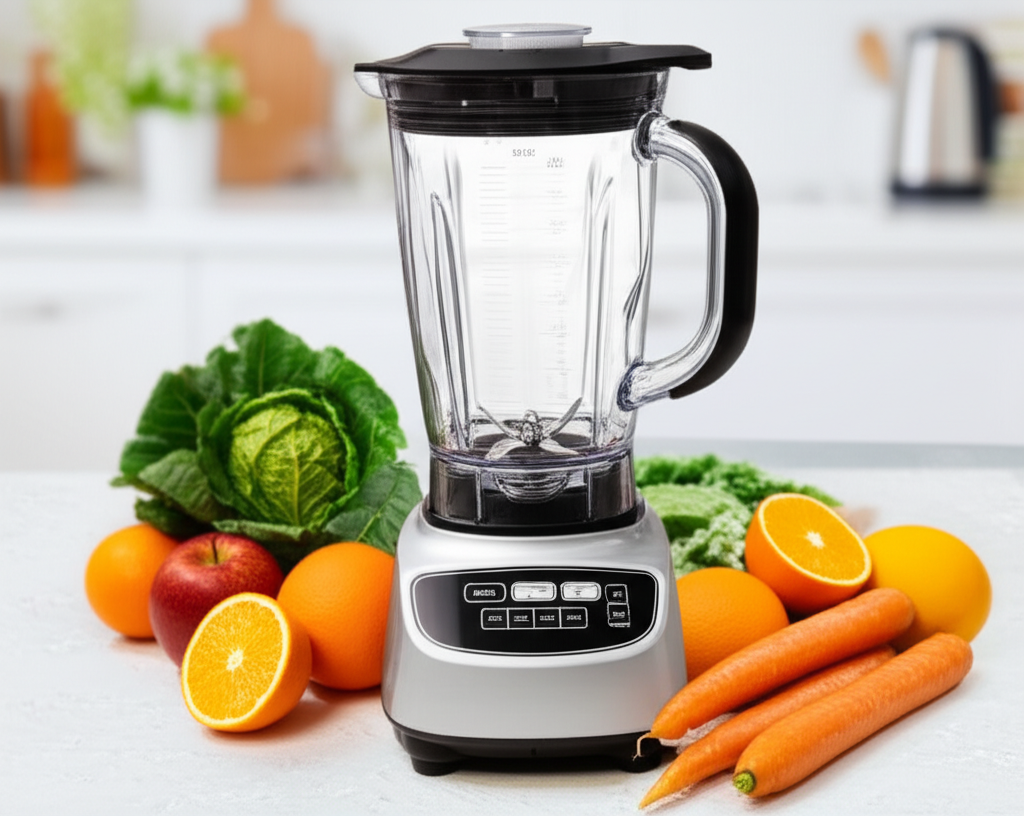
Blenders are designed to chop, liquefy, and combine ingredients. They have powerful blades that spin at high speeds, breaking down entire fruits and vegetables into a smooth consistency. This process incorporates all parts of the produce – the flesh, skin, seeds (if small enough), and most importantly, the fiber – into the final product. Think of it as creating a complete meal in liquid form. This is why blended drinks are often called smoothies; they are a whole-food beverage, packed with fiber and nutrients.
How Juicers Work
Juicers, on the other hand, are specifically engineered to extract liquid from produce while separating it from the solid pulp and fiber. There are two main types of juicers:
- Centrifugal Juicers: These use a fast-spinning basket with a mesh screen to separate juice from pulp. They are generally faster and more affordable.
- Masticating (Slow) Juicers: These use a slow-moving auger to crush and press produce, yielding more juice and preserving more nutrients, especially from leafy greens. They are often more expensive but considered superior for juice quality.
The result from a juicer is a clear, pulp-free liquid. This means you’re getting a concentrated dose of vitamins, minerals, and antioxidants without the bulk of the fiber. This separation is what allows for quicker absorption of nutrients, though it also means you miss out on the benefits of dietary fiber.
Can You Actually Juice with a Blender? The Process Explained
So, can you achieve something like juice using your blender? Yes, with a few extra steps. It’s not a direct replacement for a juicer, but you can extract a significant amount of liquid. Here’s how you can attempt to “juice” with a blender:
Step 1: Prepare Your Produce
Wash all your fruits and vegetables thoroughly. Remove any large pits, seeds (like from apples or pears), or tough outer peels that you wouldn’t normally consume. For harder items like carrots or beets, you might want to chop them into smaller, manageable pieces to help your blender process them more easily.
Step 2: Blend with Minimal Liquid
This is where you deviate from making a typical smoothie. Add your prepared produce to the blender. Instead of adding a cup or more of water, juice, or milk, add just enough liquid to help the blades catch and move the ingredients. Start with a very small amount, perhaps 1/4 to 1/2 cup for a batch of produce. You can also add a small amount of water to help the process. The goal is to create a thick puree, not a drinkable smoothie at this stage.
Step 3: Blend Until Smooth
Start your blender on a low speed and gradually increase to high. Blend for a minute or two, or until the mixture is as smooth as possible. You want to break down the produce as much as you can to release its liquid content.
Step 4: Strain, Strain, Strain!
This is the most critical and labor-intensive step if you want juice. You’ll need a fine-mesh sieve, a nut milk bag, or a piece of cheesecloth (lined with a few layers for better straining). Place your chosen straining tool over a bowl or pitcher. Pour the blended mixture into the sieve or bag. If using a sieve, you may need to use the back of a spoon to press down on the pulp, forcing the liquid through. If using a nut milk bag or cheesecloth, gather the edges and twist, then squeeze the bag firmly to extract as much liquid as possible. Be prepared for this to take some time and effort, especially with fibrous ingredients like celery or ginger.
Step 5: Second Strain (Optional but Recommended)
For an even clearer juice, you can strain the liquid a second time. This will help remove any remaining fine particles and give you a smoother, more juice-like consistency. This is where you truly start to see the difference between a blended pulp and extracted juice.
What to Expect: The Blender Juice Reality
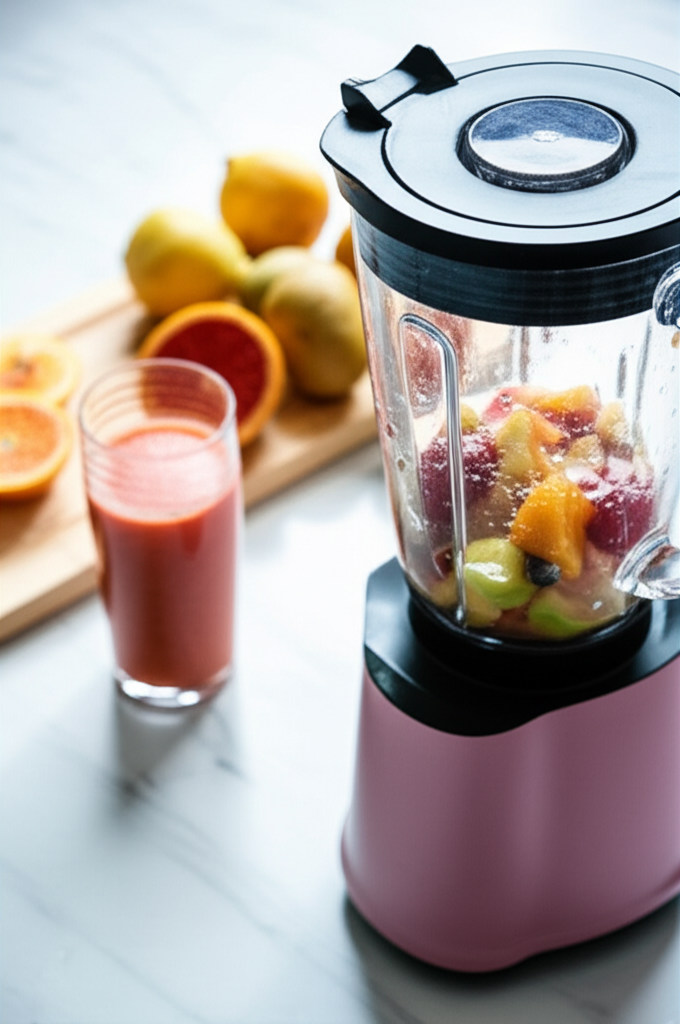
When you use a blender to make juice, the outcome is different from what you’d get from a dedicated juicer. Understanding these differences will help manage your expectations.
Texture and Consistency
Even after straining, the liquid from a blender will likely be thicker and have a slightly cloudier appearance than juice made with a juicer. You might still detect a very fine pulp, giving it a less refined texture. This is because blenders don’t efficiently separate fiber in the same way juicers do. The straining process removes the bulk of the fiber, but some micro-particles may remain suspended in the liquid.
Nutrient Profile
While you’ll still get plenty of vitamins, minerals, and antioxidants, the nutrient profile differs. Blending keeps all the fiber, which is excellent for digestion and satiety. When you strain it, you’re removing a significant portion of that fiber. Juicing, by design, removes most of the fiber, delivering a more concentrated burst of liquid nutrients that are quickly absorbed. However, some studies suggest that the nutrient retention might be higher in smoothies (unstrained blends) due to the presence of fiber, which can protect certain nutrients during digestion. For example, fat-soluble vitamins are better absorbed when consumed with dietary fats, which are present in the whole food.
Yield
You will likely get less liquid yield from a blender compared to a juicer, especially with fibrous vegetables. The straining process can be inefficient at extracting every last drop, and some of the liquid will remain trapped within the pulp. Juicers are designed to maximize liquid extraction.
Fruits and Vegetables That Work Best for Blender Juicing
Not all produce is created equal when it comes to trying to extract juice with a blender. Some items contain more natural liquid and break down more easily, making them better candidates for this method.
High-Water Content Fruits:
- Watermelon: Naturally very juicy and easy to blend.
- Oranges (peeled): Contain a lot of liquid, but peel must be removed.
- Cantaloupe & Honeydew Melon: Soft and watery.
- Pineapple: Sweet and juicy, though fibrous.
- Berries (Strawberries, Blueberries, Raspberries): Release juice easily.
Vegetables with Moderate Success:
- Cucumbers: High water content and soft texture.
- Tomatoes: Naturally very juicy.
- Celery: Can be fibrous, requires good straining.
- Apples: Contain decent liquid, but can get pulpy.
- Grapes: Easy to blend and yield good liquid.
Harder vegetables like carrots, beets, and kale are more challenging. They will require more liquid to blend and will result in a pulpier mixture that is harder to strain effectively. For these, a dedicated juicer is highly recommended.
When to Use a Blender vs. a Juicer
Deciding whether to use your blender or a juicer depends on your goals and what you want to achieve.
Choose Your Blender When:
- You want a smoothie: The blender is king for smoothies, delivering a fiber-rich, satisfying drink.
- You’re on a budget: If you already own a blender, it’s a cost-effective way to experiment with homemade juices.
- You need convenience (for smoothies): Blenders are generally quicker for making smoothies, and cleanup is usually simpler than with a juicer.
- You want to include fiber: For digestive health benefits, keeping the fiber in your drink is ideal.
- You’re making a simple, watery juice base: For things like watermelon or cucumber juice, a blender can work reasonably well.
Choose a Juicer When:
- You want pure, clear juice: The primary function of a juicer is to produce pulp-free juice.
- You want to maximize nutrient intake in liquid form: Juicers deliver a concentrated dose of vitamins and minerals.
- You plan to juice frequently: A dedicated juicer is more efficient and produces better quality juice for regular consumption.
- You want to juice leafy greens and hard vegetables: Juicers, especially masticating ones, handle these ingredients far better than blenders.
- You prefer a thinner, more refreshing drink: The texture of juiced produce is lighter and more thirst-quenching.
For those new to juicing, starting with a blender can be a good way to explore the world of fresh produce drinks without a significant investment. You can learn what fruits and vegetables you enjoy consuming in liquid form before committing to a juicer. Research by organizations like the USDA highlights the nutrient density of various fruits and vegetables, guiding you on what to incorporate into your drinks, whether blended or juiced.
Pros and Cons of Using a Blender for Juicing
Let’s break down the advantages and disadvantages of using your blender as a makeshift juicer.
Pros:
| Advantages | Description |
|---|---|
| Cost-Effective | Uses an appliance you likely already own, saving money on a juicer. |
| Fiber Inclusion (if not strained) | When not strained, it creates nutrient-dense smoothies with beneficial fiber. |
| Versatility | Blenders can make smoothies, soups, sauces, and more, making them a multi-purpose tool. |
| Simplicity (for smoothies) | Creating a smoothie is a one-step process. |
Cons:
| Disadvantages | Description |
|---|---|
| Pulp and Fiber | Results in a thicker, pulpier liquid that requires significant straining for juice-like consistency. |
| Labor-Intensive Straining | Requires extra time and effort to strain out the pulp. |
| Lower Juice Yield | Less efficient at extracting liquid compared to a dedicated juicer. |
| Texture Differences | The final product is often less refined and smooth than true juice. |
| Difficulty with Greens/Hard Veggies | Less effective for juicing leafy greens and tough root vegetables. |
For example, consider making carrot juice. A juicer can extract a smooth, vibrant liquid. A blender, however, will pulverize the carrot into a thick puree that, even after straining, might leave a gritty residue. This highlights the specialized nature of juicers.
Pro Tips for Blender Juicing Success
If you’re committed to using your blender for juicing, here are some tips to make the process smoother and the results better:
- Use Ripe, Juicy Produce: The riper the fruit or vegetable, the more juice it will contain and the easier it will be to extract.
- Chop Finely: Smaller pieces blend more thoroughly, releasing more liquid.
- Don’t Overfill: Blend in batches if necessary to avoid straining your blender’s motor.
- Invest in a Good Straining Tool: A nut milk bag is often more efficient than a fine-mesh sieve for squeezing out liquid.
- Clean Immediately: Blended pulp can dry and become difficult to remove. Rinse your blender and strainer right after use.
Cleaning Your Blender After Juicing
Cleaning up after juicing with a blender can be a bit more involved than after making a smoothie, especially if you’ve strained the pulp. Here’s a quick guide:
- Rinse Immediately: As soon as you’ve poured out your juice, rinse the blender jug, lid, and blades with warm water. This prevents pulp from drying and sticking.
- Use Soap and Water: For a more thorough clean, add a drop of dish soap and some warm water to the blender jug. Secure the lid and blend on a low speed for 30 seconds. This usually dislodges most residue.
- Scrub if Necessary: If there’s still pulp stuck to the sides or blades, use a soft brush or sponge to gently scrub them clean. Be careful around the blades.
- Clean the Strainer: Rinse your sieve, nut milk bag, or cheesecloth thoroughly. Nut milk bags can often be put in the washing machine (in a mesh laundry bag). Cheesecloth might need to be hand-washed and dried.
- Dry Thoroughly: Ensure all parts are completely dry before reassembling or storing to prevent mold or mildew.
A clean blender is essential for hygiene and for maintaining the appliance’s longevity. For detailed cleaning instructions specific to your blender model, consult your user manual. Many modern blenders are designed for easy disassembly and cleaning.
Frequently Asked Questions (FAQ)
Q1: Will I get the same health benefits from “blender juice” as from juicer juice?
You will get many of the same vitamins and minerals, but the fiber content will be different. True juice from a juicer is largely fiber-free, allowing for quicker nutrient absorption. Blender juice, even after straining, might retain some fine pulp, and if you don’t strain it, it’s essentially a smoothie, which offers benefits from fiber like improved digestion and longer-lasting fullness.
Q2: Is it worth buying a juicer if I already have a blender?
If you are serious about making clear, pulp-free juices regularly, especially from leafy greens and hard vegetables, a juicer is a worthwhile investment. It’s more efficient, produces better quality juice, and makes the process much easier.
Q3: How much pulp will be left in my blender juice?
This depends heavily on your blender’s power and how well you strain. A powerful blender and a good nut milk bag might leave very little, while a less powerful blender and a fine-mesh sieve could leave a noticeable amount of fine pulp.
Q4: Can I juice citrus fruits like oranges and lemons in a blender?
Yes, but you must peel them first. The pith and peel contain bitter oils and can be difficult to digest. Blend the peeled segments with minimal water and strain well. A citrus juicer is much easier for pure citrus juice.
Q5: What are the best recipes to try for blender juicing?
Start with high-water content fruits like watermelon, cucumber, and berries. These blend and strain more easily. For example, a simple watermelon and mint blend, strained, can be quite refreshing.
Q6: Can I use my blender to juice ginger or turmeric?
Ginger and turmeric are fibrous and hard. While you can blend them, they are very difficult to strain effectively, and the resulting liquid will be quite pulpy. A juicer is much better suited for these ingredients.
Conclusion
So, can you use a blender to juice? The answer is a nuanced yes. You can extract liquid from fruits and vegetables using a blender, but it requires a significant extra step of straining to achieve a juice-like consistency. The result will likely be thicker and less refined than juice made with a dedicated juicer. However, for beginners or those on a budget, it’s a fantastic way to start experimenting with fresh produce drinks and discover your favorite flavor combinations. If your goal is pure, clear juice, especially from a wide variety of produce, investing in a juicer is the superior choice. Ultimately, whether you blend or juice, the act of incorporating more fresh fruits and vegetables into your diet is a win for your health and well-being!
smartblander.com is a participant in the Amazon Services LLC Associates Program, an affiliate advertising program. As an Amazon Associate, we earn from qualifying purchases made through our links.
