

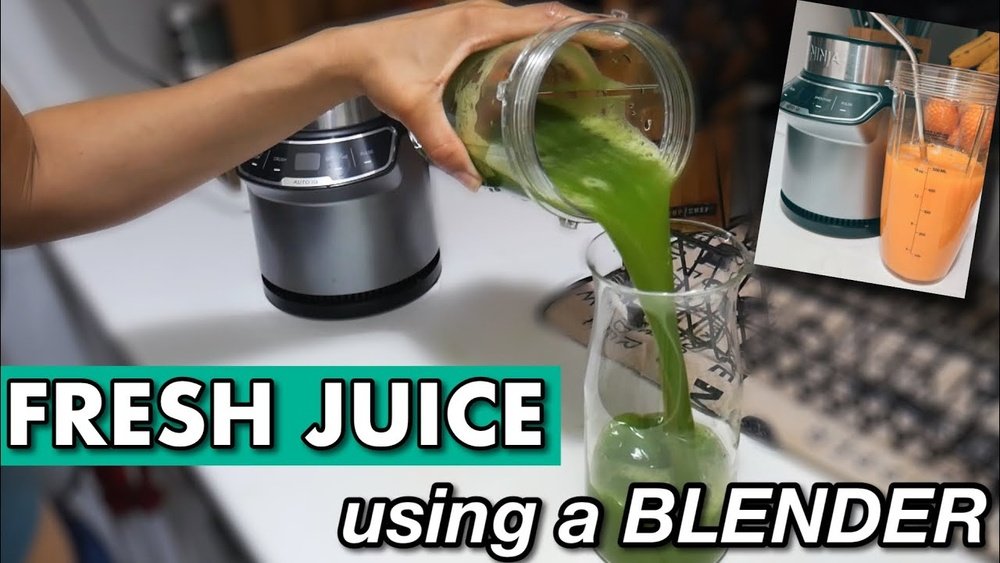
Have you ever wondered if your blender could double as a juicer? If you’re looking to enjoy fresh juice but don’t want to buy another kitchen gadget, this question is probably on your mind.
Using a blender to make juice sounds simple and convenient, but does it really work the same way? You’ll discover the truth about blending versus juicing, how each method affects your drink, and whether your blender can truly replace a juicer.
Keep reading to find out how to get the most from your blender and make delicious, healthy juice at home.

Credit: theconscientiouseater.com
Blender Vs Juicer
Choosing between a blender and a juicer can affect your kitchen routine. Each appliance serves a different purpose. Knowing how they work helps you decide which one fits your needs.
How Blenders Work
Blenders use sharp blades to chop and mix whole fruits and vegetables. They break down the entire food, including pulp and fiber. The result is a thick, smooth drink called a smoothie. Blenders keep all the fiber, which helps with digestion.
How Juicers Work
Juicers separate juice from the pulp. They extract liquid by crushing or spinning fruits and vegetables. The juice is smooth and pulp-free. Juicers remove most fiber, giving a lighter, thinner drink. This juice is easier to drink quickly.
Key Differences
Blenders keep all parts of fruits and vegetables. Juicers remove the pulp and fiber. Blended drinks are thicker and fuller. Juiced drinks are lighter and clear. Blenders work well for smoothies and soups. Juicers are best for fresh, pure juice. Cleaning blenders is usually easier than cleaning juicers. Each tool suits different drink preferences and health goals.
Using A Blender For Juicing
Using a blender for juicing is a simple way to make fresh juice at home. A blender breaks down fruits and vegetables into a thick mixture. This method keeps all the fiber, which is good for digestion and feeling full. Blenders are easy to use and clean, making them a popular choice for juice lovers.
Best Ingredients For Blending
Choose soft fruits like bananas, berries, and mangoes for smooth juice. Leafy greens such as spinach and kale blend well too. Avoid hard vegetables like carrots unless chopped small. Add water or coconut water to help the blending process. Citrus fruits add fresh flavor but remove seeds first.
Techniques For Blending Juice
Cut ingredients into small pieces for even blending. Start blending on low speed, then increase to high. Blend for 30 to 60 seconds until smooth. Use a tamper tool to push ingredients toward the blades. Add liquid gradually to control the thickness of juice.
Straining Methods
Pour blended juice through a fine mesh strainer or cheesecloth. Use a spoon to press pulp and extract more juice. For less pulp, strain twice. Save leftover pulp for smoothies or baking. Straining gives a clear, smooth juice like store-bought versions.
Pros And Cons Of Blending Juice
Using a blender as a juicer has its own benefits and drawbacks. It is important to know what to expect before you start blending your fruits and vegetables. This section covers the main pros and cons to help you decide.
Nutrient Retention
Blending keeps all parts of the fruit or vegetable. This means you get more fiber and nutrients. The fiber helps digestion and keeps you full longer. Nutrients like vitamins and minerals stay in the juice. Some juicers remove the pulp and fiber, losing these benefits.
Texture And Taste
Blended juice has a thicker texture than juiced juice. It can feel like a smoothie or shake. Some people like the fullness, others prefer a smooth drink. Blending mixes the flavors well. Sometimes, bits of pulp can stay, making it less smooth.
Time And Cleanup
Blending juice takes less time than using a juicer. You only need to cut the fruit into pieces and blend. Cleanup is easier because blenders have fewer parts. Juicers can have many small parts that need washing. Less cleanup means more time to enjoy your drink.
When To Choose A Juicer
Choosing between a blender and a juicer depends on the results you want. Juicers make clear juice without pulp. Blenders create thicker drinks with all the fiber. Knowing when to use a juicer helps you get the best taste and texture.
Types Of Juicers
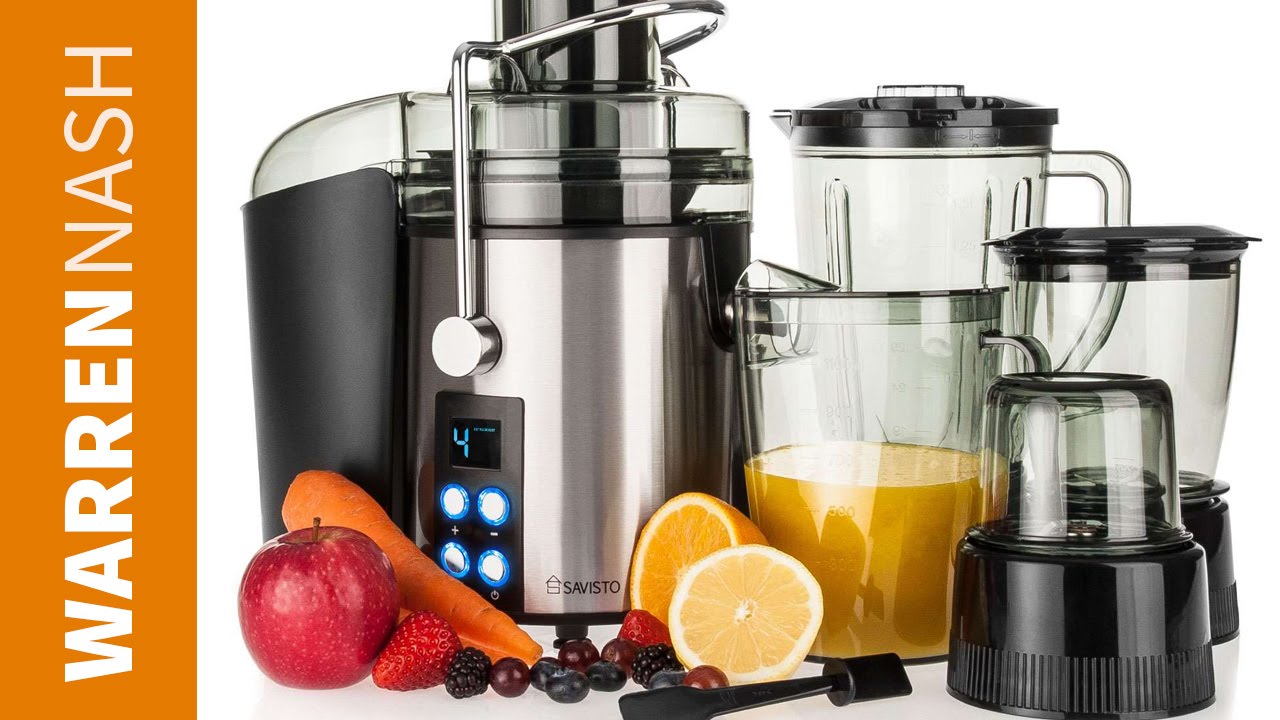
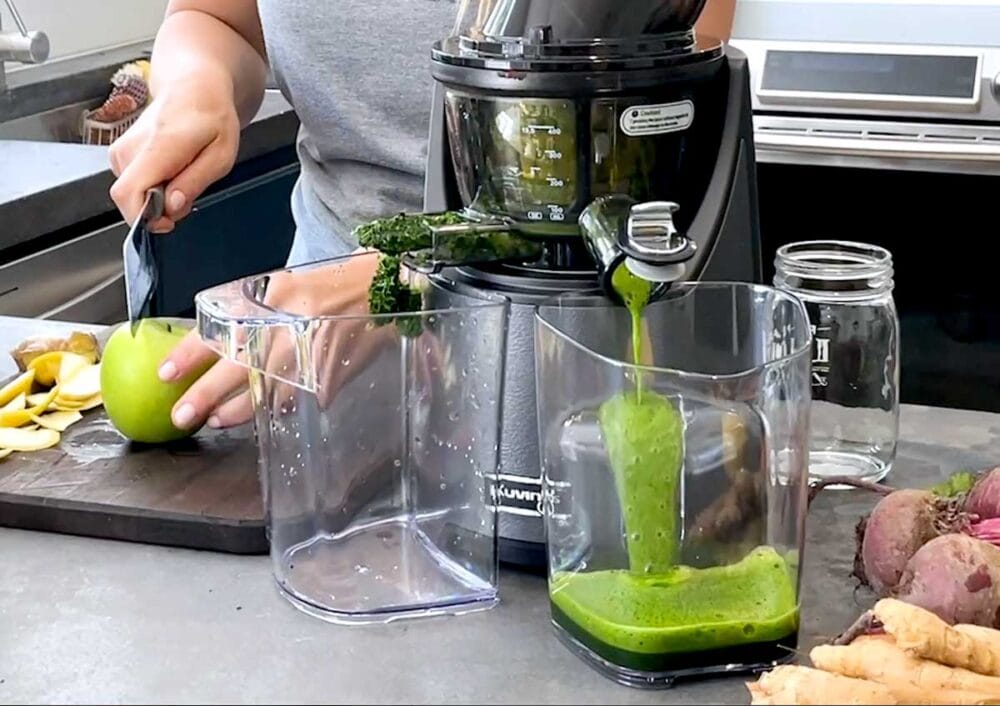
Juicers come in different styles. Centrifugal juicers use fast spinning blades to extract juice. They are quick but may add air to the juice. Masticating juicers crush fruits slowly. They keep more nutrients and juice. Triturating juicers use two gears to press fruits. They give the highest juice yield.
Benefits Of Juicing
Juicing removes most fiber from fruits and vegetables. This makes juice easier to digest. It delivers vitamins and minerals quickly to the body. Juicing helps you drink more fruits and vegetables in less time. It is useful for detox or cleansing diets.
Limitations Of Blenders
Blenders keep all the fiber in the drink. This can make the drink thick and harder to swallow. Blenders do not separate juice from pulp. They may not extract juice as cleanly as juicers. Some fruits and vegetables may not blend smoothly. Cleaning blenders can be harder due to pulp build-up.
Tips For Better Homemade Juice
Making juice at home with a blender is simple and healthy. It lets you control ingredients and avoid extra sugars or preservatives. Follow these tips for better homemade juice. They help improve taste, texture, and freshness. Enjoy juice that feels fresh and natural every time.
Combining Fruits And Vegetables
Mix fruits and vegetables for a balanced juice. Fruits add sweetness, while vegetables bring nutrients. Try apples with carrots or spinach with pineapple. Avoid too many sweet fruits to keep juice light. Use fresh, ripe produce for best flavor.
Balancing Flavor And Texture
Blend ingredients until smooth but not watery. Add water or ice to thin thick juice. Use citrus fruits like lemon or lime to brighten taste. Add a small piece of ginger for spice. Strain juice if you want a smoother drink.
Storage And Freshness
Drink juice soon after making it for best taste. Store juice in a glass jar with a lid in the fridge. Keep it cold and away from air to slow down spoiling. Use juice within 24 hours to keep vitamins strong.
Credit: www.youtube.com
Credit: simplegreensmoothies.com
Frequently Asked Questions
Can A Blender Replace A Juicer Effectively?
A blender can make juice, but it won’t separate pulp like a juicer. It creates smoothies with fiber, offering more nutrients and fullness. However, a juicer extracts clear juice, ideal for quick absorption and less fiber content.
How To Use A Blender To Make Juice?
To make juice in a blender, add chopped fruits or veggies with water. Blend until smooth, then strain through a fine sieve or cheesecloth to remove pulp. This method mimics juicing but retains more fiber unless strained thoroughly.
Is Juice From A Blender As Healthy As From A Juicer?
Juice from a blender includes all fiber, making it more filling and nutritious. Juicer extracts pure juice without fiber, which some prefer for easier digestion. Both methods offer health benefits, depending on your dietary needs and preferences.
What Fruits And Vegetables Work Best In A Blender For Juice?
Soft fruits like berries, melons, and citrus blend well for juice. Leafy greens and harder veggies like carrots also work but may need extra water. Avoid fibrous or tough skins unless peeling to ensure smooth blending.
Conclusion
A blender can work like a juicer but with some limits. It blends whole fruits and vegetables, keeping all the fiber. Juicers separate juice from the pulp, giving a smoother drink. Using a blender means you might need to strain the mix.
This makes the juice thicker and less clear. For quick and easy juice, a blender does the job. But for pure juice, a juicer works best. Choose based on what you want from your drink. Both tools can help you enjoy fresh fruits and veggies.
smartblander.com is a participant in the Amazon Services LLC Associates Program, an affiliate advertising program. As an Amazon Associate, we earn from qualifying purchases made through our links.
