

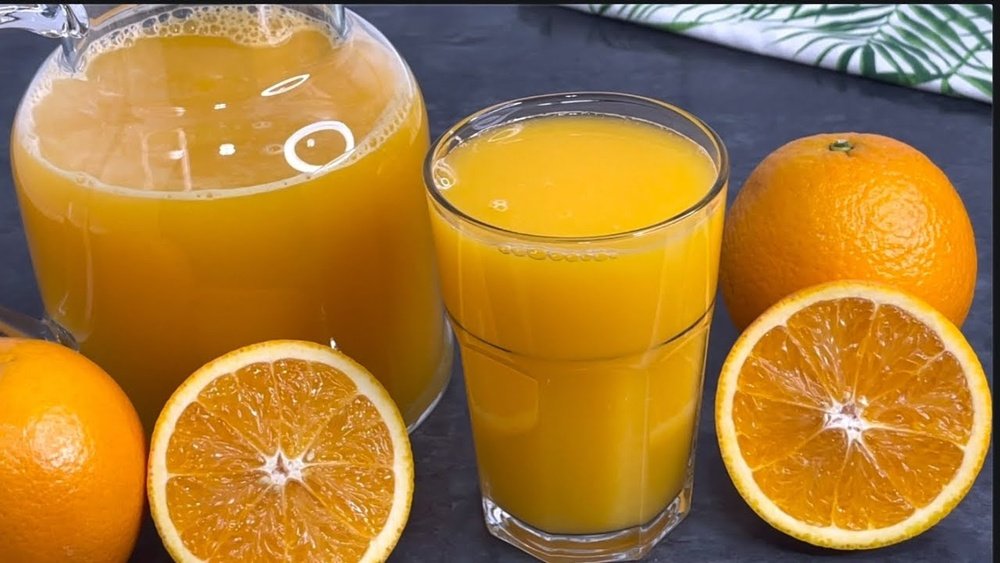
Have you ever wondered if you can make fresh orange juice using just your blender? If you’re tired of buying store-bought juice that’s full of added sugars and preservatives, this might be the simple solution you’re looking for.
Making orange juice at home with a blender is quick, easy, and lets you control exactly what goes into your glass. You’ll discover how to turn fresh oranges into delicious juice using your blender, along with tips to make it taste even better.
Ready to enjoy fresh, natural orange juice anytime you want? Keep reading to find out how!
Credit: elisetriestocook.com
Blender Vs Juicer
Choosing between a blender and a juicer affects how you make orange juice. Both tools have unique ways to extract juice from oranges. Understanding their differences helps you pick the right one for your needs. The choice changes the taste, texture, and juice quality.
Differences In Extraction
A juicer presses the orange to pull out liquid only. It separates juice from seeds, skin, and pulp. This results in clear, smooth juice without bits. A blender crushes the whole fruit, including peel and pulp. It keeps everything, making a thicker drink. The juice from a blender contains more fiber but more texture.
Texture And Pulp Variations
Juicer juice feels smooth and light on the tongue. It has less pulp and no seeds. Blender juice is thicker and can be chunky. You will taste the pulp and some tiny bits of peel. This gives a fuller mouthfeel and more fiber. The choice depends on how you like your orange juice.

Credit: www.youtube.com
Choosing The Right Oranges
Choosing the right oranges affects the taste and texture of your juice. Not all oranges work well in a blender. Some have more juice, others have thicker skins or seeds. Picking good oranges makes your juice fresh and smooth.
Knowing which oranges suit blending helps get the best flavor. Freshness and ripeness matter a lot. Let’s explore the best orange types and how to pick ripe, fresh fruit.
Best Orange Varieties
Navel oranges are popular for juicing. They have sweet, juicy flesh and no seeds. Valencia oranges are another top choice. They are very juicy and have a bright, tangy flavor. Blood oranges add a unique color and sweet taste. These varieties blend well and offer fresh juice.
Seville oranges are bitter and not good for juice. Choose sweet oranges for smooth, tasty results. Picking the right variety saves time and effort in blending.
Ripeness And Freshness Tips
Pick oranges that feel heavy for their size. Heavy ones hold more juice. The skin should be firm and smooth. Avoid oranges with soft spots or wrinkles. Fresh oranges taste sweeter and blend easier.
Check the color. Bright orange usually means ripe fruit. Avoid green patches, which show underripe oranges. Store oranges at room temperature and use them quickly for the best juice flavor.
Preparing Oranges For Blending
Preparing oranges properly helps you make fresh juice with a blender. This step improves the juice’s taste and texture. It also removes parts that might make the juice bitter or tough to drink. Follow these simple steps to get your oranges ready.
Peeling And Segmenting
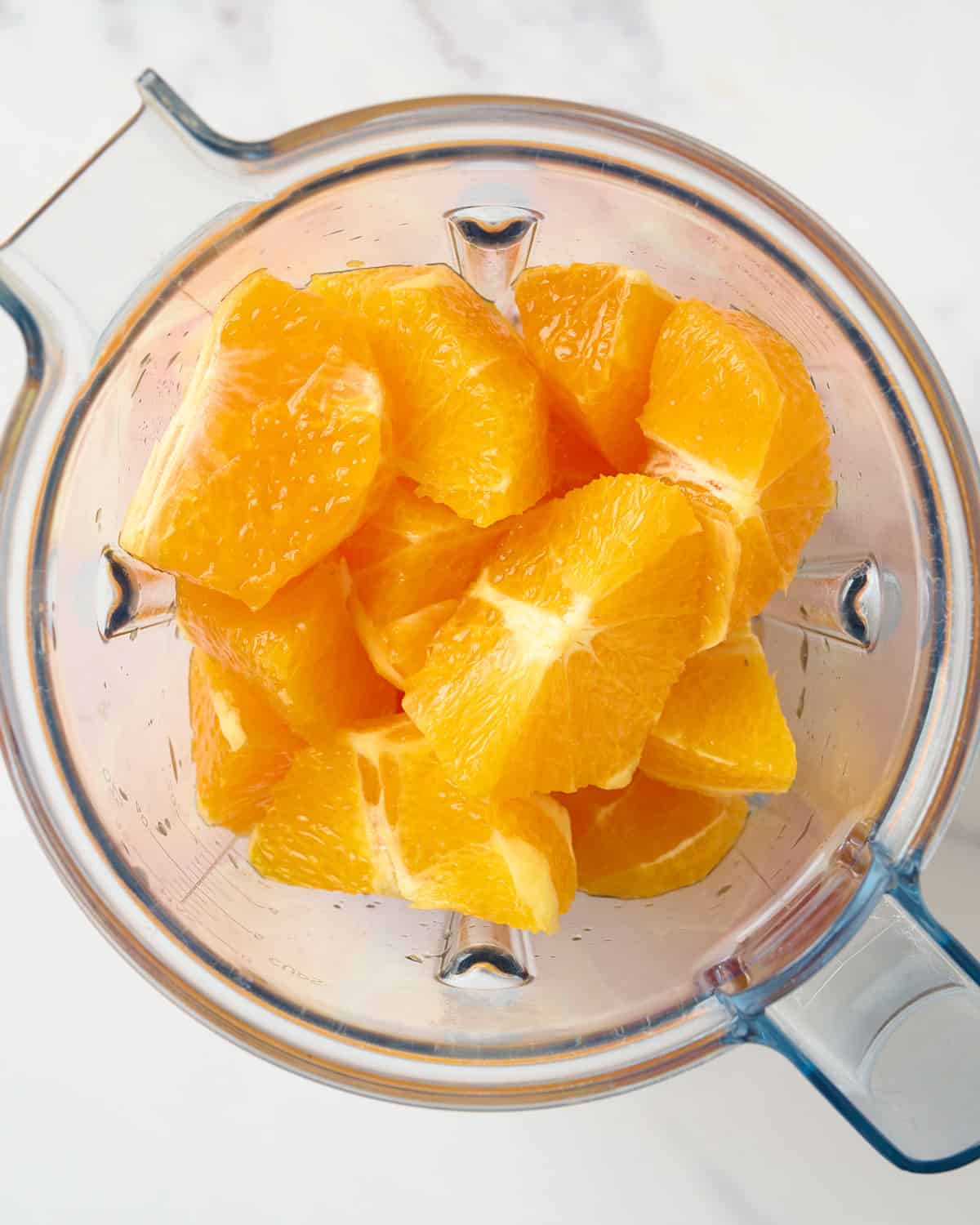
Start by peeling the orange skin completely. The skin is thick and bitter, so remove it all. Use your hands or a small knife to peel carefully. Next, separate the orange into small segments. This makes it easier to blend and gives a smoother juice.
Removing Seeds And Pith
Check each segment for seeds. Seeds can make the juice bitter and affect the texture. Take them out with your fingers or a small spoon. Also, remove the white pith. The pith tastes bitter and can change the juice’s flavor. Clean segments make a better, sweeter juice.
Step-by-step Blending Process
Making orange juice with a blender is simple and quick. Follow these clear steps for fresh juice at home. The process involves blending the oranges carefully and deciding how much pulp you want. Each step affects the taste and texture of your juice.
Here is the step-by-step blending process to help you get the best juice.
Setting Blender Speed
Start by placing peeled orange segments in the blender. Choose a medium speed to avoid splashing. Medium speed helps break down the fruit gently. It keeps the juice smooth without over-processing. Avoid high speed to prevent bitter taste from the rind.
Blending Duration
Blend the oranges for about 30 to 45 seconds. Stop and check the texture. If chunks remain, blend for 10 more seconds. Avoid blending too long to keep fresh flavor. The juice should look smooth but not watery.
Straining Or Leaving Pulp
Decide if you want pulp in your juice. Use a fine mesh strainer to remove pulp for smooth juice. Press the pulp gently to get all the juice out. Leave the pulp in if you prefer a thicker texture. Pulp adds fiber and a natural taste to juice.
Enhancing Flavor And Texture
Making orange juice with a blender is easy and fun. You can change the flavor and texture to make it just how you like. Small changes can make your juice taste sweeter or fresher. You can also give it a thicker or smoother feel. This section talks about simple ways to improve your orange juice.
Adding Sweeteners Or Spices
Sometimes, oranges are a little sour. Adding sweeteners can balance the taste. Sugar, honey, or agave syrup work well. Add a small amount and taste as you go. Spices like cinnamon or ginger add warmth and a new flavor layer. A pinch of salt can also bring out sweetness. Mix these in your blender with the oranges for a smooth blend.
Mixing With Other Fruits
Mixing oranges with other fruits creates exciting flavors. Pineapple adds a tropical twist. Apples bring a mild sweetness. Bananas make the juice creamy and thick. Berries add color and a fresh zing. Cut fruits into small pieces for easy blending. Blend well for a smooth texture. This mix can make your juice more refreshing and fun to drink.
Health Benefits Of Blended Orange Juice
Blended orange juice offers many health benefits. It keeps more nutrients and fiber from the whole fruit. Drinking it supports your immune system and digestion. You get a tasty drink that is both fresh and healthy.
Nutrient Retention
Blending oranges helps keep most vitamins in the juice. Vitamin C, a powerful antioxidant, stays strong. It fights free radicals that can harm cells. Other nutrients like folate and potassium remain intact too. This makes blended juice a good source of essential nutrients.
Fiber Content
Blended orange juice contains more fiber than squeezed juice. Fiber helps improve digestion and keeps you full longer. It also helps control blood sugar and cholesterol levels. The pulp in blended juice adds this important fiber. Drinking it supports a healthy gut and better digestion.
Common Mistakes To Avoid
Making orange juice with a blender is easy, but there are common mistakes to avoid. These errors can affect taste and texture. Avoiding them will give you fresh, tasty juice every time.
Overblending
Blending oranges too long can make the juice bitter. The peel releases oils that taste strong and unpleasant. Blend just enough to mix the fruit and juice. Stop as soon as you see smooth juice with pulp.
Using Unripe Oranges
Unripe oranges produce sour and thin juice. They lack natural sweetness and juice content. Choose ripe oranges with a bright color and a slight softness. This ensures sweeter, juicier results for your blend.
Credit: www.indianhealthyrecipes.com
Cleaning And Maintaining Your Blender
Cleaning and maintaining your blender is important for fresh and tasty orange juice. Proper care keeps your blender working well for a long time. It also stops smells and stains from building up. Follow simple steps right after use to keep your blender clean and fresh.
Post-use Cleaning Tips
Rinse the blender jar with warm water right after use. This removes leftover pulp and juice easily. Fill the jar halfway with warm water and add a drop of dish soap. Blend on low speed for 30 seconds. Rinse again with clean water. Dry all parts with a soft cloth before storing.
Preventing Odors And Stains
To stop odors, blend a mixture of water and lemon juice. Let it sit in the jar for 10 minutes, then rinse well. For stains, use a paste of baking soda and water. Rub the paste on the jar and let it sit for 15 minutes. Rinse thoroughly to avoid residue. Clean the lid and blades carefully to keep everything fresh.
Frequently Asked Questions
Can You Make Fresh Orange Juice With A Blender?
Yes, you can make fresh orange juice using a blender. Simply peel and segment the oranges, then blend until smooth. Strain if you prefer pulp-free juice. Blending preserves nutrients and gives a fresh, natural taste.
How Long Should You Blend Oranges For Juice?
Blend oranges for about 30 to 60 seconds. This ensures the fruit is fully broken down, releasing maximum juice and flavor. Over-blending can cause a bitter taste from the peel, so blend just enough for smooth consistency.
Do You Need To Peel Oranges Before Blending?
Yes, peeling oranges before blending is recommended. The peel is bitter and can affect the juice’s taste. Removing the peel ensures a sweeter, smoother orange juice without unwanted bitterness.
Can You Blend Whole Oranges Including Seeds?
It’s best to remove seeds before blending. Orange seeds can add a bitter taste and affect texture. Removing seeds improves the juice’s flavor and makes it smoother to drink.
Conclusion
Making orange juice with a blender is simple and quick. You only need fresh oranges and a blender. Cut the oranges, blend them, and strain if you want pulp-free juice. This method saves time and effort. It also keeps the juice fresh and tasty.
A blender works well for small batches at home. Try it today for a fresh, healthy drink. Enjoy your homemade orange juice anytime!
smartblander.com is a participant in the Amazon Services LLC Associates Program, an affiliate advertising program. As an Amazon Associate, we earn from qualifying purchases made through our links.
