

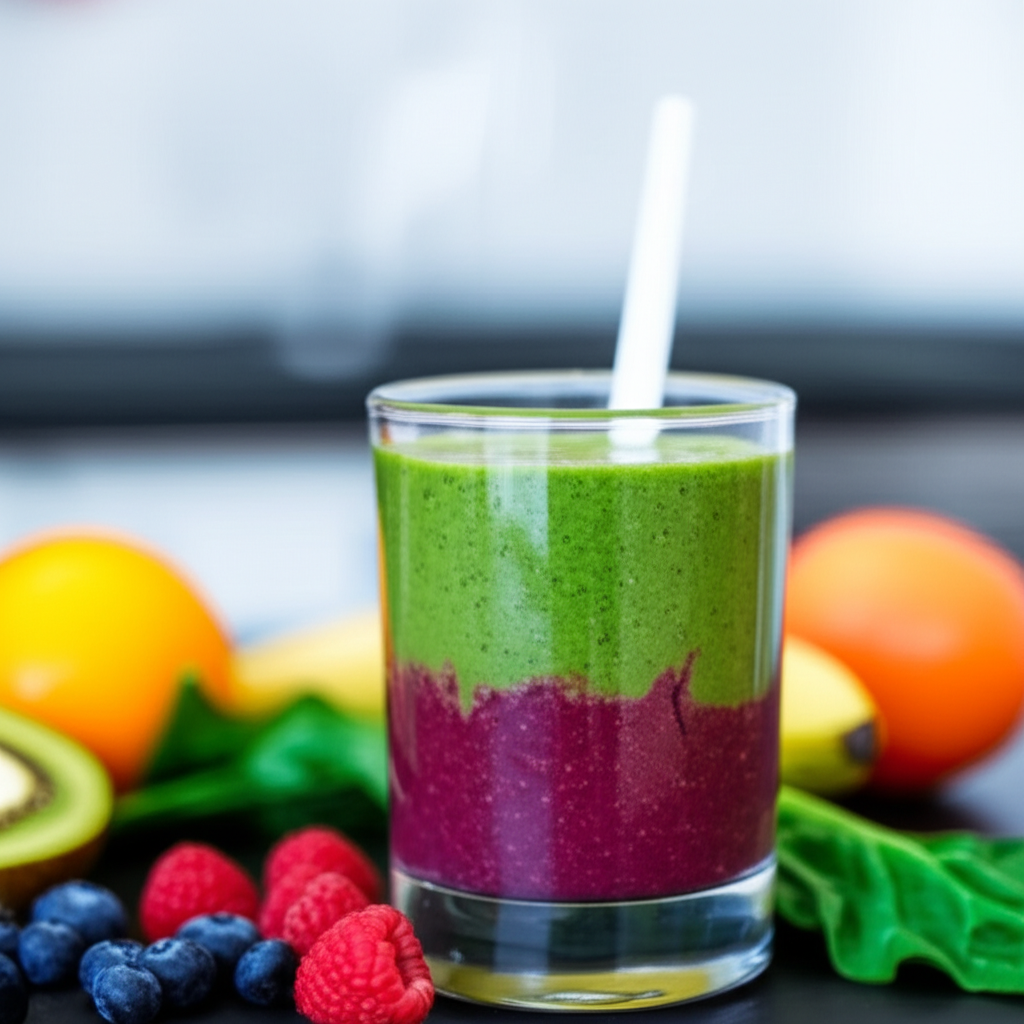
Yes, you can often drink smoothies while fasting, but it depends entirely on the type of fast you’re observing. The biggest mistake is consuming a smoothie with ingredients that break your fast, negating its benefits. This guide clarifies which smoothies are fast-friendly and which to avoid.
Key Takeaways
- Understand your fasting goals before blending.
- Pure water or black coffee are safest for most fasts.
- Fruit-only smoothies can still impact blood sugar.
- Choose low-calorie, non-caloric ingredients for fasting smoothies.
- Listen to your body; not all fasts are suitable for smoothies.
- Avoid added sugars, fats, and proteins during fasting windows.
Can You Drink Smoothies While Fasting? Avoid This Mistake!
Fasting is a popular practice for many health and wellness goals. You might be curious about incorporating nutrient-dense smoothies into your routine. But can you actually drink smoothies while fasting? It’s a common question, and the answer can be confusing. Many people make a crucial mistake by blending ingredients that unintentionally break their fast. This guide will clear up the confusion. We’ll help you understand what’s permissible and how to enjoy a fast-friendly smoothie without derailing your efforts. Get ready to blend with confidence!
Understanding Different Types of Fasting
Before we dive into smoothies, it’s essential to grasp the concept of fasting and its various forms. Fasting isn’t just about abstaining from food; it’s about creating specific metabolic states in your body. The rules for what you can consume during a fast depend heavily on the type of fasting you are doing. Understanding these distinctions is key to knowing whether a smoothie fits into your fasting window.
Intermittent Fasting (IF)
Intermittent fasting is an eating pattern that cycles between periods of voluntary fasting and non-fasting. It doesn’t dictate what you eat, but rather when you eat. Common IF schedules include:
- 16/8 Method: Fast for 16 hours, and eat within an 8-hour window.
- 5:2 Diet: Eat normally for five days a week and restrict calories to about 500–600 on two non-consecutive days.
- Eat-Stop-Eat: Involves a 24-hour fast once or twice a week.
During the fasting periods of IF, the goal is to keep caloric intake very low. Some purists stick to water, black coffee, or plain tea. Others allow a very small number of calories if it doesn’t significantly disrupt their metabolic state.
Water Fasting
A water fast is precisely what it sounds like: you consume only water for a set period, typically ranging from 24 hours to several days. This is one of the strictest forms of fasting. During a water fast, even a single calorie is considered breaking the fast. Therefore, any kind of smoothie, no matter how healthy, would not be suitable for a water fast.
Juice Fasting (Detox Diets)
Juice fasting, often marketed as a “detox,” involves consuming only fruit and vegetable juices for a period. While this involves drinking, it’s a different concept from intermittent fasting. The primary goal here is often to give the digestive system a break and flood the body with nutrients from the juice. Smoothies can sometimes be incorporated into juice fasts, but they are usually thicker and contain fiber, which differs from pure juice.
Religious Fasting
Many religions observe fasting with specific rules. For example, Ramadan involves abstaining from food and drink from sunrise to sunset. Other religious fasts might have different restrictions on types of food or drink. It’s crucial to consult the guidelines of your specific religious practice.
The Core Principle: What Breaks a Fast?
The primary reason a smoothie might break your fast is its caloric content. When you consume calories, your body initiates the digestive process. This can signal your body to stop burning stored fat for energy and instead use the incoming nutrients. For most fasting goals, especially those focused on metabolic health, weight loss, or cellular repair (autophagy), keeping insulin levels low is key. Calories, particularly from carbohydrates and fats, trigger insulin release.
Here’s a breakdown of what typically breaks a fast:
- Calories: Any significant caloric intake will break a fast.
- Carbohydrates: Sugars and starches cause blood sugar spikes and insulin release.
- Proteins: Even protein can trigger an insulin response, though less than carbs.
- Fats: While fats don’t spike insulin as dramatically as carbs, they still provide calories and can signal the body that food is available.
The exact threshold for “breaking a fast” can vary depending on your personal goals. Some people practicing intermittent fasting might tolerate a very small amount of calories (e.g., under 50) without feeling it significantly impacts their progress, especially if the goal is simply time-restricted eating. However, for autophagy or significant fat burning, even minimal calories can be problematic.
Can You Drink Smoothies While Fasting? The Nuance
So, can you drink smoothies while fasting? The short answer is: it depends on your fasting goals and the ingredients in your smoothie.
If your goal is to achieve the metabolic benefits of a water fast or strict intermittent fast, then a typical, calorie-dense smoothie is a definite no. Smoothies made with fruits, vegetables, protein powders, nuts, seeds, and healthy fats are packed with nutrients and calories, all of which will break your fast.
However, if you are practicing a less strict form of intermittent fasting, or if your “fast” is more about a break from solid food rather than strict caloric restriction, then a very specific type of smoothie might be permissible. This usually involves extremely low-calorie or zero-calorie ingredients.
The Mistake to Avoid: Calorie-Dense Fasting Smoothies
The biggest mistake people make is assuming that because a smoothie is “healthy,” it’s okay to drink during any fasting period. This couldn’t be further from the truth for most fasting protocols.
Here’s what a typical, fast-breaking smoothie often contains:
- Fruits: Bananas, berries, mangoes, apples (even though healthy, they contain natural sugars and calories).
- Dairy or Plant-Based Milks: Almond milk, soy milk, oat milk, cow’s milk (all contain calories and nutrients).
- Protein Powders: Whey, casein, soy, pea protein (designed to be nutrient-dense).
- Nuts and Seeds: Almonds, walnuts, chia seeds, flax seeds (high in healthy fats and calories).
- Nut Butters: Peanut butter, almond butter (calorie-dense).
- Sweeteners: Honey, maple syrup, agave (pure sugar).
- Yogurt or Kefir: Contain sugars and calories.
Blending these ingredients creates a meal that will absolutely trigger digestion and insulin release, effectively ending your fast.
What Kind of Smoothies Might Be Okay During a Fast?
If you are determined to have something blended during a fast, you need to be extremely selective and consider your fasting goals. For most standard intermittent fasting protocols aiming for fat burning or autophagy, the safest bet is still plain water, black coffee, or plain tea. However, for those who need a little something more and are on a very flexible IF plan, here are some ideas for extremely low-calorie options:
Zero-Calorie & Very Low-Calorie Smoothie Ingredients
These are the building blocks for a smoothie that might not fully break a fast, but always proceed with caution and understanding your body’s response.
- Water: The base for any fast-friendly blend.
- Ice: Adds texture without calories.
- Unsweetened Black Coffee or Espresso: Many people use this during IF.
- Unsweetened Green Tea or Black Tea: Contains antioxidants and minimal calories.
- Herbs: Mint, parsley, cilantro (negligible calories).
- Lemon or Lime Juice: A splash adds flavor without significant calories.
- Zero-Calorie Sweeteners (Use with Extreme Caution): Some people use stevia or erythritol, but even these can potentially trigger an insulin response in some individuals. It’s best to avoid them if you’re aiming for strict fasting benefits.
Example of a “Fasting-Friendly” Smoothie (Use with Caution)
This is an example for those practicing a very flexible intermittent fast. If you are water fasting or doing strict autophagy, skip this entirely.
- 1 cup of water or unsweetened green tea
- A few ice cubes
- A small handful of fresh mint leaves
- A squeeze of fresh lemon juice
Blend until smooth. This is more of an infused water with a slightly blended texture than a traditional smoothie.
When Smoothies Are Perfect: Breaking Your Fast
While you generally shouldn’t drink calorie-dense smoothies during a fast, they are an excellent choice for breaking your fast. After a period of not eating, your digestive system may appreciate a nutrient-rich, easily digestible meal.
Here’s how to craft a fantastic smoothie to break your fast, focusing on ingredients that are gentle on your system and packed with goodness:
The Best Ingredients for Breaking a Fast
When you’re ready to eat, think about replenishing your body with balanced nutrients. Orange-based recipes are wonderful here, offering Vitamin C and a refreshing taste.
Orange-Forward Smoothie for Breaking a Fast
This smoothie is designed to be easily digestible and packed with vitamins.
Ingredients:
- 1 medium orange, peeled and segmented
- ½ cup frozen mango chunks (adds creaminess and sweetness)
- ½ cup unsweetened almond milk or coconut water
- 1 tablespoon chia seeds (for fiber and omega-3s, let soak for 5 mins if desired)
- A small piece of fresh ginger (about ½ inch), peeled (optional, for digestion)
- A few ice cubes (optional)
Instructions:
- Add all ingredients to your blender.
- Blend until smooth and creamy.
- Pour into a glass and enjoy immediately.
Other Great Ingredients for Breaking a Fast
- Berries: Blueberries, raspberries, strawberries (antioxidants, fiber).
- Spinach or Kale: Mild greens that blend well and add nutrients.
- Avocado: A small amount adds healthy fats and creaminess without being too heavy.
- Plain Greek Yogurt: Provides protein and probiotics.
- Oats: Rolled oats add complex carbohydrates and fiber for sustained energy.
Smoothie Consistency and Digestion
When breaking a fast, it’s often recommended to start with thinner, less dense smoothies. As you become more accustomed to eating again, you can gradually increase the thickness and density.
Table: Smoothie Density When Breaking a Fast
| Density | Ingredients to Include | Best For |
|---|---|---|
| Light & Thin | Water, coconut water, leafy greens, small amounts of berries, lemon/lime juice | First meal after a short fast (e.g., 16-24 hours) |
| Medium | Addition of 1/2 banana or mango, a few nuts/seeds, yogurt, thicker milks (oat, soy) | Breaking a longer fast (24-48 hours) or after a few days of lighter meals |
| Thick & Creamy | Full banana, avocado, nut butters, protein powders, lots of frozen fruit | When you are fully reintroducing solid foods and have a more robust appetite |
Pro Tips for Fasting Smoothies
Pro Tip: If you’re new to fasting and find yourself craving something substantial, try a large glass of plain water infused with cucumber and mint. It’s incredibly refreshing and feels more satisfying than plain water, without breaking your fast.
Nutritional Considerations for Fasting
Fasting isn’t just about abstaining from food; it’s about allowing your body to enter specific metabolic states. Understanding these states helps clarify why certain foods are off-limits.
Autophagy
Autophagy is a cellular “clean-up” process where the body removes damaged cells and regenerates newer, healthier ones. This process is significantly stimulated by fasting. However, even a small amount of protein or calories can inhibit autophagy. This is why strict fasting (water only) is often recommended for maximizing autophagy benefits. If your primary goal is autophagy, any smoothie with calories is a mistake.
Ketosis and Fat Burning
When you fast, your body depletes its glycogen stores and begins to break down stored fat for energy, entering a state of ketosis. This is a desirable state for many people practicing IF for weight loss. Consuming calories, especially carbohydrates, will pull you out of ketosis and halt fat burning. A typical smoothie is rich in carbohydrates and will prevent you from burning fat.
Insulin Sensitivity
Fasting can improve insulin sensitivity, which is crucial for metabolic health and preventing type 2 diabetes. Consuming anything that spikes insulin, such as sugary or carbohydrate-rich foods, will counteract the benefits of fasting for insulin sensitivity.
Alternatives to Smoothies During a Fast
If you’re fasting and craving something more than just water, here are some excellent, fast-friendly alternatives:
- Plain Water: The undisputed champion of fasting beverages.
- Black Coffee: Many find it helps with appetite suppression and provides a mental boost.
- Unsweetened Tea: Green tea, black tea, herbal teas (ensure no added fruit pieces or sweeteners).
- Sparkling Water: Can provide a satisfying sensation of fullness. Add a slice of lemon or lime for flavor.
- Electrolyte Supplements (Unflavored): For longer fasts, some people use unflavored electrolyte drops to replenish minerals without adding calories. Always check the label to ensure zero calories and no sweeteners.
FAQ: Smoothies and Fasting
Q1: Can I drink a smoothie with just fruit and water while fasting?
A1: Even a smoothie made only with fruit and water contains natural sugars and calories. This will likely break your fast, especially if your goal is to achieve ketosis or stimulate autophagy. For most intermittent fasting, this is not recommended.
Q2: Is a smoothie with protein powder okay during my intermittent fast?
A2: No, protein powder contains calories and can trigger an insulin response, which breaks a fast. If you need protein, it should be consumed within your eating window.
Q3: What about a smoothie with vegetables and water?
A3: While vegetables are lower in sugar than fruits, they still contain calories and carbohydrates. A vegetable-only smoothie with water is less likely to break a fast than a fruit-based one, but it still might. For strict fasting, it’s best to stick to water, black coffee, or plain tea.
Q4: Can I have a smoothie with stevia or other artificial sweeteners while fasting?
A4: This is controversial. While zero-calorie sweeteners don’t contain calories, some research suggests they might still trigger an insulin response or affect gut bacteria, potentially impacting metabolic processes. For the safest approach, avoid them during fasting periods.
Q5: When is the best time to drink a smoothie if I’m fasting?
A5: The best time to enjoy a nutrient-dense smoothie is after your fasting window has closed and you are ready to eat your first meal. This allows you to replenish your body without interrupting your fasting benefits.
Q6: I’m doing a juice cleanse. Can I have a smoothie instead of juice?
A6: Juice cleanses typically focus on liquids. While a smoothie is a liquid, its fiber content makes it more substantial than juice. Some juice cleanses might allow smoothies, but traditionally, juice cleanses mean drinking only extracted juices from fruits and vegetables.
Q7: How do I know if my smoothie broke my fast?
A7: You might feel a surge of energy followed by a crash, experience hunger pangs soon after, or notice you’re not achieving the metabolic benefits you’re seeking from your fast (like sustained energy or reduced appetite throughout the day).
Conclusion
Understanding whether you can drink smoothies while fasting boils down to respecting the purpose of your fast. If you’re aiming for the metabolic advantages of strict intermittent fasting, water fasting, or maximizing autophagy, then a typical smoothie is a mistake that will likely break your fast. These smoothies contain calories, carbohydrates, proteins, and fats that signal your body to stop the fasting-related processes. For these goals, stick to water, black coffee, or plain tea.
However, smoothies are a fantastic, nutrient-packed option for breaking your fast. They offer a gentle and delicious way to reintroduce food, especially when crafted with easily digestible ingredients like fruits (think oranges!), vegetables, and healthy liquids. By being mindful of your fasting goals and the ingredients you choose, you can successfully navigate the world of fasting and smoothies, ensuring you get the most out of your wellness journey.
smartblander.com is a participant in the Amazon Services LLC Associates Program, an affiliate advertising program. As an Amazon Associate, we earn from qualifying purchases made through our links.
