

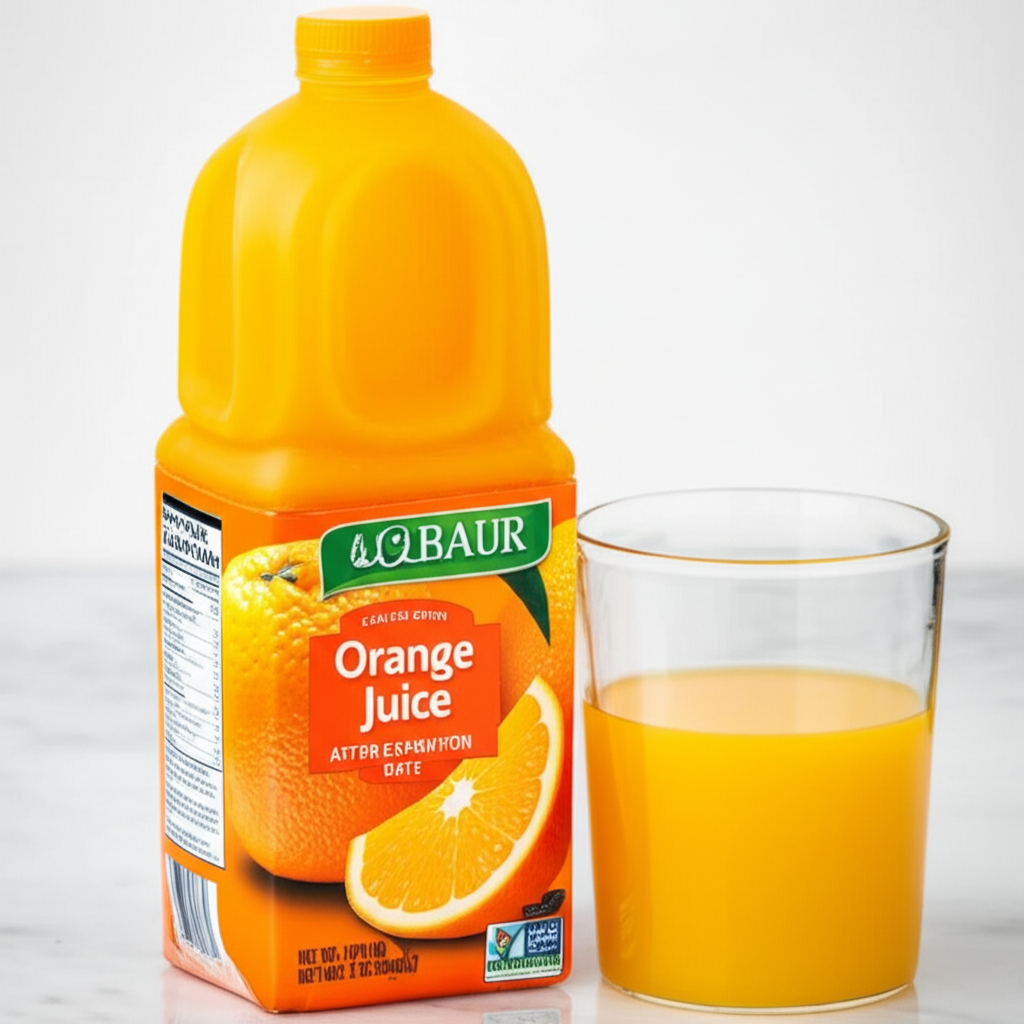
You can drink orange juice past its expiration date, but it’s generally not recommended due to potential health risks and a decline in quality. Always check for spoilage signs first.
Key Takeaways
- Assess spoilage before drinking expired juice.
- Understand expiration date meanings.
- Recognize signs of spoiled orange juice.
- Prioritize freshness for best flavor and safety.
- Consider making your own fresh juice.
Can You Drink Orange Juice After Expiration Date? Think Again!
That carton of orange juice sits in your fridge. You glance at the date. Uh oh. It’s a few days past the “best by” mark. Many of us have been there, wondering if it’s safe to pour a glass. Can you drink orange juice after expiration date? It’s a common question, and the answer isn’t a simple yes or no. Let’s dive into what those dates really mean and how to tell if your juice is still good.
Understanding expiration dates on food products can be confusing. Orange juice is no different. We want to enjoy its tangy sweetness and vitamin C boost. But we also want to stay healthy. This guide will help you navigate the murky waters of expired orange juice. We’ll cover everything from what the dates signify to how to safely check your juice. Get ready to feel confident about your next pour!
Decoding “Expiration Dates” on Orange Juice
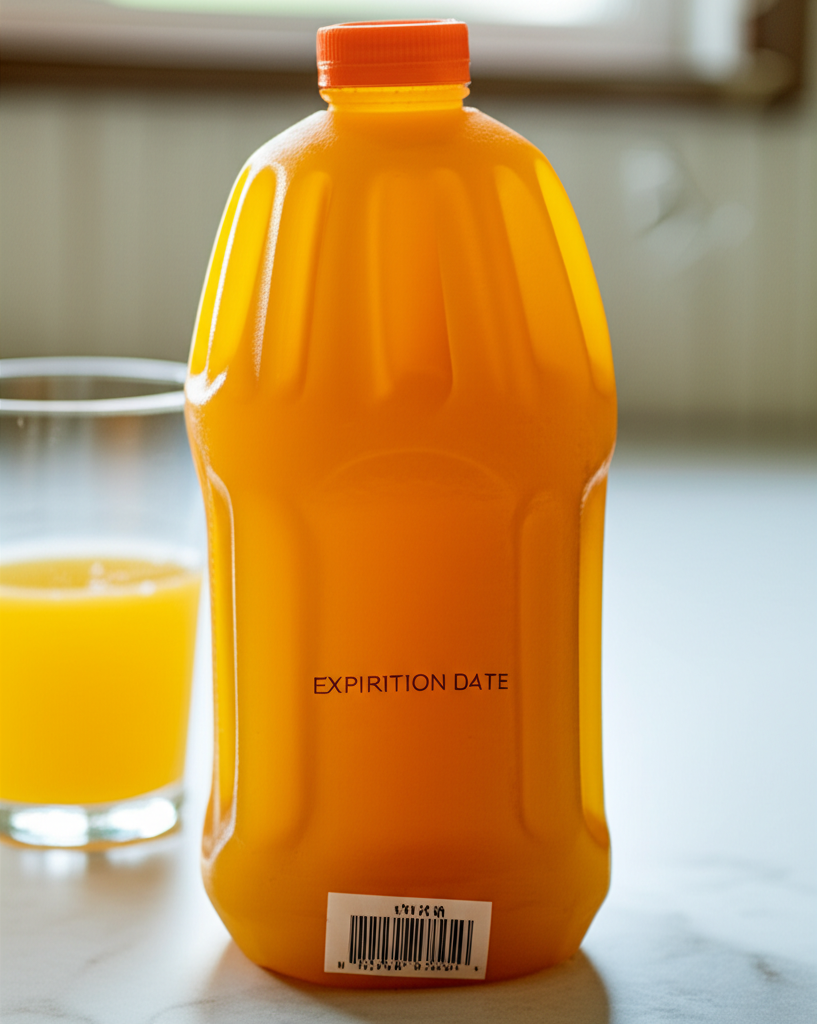
The dates you see on orange juice cartons are not always hard-and-fast expiration dates. They are usually “best by” or “sell by” dates. These dates are set by the manufacturer. They indicate when the product is expected to be at its peak quality. Think of them as a guide for optimal flavor and freshness, not necessarily a strict safety deadline.
The U.S. Food and Drug Administration (FDA) doesn’t require most foods, including orange juice, to have expiration dates. However, manufacturers use them to help consumers. They also use them for inventory management. A “sell by” date tells the store how long to display the product for sale. A “best by” or “best if used by” date suggests when the product will taste best. After these dates, the juice might lose some of its flavor, color, or nutritional value. But it could still be safe to consume if stored properly.
The type of orange juice also plays a role. Pasteurized juice, which has been heated to kill bacteria, lasts much longer than fresh-squeezed, unpasteurized juice. Unpasteurized juice is more susceptible to spoilage and bacterial growth. This is why understanding the date and the type of juice is crucial.
How Long Does Orange Juice Really Last?
The lifespan of orange juice after its printed date depends on several factors. These include how it was processed, how it’s been stored, and whether the carton has been opened.
Unopened Orange Juice
For unopened, pasteurized orange juice, the “best by” date is a good indicator. You can often safely consume it for about 7 to 10 days past the printed date. This is assuming it has been continuously refrigerated. The flavor might be slightly less vibrant, and the vitamin C content may have decreased. However, it’s generally safe. Always use your senses to check for spoilage.
Opened Orange Juice
Once opened, the clock starts ticking much faster. For pasteurized orange juice, it’s best to consume it within 5 to 7 days of opening. Even with refrigeration, exposure to air can speed up oxidation and introduce bacteria. This can lead to a quicker decline in quality and safety.
Unpasteurized, fresh-squeezed orange juice has a much shorter shelf life. It should ideally be consumed within 24 to 48 hours of making it, even when refrigerated. This is because it hasn’t undergone the pasteurization process to eliminate harmful microbes.
Storage Matters
Proper refrigeration is key. Orange juice should always be stored in the refrigerator. The ideal temperature is below 40°F (4°C). Keeping it at this temperature slows down the growth of bacteria and yeast. Leaving juice out on the counter, even for a short time, can make it spoil much faster. Ensure the refrigerator door is not left open for extended periods, as this can cause temperature fluctuations.
Signs Your Orange Juice Has Gone Bad
Your senses are your best defense against drinking spoiled orange juice. Before you take a sip, always perform a quick check. Look for these common signs of spoilage:
Visual Clues
- Mold: Any visible fuzzy or colored spots on the surface or inside the carton is a clear sign of spoilage.
- Discoloration: While some natural variations occur, a significant change in color, like a brown or murky hue, can indicate it’s time to toss it.
- Separation: Some separation is normal, especially in pulp-free juice. However, if the separation looks extreme or has unusual layers, it might be a problem.
- Cloudiness: If your clear orange juice suddenly becomes very cloudy and murky, it could be a sign of bacterial growth.
Olfactory Clues (Smell)
- Off Odor: Fresh orange juice has a bright, citrusy smell. If it smells sour, fermented, yeasty, or just plain “off,” it’s likely spoiled.
- Alcoholic Scent: A slight alcoholic smell can indicate fermentation, which happens when sugars are converted into alcohol by yeast.
Gustatory Clues (Taste)
- Sour or Bitter Taste: The most obvious sign is a taste that is noticeably sour, bitter, or acidic beyond its normal tang.
- Fizzy or Carbonated: If the juice fizzes when you pour it or has a carbonated feel, it means fermentation is occurring.
If you notice any of these signs, it’s best to discard the juice. Drinking spoiled orange juice can lead to foodborne illnesses like nausea, vomiting, and diarrhea. It’s simply not worth the risk.
The Science Behind Spoilage
Orange juice, like any food product, is susceptible to microbial spoilage. Even with pasteurization, some hardy microorganisms can survive. Once the seal is broken, or if the juice was not fully pasteurized, bacteria, yeasts, and molds can begin to grow. These microbes feed on the sugars present in the juice.
Fermentation is a common spoilage process. It’s caused by yeast. The yeast consumes the sugars in the juice and produces alcohol and carbon dioxide gas. This is why you might notice a fizzy texture or an alcoholic smell. This process significantly alters the taste and can make the juice unsafe.
Bacterial growth can also occur. While many bacteria are harmless, some can cause food poisoning. These bacteria thrive in environments with sugars and moisture. The acidic nature of orange juice can inhibit some bacterial growth, but it doesn’t eliminate the risk entirely, especially for certain types of bacteria like Listeria monocytogenes or Salmonella if contamination occurs. According to the Centers for Disease Control and Prevention (CDC), raw, unpasteurized juices pose a higher risk for foodborne illnesses because they may contain harmful bacteria.
Molds are also a concern. Some molds produce mycotoxins, which are poisonous substances that can be harmful to your health. Even if you scoop out the visible mold, the toxins can spread throughout the liquid. It’s why it’s never recommended to eat food with mold on it.
Orange Juice Expiration Dates: A Quick Comparison
Let’s look at how different types of orange juice fare regarding their shelf life and what to expect past their printed dates.
| Type of Orange Juice | “Best By” Date Guideline | After “Best By” Date (Unopened, Refrigerated) | After Opening (Refrigerated) | Key Spoilage Concerns |
|---|---|---|---|---|
| Pasteurized, Commercially Packaged | Typically 1-2 weeks after purchase | 7-10 days past date (quality declines) | 5-7 days (flavor and safety decrease) | Fermentation, off-flavors, reduced vitamin C |
| Fresh-Squeezed, Unpasteurized | Consume within 24-48 hours of making | Not recommended past 24-48 hours | Not recommended past 24 hours | Rapid bacterial growth, yeast, mold, potential pathogens |
| Frozen Concentrated Orange Juice (FCOJ) | Long shelf life, check packaging | Several months past date if kept frozen | Reconstitute and consume within 2-3 days (refrigerated) | Oxidation, loss of fresh flavor, separation upon thawing |
This table highlights how crucial the processing method and whether the juice has been opened are to its longevity and safety. Always store FCOJ properly in the freezer until ready to reconstitute.
Making Your Own Fresh Orange Juice
For the freshest, most vibrant orange juice, consider making it yourself! It’s surprisingly easy and allows you to control exactly what goes into your drink. Plus, you avoid the concern of expiration dates on store-bought cartons.
What You’ll Need:
- Fresh Oranges: Choose ripe, juicy oranges. Navel oranges and Valencia oranges are excellent choices for juicing.
- Juicer: You can use a manual citrus juicer, an electric citrus juicer, or a centrifugal juicer. A high-speed blender can also work if you strain the pulp well.
- Knife and Cutting Board: To slice the oranges.
- Strainer (Optional): If you prefer pulp-free juice.
- Storage Container: An airtight glass or BPA-free plastic container.
Simple Steps to Fresh Juice:
- Wash the Oranges: Thoroughly wash the oranges under cool running water.
- Slice the Oranges: Cut the oranges in half horizontally.
- Juice the Oranges: Place each half onto your juicer and press or spin to extract the juice.
- Strain (If Desired): Pour the juice through a fine-mesh sieve to remove pulp.
- Pour and Store: Pour the fresh juice into your airtight container.
Freshly squeezed orange juice is best enjoyed immediately. However, if you need to store it, keep it in the refrigerator. It should be consumed within 24 to 48 hours for optimal flavor and safety. For more insights on juicing techniques, resources like the Harvard Health Publishing offer valuable information on the benefits and considerations of juicing.
Pro Tips for Orange Juice Safety
When in doubt, throw it out! This is the golden rule for food safety. Don’t risk your health to save a few ounces of juice. Always trust your senses. If something seems off about the smell, appearance, or taste, it probably is. Make sure your refrigerator is set to the correct temperature (below 40°F or 4°C). This is a critical step in slowing down bacterial growth in all perishable foods, including orange juice.
Frequently Asked Questions About Expired Orange Juice
Q1: Can I get sick from drinking expired orange juice?
Yes, you can. Drinking orange juice past its prime, especially if it shows signs of spoilage like mold, off-smells, or sour tastes, can lead to foodborne illnesses. This is due to the potential presence of harmful bacteria, yeasts, or molds.
Q2: What is the difference between “best by” and “expiration date”?
A “best by” date is about quality, indicating when the product will taste best. An “expiration date” is a stricter deadline, usually for perishable items like baby formula, indicating when the product should no longer be consumed. Most orange juice has “best by” dates.
Q3: How long can unopened pasteurized orange juice last past the “best by” date?
Unopened pasteurized orange juice can often be safely consumed for about 7 to 10 days past its “best by” date, provided it has been stored properly in a cool refrigerator.
Q4: My orange juice tastes a little fizzy. Is it still okay?
No, if your orange juice tastes fizzy or carbonated, it indicates fermentation. This means yeast has converted sugars into alcohol and carbon dioxide. It’s no longer safe or pleasant to drink.
Q5: Is it safe to drink orange juice that has been left out overnight?
It is not recommended. Bacteria can multiply rapidly at room temperature. Even if it looks and smells okay, it’s safer to discard juice that has been left out for an extended period, especially if it was opened.
Q6: Does freezing extend the life of expired orange juice?
Freezing can significantly slow down spoilage, but it doesn’t kill all microorganisms. If you have juice past its date, freezing it might preserve it for longer, but you should still check for spoilage signs upon thawing and consume it quickly.
Q7: What are the risks of drinking unpasteurized orange juice past its date?
Unpasteurized orange juice carries a higher risk of containing harmful pathogens like E. coli or Salmonella. Drinking it past its very short recommended consumption window (24-48 hours) significantly increases the risk of serious foodborne illness.
Conclusion
So, can you drink orange juice after its expiration date? While it might be technically possible in some cases with unopened, pasteurized juice, it’s a gamble. The “best by” date is a quality indicator, but once that date passes, the risk of diminished flavor, nutritional value, and potential spoilage increases. Always rely on your senses – sight, smell, and taste – to make the final call. If there’s any doubt, err on the side of caution and pour it down the drain. For the absolute best taste and peace of mind, consider making your own fresh orange juice at home and enjoying it promptly.
smartblander.com is a participant in the Amazon Services LLC Associates Program, an affiliate advertising program. As an Amazon Associate, we earn from qualifying purchases made through our links.
