

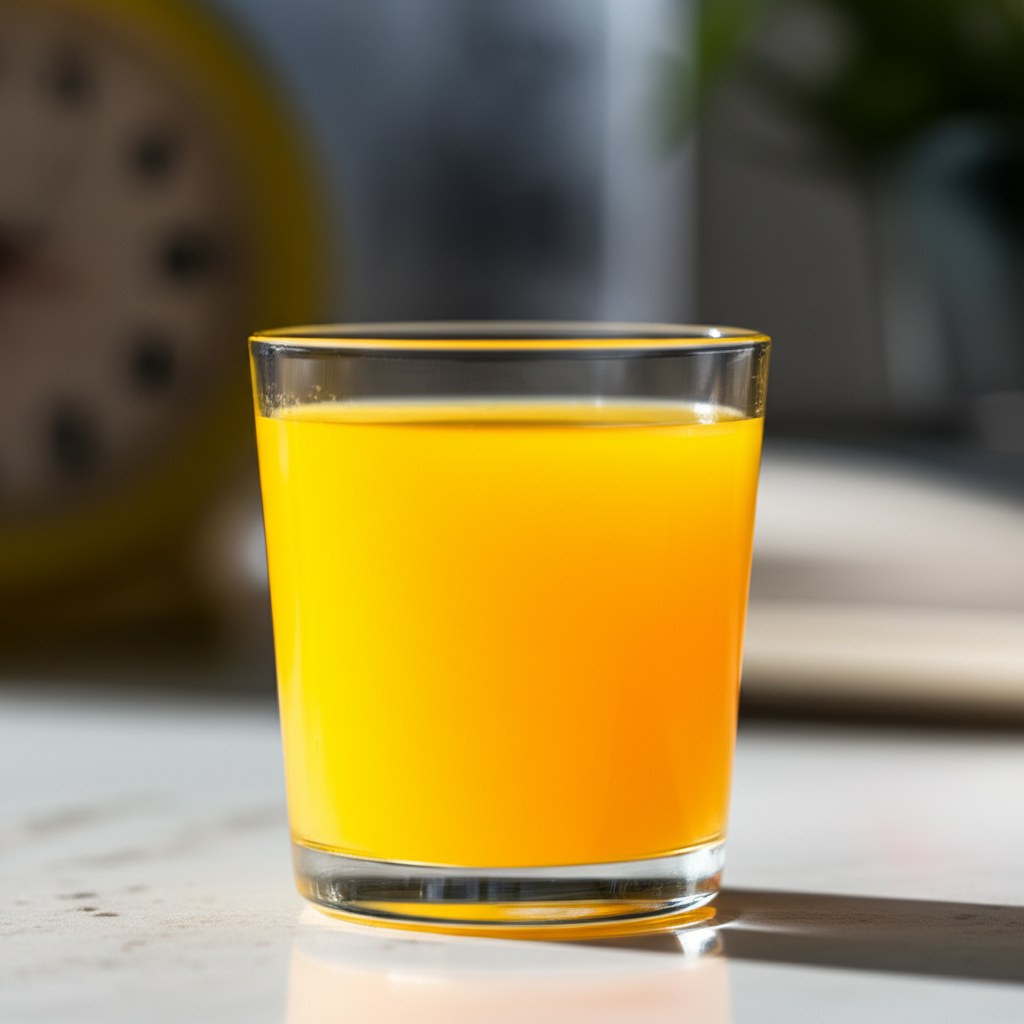
No, you generally should not leave orange juice out at room temperature for extended periods. Freshly squeezed orange juice is best consumed immediately or stored in the refrigerator to maintain its freshness, flavor, and nutritional value. Leaving it out can lead to rapid spoilage, bacterial growth, and a significant loss of vitamins.
Key Takeaways
- Refrigerate fresh orange juice promptly.
- Avoid leaving juice out for more than two hours.
- Room temperature accelerates nutrient loss.
- Bacteria multiply quickly in unchilled juice.
- Taste and texture degrade significantly when warm.
- Store properly to maximize freshness and safety.
Can Orange Juice Be Left Out? The Shocking Truth!
You’ve just squeezed a pitcher of vibrant, fresh orange juice. The aroma fills your kitchen, and you’re excited to enjoy that pure, unadulterated citrus goodness. But what if life gets in the way? What if you forget about it on the counter for a little while? This is a common question for anyone who loves fresh juice: Can orange juice be left out? The answer might surprise you, and understanding it is key to enjoying safe, delicious, and nutritious juice every time. We’ll dive into the science and practical tips to help you keep your homemade orange juice tasting its best.
The Science Behind Orange Juice and Room Temperature
Orange juice, especially when freshly squeezed, is a living product. It’s packed with natural sugars, vitamins, and enzymes. When you leave it out of the refrigerator, a cascade of changes begins to occur. These changes affect not only how the juice tastes but also its safety for consumption.
Sugar Content and Fermentation
The natural sugars in orange juice are a primary food source for microorganisms. When juice is exposed to room temperature, typically around 70-75°F (21-24°C), these microorganisms, including wild yeasts and bacteria, begin to multiply rapidly. This process is called fermentation. You might notice a slightly fizzy texture or a sour, alcoholic taste as fermentation progresses. This is your juice telling you it’s breaking down.
Vitamin Degradation
Vitamin C (ascorbic acid) is one of the most celebrated nutrients in orange juice. It’s a powerful antioxidant that supports your immune system. However, Vitamin C is also sensitive to heat, light, and oxygen. When orange juice is left out, the combination of these factors causes Vitamin C to degrade much faster than when it’s chilled. You’ll lose a significant portion of its health benefits if your juice sits on the counter.
Oxidation and Flavor Changes
Exposure to air leads to oxidation. This process affects the flavor and aroma of orange juice. The bright, zesty notes can turn dull, and the juice might develop a slightly metallic or “off” taste. The natural oils in the orange peel, which can sometimes find their way into freshly squeezed juice, also contribute to flavor changes when exposed to air and warmth.
How Long Can Orange Juice Safely Be Left Out?
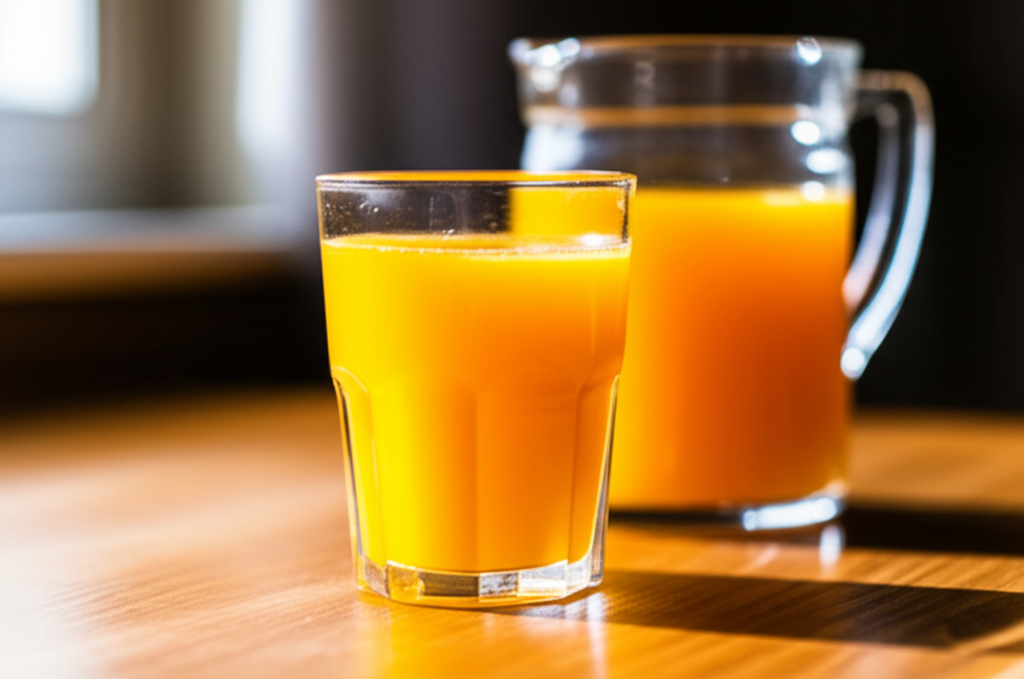
The general food safety guideline is crucial here. According to the U.S. Department of Agriculture (USDA), perishable foods, including fresh juices, should not be left at room temperature for more than two hours. If the ambient temperature is above 90°F (32°C), this window shortens to just one hour.
This two-hour rule is a critical safety measure. It’s designed to minimize the risk of harmful bacterial growth. While your juice might not look or smell spoiled within this timeframe, the bacteria count can still reach levels that could make you sick.
The “Two-Hour Rule” Explained
This rule applies to any food that needs refrigeration. It’s a standard recommendation to prevent foodborne illnesses. Fresh orange juice, with its high sugar content and lack of preservatives, is particularly susceptible. Once it has been out of refrigeration for longer than two hours, it enters the “danger zone” where bacteria can multiply rapidly.
Factors Influencing Spoilage Speed
- Temperature: The warmer it is, the faster spoilage occurs.
- Exposure to Light and Air: These accelerate oxidation and nutrient loss.
- Presence of Pulp: Pulp can sometimes hold onto moisture and provide a surface for microbial growth.
- Type of Orange: While all fresh juices are perishable, some variations in sugar and acid content might slightly affect spoilage rates, but refrigeration is always best.
What Happens to Orange Juice Left Out Overnight?
Leaving orange juice out overnight is a recipe for disaster. By morning, the juice will have been at room temperature for many hours. This is ample time for significant bacterial growth and fermentation to occur. The juice is likely to:
- Taste sour, fermented, or even alcoholic.
- Develop an unpleasant odor.
- Have a cloudy or slimy appearance.
- Contain potentially harmful levels of bacteria like E. coli or Salmonella if contaminated.
Even if it doesn’t appear or smell overtly spoiled, consuming orange juice left out overnight is a significant health risk. It’s best to discard it without hesitation.
Storing Fresh Orange Juice Properly
The best way to enjoy your fresh orange juice is to store it correctly. This ensures it remains safe, flavorful, and nutritious for as long as possible.
Immediate Refrigeration
As soon as you’re finished juicing, transfer the juice into an airtight container and place it in the refrigerator. This is the most important step to slow down spoilage and bacterial growth.
Airtight Containers are Key
Use glass or BPA-free plastic containers with tight-fitting lids. This minimizes exposure to air, which helps prevent oxidation and keeps out any contaminants from the refrigerator environment. A good seal is vital for preserving freshness.
Optimal Refrigerator Temperature
Ensure your refrigerator is set to the correct temperature, ideally between 35°F and 40°F (1.7°C and 4.4°C). This cold environment is crucial for slowing down microbial activity.
How Long Does Refrigerated Juice Last?
Freshly squeezed, unpasteurized orange juice typically lasts about 48 to 72 hours (2 to 3 days) in the refrigerator when stored properly. After this, the quality will start to decline, and the risk of spoilage increases.
Commercially produced orange juice, which is often pasteurized and sometimes has preservatives added, has a much longer shelf life. However, once opened, it also needs to be refrigerated and consumed within the timeframe indicated on the carton, usually within 7-10 days.
Common Mistakes to Avoid with Fresh Orange Juice
Many beginners make a few common errors that can compromise their fresh juice. Being aware of these can save your juice and your taste buds!
Mistake 1: Not Cleaning Juicing Equipment Thoroughly
Residual pulp and juice left on juicers or blenders can harbor bacteria. Always clean your equipment immediately after use. This prevents bacteria from multiplying and cross-contaminating your next batch of juice.
Mistake 2: Leaving Juice in the Juicer or Blender Jar
Don’t let juice sit in the juicing machine or blender. Transfer it to a clean, airtight container right away. The internal parts of these appliances are not designed for long-term storage and can also be breeding grounds for bacteria.
Mistake 3: Storing Juice in an Open Container
An open container exposes the juice to air and potential contaminants. This leads to faster oxidation and a higher risk of spoilage. Always use a lid!
Mistake 4: Reheating Leftover Juice
Once juice has been left out and potentially entered the danger zone, reheating it does not kill all the toxins produced by bacteria. It’s safer to discard it.
Fresh Juice vs. Store-Bought Juice: A Comparison
Understanding the differences between fresh, homemade juice and store-bought options can help you appreciate why proper storage is so critical for the former.
Nutritional Content
Freshly squeezed juice is often richer in certain nutrients, especially Vitamin C, as it hasn’t undergone extensive processing or long-term storage that can degrade these vitamins. However, store-bought juices are often fortified with vitamins and minerals.
Preservatives and Pasteurization
Store-bought juices are typically pasteurized – heated to kill bacteria and extend shelf life. Some may also contain added preservatives. Fresh juice is raw and unpasteurized, making it more susceptible to spoilage and requiring immediate refrigeration.
Flavor Profile
Many people prefer the vibrant, fresh taste of homemade juice. Store-bought juices can sometimes have a more uniform or even slightly “cooked” flavor due to the pasteurization process.
For more on the nutritional aspects of Vitamin C, you can refer to the National Institutes of Health (NIH) information on Ascorbic Acid.
Pro Tips for Maximizing Fresh Juice Freshness
Want to keep your homemade orange juice tasting great for longer? Here are some expert tips:
- Use Cold Oranges: Start with chilled oranges straight from the refrigerator. This helps keep the juice cooler for longer.
- Juice in Batches: Only juice what you expect to consume within 2-3 days. Larger batches mean more potential waste if not stored perfectly.
- Add a Squeeze of Lemon or Lime: A little bit of citric acid from other citrus fruits can act as a natural preservative, slightly slowing down spoilage.
- Strain Well (or Don’t!): If you prefer less pulp, straining can sometimes remove moisture that bacteria feed on. However, some people prefer pulp for added fiber and nutrients.
- Keep it Away from Heat Sources: Even in the fridge, don’t store juice right next to the back wall if it’s very cold, or near the door where temperature fluctuates.
Can Orange Juice Be Left Out? A Table of Consequences
To illustrate the impact of leaving orange juice out, consider this table summarizing the effects over time.
| Time Left Out | Taste & Aroma | Texture | Nutrient Loss | Bacterial Growth | Safety |
|---|---|---|---|---|---|
| < 1 Hour | Slightly less vibrant | Normal | Minor loss of Vitamin C | Beginning to increase | Generally safe |
| 1-2 Hours | Noticeably less fresh, hint of sourness | May start to feel slightly less smooth | Moderate loss of Vitamin C | Increasing rapidly | Entering “danger zone” |
| 2-4 Hours | Distinctly sour, potentially yeasty | Slightly fizzy or watery | Significant loss of Vitamin C | High levels of bacteria | Risk of illness |
| > 4 Hours / Overnight | Very sour, fermented, unpleasant | Fizzy, potentially slimy | Minimal Vitamin C remaining | Very high, potentially harmful levels | Unsafe to consume |
The “Shocking Truth” for Beginners
The most “shocking truth” for beginners is often how quickly fresh juice degrades. Many assume it’s like bottled juice, which has a long shelf life. But fresh juice is alive! It’s packed with enzymes and natural sugars that are perfect food for microbes. Without refrigeration, it’s a race against time. The “shock” comes when you realize that a few hours can turn your healthy drink into a potential health hazard. This is why immediate refrigeration and proper storage are non-negotiable for fresh juice enthusiasts.
Frequently Asked Questions (FAQ)
Q1: Can I leave freshly squeezed orange juice on the counter for a few hours while I’m out?
A1: It’s not recommended. The USDA’s “two-hour rule” for perishable foods applies here. After two hours at room temperature, bacteria can multiply to unsafe levels, and nutrient content starts to drop significantly.
Q2: If my orange juice tastes a little fizzy, is it still okay to drink?
A2: A fizzy texture indicates fermentation. This means wild yeasts have begun to consume the sugars in the juice, producing carbon dioxide. While it might not be harmful immediately, it means the juice is no longer fresh, its flavor has changed, and its safety is compromised. It’s best to discard it.
Q3: Does adding ice to orange juice help if I leave it out?
A3: Ice will only keep the juice cold for a short period as it melts. Once the ice is gone and the juice returns to room temperature, the spoilage process will continue. For safe storage, refrigeration is the only reliable method.
Q4: Is pasteurized orange juice safe to leave out?
A4: Pasteurized orange juice has a longer shelf life than fresh juice, but it still needs to be refrigerated once opened. While it’s more resistant to spoilage than fresh juice, leaving it out for extended periods can still degrade its quality and potentially lead to bacterial growth, especially if it has been opened.
Q5: Can I freeze fresh orange juice to preserve it?
A5: Yes, freezing is an excellent way to preserve fresh orange juice for longer periods, often for several months. Ensure you store it in freezer-safe airtight containers, leaving a little headspace for expansion. Thaw it in the refrigerator.
Q6: What happens to the vitamins in orange juice left out?
A6: Vitamin C is particularly sensitive to heat, light, and oxygen. Leaving orange juice out accelerates the degradation of Vitamin C and other vitamins, significantly reducing its nutritional value. The longer it sits out, the less beneficial it becomes.
Conclusion
So, can orange juice be left out? The short, emphatic answer is no, not for long. Freshly squeezed orange juice is a delicate, perishable product that thrives in the cold. Leaving it at room temperature for more than two hours invites spoilage, bacterial growth, and a significant loss of its precious nutrients and vibrant flavor. Understanding this “shocking truth” empowers you to make informed decisions, ensuring that every glass of homemade orange juice you enjoy is not only delicious but also safe and packed with the vitamins you expect. Embrace the art of fresh juicing by prioritizing prompt refrigeration and proper storage. Your body and your taste buds will thank you!
smartblander.com is a participant in the Amazon Services LLC Associates Program, an affiliate advertising program. As an Amazon Associate, we earn from qualifying purchases made through our links.
